


Joint problems affect not only seniors, but also young dogs of large breeds. Many of them are rooted in chronic inflammation, so it is worth reaching for ingredients with anti-inflammatory and building properties, such as omega-3 fatty acids, krill oil or green-lipped mussel. Supplementation requires consistency, and sudden lameness or a swollen joint is a reason for an urgent visit to the vet.
The joy of fetching, long walks and carefree play: that is the picture of a happy dog. When a dog starts avoiding stairs or gets up more slowly, it may be a sign of joint pain. And how can anyone chase a ball when their paws hurt? Joint pain does not only affect senior dogs, but also young, active ones, especially large breeds predisposed to dysplasia.
Well-chosen nutrition and supplementation matter a great deal for strong joints. We explain how a joint works, what harms it and which natural ingredients can support mobility for years.
How a dog's joint is built
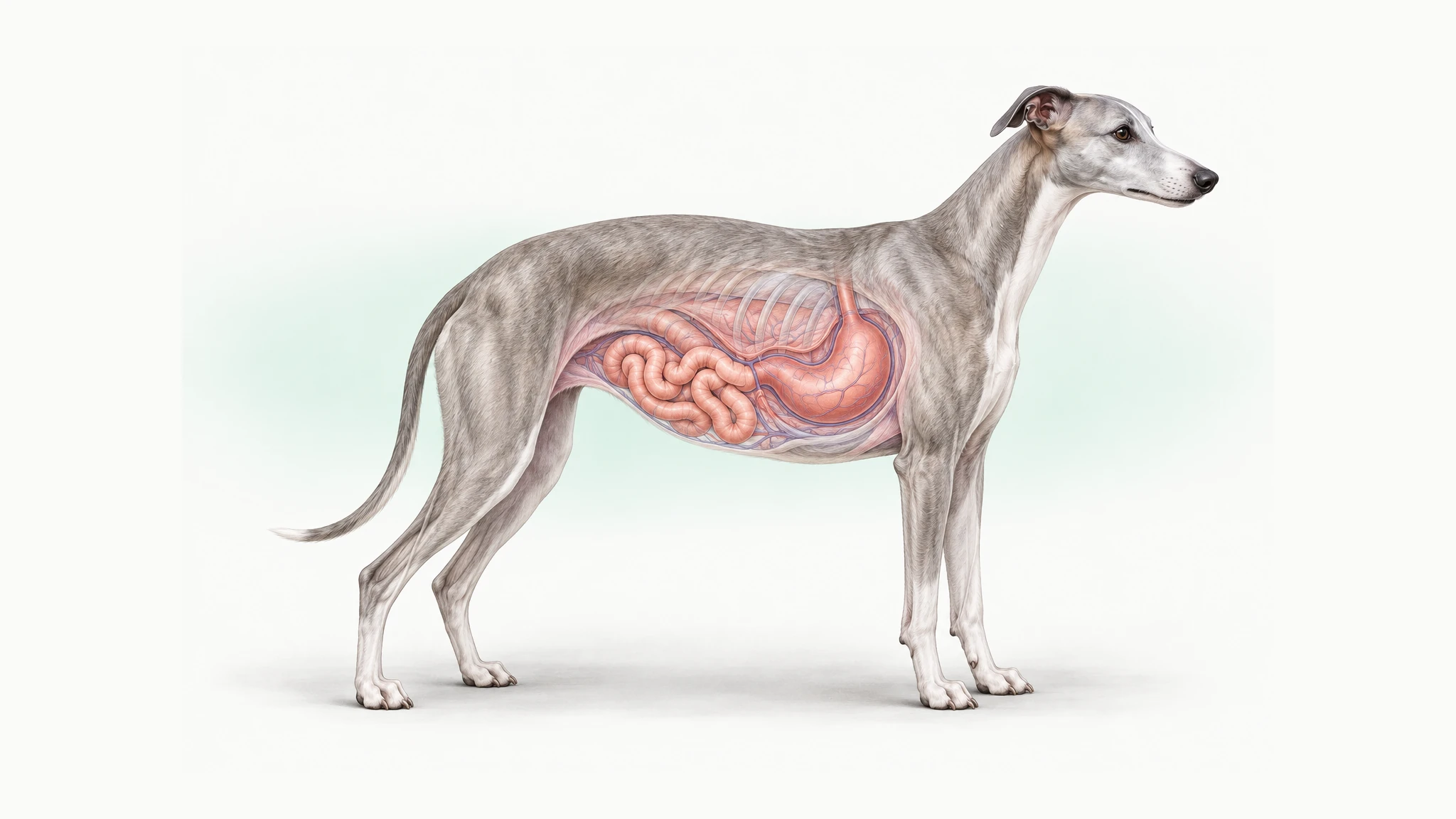
A dog's body has several types of joints (synovial, fibrous, cartilaginous), but problems mainly concern synovial joints. Looking from the outside in, a joint is made up of:
- ligaments - keep the bones in line and can form part of the joint capsule,
- joint capsule - tough, fibrous tissue surrounding the space between the ends of the bones, filled with joint fluid,
- articular cartilage - protects and covers the bone surfaces and absorbs shocks,
- synovial fluid - lubricates the joint and reduces bone-on-bone friction.
Over the years the body loses its ability to produce synovial fluid, which is why regularly supplementing the diet with ingredients that naturally nourish it is so important.
Where joint problems come from

A dog does not have to be a senior to need joint supplements, painkillers or physiotherapy. Impaired movement in itself causes pain.

The literature states that overfeeding and excessive calcium intake contribute to joint problems in dogs. Most conditions, including osteoarthritis, are rooted in chronic inflammation. It causes pain, swelling and the gradual breakdown of cartilage, which acts as a shock absorber.
The most common joint diseases in dogs

Impaired joint function may result from congenital defects (dysplasia, injuries) or acquired conditions such as osteoarthritis or rheumatoid arthritis.
Hip dysplasia
‘Dysplasia’ means insufficient growth. It most often results from a poor fit between the thigh bone and the hip socket, or from poorly developed muscles around the pelvis. It usually appears between 6 and 18 months of age, especially in medium and large breeds.
A young dog does not always show pain or difficulty walking. Dysplasia often makes itself known in older dogs, which have less muscle mass. The causes may be hereditary or environmental, e.g. excess body weight, injury, joint overload or a torn ligament in puppyhood.
Osteoarthritis (OA)
This is the result of a slowly progressing inflammatory cascade that causes the dog constant pain. Changes in the cartilage and synovial membrane can lead to lameness, stiffness and even loss of joint mobility. Another common condition, especially in small breeds, is a luxating patella.
Treatment and natural support - what are the options

According to the literature, there is no single method that fully eliminates the symptoms of musculoskeletal diseases. Today, treatment of osteoarthritis relies mainly on non-steroidal anti-inflammatory drugs (NSAIDs), which can, however, cause side effects, especially gastrointestinal ones.

That is why, at every stage of a dog's life, it is worth turning to natural ways of supporting the joints: preventive products or supplements that ease existing problems. They work mainly through their anti-inflammatory and regenerative, building properties, which help rebuild damaged structures.
Natural ingredients that support a dog's joints
Natural ingredients supporting the musculoskeletal system that you can find in complete foods and treats include:

Dog food increasingly contains:
- fruit and vegetables - berries, blueberries, blackberries, apricots, blackthorn, rosehip, mulberry, pumpkin,
- crustaceans - krill,
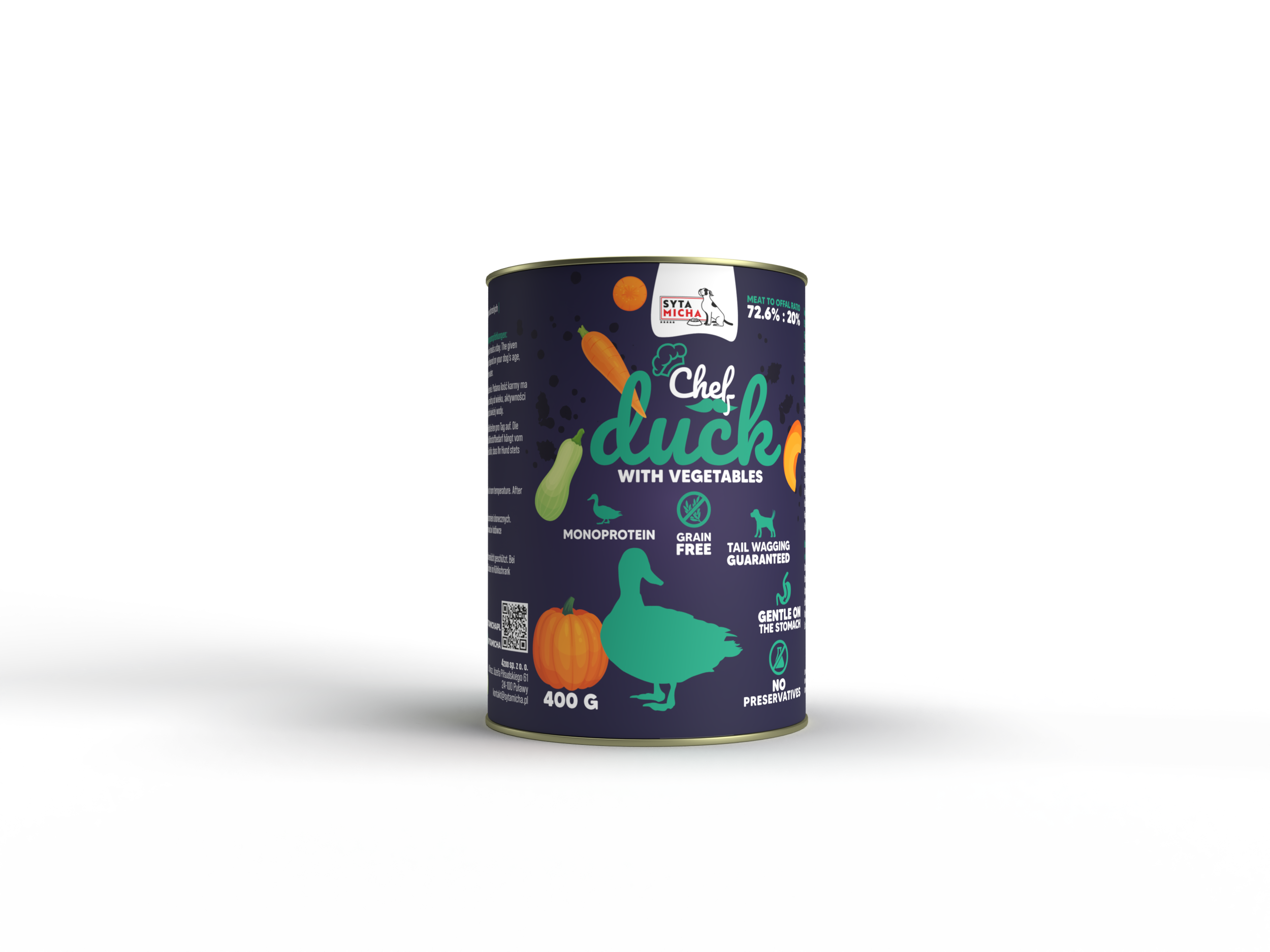
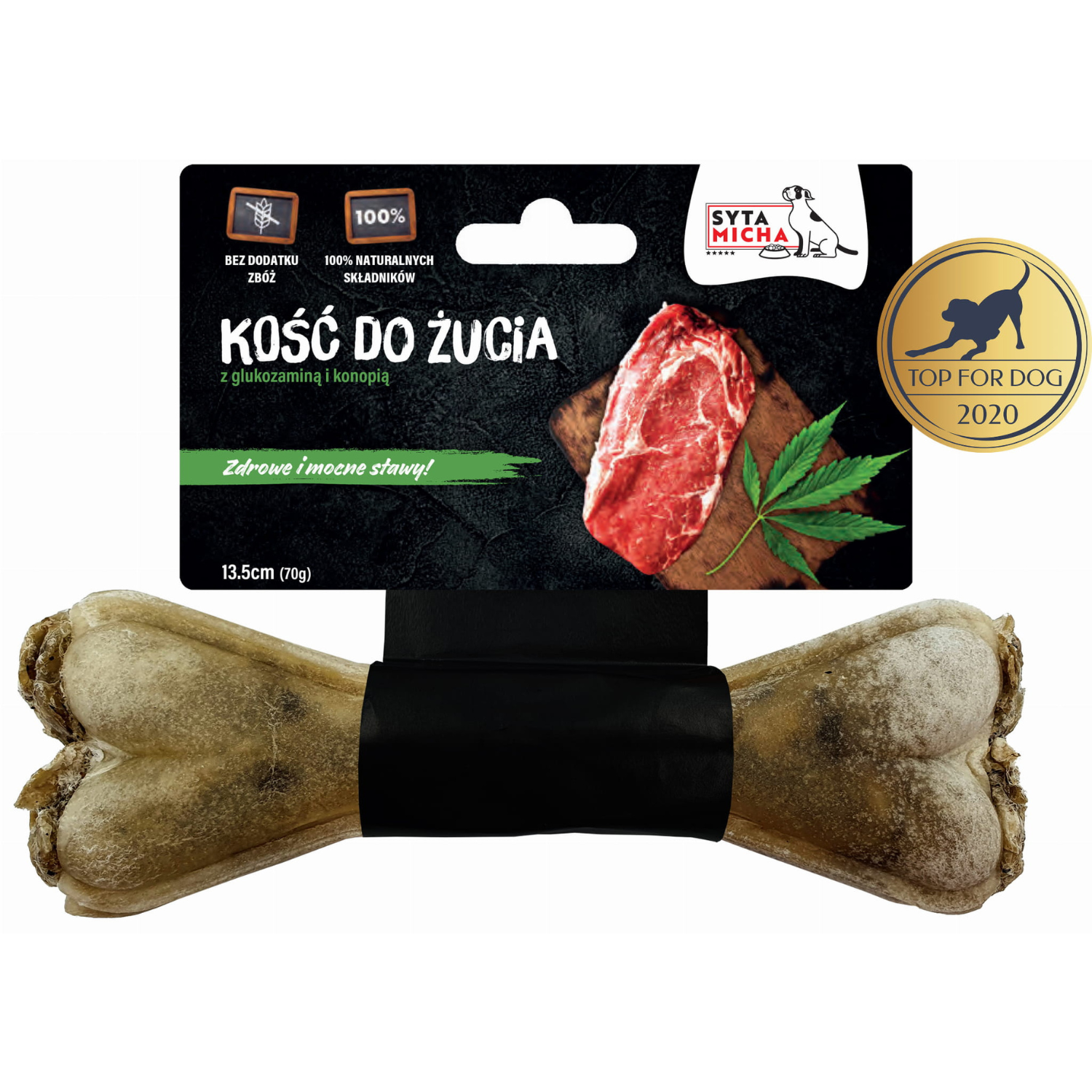
- herbs - frankincense (Boswellia serrata), black cumin, chamomile, lavender, lemon balm, nettle, curcumin, ginger, green tea, hemp,
- other functional additives - green-lipped mussel, hydrolysed collagen, devil's claw, fish oil, mulberry extract, grape skin extract, milk proteins, deer antler powder.
Nutraceuticals - food with added benefits
Nutraceuticals combine nutritional value with properties of pharmaceutical products. As foods that limit inflammation, they can benefit not only the joints but also the cardiovascular and digestive systems and brain function. They include:
- ascorbic acid (vitamin C) - parsley, rosehip, blackberries,
- gallic acid - cinnamon, pineapple, mango, flaxseed, hibiscus, pomegranate,
- quercetin - apple, elderberry, rosehip, strawberry, cranberry,
- glutathione - spinach, broccoli, asparagus, milk thistle,
- lycopene - tomato, watermelon, papaya, carrot, pumpkin, sweet potato, apricots,
- potassium, selenium - bran, cottage cheese, beans, oats, yoghurt, broccoli, banana,
- fatty acids - fish, eggs, meat, MCT oil,
- lutein - parsley leaves, courgette, carrot, sweet potato,
- carbinol - broccoli, cauliflower, cabbage,
- hemicellulose - beetroot, peas, bran,
- vitamin E.
There are also nutraceuticals of animal origin, e.g. choline, lecithin, creatine, zinc, calcium, sphingolipids, EPA and DHA, coenzyme Q10 and conjugated linoleic acid (CLA).
Oils for joints - salmon, krill and green-lipped mussel
Omega-3 fatty acids, especially EPA and DHA, have a special place. They are anti-inflammatory, limiting the production of pro-inflammatory substances in the body. A diet rich in these ingredients may slow cartilage breakdown and bring your dog relief. Marine sources of these acids found in dogs' diets are:
- Salmon oil - a well-known source of omega-3 (EPA and DHA). Given regularly, it helps calm inflammation and reduce joint pain and stiffness, which may improve your dog's mobility.
- Krill oil - provides omega-3 in the bioavailable form of phospholipids, plus astaxanthin, a powerful antioxidant.
- Green-lipped mussel oil - a natural source of glycosaminoglycans (GAGs), the basic building blocks of cartilage and synovial fluid.
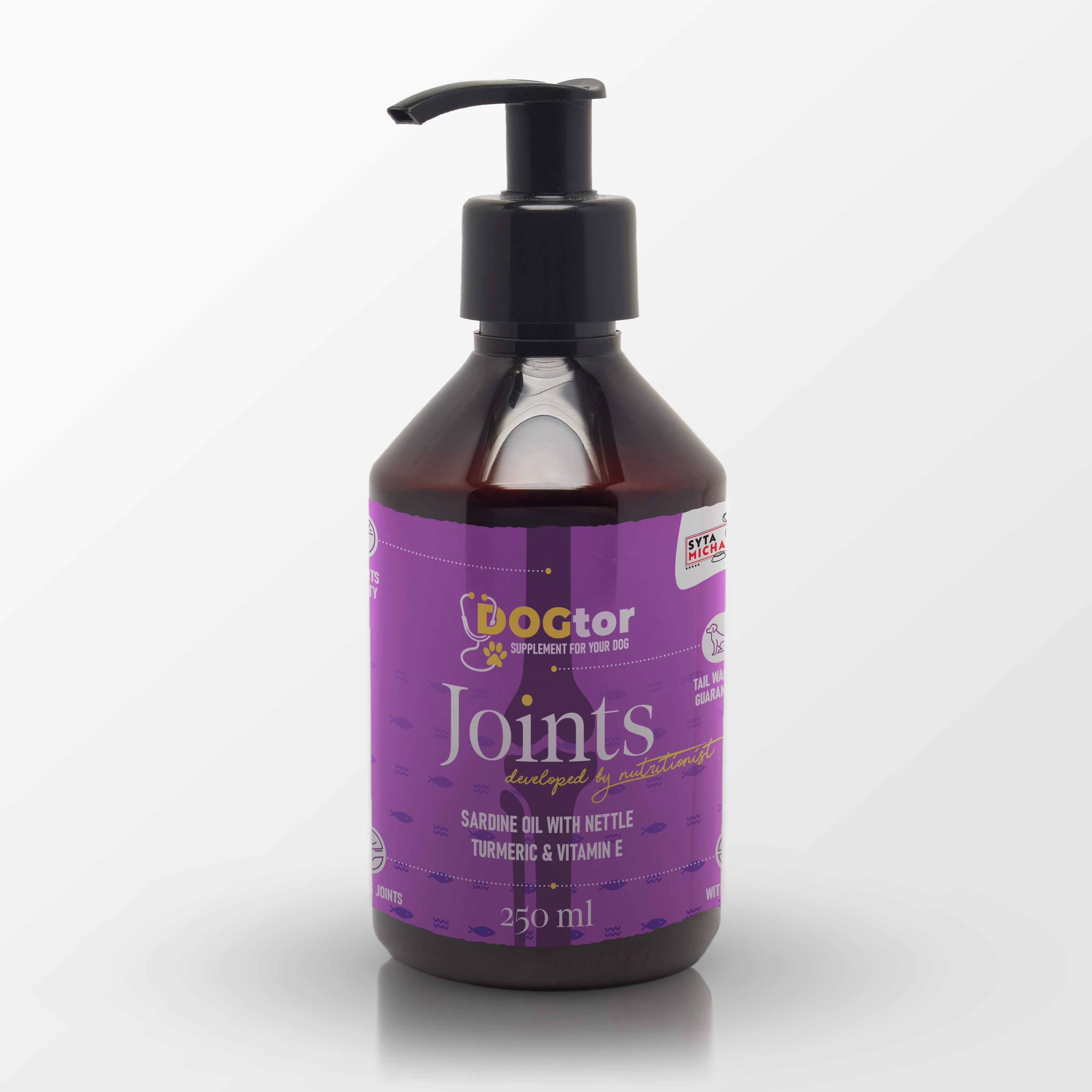
Our Joints oil is built on omega-3 from fish: it is 99% sardine oil (EPA 16.06%, DHA 11.12%), complemented with nettle oil, turmeric oil and vitamin E.
The effect of oil supplementation is long-term and requires regular use for at least 6-8 weeks. Just as important are:
- a properly balanced diet and maintaining a healthy body weight,
- avoiding overfeeding,
- daily activity and play,
- regular check-ups,
- reading compositions carefully to limit less beneficial substances.
When to take a dog with joint pain to the vet
Supplements support prevention, but they cannot replace veterinary care. Contact your vet straight away if you notice:
- sudden, severe lameness,
- reluctance to put weight on a limb,
- visible swelling of a joint,
- yelping in pain when touched.
Such symptoms may indicate an acute injury (e.g. a torn ligament) or advanced disease that requires diagnostics, e.g. an X-ray, and treatment. A joint oil is best introduced into long-term care after a consultation and in line with your vet's advice.
Products mentioned
 You collect HAU DOLCE points for your purchases
Frequently asked questions
Do joint problems only affect older dogs?
No. A dog does not have to be a senior to need joint support. Hip dysplasia often appears between 6 and 18 months of age, especially in medium and large breeds.
Which oils support a dog's joints?
Salmon oil is a source of the omega-3 fatty acids EPA and DHA, krill oil provides omega-3 in the form of phospholipids plus astaxanthin, and green-lipped mussel oil is a natural source of glycosaminoglycans, the building blocks of cartilage and synovial fluid.
How long do I need to give a joint oil to see results?
The effect of oil supplementation is long-term and requires regular use for at least 6-8 weeks.
What else besides supplements helps a dog's joints?
A properly balanced diet, maintaining a healthy body weight, avoiding overfeeding, daily activity and regular check-ups. It is also worth reading the compositions of the products you buy carefully.