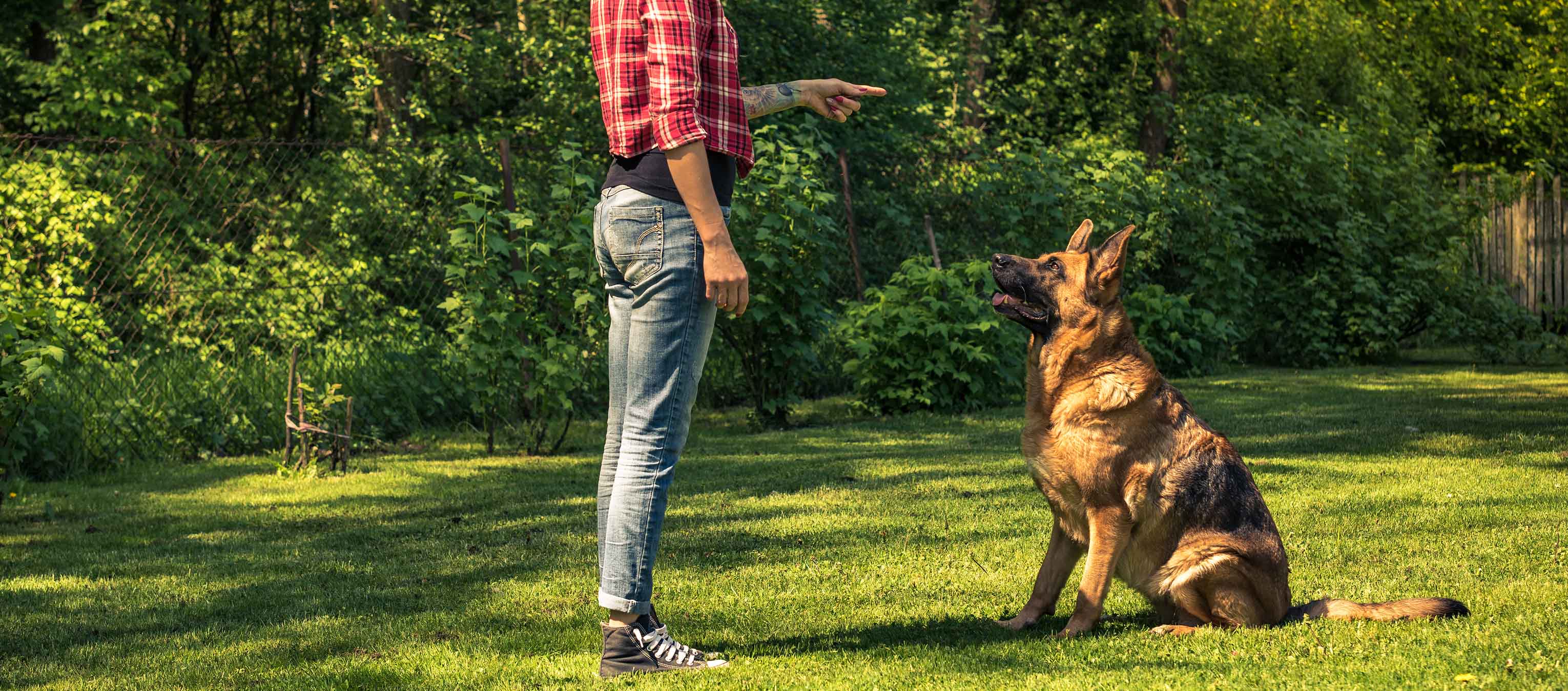
The condition of a dog’s muscles depends above all on a well-balanced diet with highly digestible animal protein and on exercise matched to age and health. Massage and active training can complement this, but it is worth discussing the exercises with a physiotherapist first.
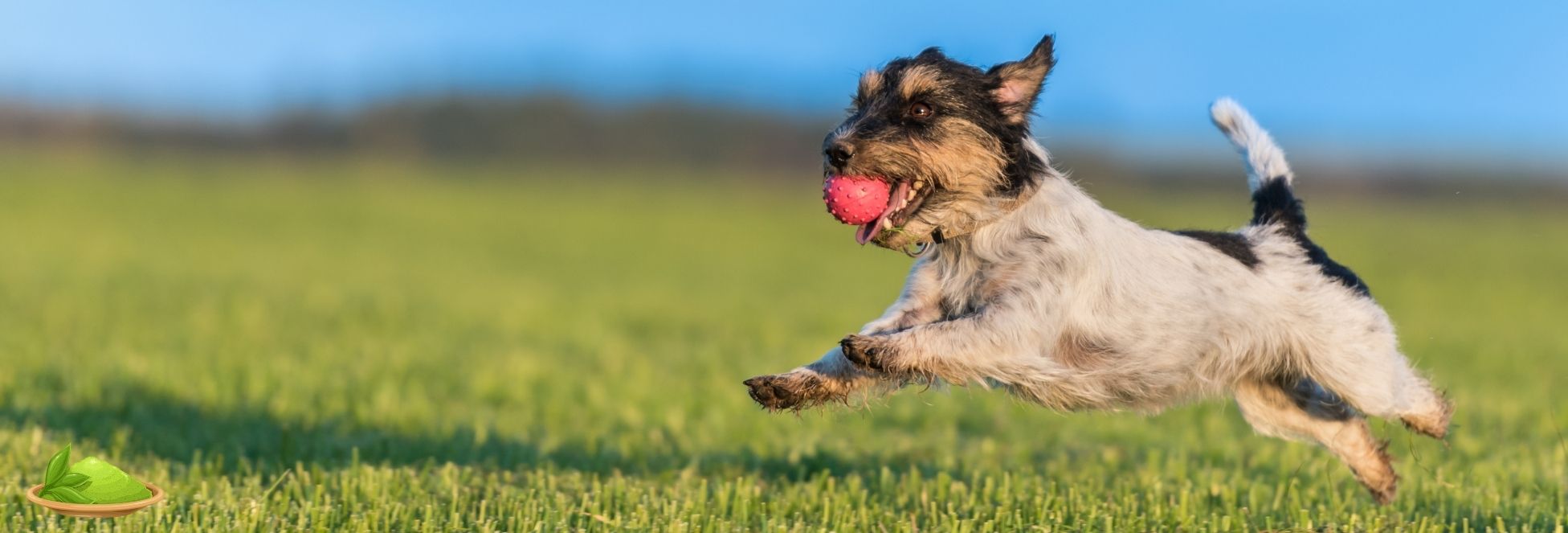
Movement is part of every dog’s daily life. A walk in the woods, chasing a ball or agility all require well-nourished muscles in good condition, for both aerobic and anaerobic effort. The foundation of maintaining muscle mass is proper, balanced nutrition.
Today we know much more about dog nutrition, training and behaviour than we did a few years ago. Are we just as keen to learn how to look after their muscles?
Protein - the basic building block of a dog’s muscles
Protein matters for every dog: young, adult, older and sporting. Built from amino acids, it performs many functions in the body:
- structural - it is part of tissues, coat and claws (collagen, elastin, keratin),
- receptor - it allows stimuli from the environment to be received,
- transport - haemoglobin carries oxygen, albumins fatty acids, ferritin iron,
- immune - immunoglobulins take part in fighting pathogens,
- motor - actin and myosin are responsible for muscle work and stability,
- hormonal - insulin, glucagon and somatotropin coordinate the body’s functions,
- enzymatic - pepsin and trypsin speed up biochemical reactions,
- storage - it stores ions and molecules of other compounds.
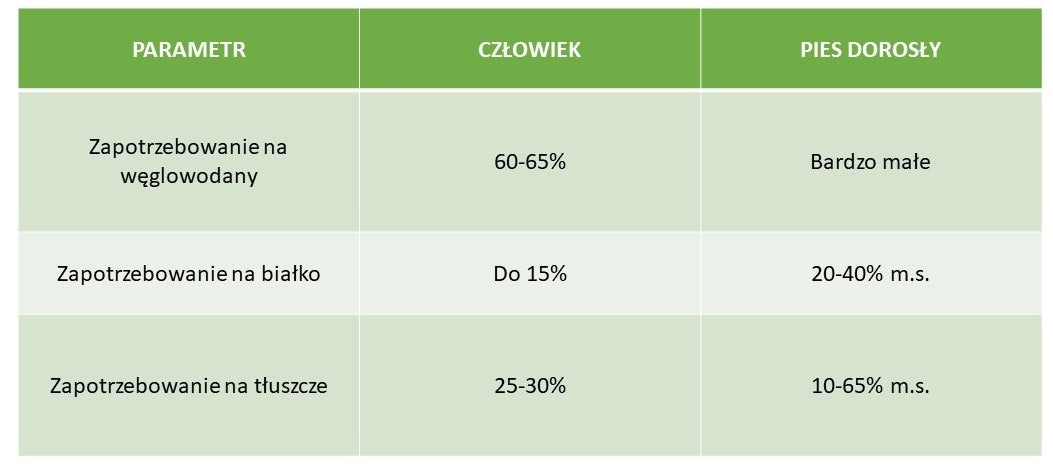
The right amount and quality of protein affects healthy growth, development and tissue repair. The table below compares carbohydrate, protein and fat requirements in humans and dogs.
The foundation of healthy muscles is considered to be a diet and activity matched to age, state of health and breed. In puppies, older dogs and sporting dogs, muscle tissue is built by good-quality protein given in the daily diet. The best source is animal protein, i.e. meat and animal products, which covers the requirement for all the essential amino acids.

Puppies, pregnant and lactating bitches and dogs in training need more protein every day, because growth of new tissue is especially important for them. Muscle nourishment also needs attention in older dogs, which may develop sarcopenia, the loss of muscle mass, with age.
Biological value and digestibility - why meat
Biological value is one of the more important concepts describing nutritional value, i.e. the content, balance, digestibility and absorbability of the nutrients needed to cover the daily requirement. A raw material has a high biological value when it contains most of the essential nutrients. Meat is such a raw material, although the proportions of nutrients depend on its origin.
The main strength of meat and offal is its protein content, which in slaughter animals is 16-22%:
- pork: 15-21%,
- beef: 15-21%,
- poultry: 18-23%,
- fish: 16-19%.
After heat treatment, because of water loss, this value can rise to as much as 30%.
Digestibility also matters a great deal, i.e. the degree to which proteins, fats and carbohydrates are broken down by digestive enzymes. Sources of animal protein and fat have the highest digestibility coefficient, over 90%. The higher the digestibility, the less energy the body loses on digestion and the more it can use for movement and work.
Protein from meat, fish and poultry is digested more easily than plant protein. If the diet is based solely on plant protein, e.g. from beans, it is hard to cover the requirement for all the essential amino acids. That is why meat and animal products should be the foundation of a dog’s diet.
The amount and quality of protein also need to be matched to the state of health. In dogs with kidney failure, the amount of protein should be strictly controlled and the protein itself highly digestible, which limits the formation of harmful metabolites.
Animal fat as a source of energy
Animal fat varies depending on the animal species. Its basic function is to supply energy. It also contains saturated (SFA), monounsaturated (MUFA) and polyunsaturated fatty acids (PUFA: n-6 and n-3), sterols and fat-soluble vitamins (A, D, E, K).
- MUFA can be produced by the body itself and used as a source of energy. They act in the opposite way to SFA: they have a beneficial effect on lipoproteins, lower LDL and protect HDL.
- PUFA are not produced by a dog’s body, so they have to come from food.
- Conjugated linoleic acid (CLA) is a polyunsaturated fatty acid credited with beneficial effects on the body, including an anti-inflammatory effect.
Meat and animal products are therefore a good source of energy, as well as of the vitamins and minerals the whole body needs, muscles included. Food based on animal raw materials usually has a higher nutritional value.
Treats and dried meats as an addition to the diet
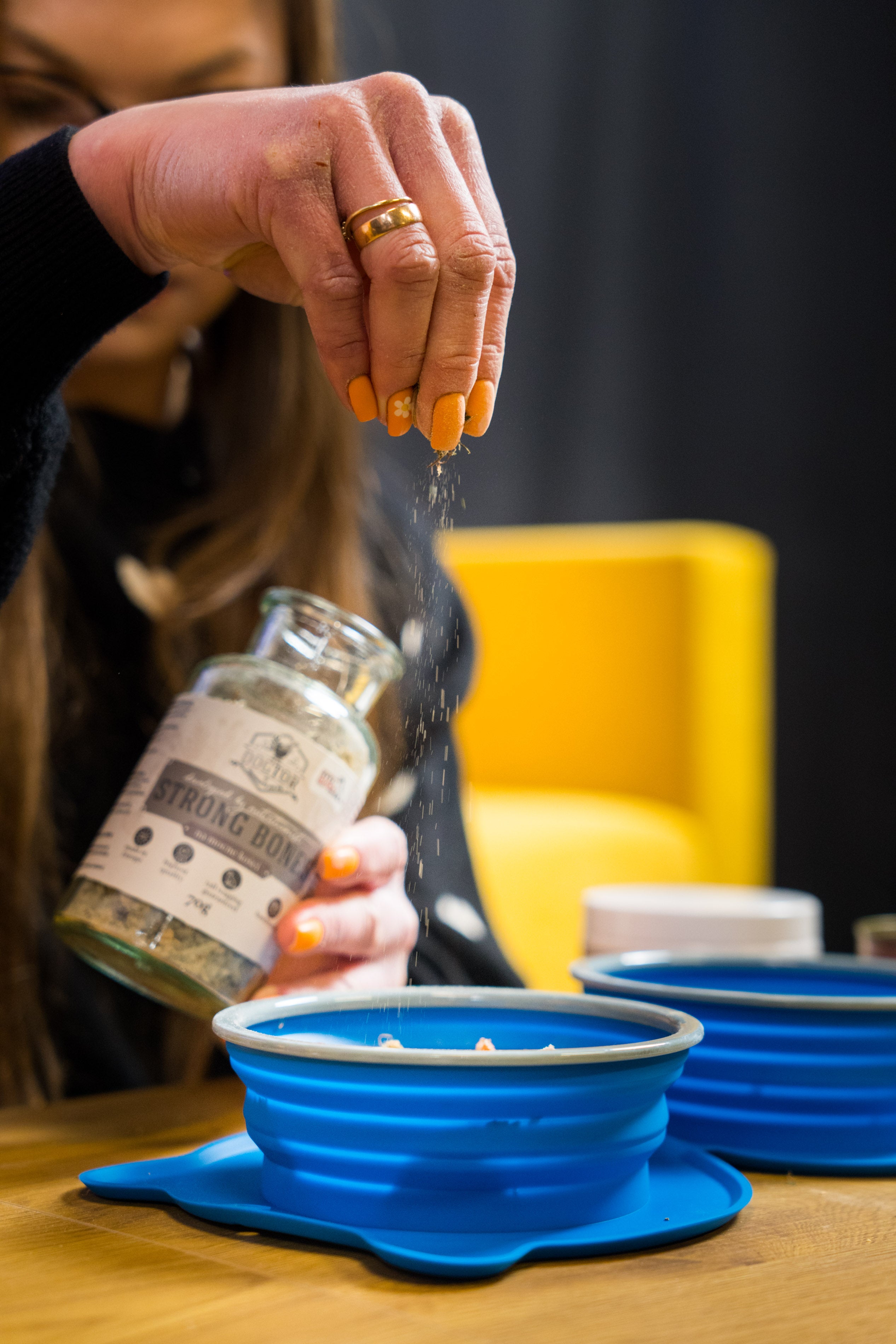
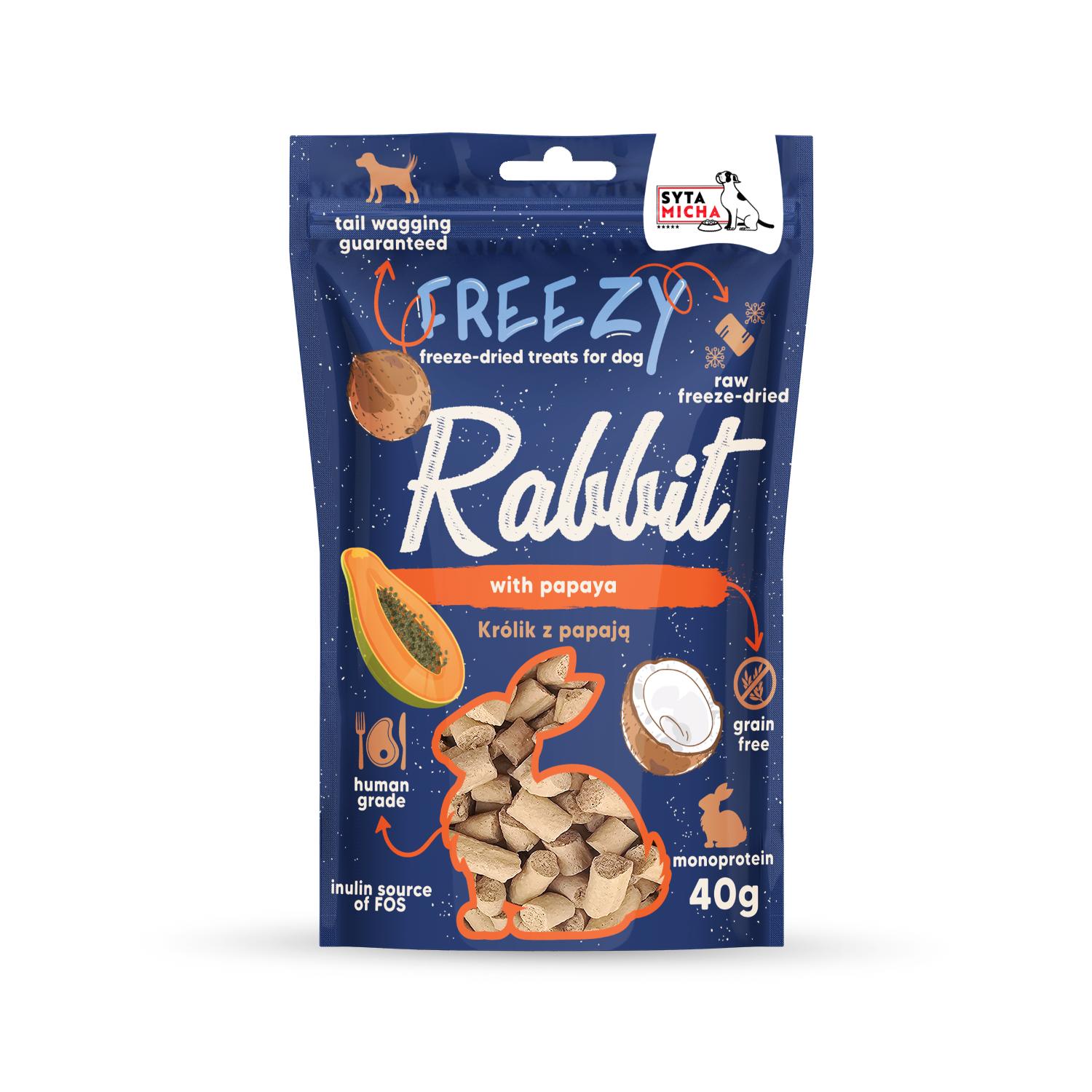
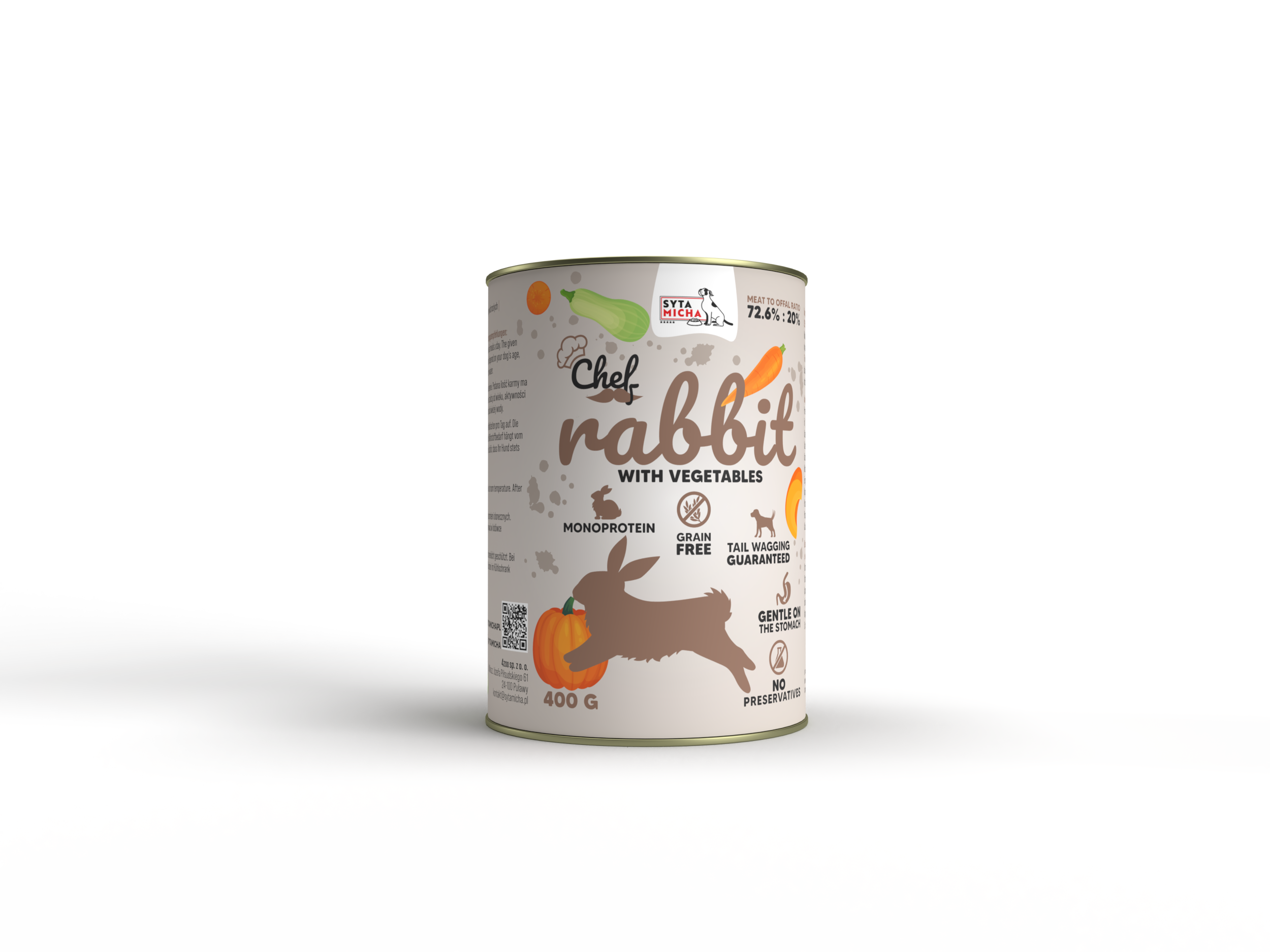
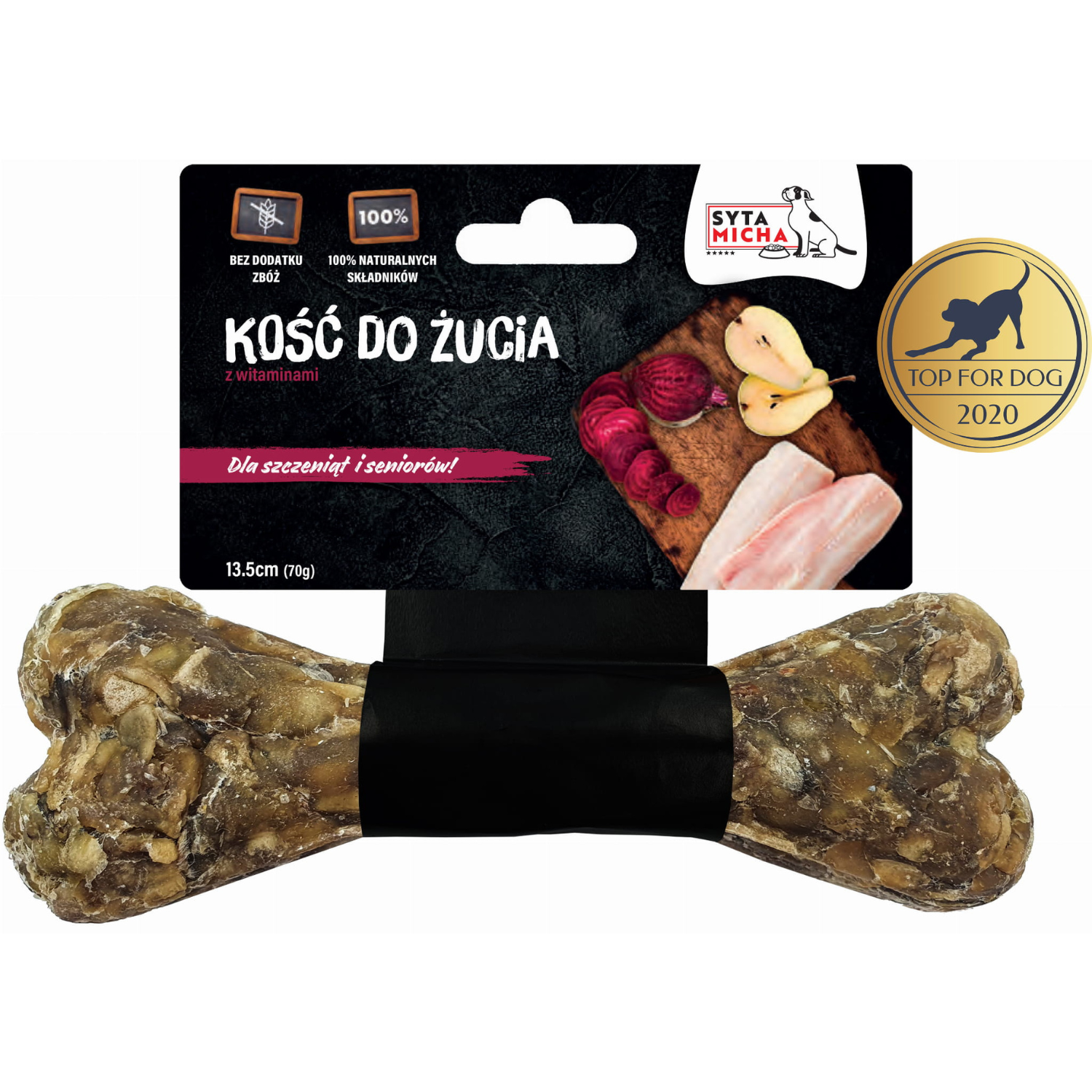
A good addition to the diet is dried meat from various animal species or chews made from fresh meat. Exercise puts a load on bones and joints, so for an active dog it is worth considering treats with glucosamine and chondroitin or products with antioxidants and fatty acids with an anti-inflammatory effect. They can support the whole musculoskeletal system.
Functional chew bone for strong joints

Dried meats for dogs


Massage - everyday physiotherapy
Rehabilitation is not just working with a dog after surgery, an older dog, one with neurological problems or an obese one. It is also a good way to look after the musculoskeletal system before problems appear.
Muscles make up around 50% of a dog’s body weight and, besides movement, perform many other functions. For them to work well, it is worth including massage and active exercises in the daily routine. Massage:
- helps reduce muscle tension and release contractures after overexertion,
- improves blood circulation and oxygen flow,
- stimulates the release of endorphins,
- warms the muscles up before activity and calms them down after exercise,
- supports muscle recovery,
- improves body awareness,
- has a calming effect,
- strengthens the bond with the owner.
Around 15 minutes of massage is enough to enjoy these effects.
Active training - exercises tailored to the dog
Another way to keep muscles in good condition is regular active training. After an assessment by a physiotherapist, the owner learns when and how to stimulate specific muscles of the dog precisely.
- For a dog that needs to strengthen the muscles of the spine (e.g. a Dachshund, prone to disc disease because of its build), exercises for those areas are chosen.
- For a dog that should work on its hind legs (e.g. a French Bulldog or a German Shepherd), exercises strengthening the hindquarters are introduced.
Is it difficult for the owner?
No. Active training can be great fun, because most exercises involve working with treats. Rewards and positive reinforcement help strengthen selected muscle groups through commands and obstacles, and along the way they build trust and the bond between dog and owner.
Examples of active exercises
- the ‘sit-down-stand’ command - training for the hips,
- slalom - strengthening the muscles of the spine and limbs,
- climbing stairs - strengthening the hind legs,
- the ‘bow’ command - strengthening the front legs,
- slow walks on sloping ground - that is a form of exercise too.
There are many more exercises, and you can start at any age. Before you introduce exercises, discuss them with a physiotherapist, who will match their type and amount to your dog’s state of health.
Muscles are not just mass. They are movement, training and your dog’s wellbeing, as well as balanced nutrition matched to age and type of activity.
Text written in collaboration with Paula Wyszyńska, Fizjoterapia małych zwierząt Lublin - Paula Wyszyńska.

Bibliography
- Bermingham E.N., Maclean P., Thomas D.G., Cave N.J., Young W., 2017. Key bacterial families (Clostridiaceae, Erysipelotrichaceae and Bacteroidaceae) are related to the digestion of protein and energy in dogs. PeerJ 5:e3019.
- Chiofalo B., Fazio E., Cucinotta S., Cravana C., 2019. Thyroid and Lipid Status in Guide Dogs During Training: Effects of Dietary Protein and Fat Content. Animals, 9, 9, 597.
- Dasiewicz K., Chmiel M., 2016. Charakterystyka tłuszczów zwierzęcych i aspekty zdrowotne związane z ich spożywaniem. Postępy Techniki Przetwórstwa Spożywczego 1.
- Di Cerbo A., Morales-Medina J.C., Palmieri B., Pezzuto F., Cocco F., Flores G., Iannitti T., 2017. Functional foods in pet nutrition: Focus on dogs and cats. Research in Veterinary Science, Vol. 112, 161-166.
- Hou Y., Wu G., 2018. Nutritionally Essential Amino Acids. Advances in Nutrition, Vol. 9, 6, p. 849-851.
- Wilczak J., 2016. Białko w karmie, ale ile? Zoobranża [https://zoobranza.com.pl/bialko-w-karmie-ale-ile/].
- Wilczak J., 2017. Mięso mięsu nie równe. Zoobranża [https://zoobranza.com.pl/mieso-miesu-nierowne/].
Products mentioned
 You collect HAU DOLCE points for your purchases
Frequently asked questions
Which protein is best for a dog’s muscles?
Protein of animal origin, i.e. meat and animal products. It is digested more easily than plant protein and covers the requirement for all the essential amino acids.
Which dogs need more protein?
Puppies, pregnant and lactating bitches and dogs in training. Muscle nourishment also needs attention in older dogs, which may develop sarcopenia.
What does massage do for a dog?
It helps reduce muscle tension, improves circulation, supports recovery after exercise, has a calming effect and strengthens the bond with the owner. Around 15 minutes is enough.
Which active exercises can I do with my dog?
For example ‘sit-down-stand’, slalom, climbing stairs, ‘bow’ or slow walks on sloping ground. The type and amount of exercise is best agreed with a physiotherapist.