 HAU DOLCE
Welcome back 🐾
Sign in to your Syta Micha account
Popular searches
Categories
Recommended products
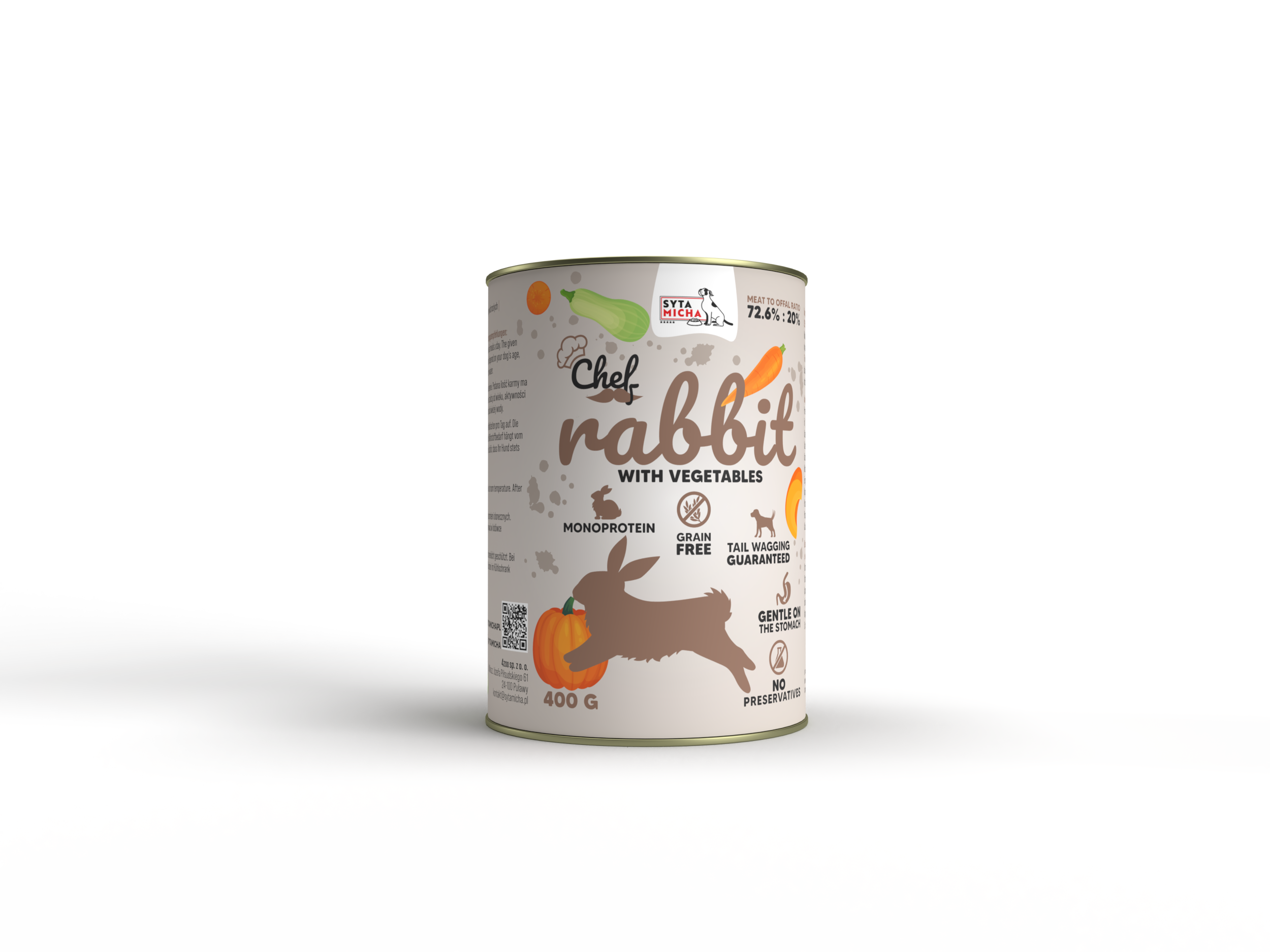
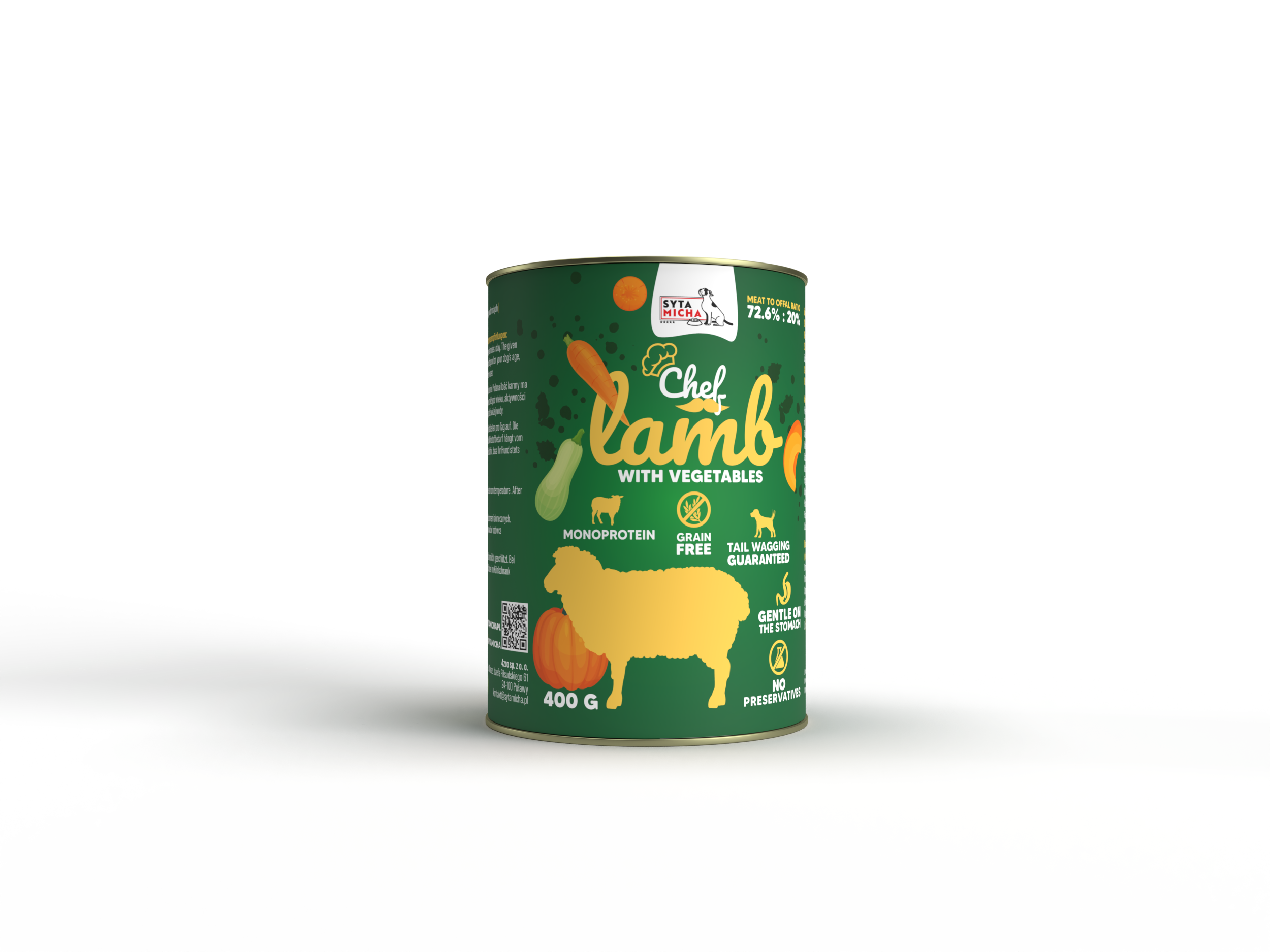
Dry dog food
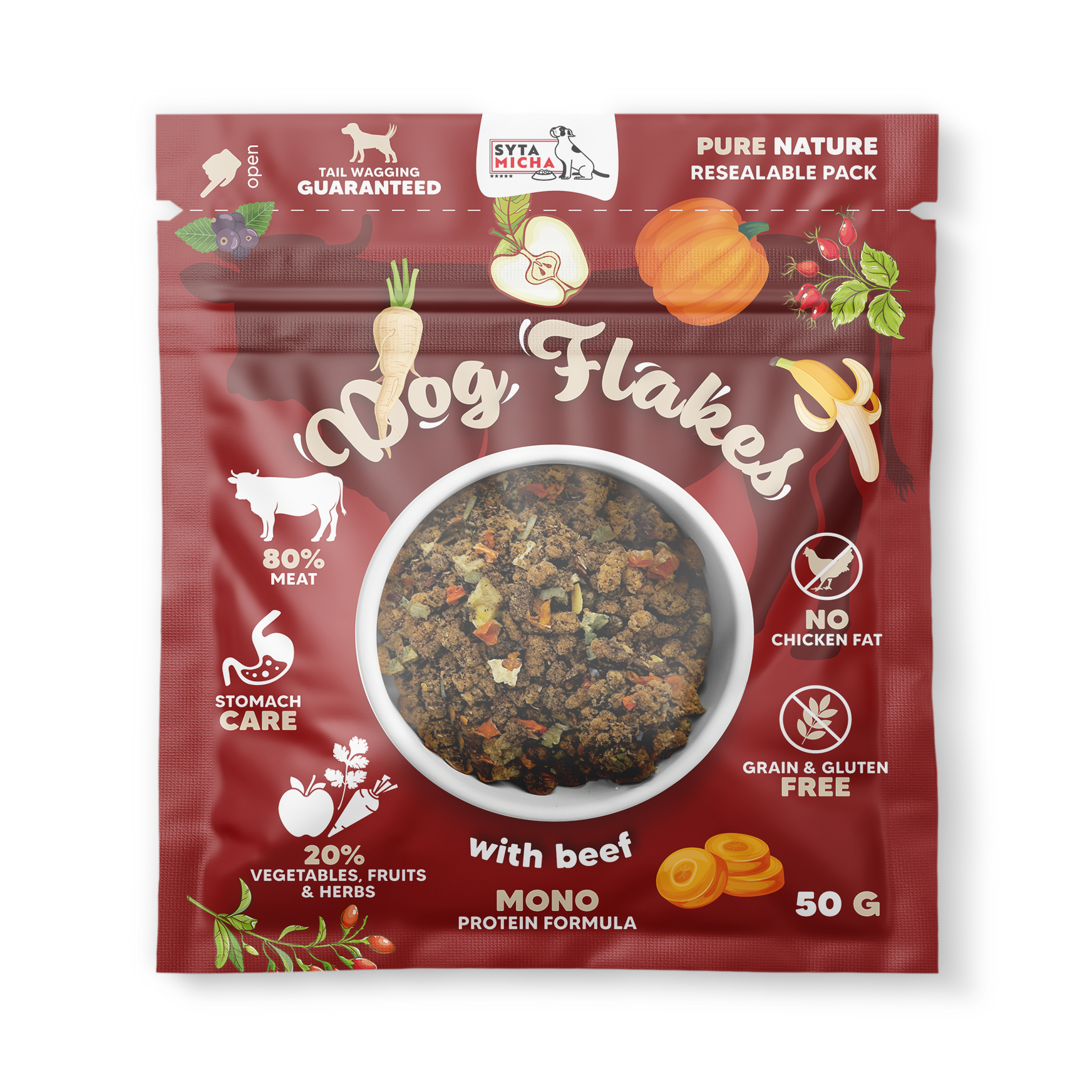
Dry dog food comes in two quite different forms in our range, and it's worth telling them apart before you buy. Dog Flakes are dried pieces of meat with vegetables in 50 g and 700 g packs, and alongside them sits classic kibble in 1.5 kg and 9 kg bags. Both forms are grain-free, sugar-free and free from artificial colourings, and the ingredient list can be read without a magnifying glass. Flavours include venison, duck, lamb, rabbit, goat, beef, veal and salmon. Below I explain how the two forms differ in practice and which suits which dog.


Which dry dog food should you choose?
Choosing dry dog food starts with deciding on the form, not the flavour. Each form behaves differently at the bowl, although both keep well in the cupboard and need no fridge.
Dog Flakes, or dried pieces
Dog Flakes are meat and vegetables dried in pieces, with no kibble extrusion stage. Every variant is built on a single animal protein: beef, rabbit, goat, duck, lamb or venison. The 50 g pack is usually bought as a trial, the 700 g pack for everyday feeding. The full range is in Dog Flakes dried food.
Kibble in 1.5 kg and 9 kg bags
The kibble recipes combine meat, vegetables and fruit, for example venison with cranberry and pumpkin seeds, salmon with parsnip and strawberry, duck with blueberries and spinach, or veal with pear and courgette. The 1.5 kg bag works well for a small dog and for a first go at a recipe, the 9 kg bag for a large dog and long-term feeding.
- Single animal protein: all Dog Flakes and most of the kibble, including venison, salmon, duck and veal.
- Two proteins in one recipe: rabbit with lamb and rabbit with turkey, where the combination is intentional.
- Vegetables and fruit: pumpkin, spinach, asparagus, cranberry, raspberry, pineapple, pear, courgette.
- What you won't find: grains, sugar, artificial colourings and flavourings.
Grain-free dog food: what replaces the grains
Grain-free dog food has to replace wheat and maize with something, so what matters is what took their place. In our recipes, grain-free dog food is built on vegetables and fruit, not on a cheap filler added for bulk.
This matters for dogs that react to grains with digestive symptoms, but also simply for a short ingredient list. The fewer items on the label, the easier it is to work out what didn't agree with your dog when something goes wrong. If you're looking for the simplest recipe, start with Dog Flakes, because they have the shortest ingredient list in the whole category. I've written more about the approach itself in the entry single-protein dog food.
Dry puppy food: two recipes
Dry puppy food differs from the adult version in its proportions, not in the idea itself. Our dry puppy food comes as rabbit with turkey, banana and courgette, and lamb with raspberry and pumpkin, both in 1.5 kg and 9 kg bags.
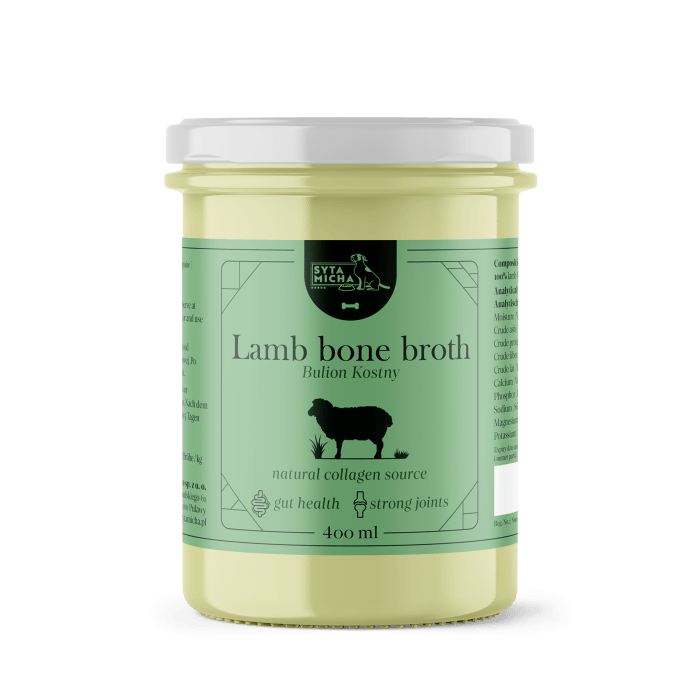
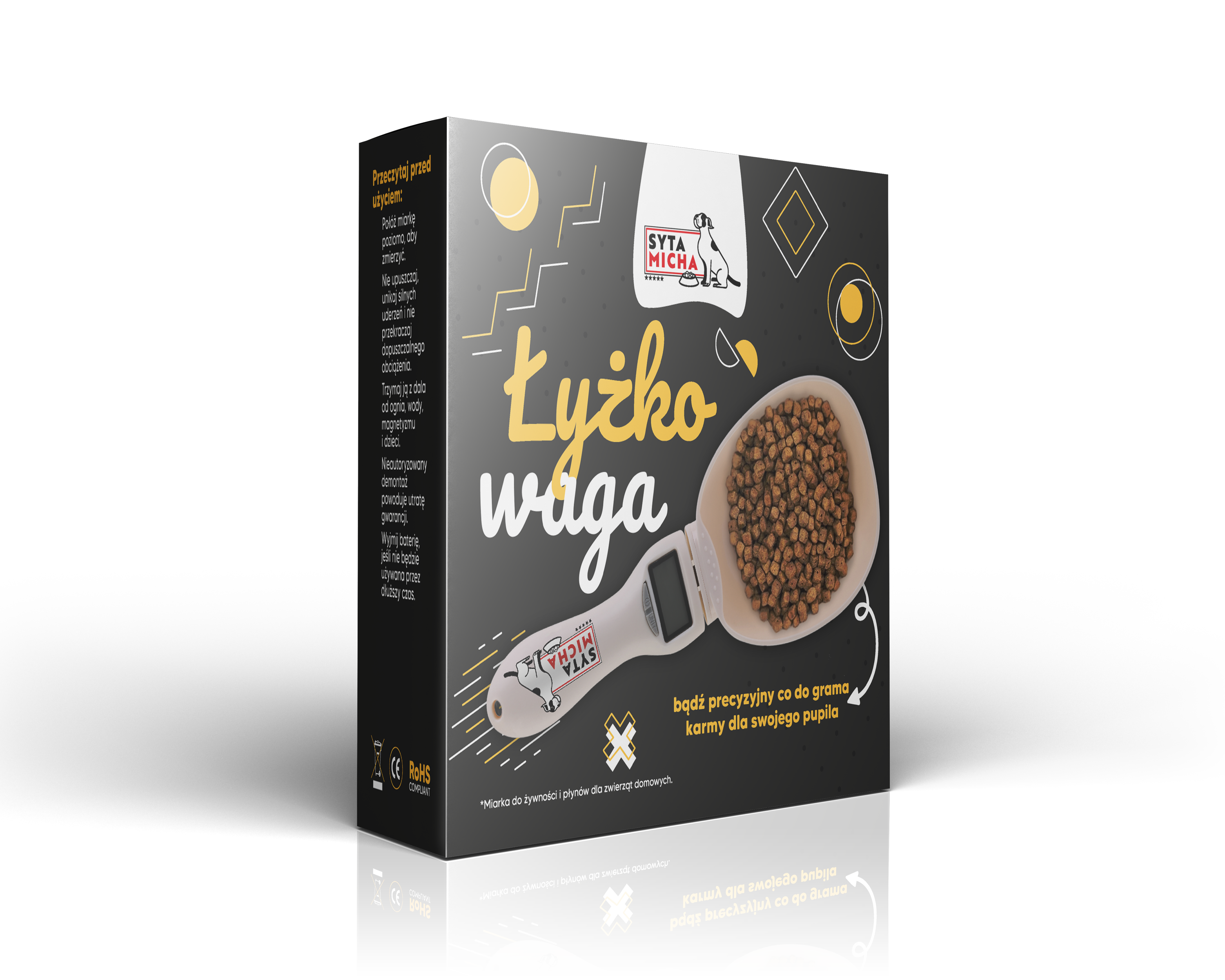
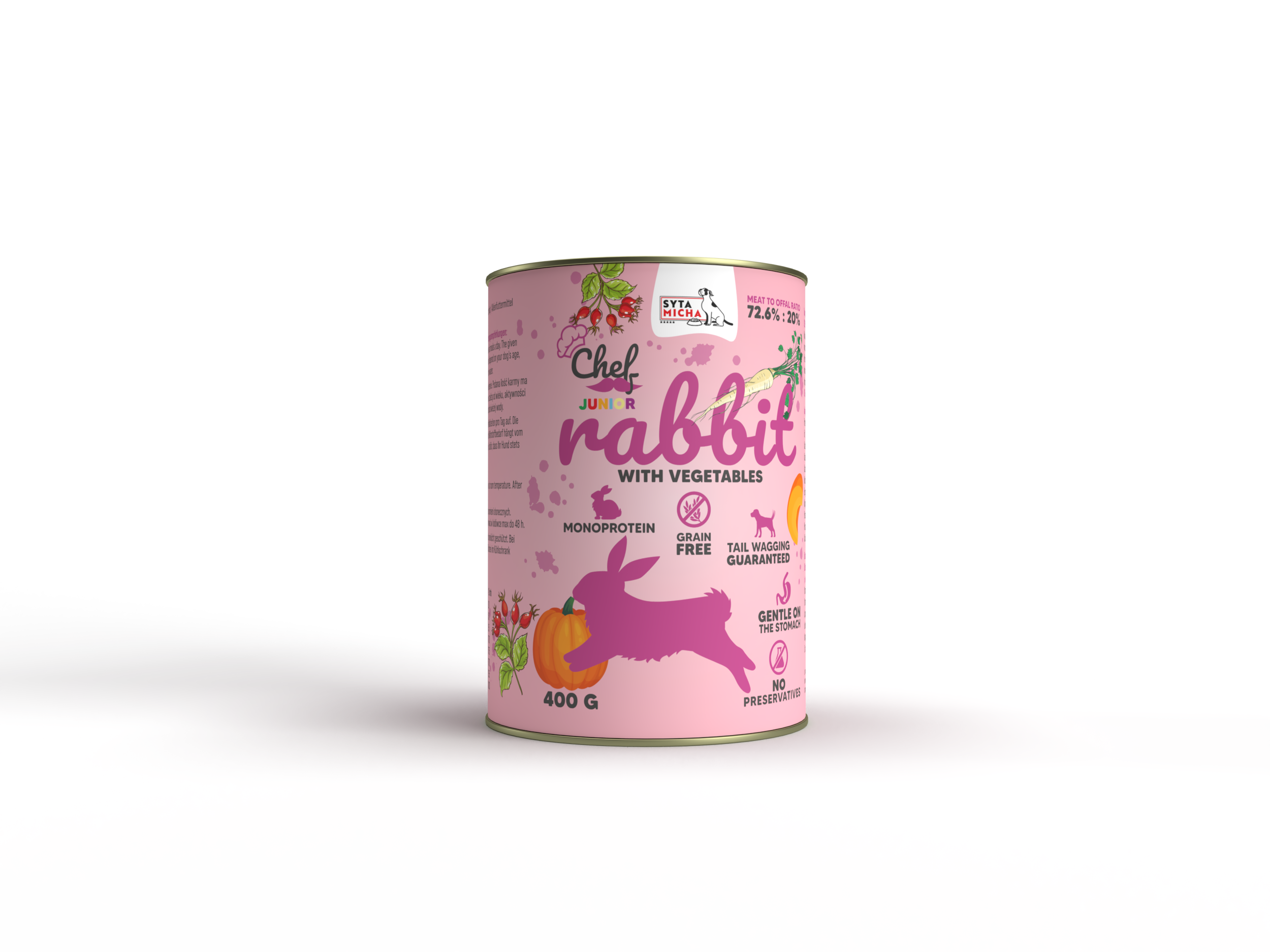
With a young dog, the biggest challenge is usually not choosing the food but the pace of change: the portion grows with the dog, so it's worth weighing it. If your puppy eats reluctantly, moistening the kibble helps, for example with bone broth for dogs or plain warm water. Another option is mixed feeding, where part of the daily ration is wet dog food in the JUNIOR version.
How much should a dog drink on dry dog food?
On dry dog food, water from the bowl becomes the only real source of fluid, because the food itself contains almost none. That doesn't make it worse, but it does mean fresh water within your dog's reach all day.
Some owners solve this with mixed feeding: kibble in the morning, wet food in the evening. Others pour broth or water over the portion a few minutes before serving, which softens the kibble and boosts the aroma. The latter is often decisive for older dogs who need easier chewing, and for dogs who need an easily digestible diet.