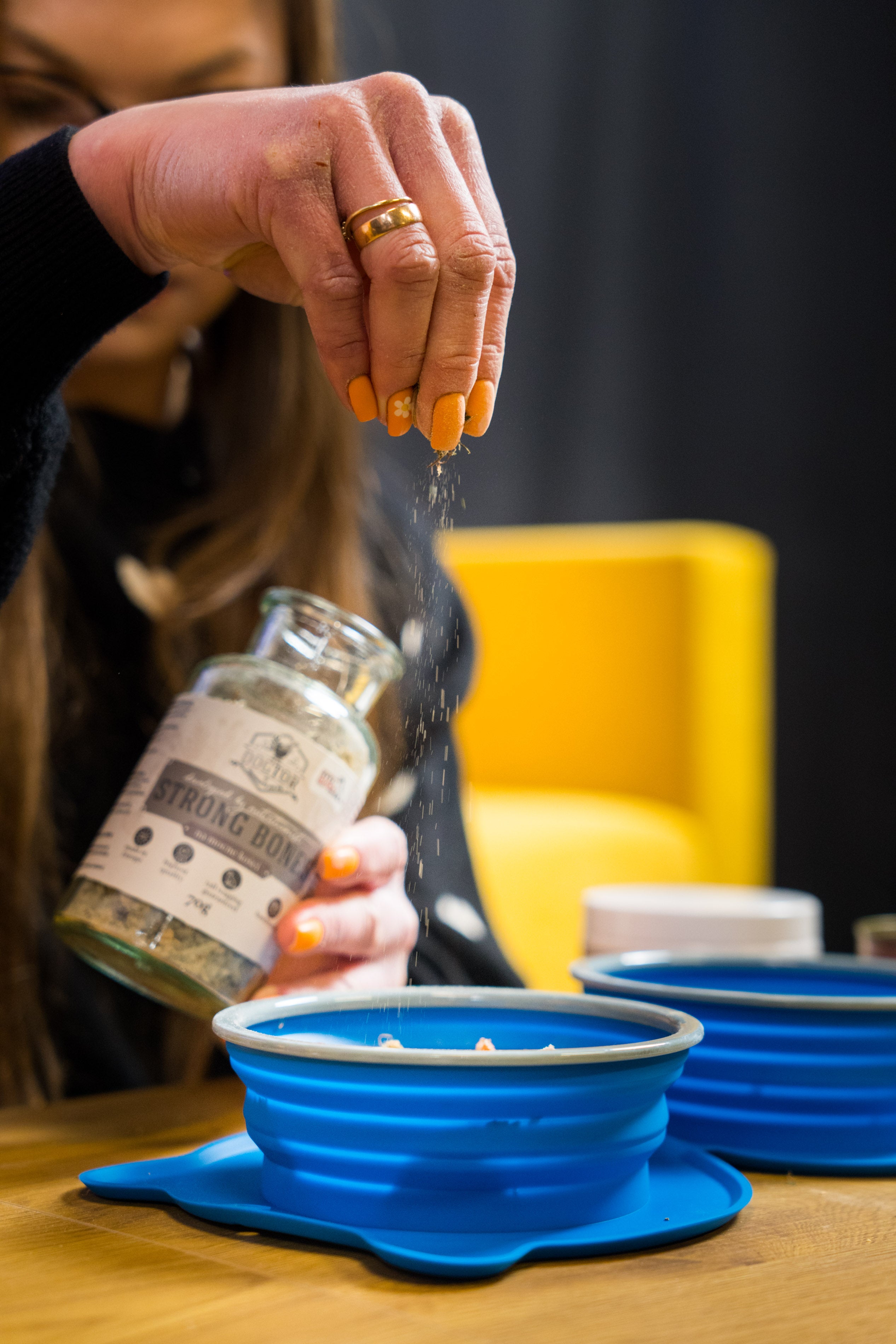
Articular cartilage has no blood supply of its own and regenerates very poorly, while active and working dogs put it under heavy load. Glucosamine supports the synthesis of cartilage components, and chondroitin limits its breakdown and improves the properties of synovial fluid. They do the most good when given preventively, before the dog starts to limp.
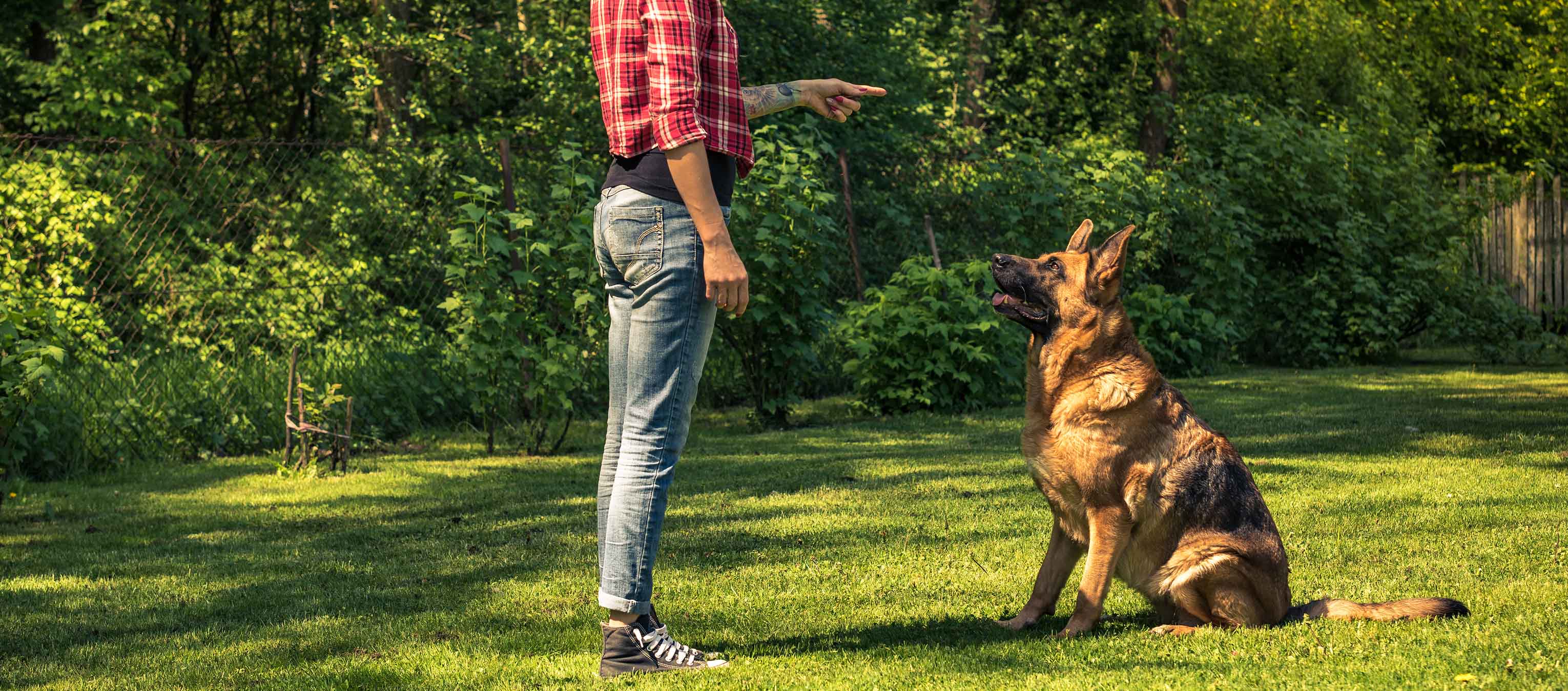
Imagine a therapy dog lying perfectly still for 20 minutes next to a child in a wheelchair. A static position, tense muscles, no chance to shift - for the joints, that is a real load. The same goes for sporting dogs, rescue dogs and simply active dogs that cover miles of varied terrain every day.
Joint problems are one of the most common reasons working dogs end their careers. The good news: you can look after the joints preventively from the first years of a dog’s life, and chondroprotectives - glucosamine and chondroitin - play an important role here.
Why the joints of a working dog are especially at risk
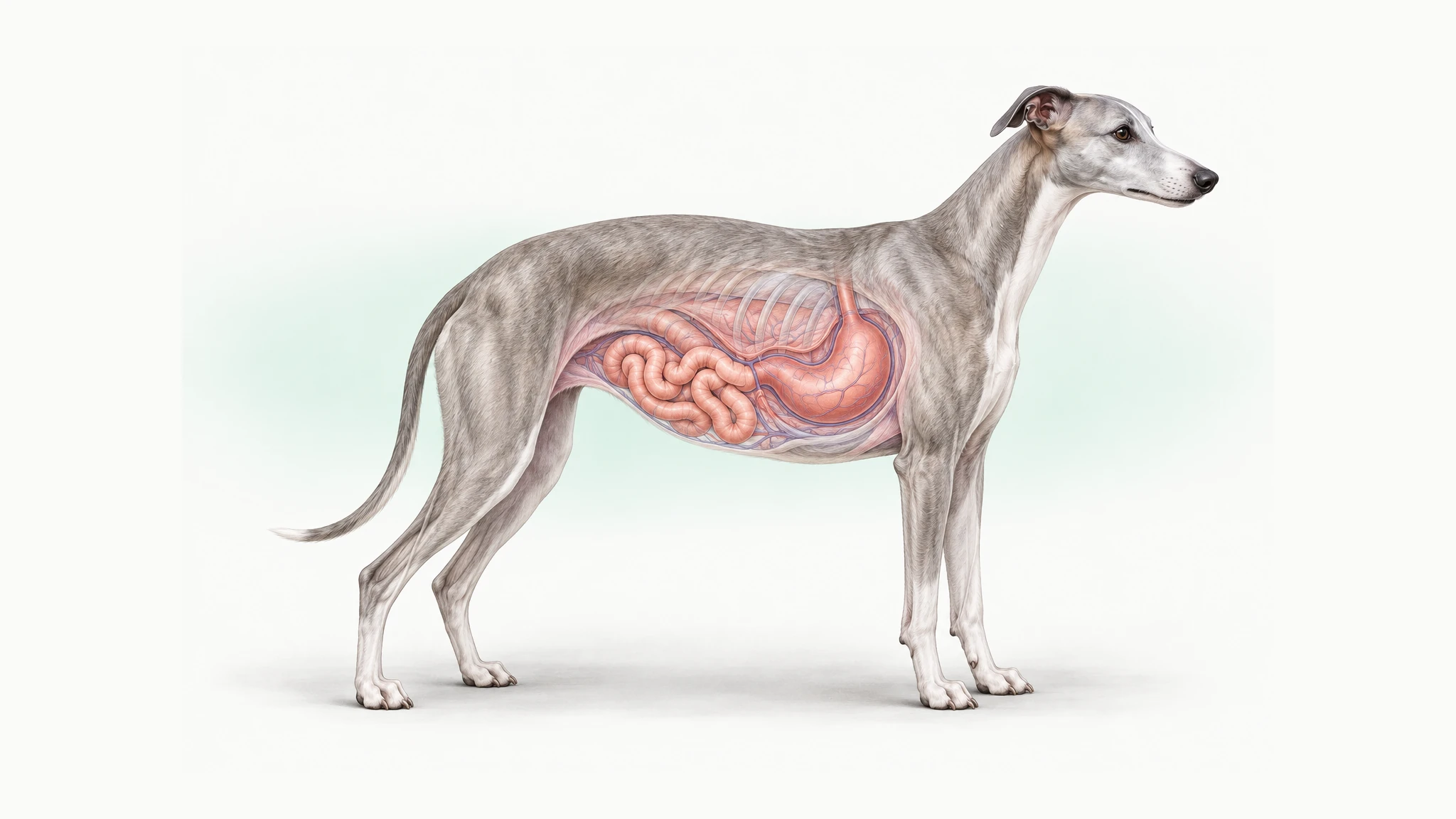
A joint is a complex structure: bones, articular cartilage, synovial fluid, ligaments and tendons have to work together precisely. Cartilage acts as a shock absorber, and synovial fluid lubricates and nourishes the tissues. The problem is that cartilage has no blood supply of its own - it is nourished only by diffusion from the synovial fluid, and its ability to regenerate is very limited.
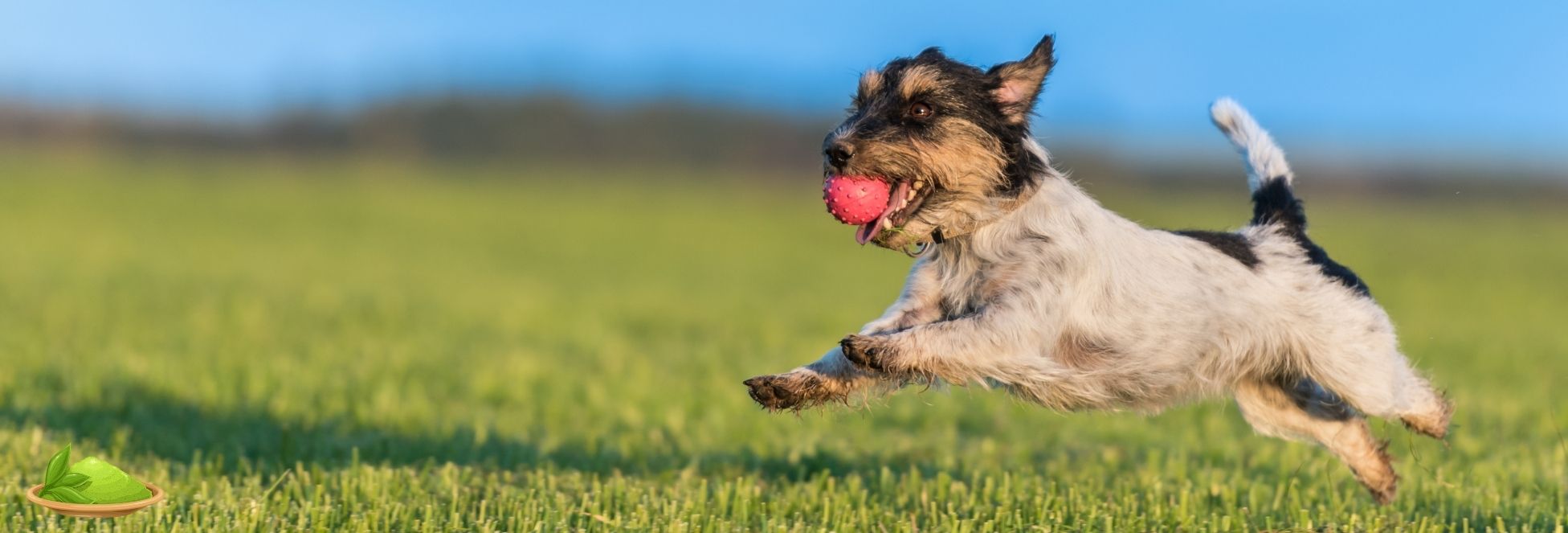
Active and working dogs put heavy loads on their joints. Jumps, sudden braking, hours-long walks and long static positions lead to micro-injuries of the cartilage. Over time these can build up into more serious changes, such as degenerative joint disease or recurring inflammation.
What chondroprotectives are and how they work
Chondroprotectives are substances that support the protection and metabolism of articular cartilage. The two most important are glucosamine and chondroitin.
Glucosamine
It is a natural component of cartilage and synovial fluid. It is the raw material for the synthesis of glycosaminoglycans, key components of the cartilage matrix. Given as a supplement, it supports the production of proteoglycans, which are responsible for the elasticity and strength of the tissue, and may ease the processes that break it down.
Chondroitin
It works together with glucosamine. It inhibits the enzymes that break down the cartilage matrix and improves the properties of synovial fluid - increasing its viscosity and shock-absorbing capacity. Together, the two substances support the joint from within and may slow its further wear.
When to start giving glucosamine and chondroitin
The most common mistake owners make is starting supplementation only once the dog is already limping. Chondroprotectives work above all preventively - their potential is greatest while the cartilage is still in good condition. When there is clear pain, the changes in the joint are usually advanced and harder to reverse. Supplementation still makes sense then, but its effect is smaller.
Supplementation is worth considering for:
- breeds predisposed to dysplasia (shepherds, Labradors, Golden Retrievers, giant breeds) - from around 12 months of age,
- active and working dogs - from the start of intensive training,
- dogs after joint injuries - as part of supporting rehabilitation,
- seniors over 7 years of age - preventively, before symptoms appear.
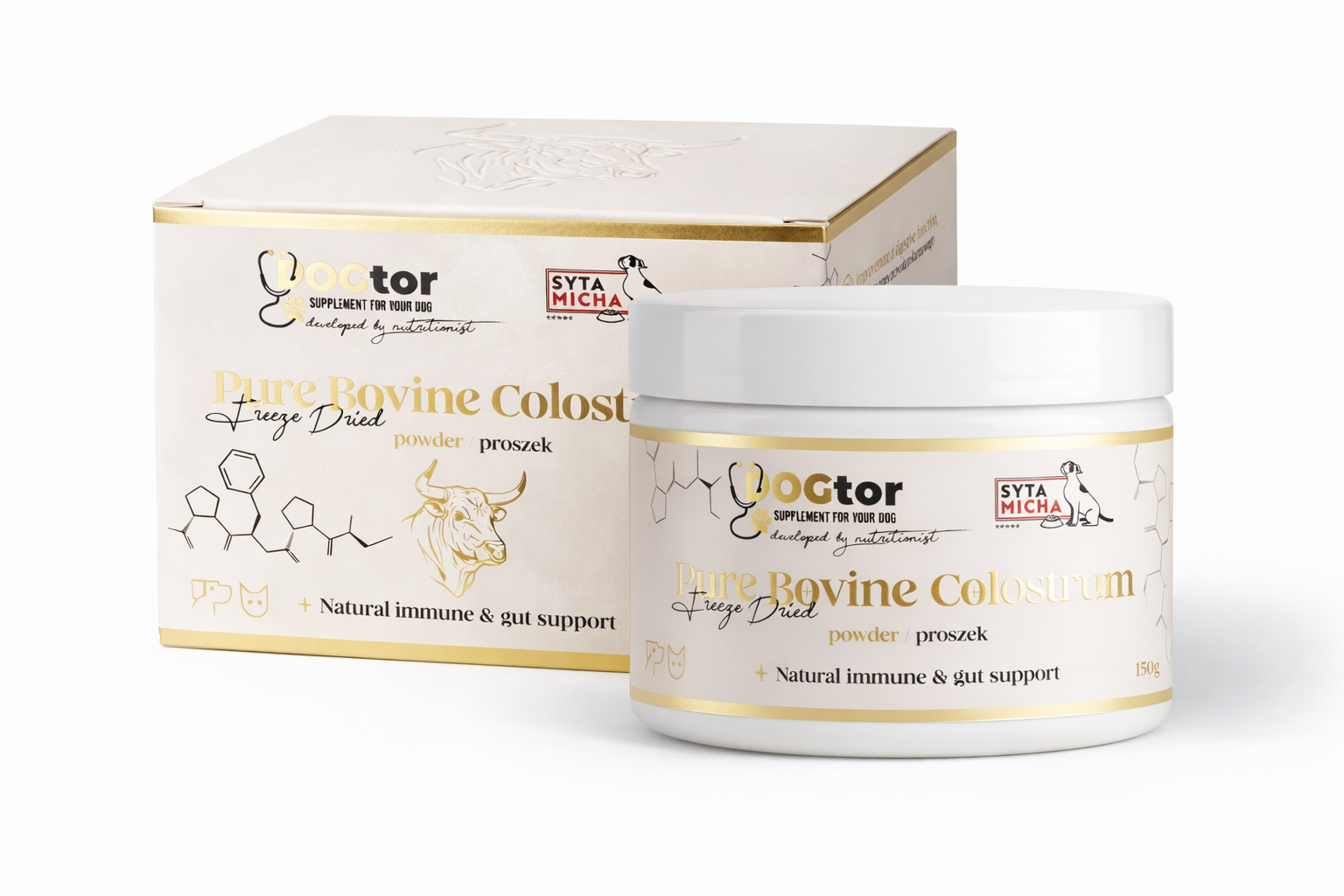
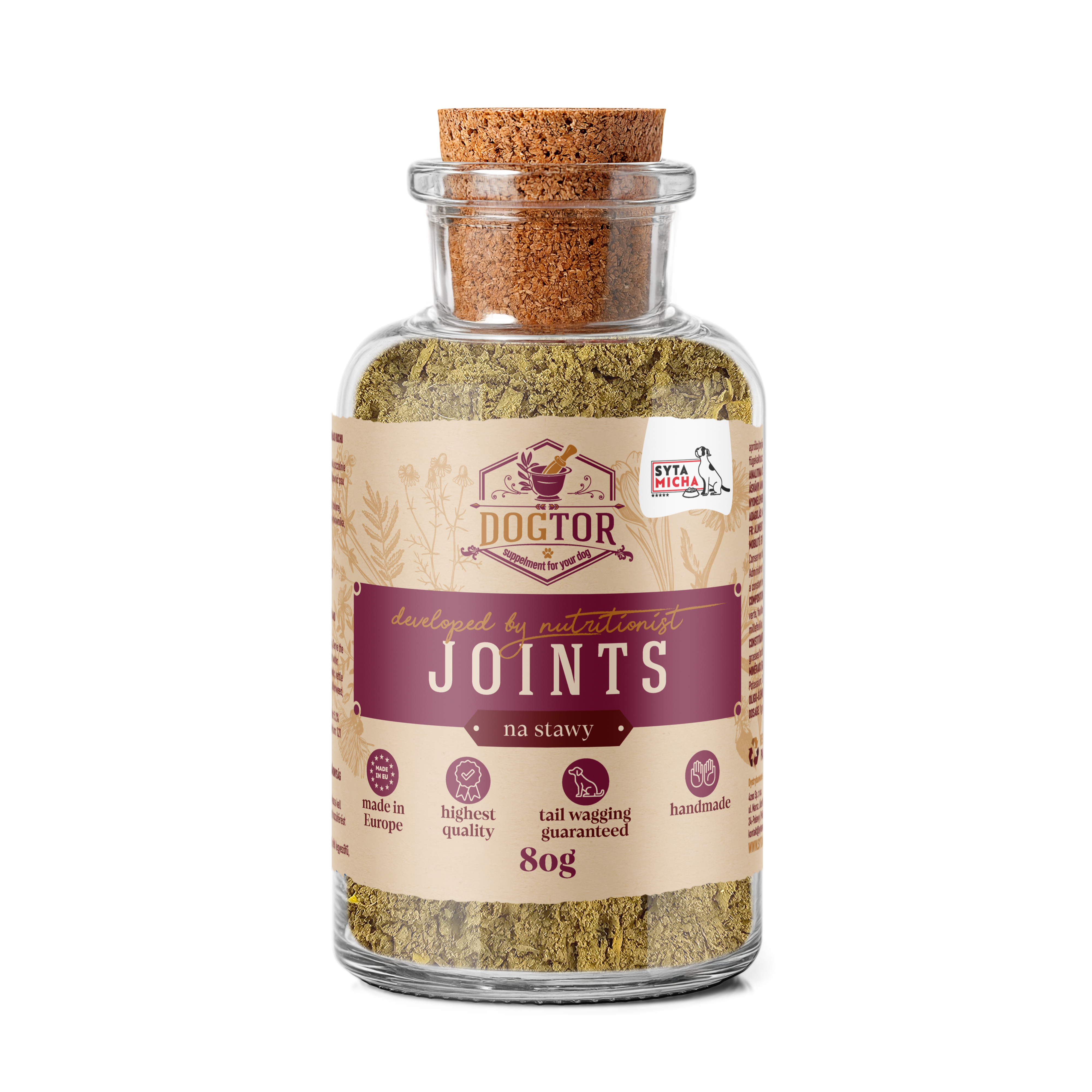 Syta Micha DOGTOR for joints 80g · 69,90 zł
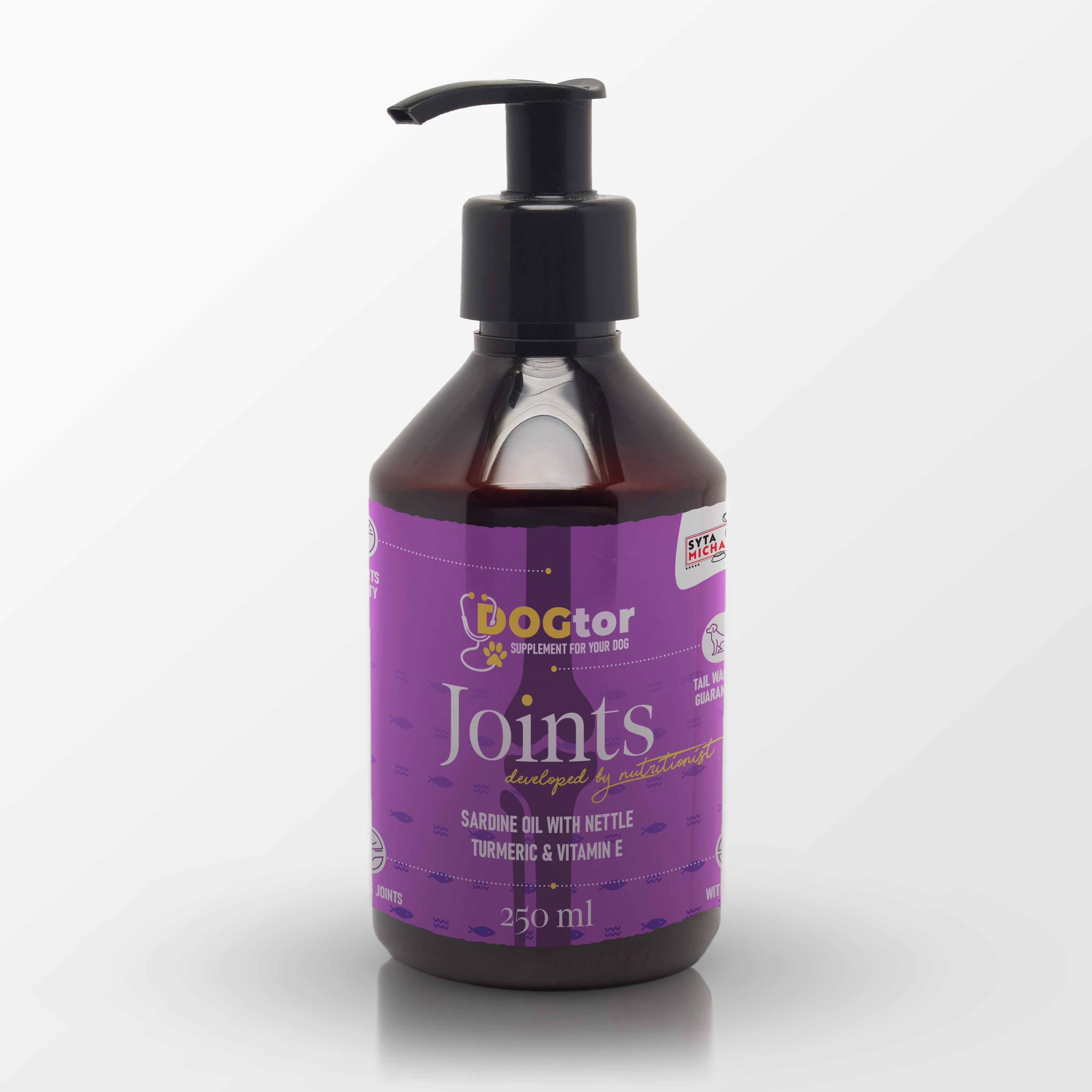 Syta Micha Joints oil for dogs 250ml · 49,90 zł
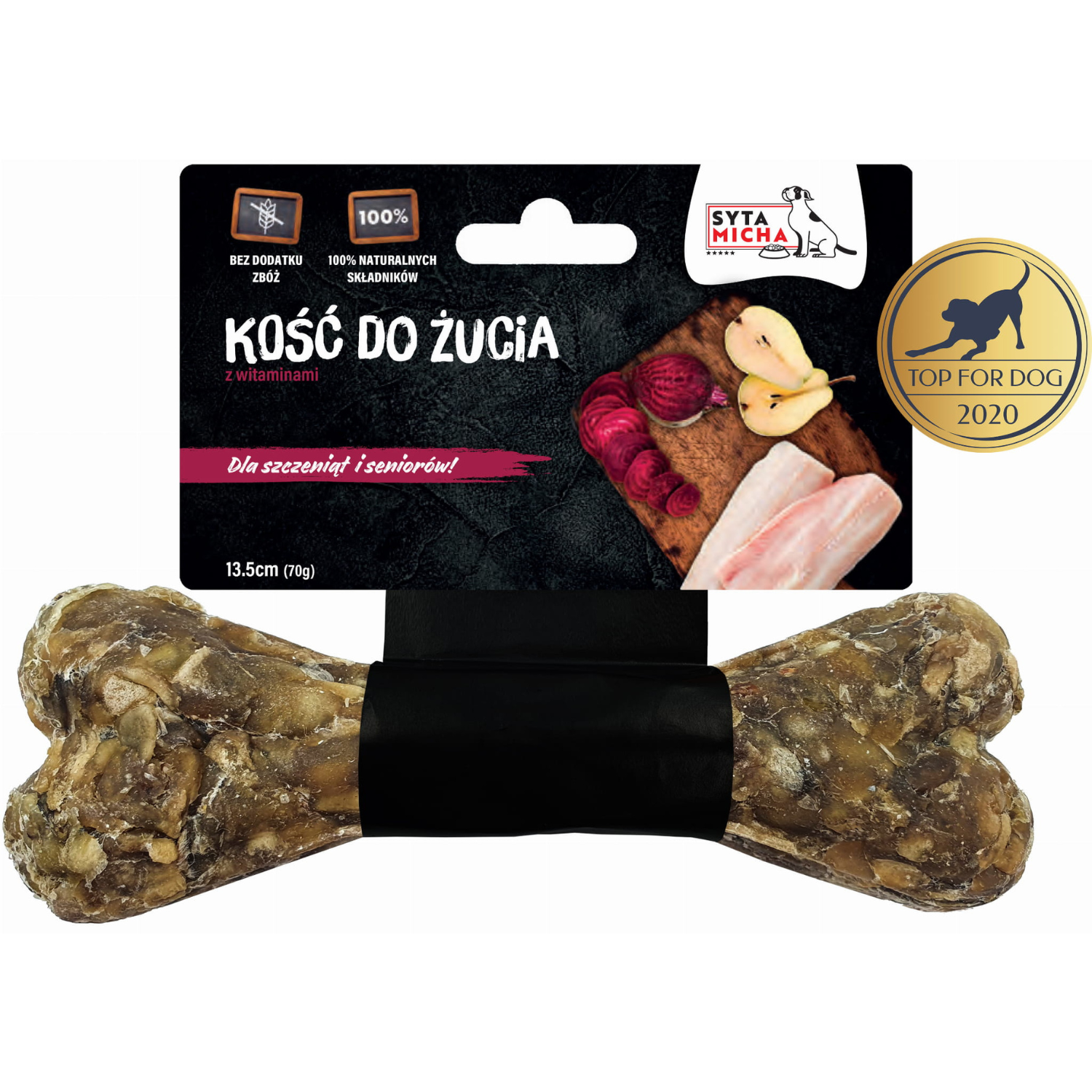
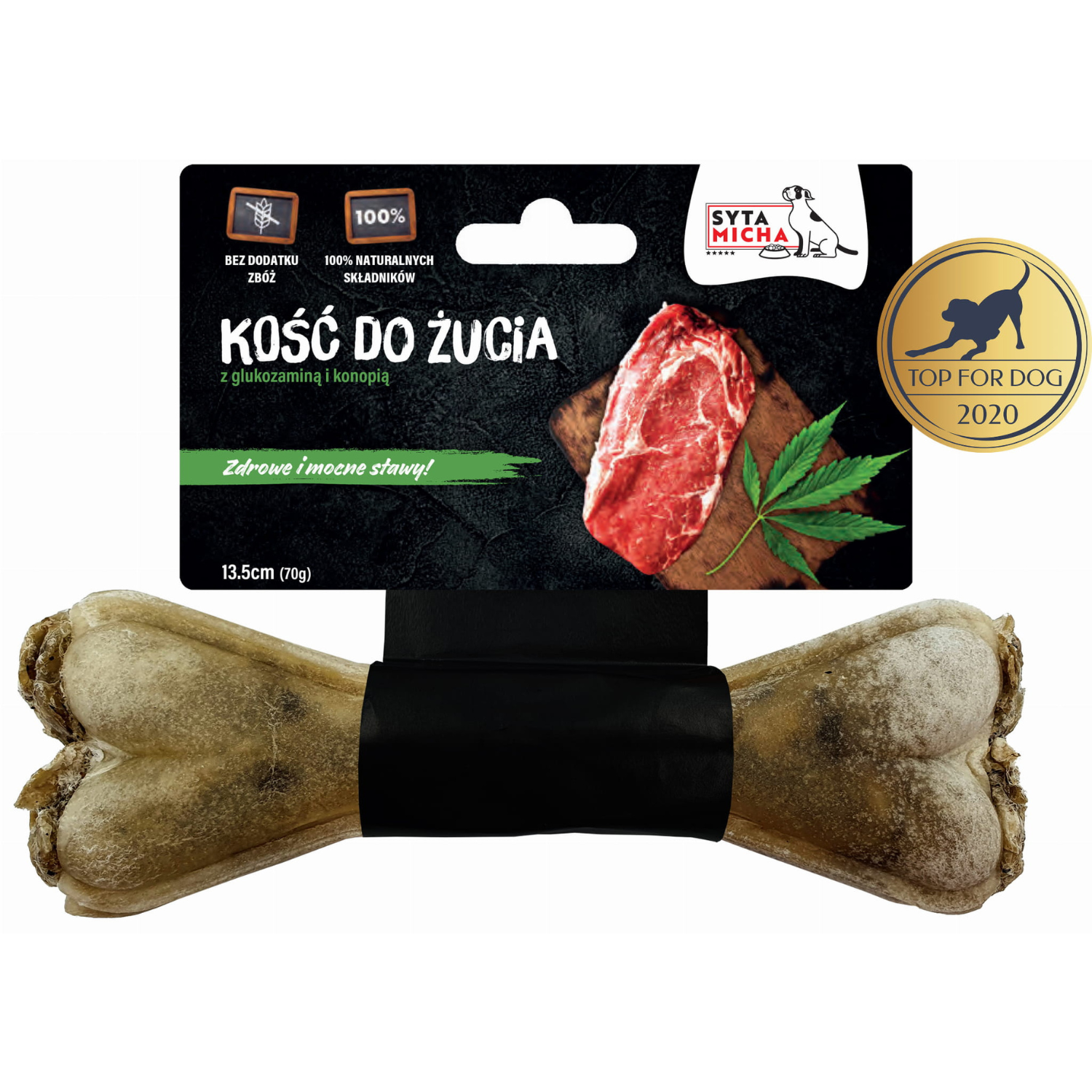 Dog chew bone for strong joints 13.5 cm · 12,49 zł
Does a joint supplement make sense for a healthy dog?
Yes. Articular cartilage wears slowly and painlessly for a long time. By the time the first symptoms appear, the changes are already significant, and cartilage, unlike bone or muscle, does not rebuild effectively.
Giving glucosamine and chondroitin regularly to a healthy, active dog is an investment that can help it stay mobile for longer, and help a working dog stay fit for work for more seasons.
How we support the joints of active dogs
Glucosamine (0.6%) and chondroitin (0.4%) are found in our chew bone for strong joints - together with hemp (2%). It is complemented by Joints oil (99% sardine oil, EPA 16.06%, DHA 11.12%) and the herbal DOGTOR for joints with devil’s claw and green-lipped mussel powder.
Key takeaways:
- A dog’s articular cartilage has very limited regenerative capacity, which is why prevention matters more than treatment.
- Glucosamine supports the synthesis of cartilage components, and chondroitin inhibits its enzymatic breakdown - they work together.
- The effect is greatest when you start supplementation before the first signs of pain.
- Active and working dogs and breeds predisposed to dysplasia are worth supplementing preventively.
Products mentioned
 You collect HAU DOLCE points for your purchases
Frequently asked questions
How do glucosamine and chondroitin work in dogs?
Glucosamine is the raw material for building cartilage components and supports the production of proteoglycans, which give cartilage its elasticity. Chondroitin inhibits the enzymes that break down cartilage and increases the viscosity of synovial fluid, and the two substances work together.
When should I start giving my dog a joint supplement?
Ideally before symptoms appear: in breeds predisposed to dysplasia from around 12 months of age, in active dogs from the start of intensive training, in seniors over 7 years of age and in dogs after joint injuries.
Do joint supplements make sense once a dog is already limping?
Yes, but they are less effective then, because the changes in the joint are usually already advanced. Chondroprotectives work best preventively.
Why do working dogs’ joints wear out faster?
Jumps, sudden braking, hours-long walks and long static positions cause micro-injuries to the cartilage. Over time they can lead to degenerative joint disease and recurring inflammation.