 HAU DOLCE
Welcome back 🐾
Sign in to your Syta Micha account
Popular searches
Categories
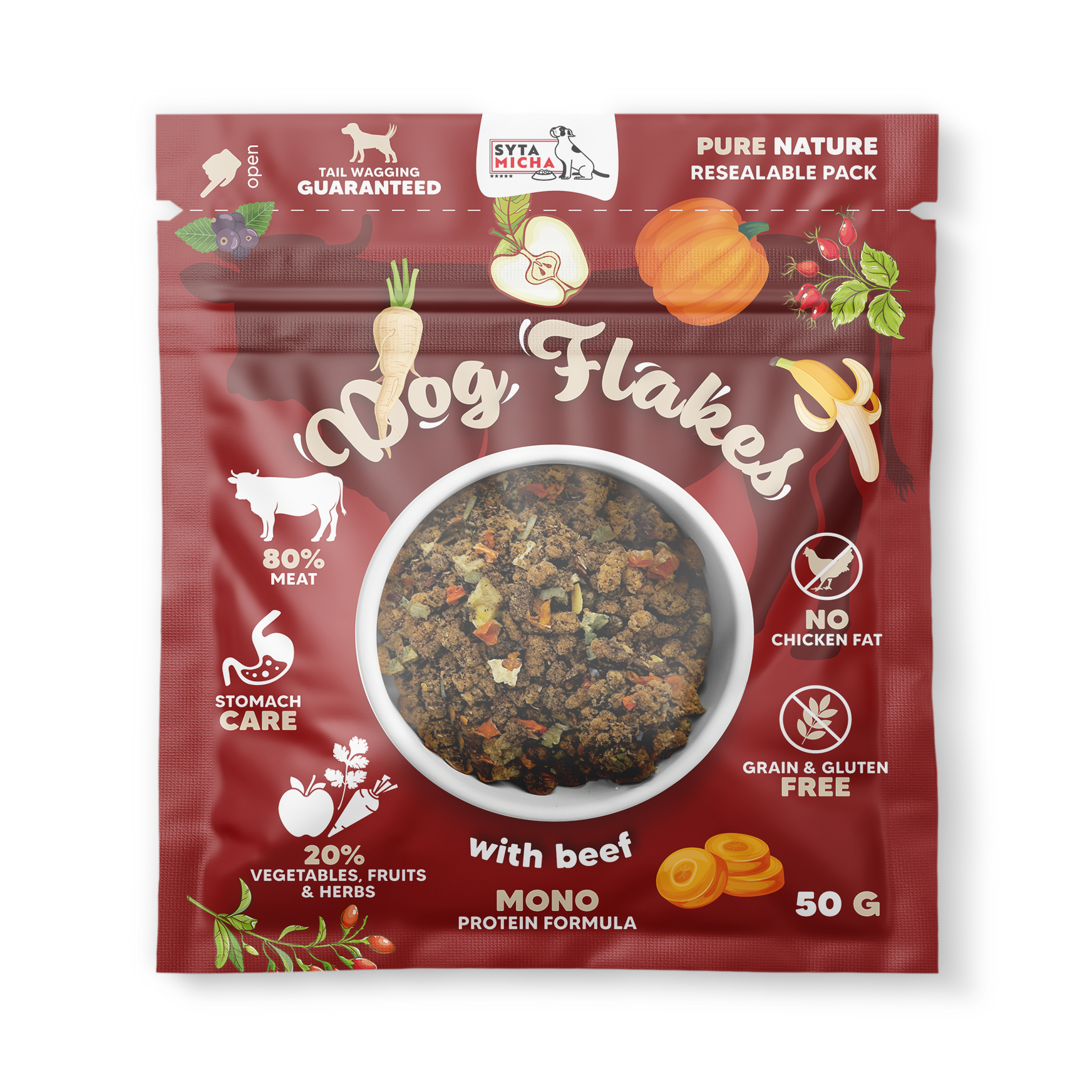
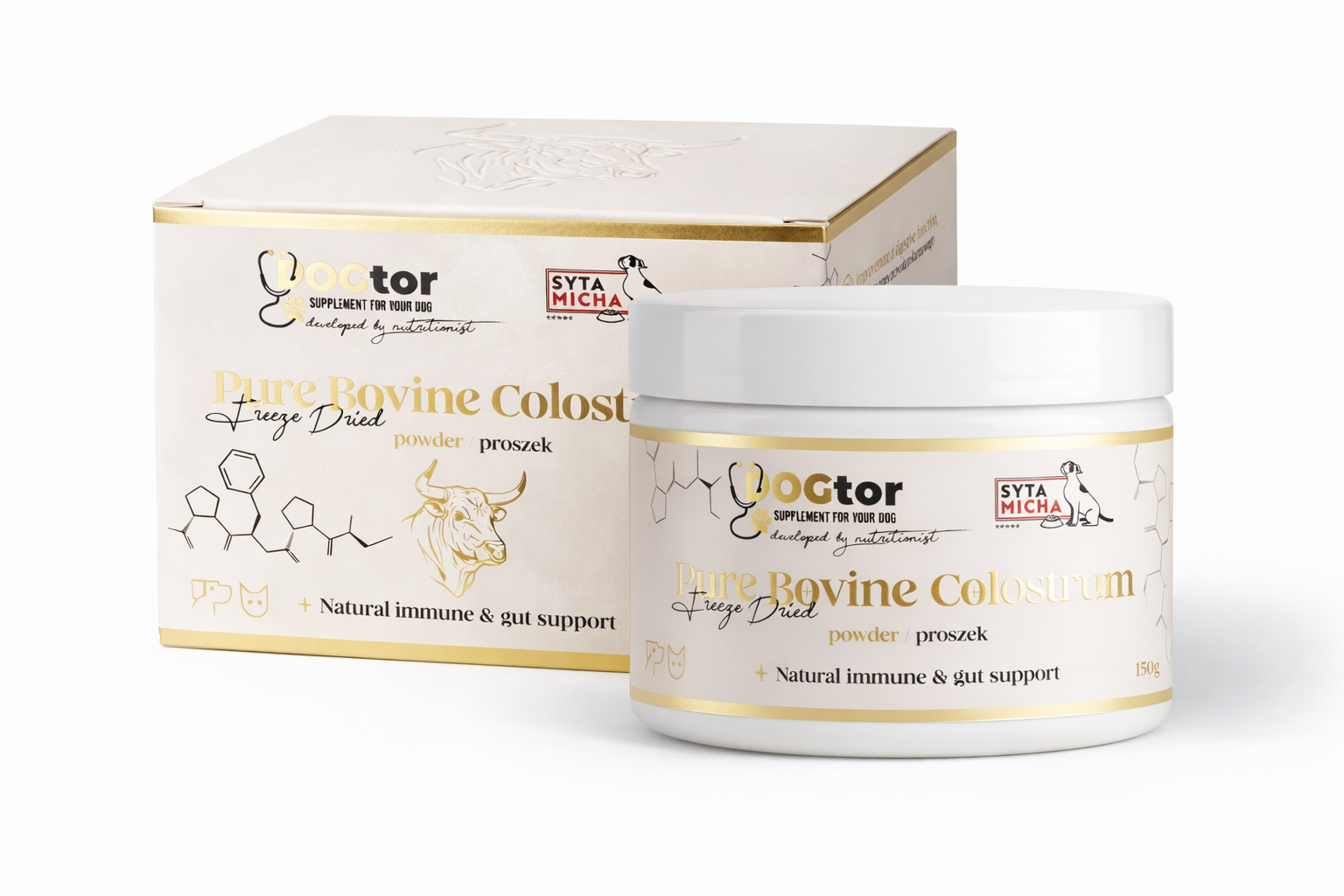
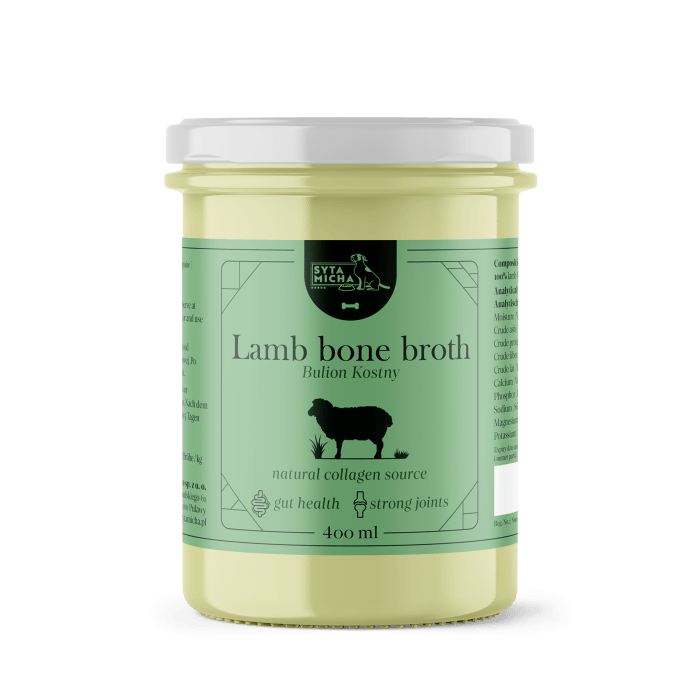
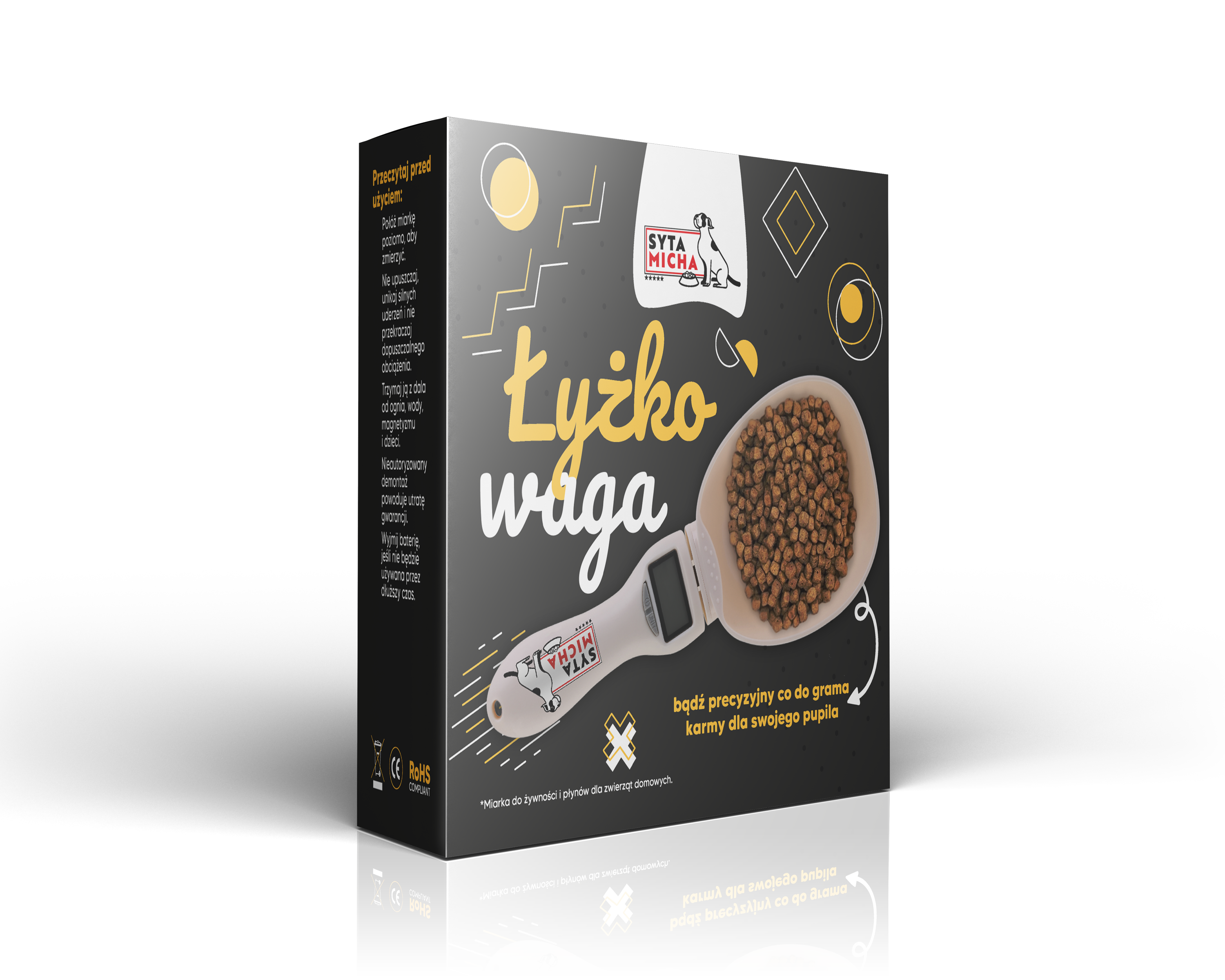
Recommended products
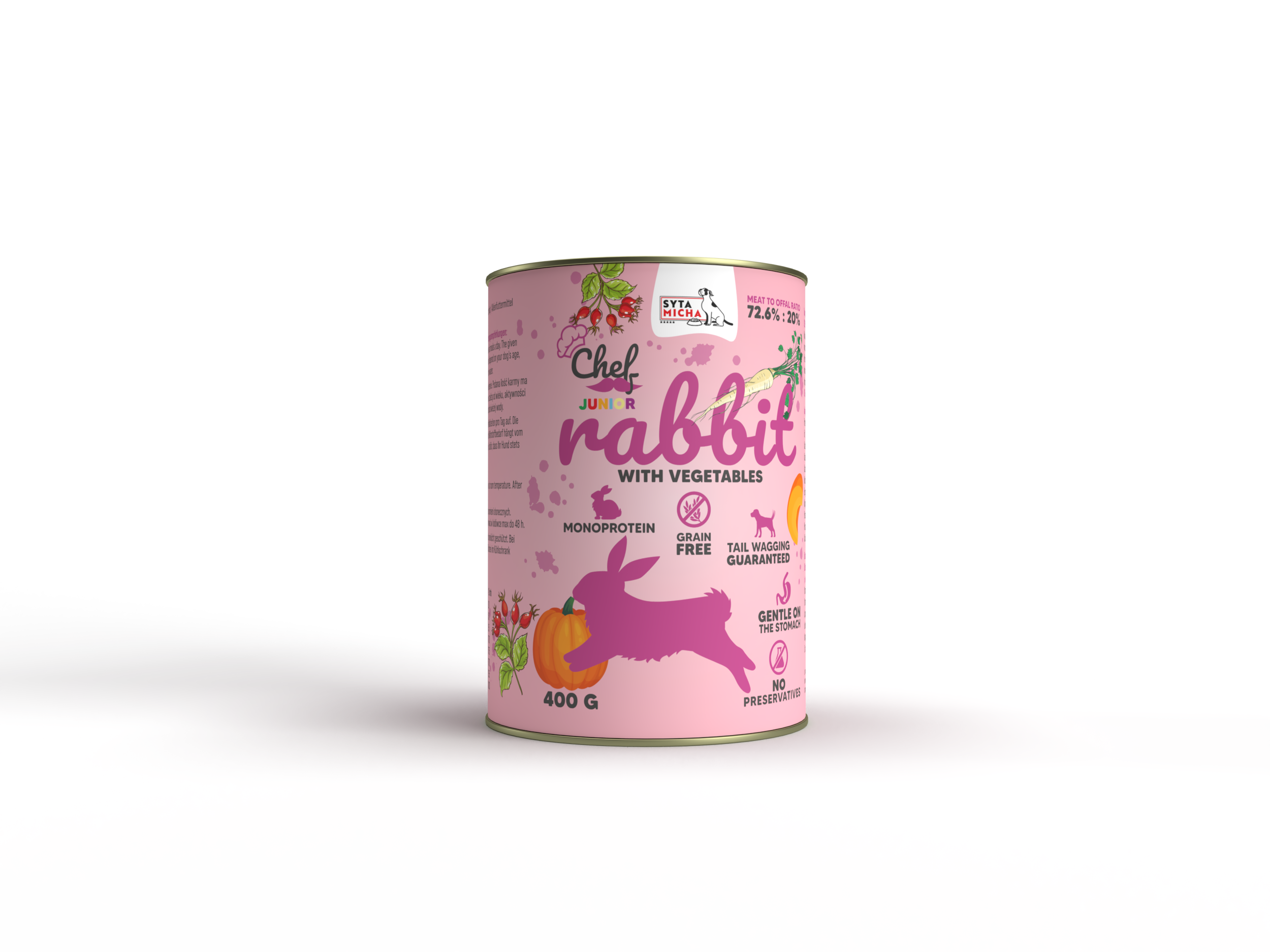
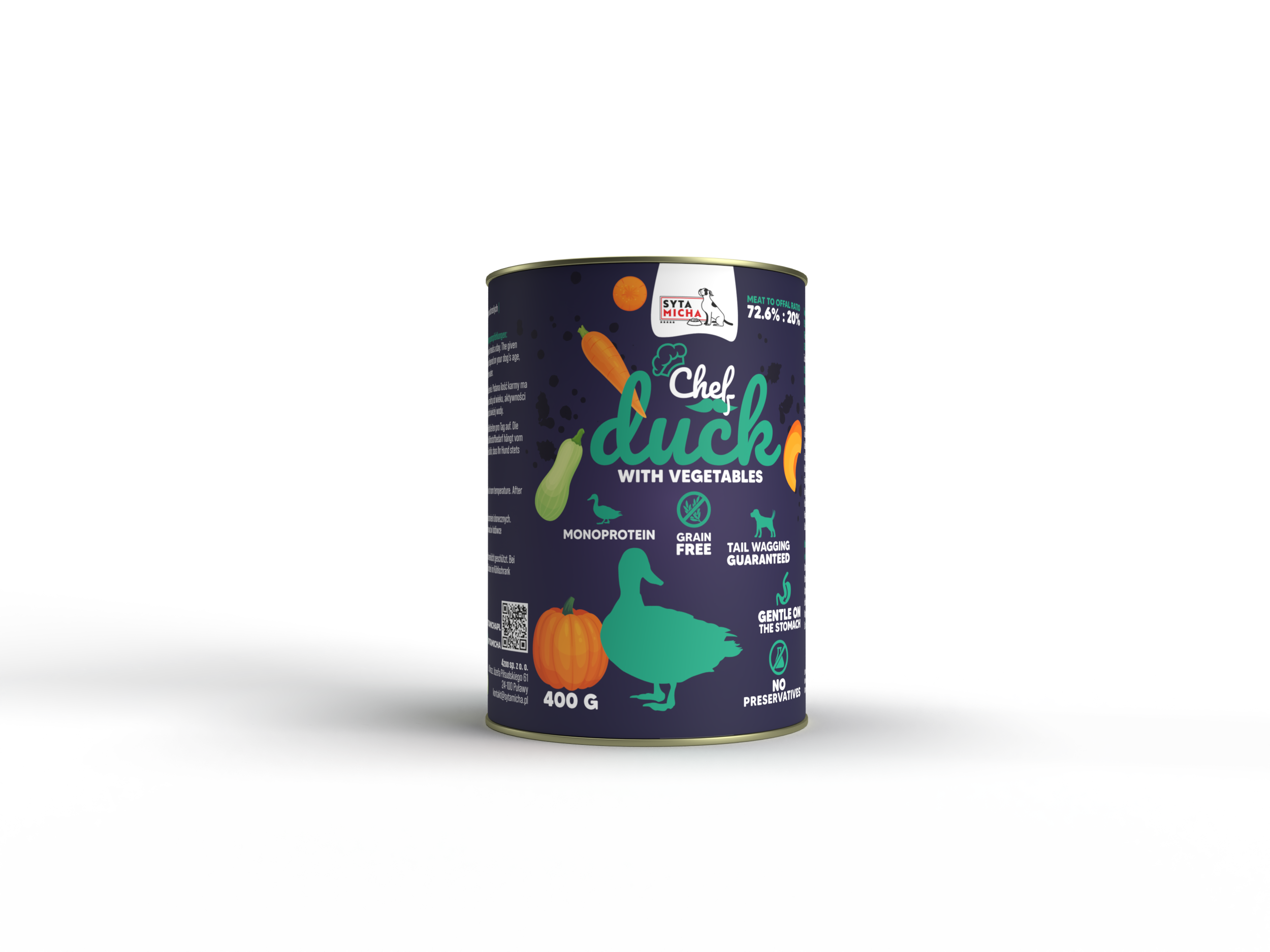
Wet dog food
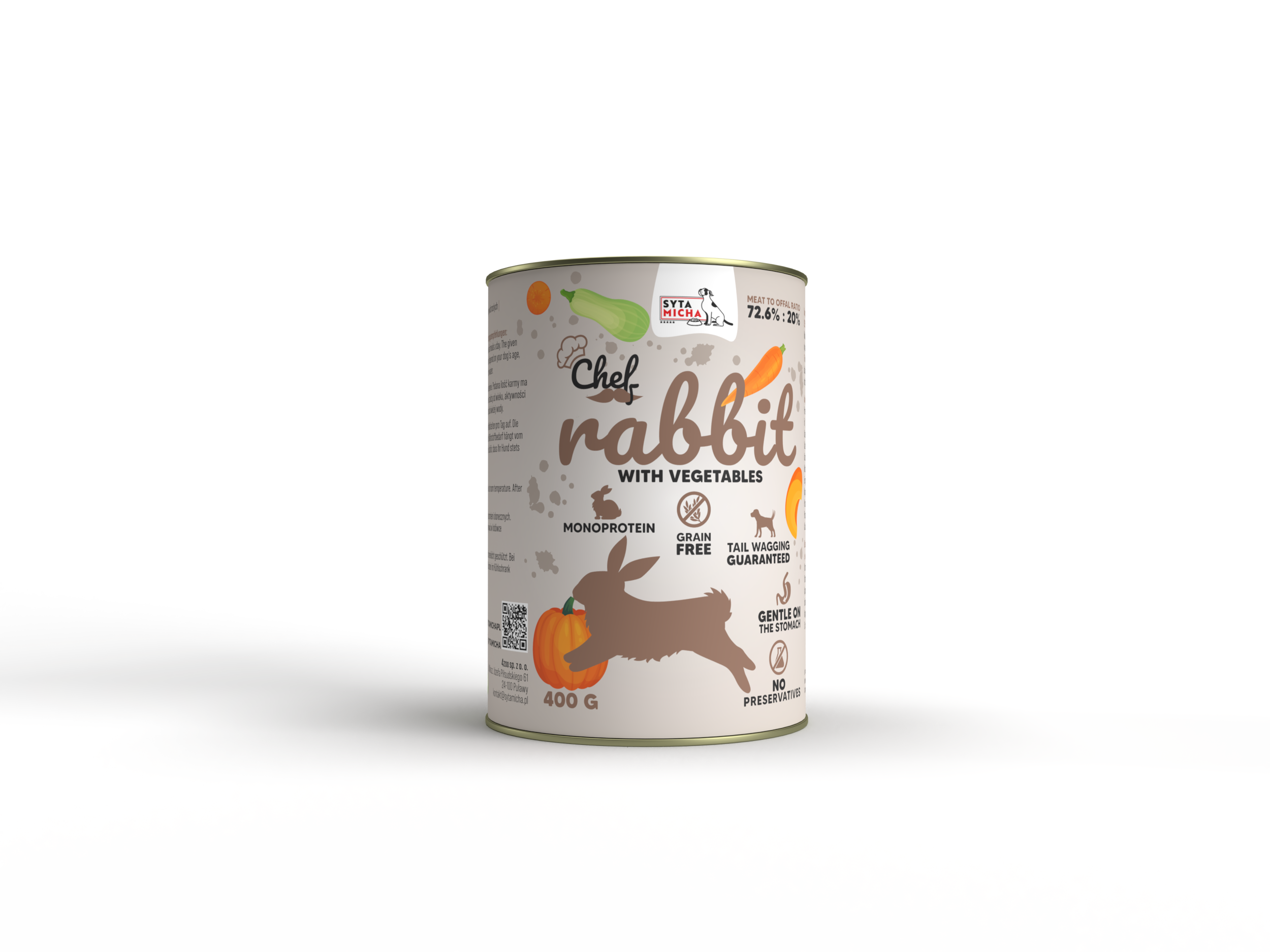
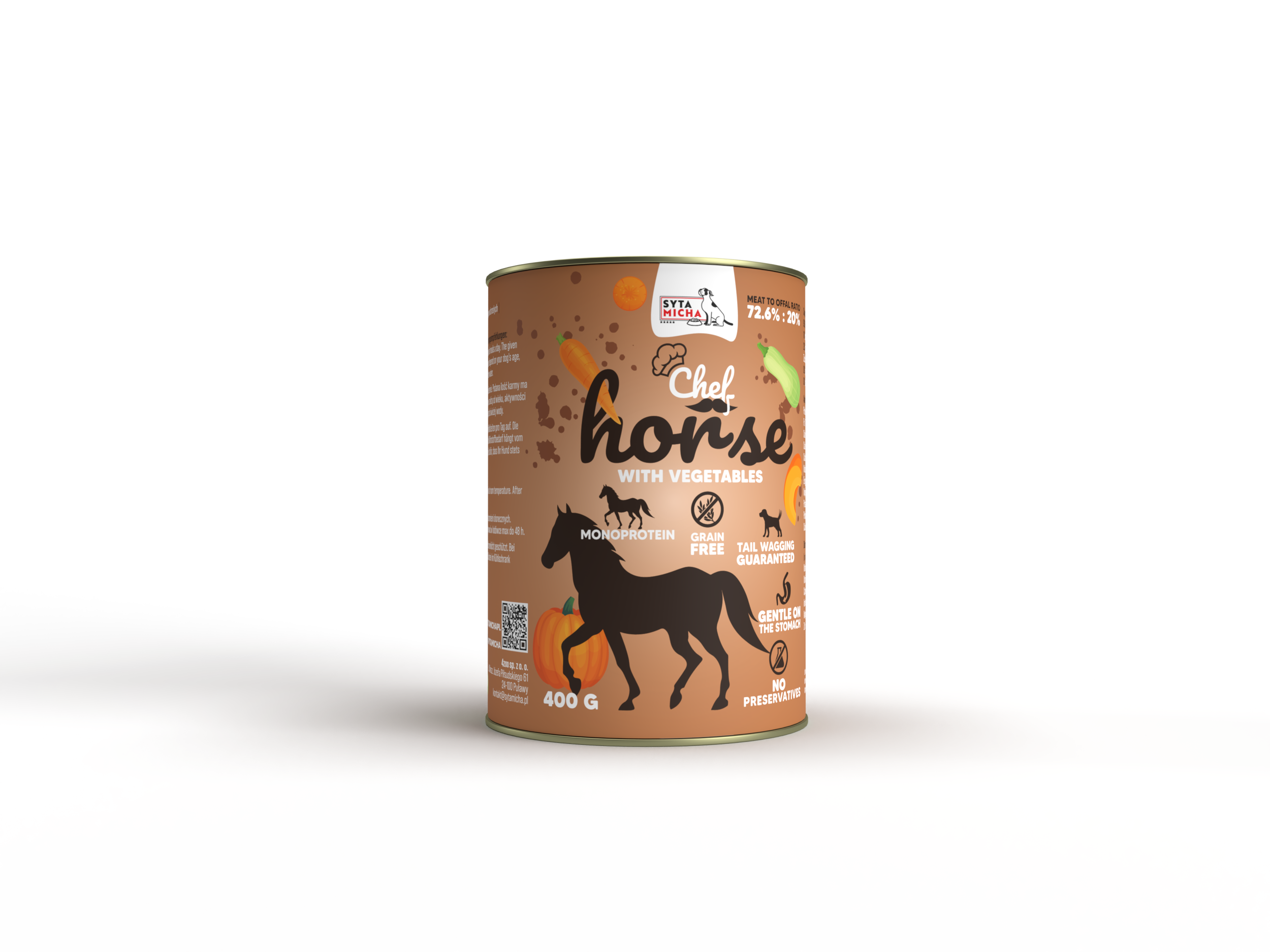
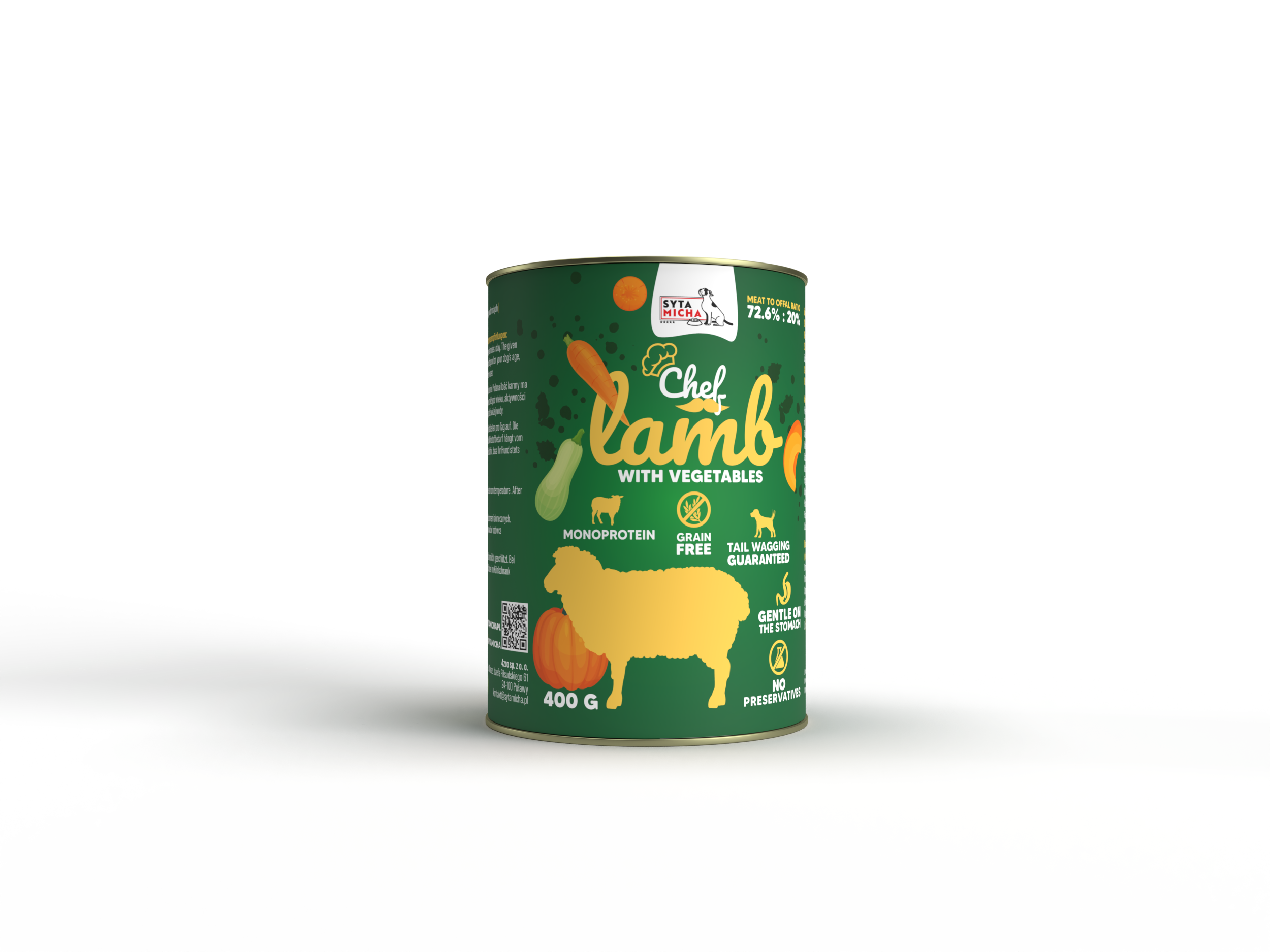
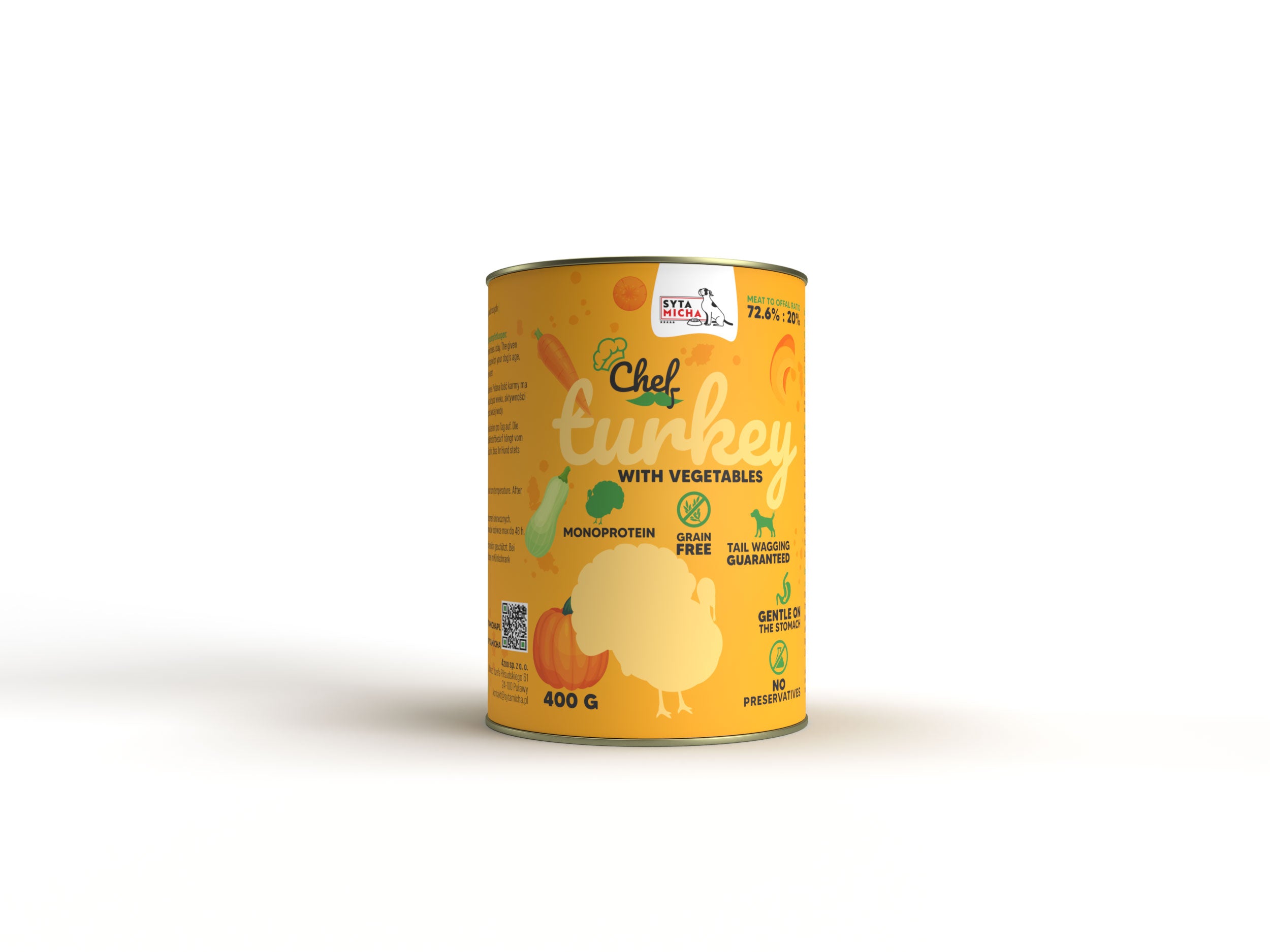
Our wet dog food is built around one rule: one animal protein per tin, vegetables and nothing more. You can choose from veal, lamb, turkey, duck, pork, goat, rabbit, horse, deer and pheasant, in 200 g and 400 g tins. Some flavours also come in a JUNIOR version, made for young dogs. No recipe contains grains, sugar, colourings or plant additives pretending to be meat. Below I explain why one protein matters, how to choose the tin size and how the JUNIOR line differs.


Which wet dog food should you start with?
The easiest way to choose your first wet dog food is by a protein your dog already knows and tolerates well. A tin of turkey, veal or lamb is the most widely accepted, so it's a safe starting point, especially when you're switching from dry food.
If, on the other hand, you're looking for something your dog hasn't eaten yet, reach for horse, deer, goat or pheasant. These proteins rarely appear in a dog's diet, so they're often chosen when you want to limit the ingredient list or simply break the monotony in the bowl.
- Everyday flavours: turkey, veal, lamb, duck, pork.
- Rarer proteins: horse, deer, goat, rabbit, pheasant.
- JUNIOR versions: veal, lamb, rabbit and turkey, for young dogs.
- Two sizes: 200 g and 400 g tins, the same recipe in both.
Single-protein dog food: why one protein
Single-protein dog food has one practical advantage that has nothing to do with fashion. Single-protein dog food lets you work out what didn't agree with your dog: if the reaction to one animal ingredient is bad, you know exactly what to drop.
With food containing several types of meat, you won't get that information. That's why one protein is the rule across our whole wet range, not a feature of individual tins. If you're running a diet with a short ingredient list, the entry hypoallergenic dog food will also be useful. It's also worth knowing that on every product page the analytical constituents can be switched to dry matter values, which lets you compare a tin with kibble fairly.
Dog food tins: 200 g or 400 g?
Our dog food tins have the same recipe in both sizes, so the choice is purely about convenience. 200 g dog food tins suit small dogs and dogs on mixed feeding, where wet food makes up only part of the daily ration.
The 400 g version is better value for a medium or large dog and when you feed only wet food. Keep an opened tin in the fridge and take it out a dozen or so minutes before serving, because cold food smells much weaker, and aroma is the main argument for a fussy dog. If you're just starting out, a set of several flavours in the smaller tin will show you what your dog really prefers. With a large dog it's worth working out the cost of a day's feeding per gram, because the difference between sizes can be significant while the recipe stays the same. It's best to open the tin just before the meal and not transfer the contents to another container, so the food doesn't lose moisture.
Wet puppy food: the JUNIOR line
Our wet puppy food is the variants labelled JUNIOR. Wet puppy food has a different recipe from the adult versions and is available in veal, lamb, rabbit and turkey, in 200 g and 400 g tins.
Young dogs eat more often and in smaller portions, so the 200 g tin is often more practical to start with. If your puppy is just switching from dry food, introduce wet food gradually, mixing one with the other. When combining both forms, dry dog food works well as the base of the day, with rabbit with vegetables JUNIOR as the gentlest of the meat variants.