
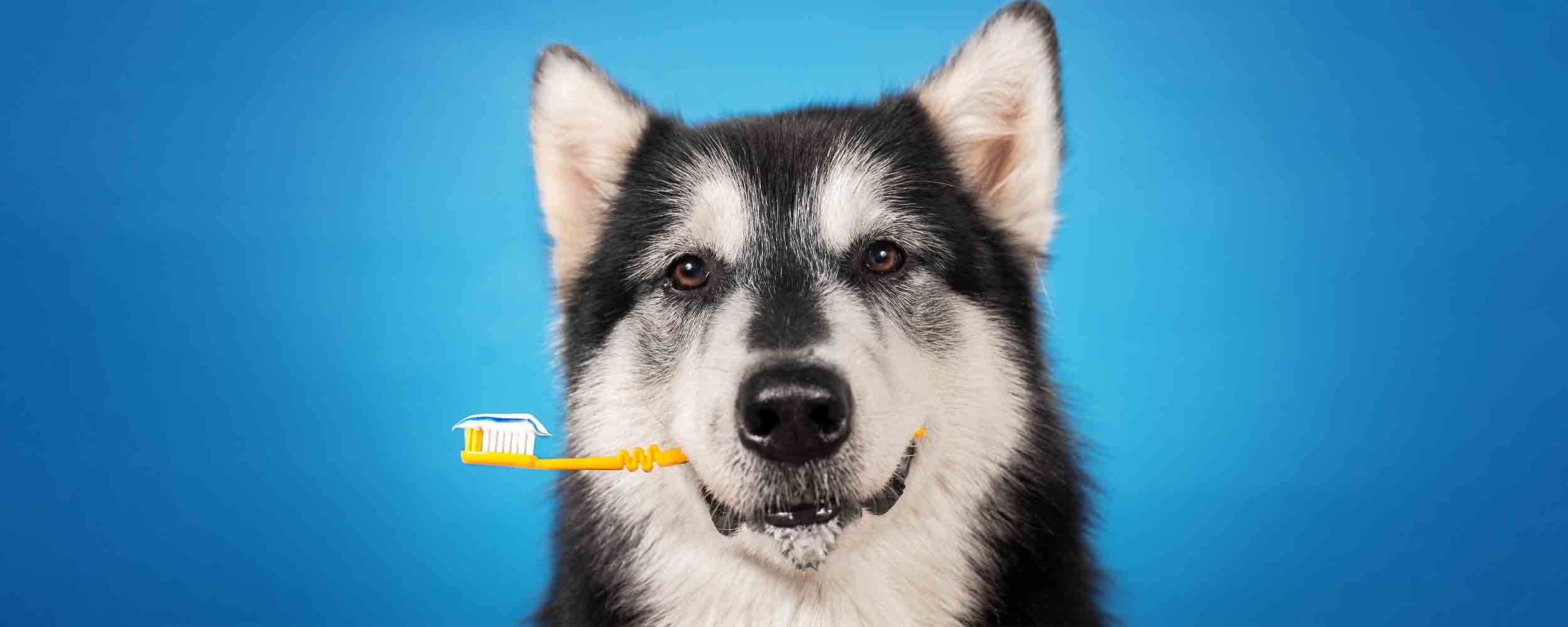
Periodontal diseases are one of the most common reasons for visits to the vet, and bad breath is often their first sign. Plaque turns into tartar, which keeps the inflammation going. Regular brushing, the right diet, hard chews and oral hygiene products help.
An unpleasant smell from a dog’s or cat’s mouth is common, and not only in older animals. The mouth is very often overlooked in everyday care, so we only react when a bad smell or periodontal disease appears. Neglect of the mouth is one of the most common reasons for visits to the vet - the problem affects more than 80% of dogs and cats.
Bad breath can be brought under control fairly easily, but long-term neglect ends in a costly procedure to remove tartar, which forms from plaque calcified by saliva.

Halitosis, or where bad breath comes from
Halitosis is one of the symptoms and one of the causes of periodontal disease. The name comes from the Latin ‘halitus’ (breath) and the ending ‘-osis’ denoting a chronic disorder. It refers to a pathological condition in the mouth, and the unpleasant smell comes above all from the presence of volatile sulphur compounds.
Bad breath is estimated to be the third most common reason for visits to veterinary dentists. It is caused not only by a lack of hygiene, but also by age, breed and a genetic tendency to build up plaque.
Which animals are at risk of dental problems

Periodontal diseases are the most common oral problem in animals, and bad breath can have many causes. Small breeds with tightly packed teeth are predisposed, e.g. the Chihuahua, the Yorkshire Terrier and the Shih Tzu.
- A lack of check-ups and long-term neglect can, in extreme cases, lead to early tooth loss even in young animals, which makes eating harder and lowers quality of life.
- Abnormal tooth wear results from bite defects, which can be corrected with a dental brace. It is seen more often in animals on a raw diet.
- Tooth decay is less common in animals, but it can be caused by dried fruit (a source of simple sugars) and treats with added sugar.
A soft diet, plaque and tartar

A soft diet, i.e. wet or home-made food, encourages bacteria to build up in dental plaque. Periodontitis affects the tissues surrounding the tooth and is closely linked to gingivitis.
Without hygiene, plaque builds up first, usually on the canines, because that is where the salivary glands open. Then tartar forms, a breeding ground for bacteria that keeps the inflammation in the mouth going. Studies suggest that chronic inflammation of the mouth is linked to the animal’s general health.
Also make sure there is constant access to water - drinking after eating helps rinse away food residue.
When to take your pet to the vet
Changes in the mouth stay invisible for a long time. Warning signs are:
- unpleasant breath,
- tooth discolouration or darker spots,
- abnormal chewing, drooling or food falling out of the mouth,
- eating from the bowl more slowly,
- a weaker appetite or refusing food and treats.
Chews and green tea for fresh breath

There is a good reason why green tea goes into functional chew bones. In studies, adding an extract rich in tannins reduced the level of sulphur compounds in exhaled air and limited gingivitis in dogs and cats. A hard chew also cleans the teeth mechanically - its firm structure and rough inside have an abrasive effect.
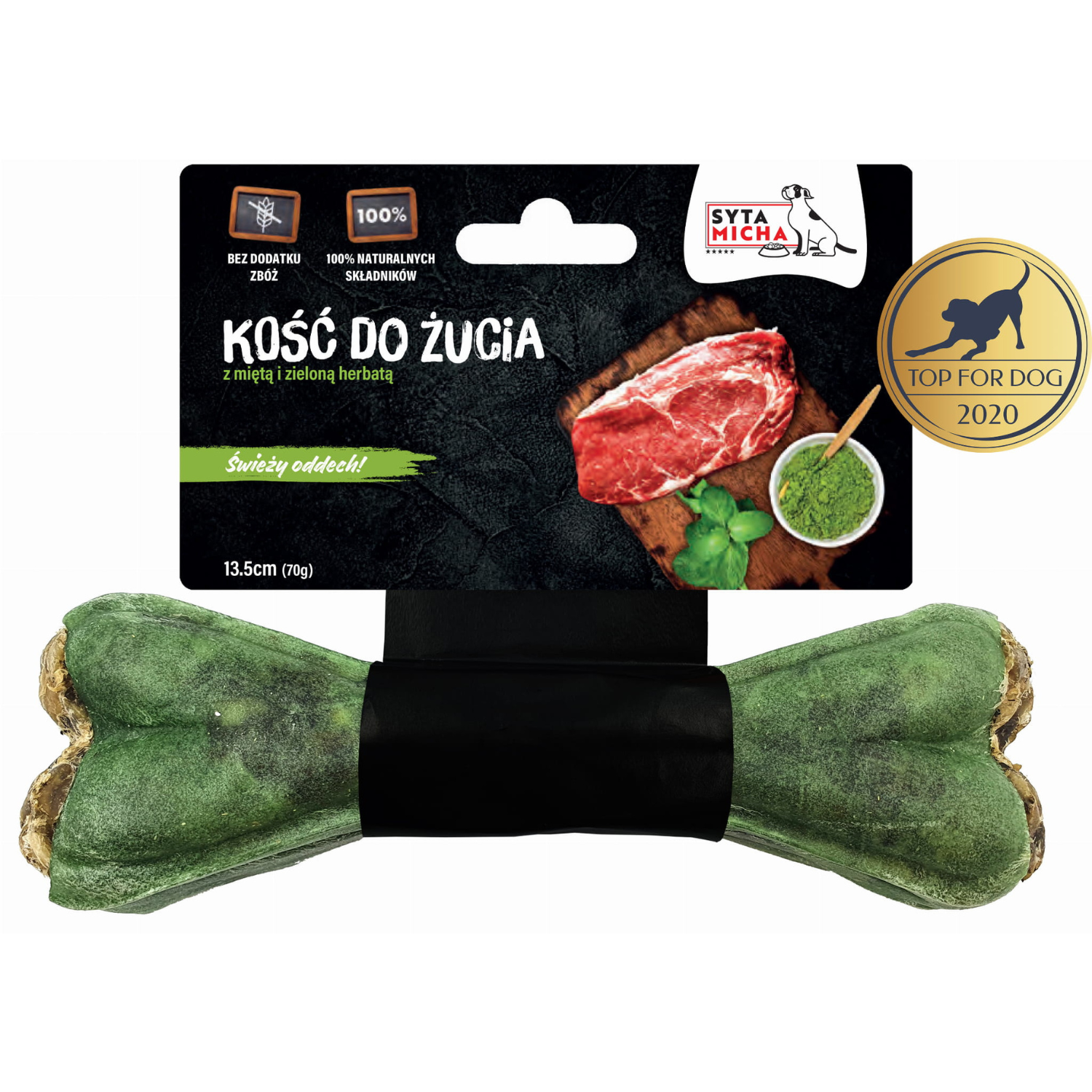
The green colour of such bones comes from the natural colouring chlorophyllin, a derivative of chlorophyll. It is a strongly alkaline compound that binds sulphur compounds and inhibits the enzymatic breakdown of food proteins. It can ease inflammation in the mouth and help maintain a healthy oral bacterial flora.
Everyday oral hygiene for dogs and cats
The most common oral disease in dogs and cats is periodontal disease caused by insufficient hygiene. To prevent it and limit unpleasant smells, rely on:
- regular tooth brushing,
- products made for oral hygiene,
- water additives,
- the right diet,
- dental chews.
The build-up of plaque and tartar can be effectively limited by giving dry food and hard chews and using oral hygiene products. The most important thing, however, is the owner’s regularity and diligence.
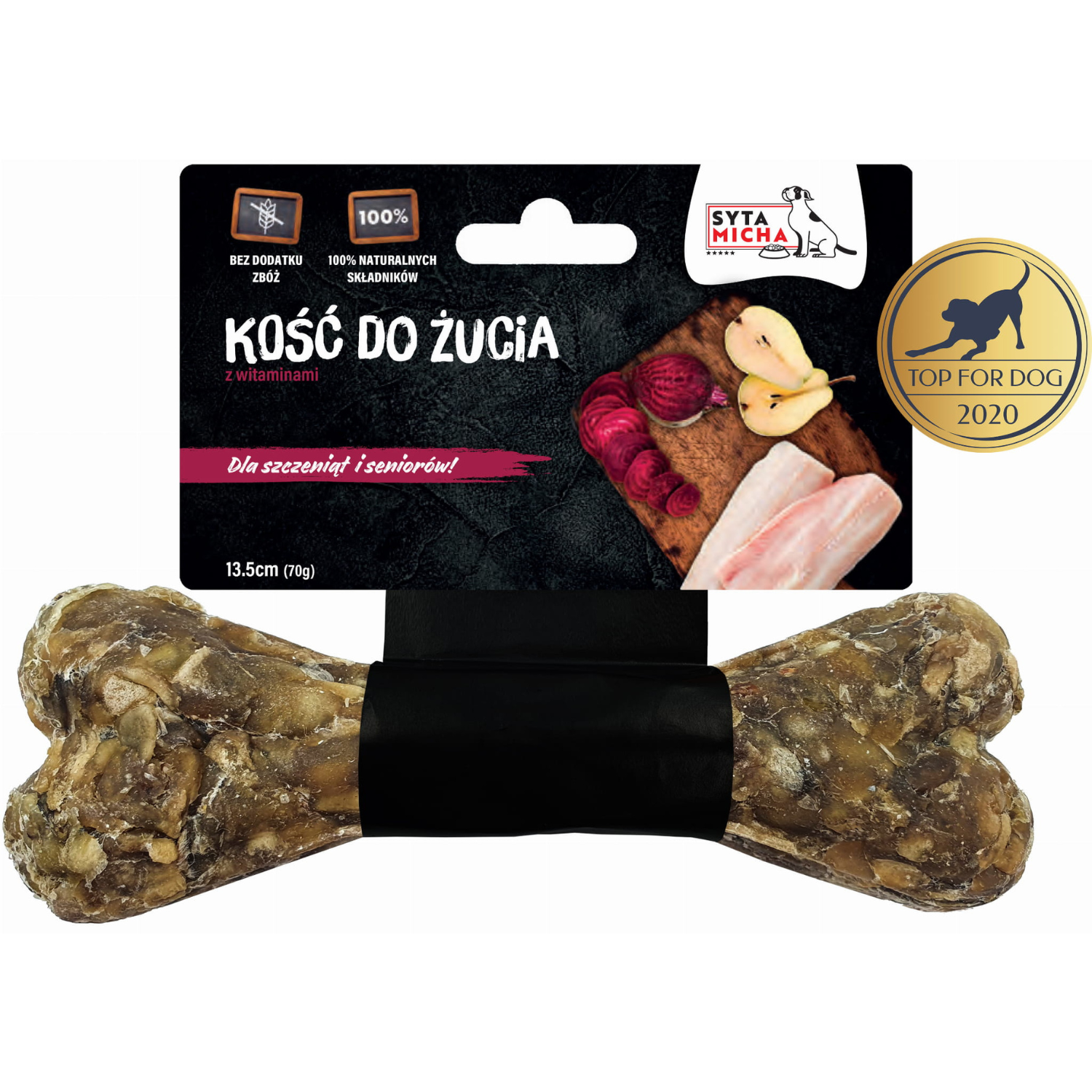
Dog chew bone for fresh breath 13.5 cm · 12,49 zł Dried deer skin for dogs 100g · 16,90 zł
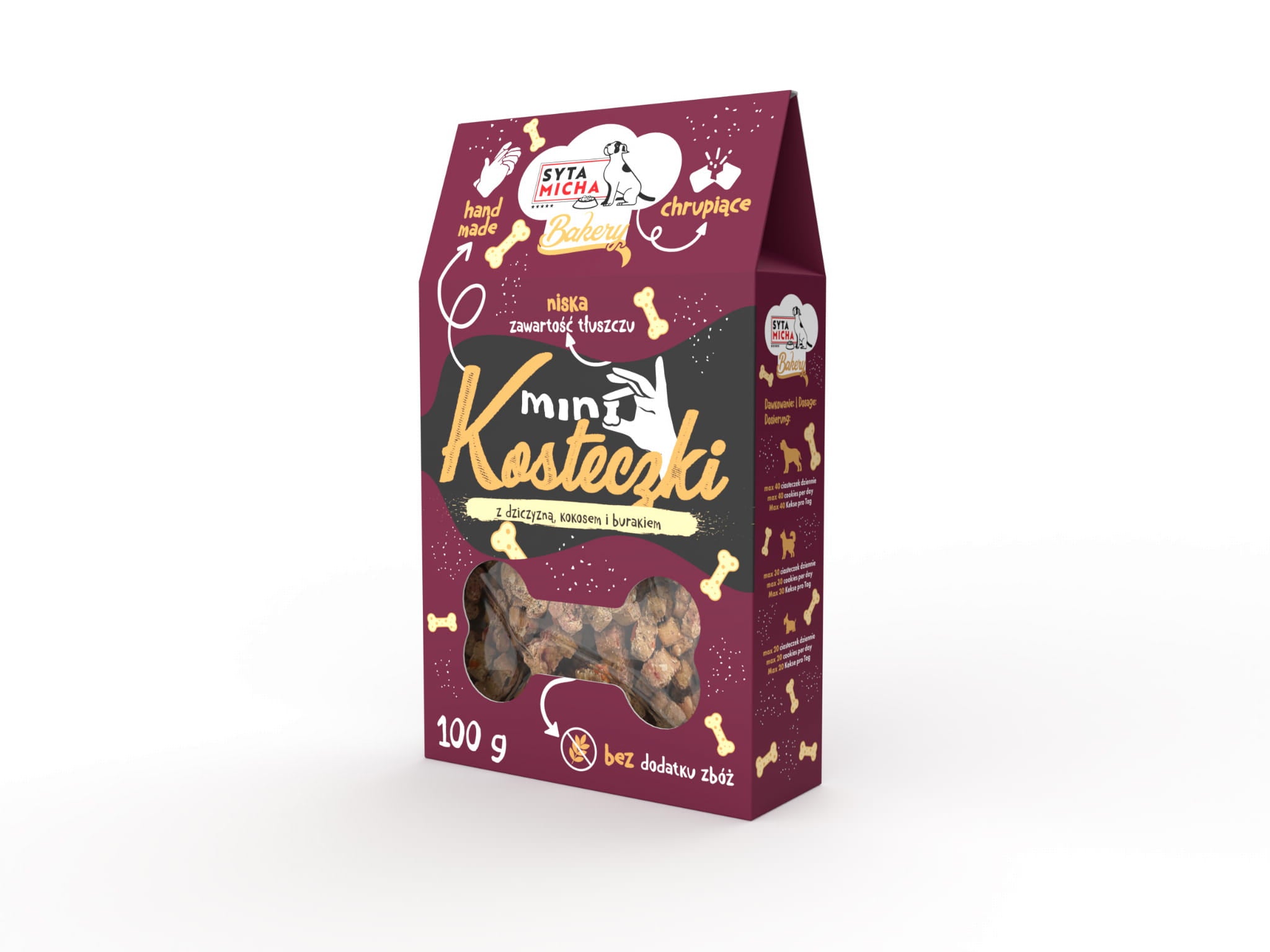 Dog biscuits Mini bones with game 100g · 12,99 zł

Sources
- Kyllar M., Witter K., 2005. Prevalence of dental disorders in pet dogs. Vet. Med. Czech, 50(11): 496-505.
- Isogai E., Isogai H., Kimura K., Nishikawa T., Fujii N., Benno Y., 1995. Effect of Japanese green tea extract on canine periodontal diseases. Microbiol Ecol Health Dis, 8: 57-61.
- Isogai H., Isogai E., Takahashi K., Kurebayashi Y., 2008. Effect of catechin diet on gingivitis in cats. Intern J Appl Res Vet Med, 6: 82-86.
- Zarzyńska J., 2018. Ale z pyska nie pachniało. Zoobranża.
- Fernandez A.S., Nass P.P., Oliveira A., Zepka L. Q., 2020. Chlorophylls as Food Additives. Pigments from Microalgae Handbook, 391-420.
- Beynen A.C., 2017. Diet and doggy breath.
Products mentioned
 You collect HAU DOLCE points for your purchases
Frequently asked questions
Why does my dog’s breath smell?
Bad breath, or halitosis, comes mainly from volatile sulphur compounds in the mouth and often signals periodontal disease. Hygiene, age, breed and a tendency to build up plaque also play a part.
Which dogs are more prone to dental problems?
Especially small breeds with tightly packed teeth, such as the Chihuahua, the Yorkshire Terrier or the Shih Tzu. A soft diet and a lack of regular check-ups also increase the risk.
Do chews help with a dog’s dental hygiene?
Hard chews work mechanically and scrape plaque off the teeth. In studies, adding a tannin-rich green tea extract reduced the level of sulphur compounds in the breath and the number of cases of gingivitis.
How do I look after my dog’s and cat’s teeth every day?
The most important things are regular brushing, oral hygiene products, water additives, the right diet and dental chews. Above all, the owner’s consistency counts.