With chronic kidney disease, controlling phosphorus matters most, while protein should be limited according to the IRIS stage, not eliminated. Hydration, low sodium and regular tests every 4-8 weeks also count. Agree every change to the diet with a vet or nutritionist.
Chronic kidney disease (CKD) is one of the more common health problems in dogs over 7 years of age. The vet says ‘renal diet’, and online you can come across conflicting advice: some tell you to cut protein, others claim that is a myth, and still others recommend specific foods without explaining why.
Below we have gathered principles based on current nutritional guidelines for dogs with CKD - with specific values and a practical plan of action.
Why diet matters so much in kidney disease
Owners often expect treatment to be mainly drug-based, yet the vet and the nutritionist talk about food. The kidneys act as metabolic filters. When they are damaged, they are less able to remove waste products. A well-chosen diet reduces the amount of substances the kidneys have to filter, which can slow the progression of the disease and improve the dog’s quality of life.
Protein and phosphorus - what happens in the body
Protein from food is broken down into amino acids and then into nitrogenous products: urea, creatinine and ammonia. Healthy kidneys excrete them efficiently in the urine, diseased ones cannot keep up. These compounds build up in the blood, causing azotaemia and, in advanced cases, uraemia.
It is similar with phosphorus. With CKD it accumulates in the blood and stimulates the parathyroid glands to produce parathyroid hormone, which speeds up fibrosis of the kidney tissue. A vicious circle develops: kidney disease worsens phosphate balance, and phosphate disorders deepen kidney disease. A diet that limits these substances takes the load off the organ.
Protein on a renal diet - less, but not zero
Cutting protein is the first reflex after diagnosis and it is right, but only up to a point. Cutting protein too drastically is just as harmful as too much of it. The recommended content depends on the stage of the disease and has to be set individually. The table shows the targets according to the IRIS CKD 2024 guidelines:
| IRIS stage | Protein % DM | Phosphorus % DM | Blood phosphorus (mg/dL) |
|---|---|---|---|
| IRIS 1 | 18-22% (no restriction) | 0.2-0.5% | 2.5-4.5 |
| IRIS 2 | 14-20% (only with UPC >0.5 or BUN >40) | 0.2-0.4% | 2.5-4.5 |
| IRIS 3 | 14-18% | ≤0.3% | 2.7-5.0 |
| IRIS 4 | 14-17% (with clinical assessment) | ≤0.2% | 2.7-6.0 |
Too little protein leads to sarcopenia, the gradual loss of muscle. This is the paradox of a renal diet: we limit protein to take the load off the kidneys, but if we overdo it, the dog loses muscle mass, which worsens the prognosis. That is why protein quality matters most.
Which protein sources to choose
Protein of high biological value provides all the essential amino acids while producing as few nitrogenous compounds as possible. The higher the digestibility, the less urea enters the blood. Good protein sources for a dog with CKD are:
- Hen’s egg - the highest biological value
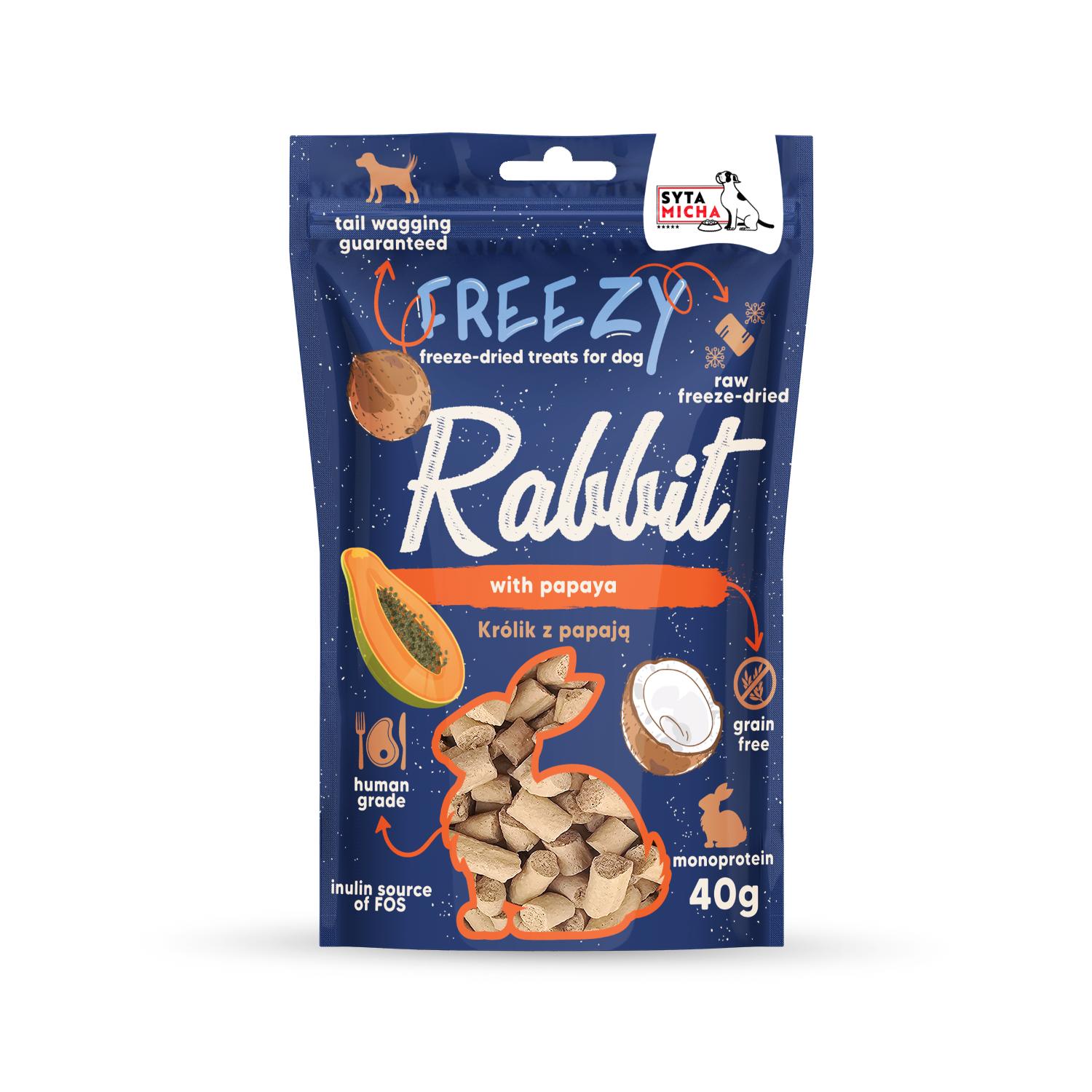
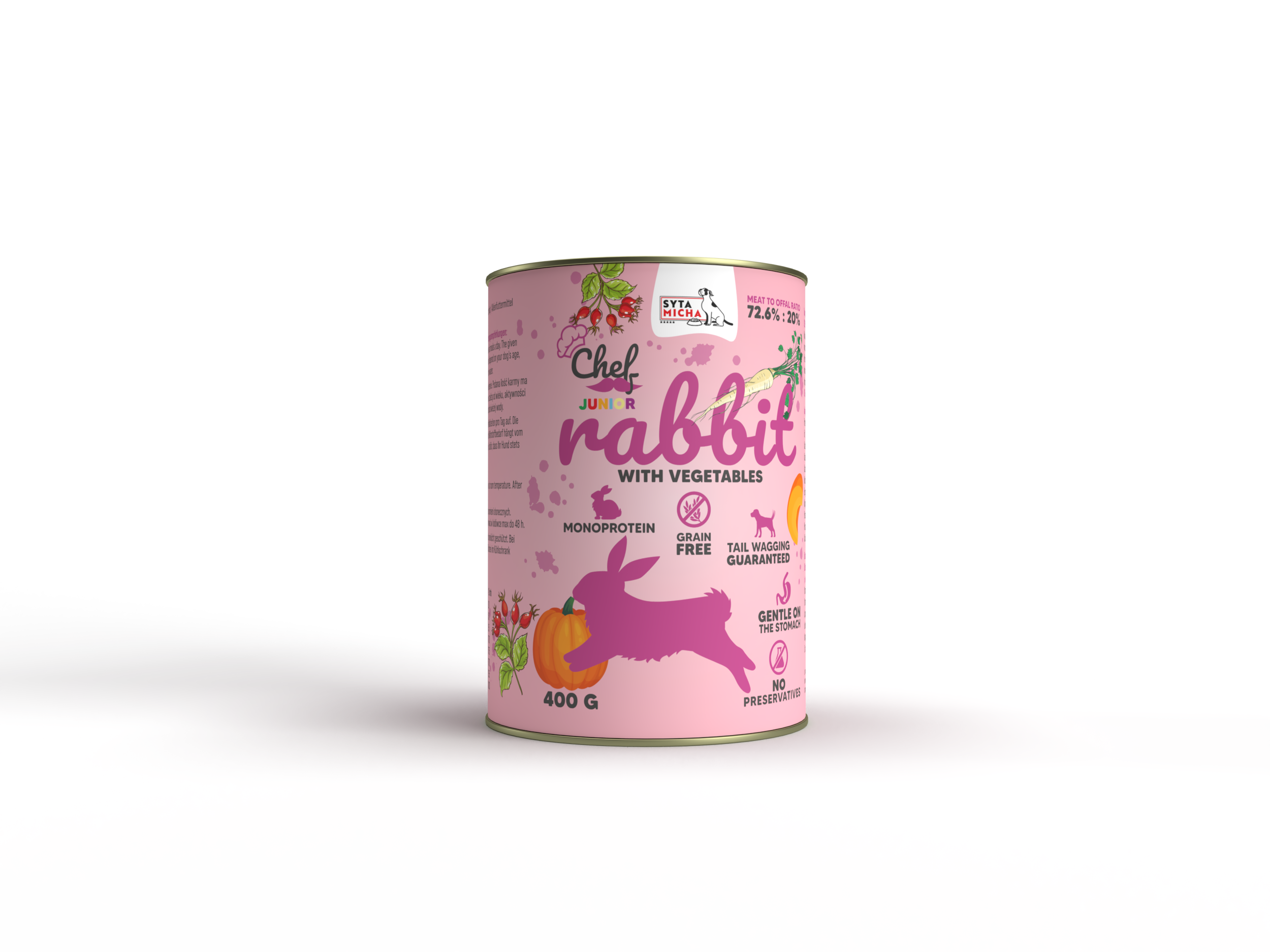
- Rabbit - lean, easily digestible protein low in phosphorus
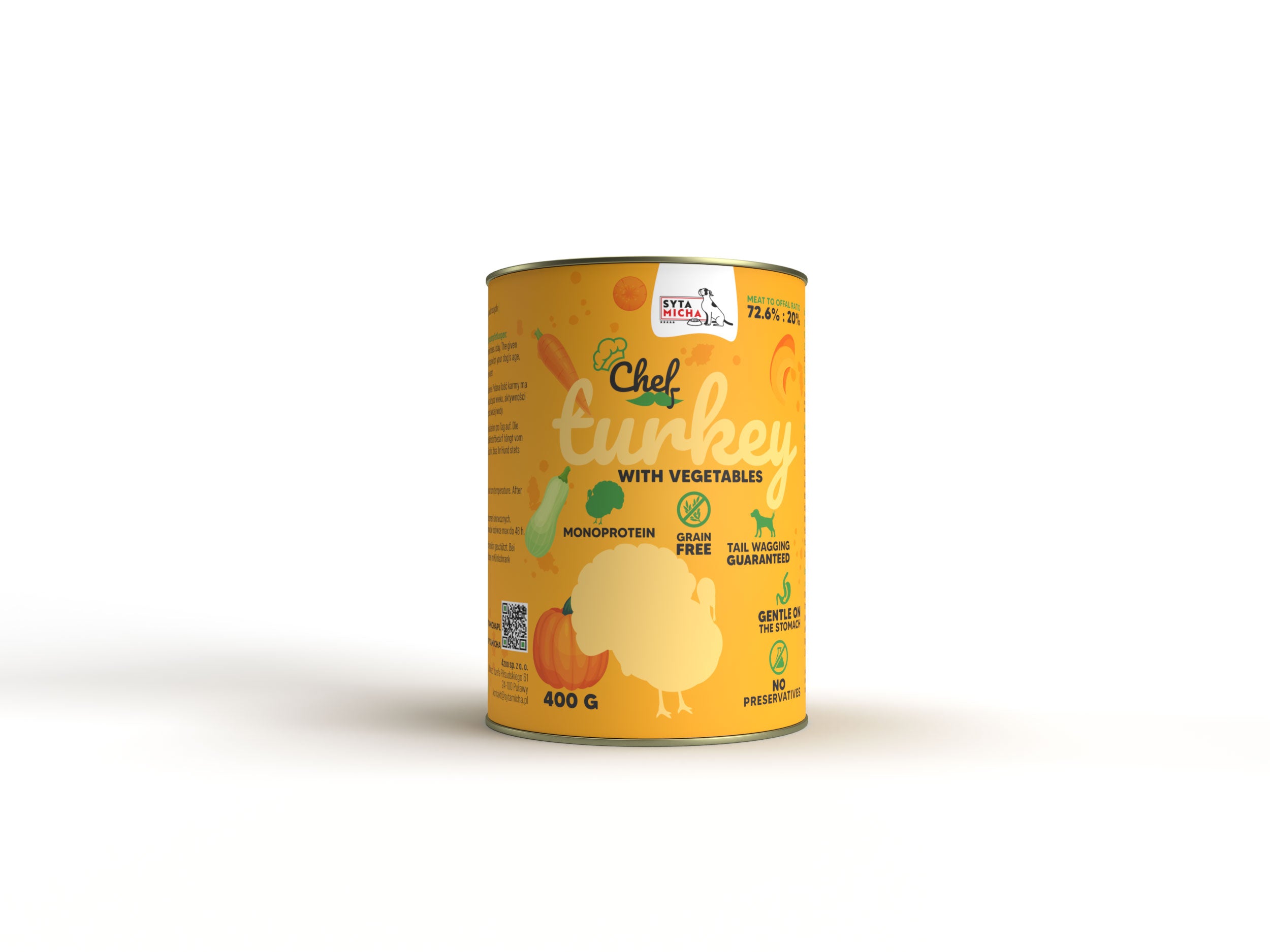
- Turkey - a profile similar to rabbit, well tolerated by dogs with a sensitive digestive system
- Cod and trout - lean fish with EPA and DHA, low in phosphorus
- Veal - a lean raw material with a good protein-to-phosphorus ratio
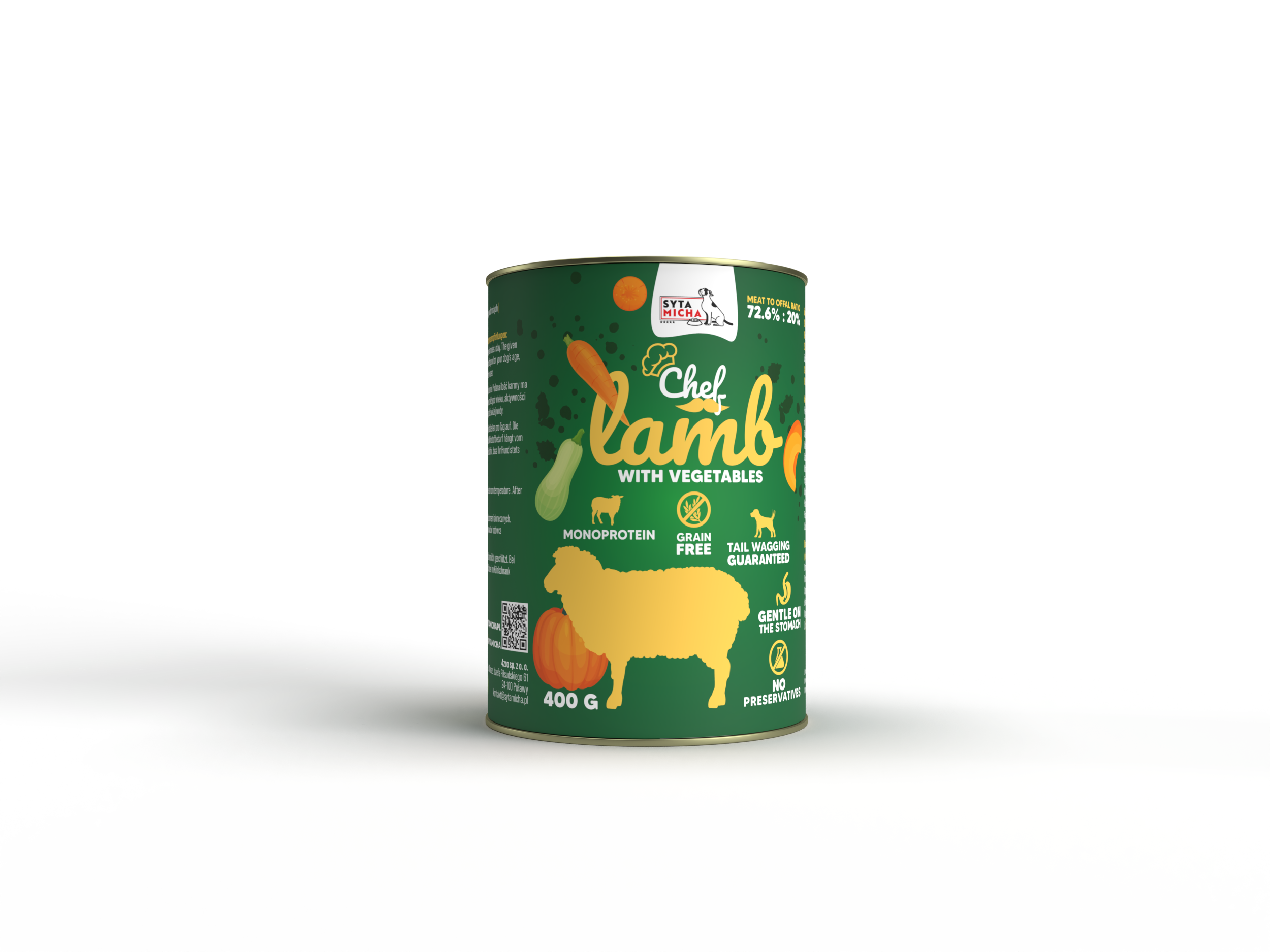
- Lamb - an alternative for dogs intolerant to poultry or rabbit
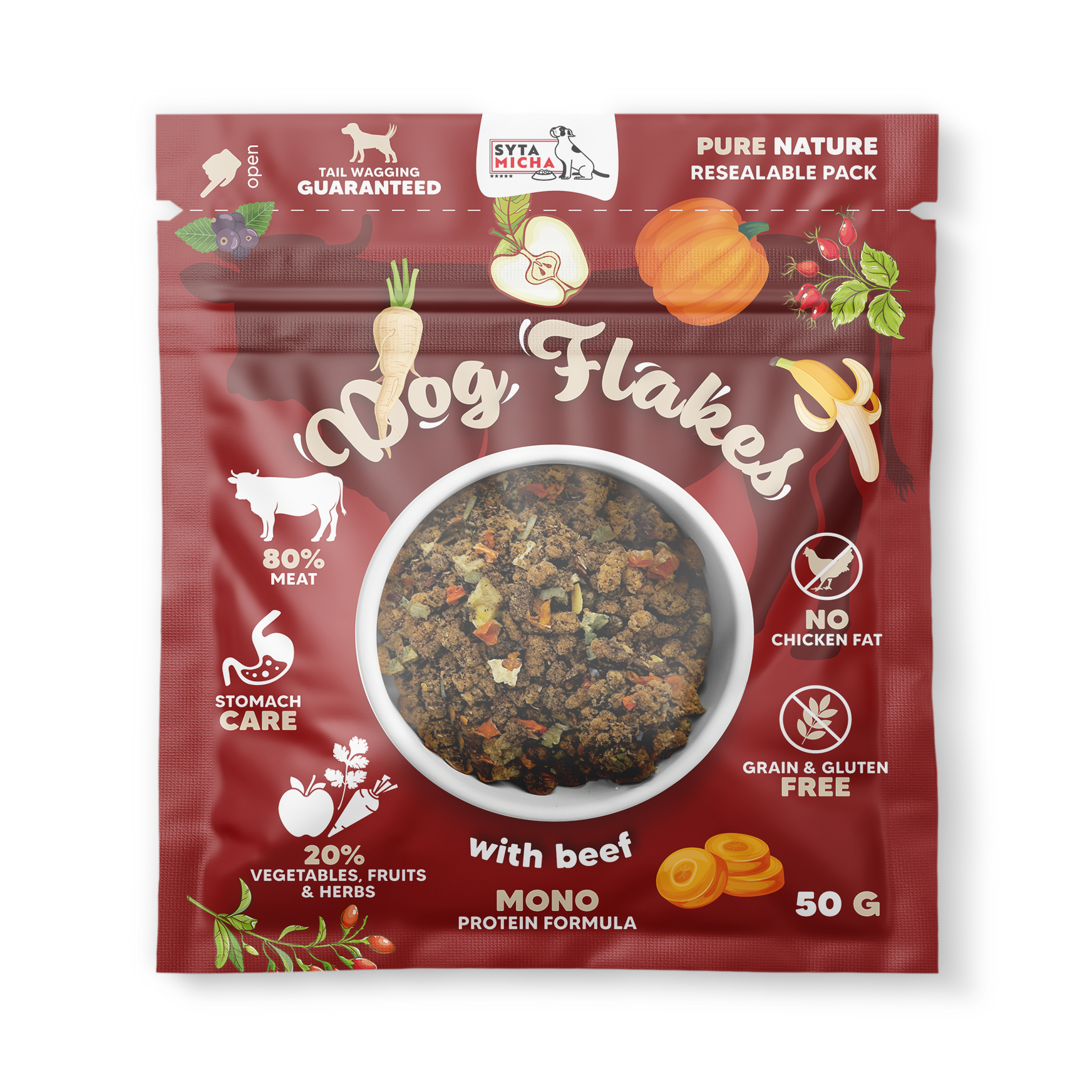
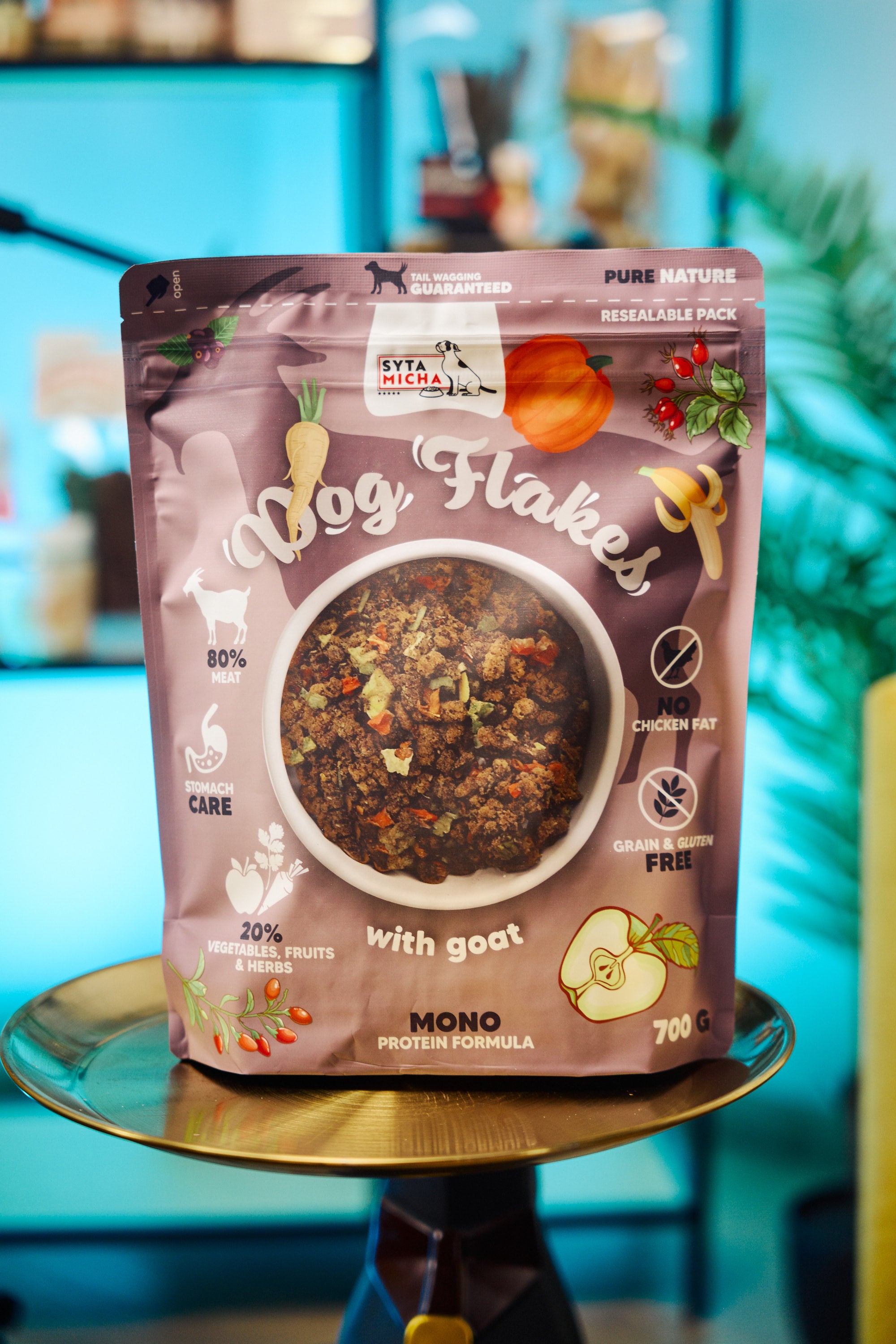
If you are considering a food with a clean composition, e.g. Dog Flakes with rabbit or lamb, remember that it is not a dietetic food with PARNUTS certification. Discuss the phosphorus % DM from the label with your vet and nutritionist, and count the phosphorus from the base diet together with the treats.
What to avoid - offal and phosphorus-rich meats
- Liver - approx. 25-38 mg of phosphorus per gram when dried; a few grams can exceed the daily limit with CKD
- Kidneys - very high phosphorus content
- Lungs - common in cheap foods and treats, high in phosphorus
- Cheese and dairy products - lots of phosphorus and sodium at the same time
- Fatty meats (pork, duck in large amounts) - duck in a small portion as a treat is acceptable, but not as the base of a renal diet
Phosphorus - focus on it most of all
If you can focus on only one thing with CKD, let it be phosphorus. When the kidneys do not excrete it, hyperphosphataemia develops, which triggers further problems:
- enlargement of the parathyroid glands (secondary hyperparathyroidism),
- disturbed calcium metabolism and bone demineralisation,
- calcification of soft tissues, including blood vessels,
- accelerated fibrosis of the kidney tissue.
The target phosphorus level depends on the IRIS stage (see the table). In the diet, the goal is phosphorus below 0.4% of dry matter at stages 2-3 and below 0.2-0.3% at stage 4. The more advanced the disease, the stricter the limits.
How to read labels for phosphorus
Most foods state phosphorus on a fresh-weight basis (as fed), not on a dry matter basis (DM). To compare foods, convert the value using the formula:
Phosphorus % DM = (phosphorus % as fed ÷ dry matter %) × 100
Example: phosphorus 0.35% as fed, moisture 75%, so dry matter 25%. 0.35 ÷ 25 × 100 = 1.4% DM - that is too much for a dog with CKD.
On the label, look for:
- phosphorus below 0.4% DM,
- no meat or fish meals among the first three ingredients,
- no ‘protein extracts’ without a stated source.
When diet alone is not enough - phosphate binders
At IRIS stages 3-4, diet alone may not keep phosphorus within range. The vet may then recommend phosphate binders given with meals, which limit its absorption in the gut:
- calcium carbonate - binds phosphorus and tops up calcium at the same time,
- sevelamer - binds phosphorus without the risk of hypercalcaemia, used in dogs with calcium disorders,
- lanthanum - stronger, used in severe cases.
Binders are given only on the recommendation of a vet, after assessing blood test results. Using them on your own can upset calcium balance.
Hydration and sodium - rarely talked about
The kidneys need water to filter the blood. Dogs with CKD often concentrate their urine less well, so they lose more water than healthy animals. On dry food the risk of dehydration rises markedly. Wet food, or dried food soaked in water, provides up to 60-85% of the daily fluid requirement straight from the meal, while dry food provides practically none.
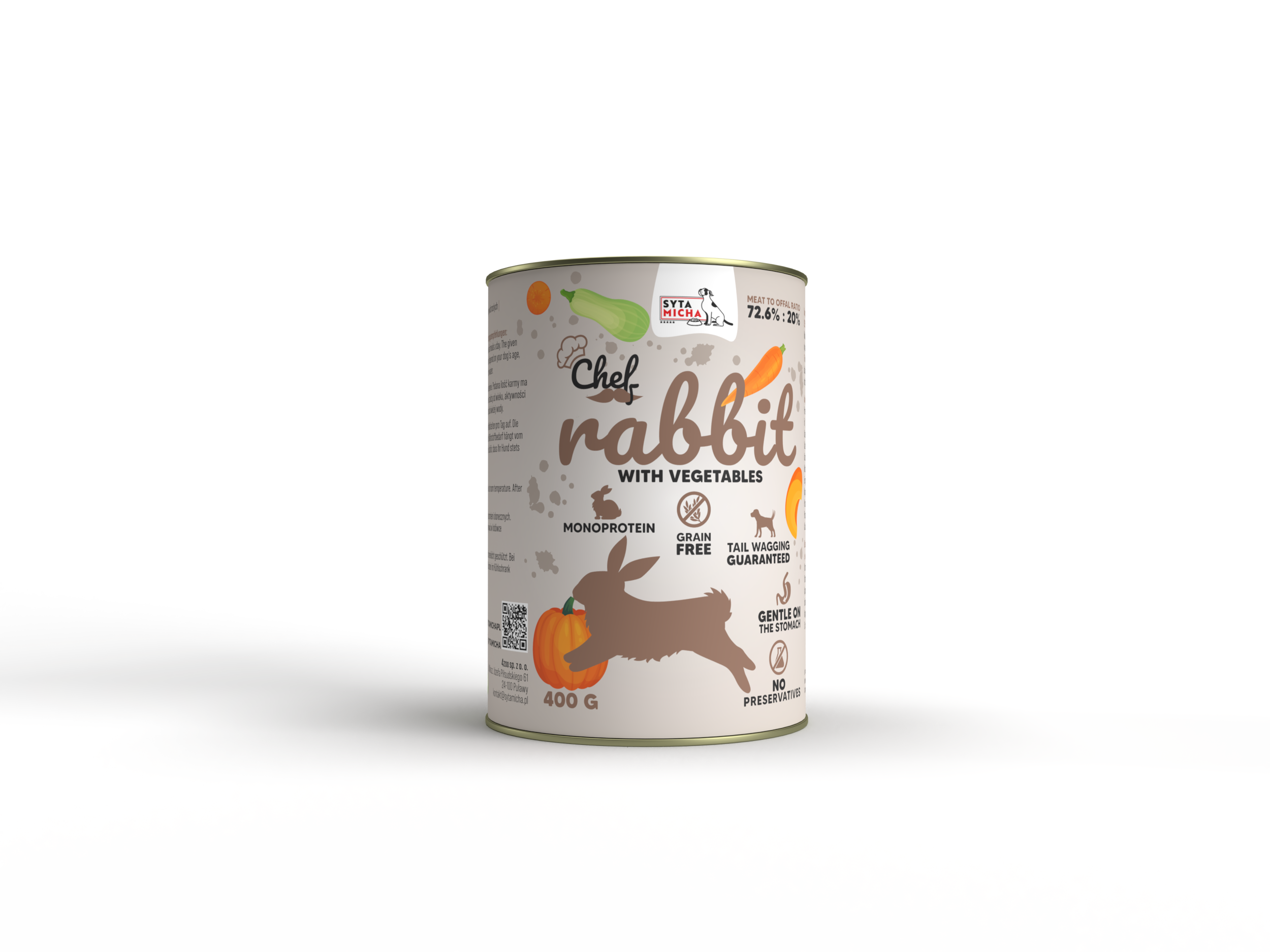
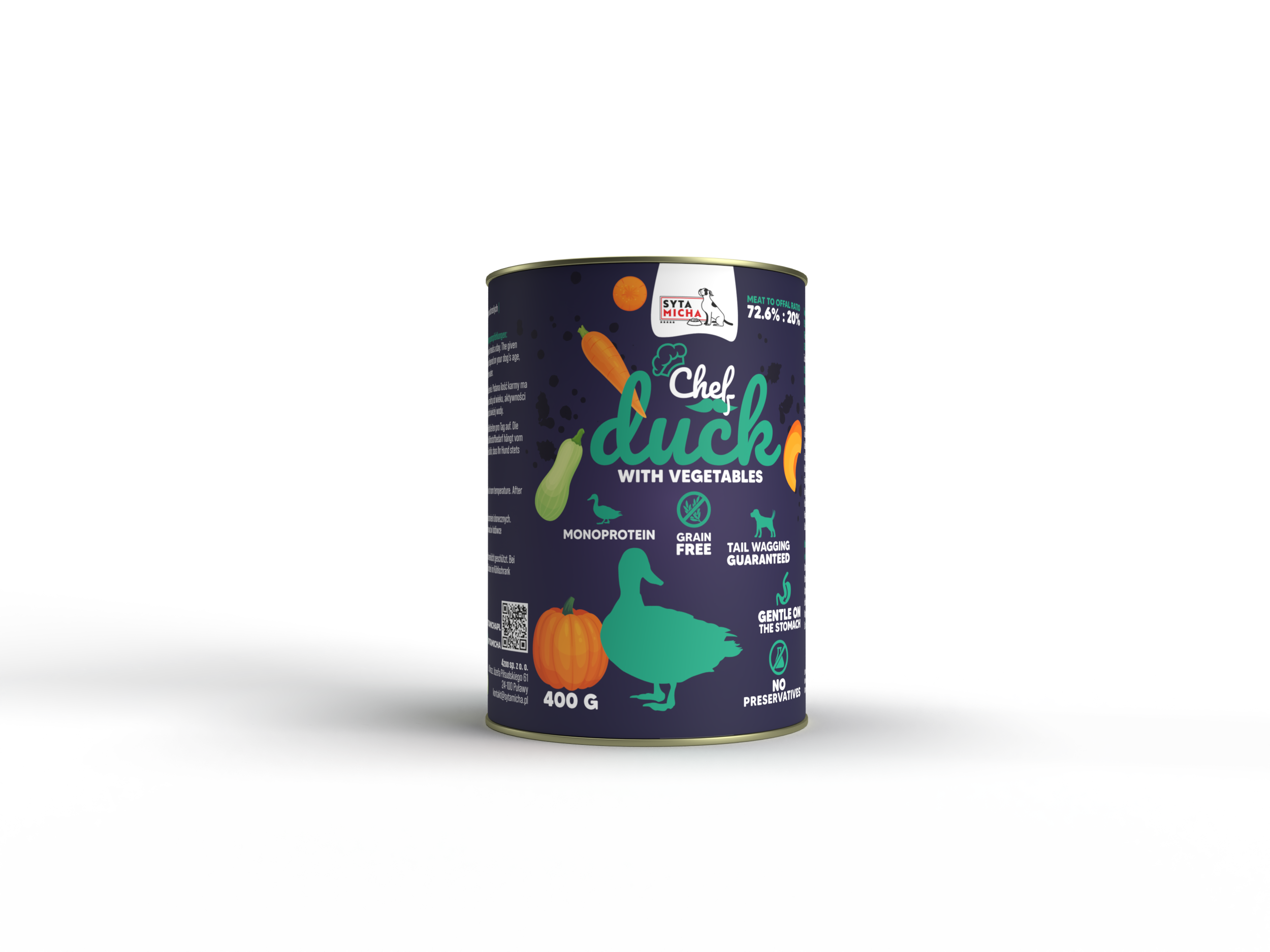
One example is our wet food with rabbit and vegetables (85% moisture, 92.6% rabbit, grain-free), or dried food soaked in water in a 1:1.5 ratio - a good solution for dogs that prefer a firmer texture.
How to control sodium
The recommended sodium content on a renal diet is a maximum of 0.2-0.3% of dry matter (according to PARNUTS, EU Regulation 2020/354). Excess sodium raises blood pressure, which puts a strain on the kidney vessels. Sodium hides in:
- commercial dog biscuits and cookies (salt as a preservative),
- cold cuts and barbecued meat - do not give these at all,
- cheese and dairy products,
- cheap wet foods (sodium chloride as a flavour enhancer).
A simple rule: if a product has no analytical constituents showing its sodium content, do not give it to a dog with CKD.
A menu for a dog with kidney disease, step by step
Step 1 - establish the IRIS stage with your vet
The basis is a blood test: creatinine, urea (BUN) and phosphorus. From these, the vet determines the IRIS stage, which sets the limits for protein and phosphorus. Ask the vet for:
- the creatinine result and its trend over time (a single measurement is not enough),
- the blood phosphorus level and an assessment of whether it needs intervention,
- a urine test with UPC (urine protein-to-creatinine ratio), which at stage 2 decides on protein restriction,
- a blood pressure measurement - hypertension is a common complication of CKD.
Step 2 - choose the base food
- Veterinary (renal) diets - precisely matched protein and phosphorus ratios, clinically tested and convenient. The downside is the price and the small choice of flavours.
- A home-made diet - more flexibility, but it requires close supervision by a veterinary nutritionist. It is easy to get the balance of phosphorus or B vitamins wrong.
- A middle way - a food with a clean composition, free from fillers and phosphorus-rich ingredients, supplemented once the phosphate balance has been agreed with a vet or nutritionist.
Step 3 - choose the supplements
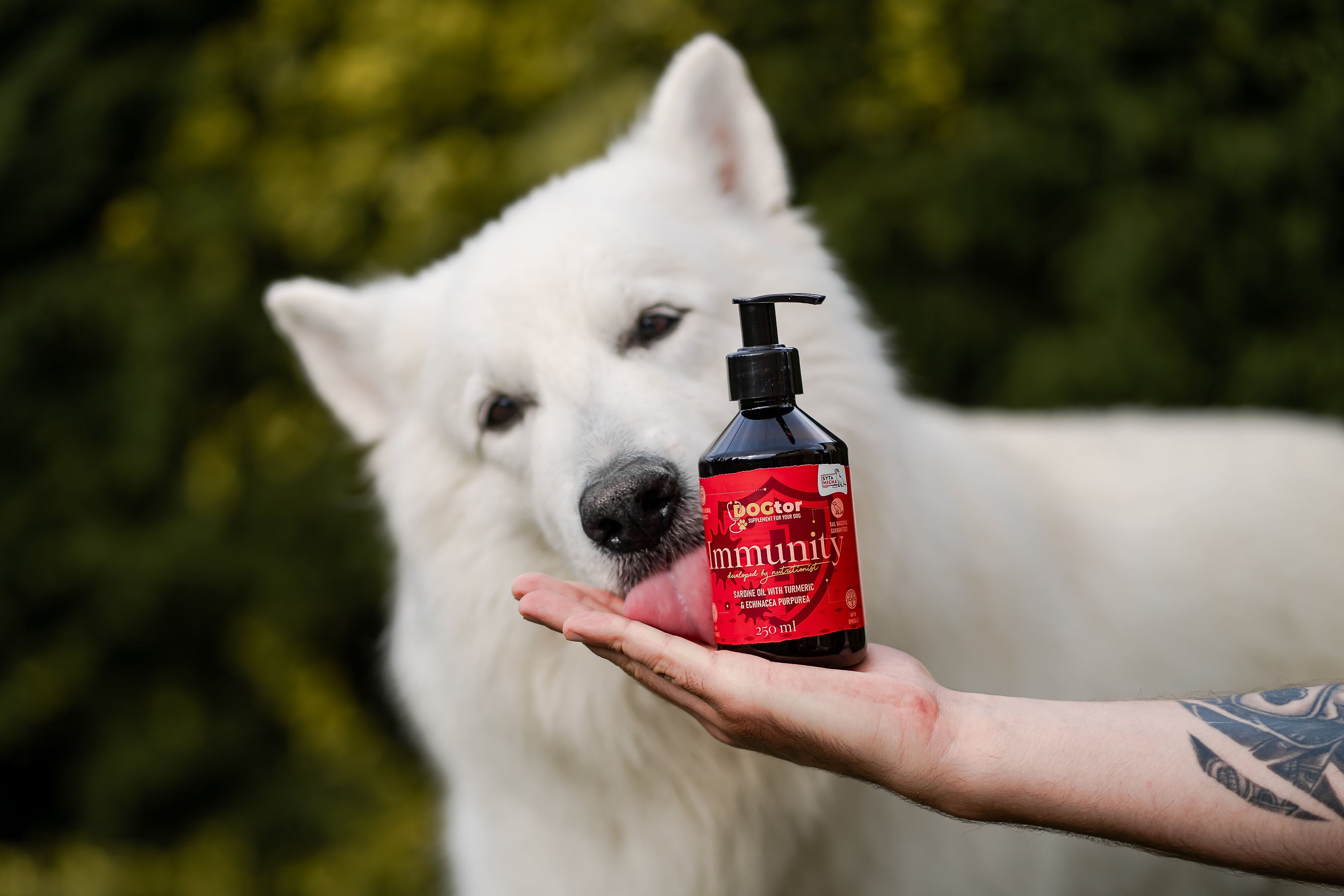
- Omega-3 (EPA and DHA) - 75-100 mg/kg body weight a day; anti-inflammatory action, support for kidney blood flow (e.g. a sardine-based oil),
- B vitamins (B1, B6, B12, folic acid) - lost in the urine, worth topping up,
- potassium - only with hypokalaemia confirmed by tests, not on your own initiative,
- probiotics - help the gut remove uraemic toxins.
Introduce every supplement after consulting your vet or nutritionist, and only once the base diet has settled.
Step 4 - check body weight and results every 4-8 weeks
A renal diet is not set once and for all. The disease progresses, and nutritional needs change with each stage. At every check-up, look at:
- body weight - weight loss is a warning sign (risk of sarcopenia or too few calories),
- creatinine and phosphorus - whether they are within the targets for the given stage,
- potassium - hypo- and hyperkalaemia are common complications,
- appetite and condition - the dog should eat willingly and have energy.
5 renal diet rules in a nutshell
- Do not eliminate protein - limit it according to the IRIS stage and UPC, and go for high quality (rabbit, turkey, cod, lamb).
- Phosphorus is the priority - stick to the IRIS targets, read labels, avoid offal.
- Look after hydration - wet food or dried food soaked in water instead of dry kibble.
- Sodium at most 0.2-0.3% DM - no cold cuts, cheese or salty treats.
- Check regularly - tests every 4-8 weeks and diet adjustments together with your vet.
This article is for educational purposes and does not replace a veterinary consultation. Discuss every feeding plan for a dog with CKD with a veterinary surgeon or veterinary nutritionist.
Products mentioned
 You collect HAU DOLCE points for your purchases
Frequently asked questions
Should a dog with kidney disease eat very little protein?
Protein is limited according to the IRIS stage and the UPC result, but not eliminated. Too little protein leads to sarcopenia, or muscle loss, which is why its quality matters most.
Which foods should be avoided with CKD?
Above all, phosphorus-rich offal (liver, kidneys, lungs), cheese and dairy products, as well as salty treats, cold cuts and barbecued meat.
How do I convert phosphorus on the label to a dry matter basis?
Phosphorus % DM = (phosphorus % as fed ÷ dry matter %) × 100. With phosphorus at 0.35% and moisture at 75%, that gives 1.4% DM, which is too much for a dog with CKD.
Why is wet food recommended for kidney disease?
Dogs with CKD often concentrate their urine less well and lose more water. Wet food, or dried food soaked in water, covers a large part of the daily fluid requirement, while dry food covers practically none.
How often should a dog on a renal diet be tested?
Blood tests are worth repeating every 4-8 weeks, while also checking body weight, potassium level, appetite and general condition. The diet is adjusted together with your vet.