
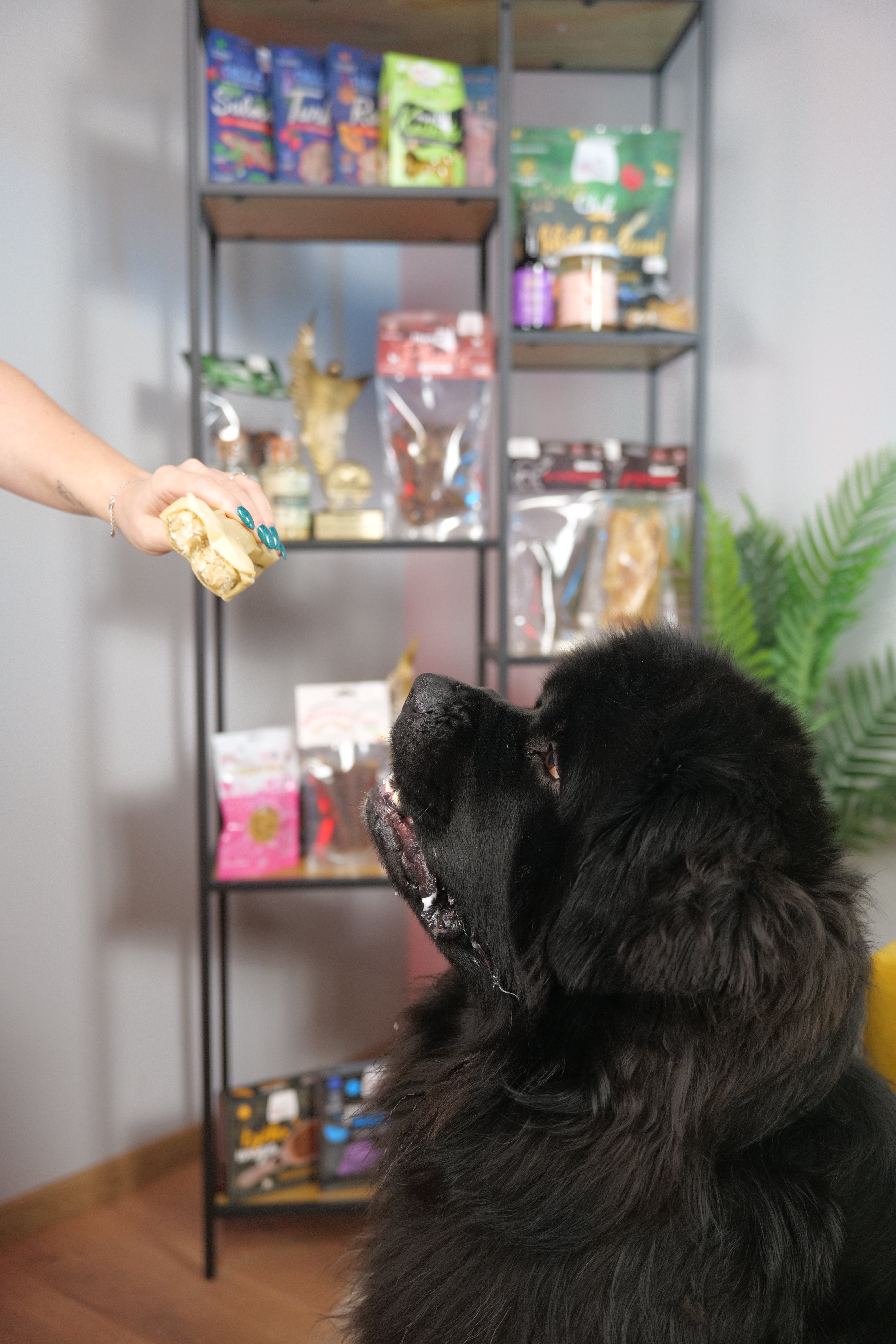
A dog living in a heated home usually moves less in winter, so its energy requirement falls or stays the same. It is worth checking its weight every 2-4 weeks and assessing its figure on the BCS scale, and reducing the portion by 5-10% when activity drops. Treats from snuffle mats and toys have to be counted in the daily calorie budget, and in winter hydration needs watching too.
With the first cold days, many owners automatically increase food portions, assuming their dog needs a ‘winter protective layer’ or extra energy to keep warm. This is one of the most common feeding myths. For most dogs living indoors, winter means a lower energy requirement.
We explain why this happens and how to adjust feeding so you are not battling excess weight in spring.
Why dogs put on weight ‘quietly’ in winter
Winter pounds pile on gradually, often unnoticed, especially under a thick winter coat. The main cause is an upset energy balance: the dog burns fewer calories but gets more of them.
Walks in winter are usually shorter, because the weather, the dark and the frost put us off. The dog has fewer chances to move. At the same time, owners feeling guilty reach more often for snacks, chews and food-filled toys. The excess energy is then stored as body fat.
Couch dog versus active dog - different needs in winter
When assessing nutritional needs, you have to distinguish between dogs’ lifestyles.
- A pet dog (a ‘couch potato’) only goes out for short walks, lives in a heated home and moves little. Its metabolism does not speed up in winter, quite the opposite, so excess calories quickly turn into weight gain.
- An active dog (working, sporting, intensively trained) spends a lot of time outdoors. Its energy requirement rises, because the body uses more energy on thermoregulation and muscle work. Appetite usually increases too, and without bigger portions body weight may even fall.
How to keep your dog’s weight in check in winter
The best way is regular observation and weighing. The BCS (Body Condition Score) and MCS (Muscle Condition Score) scales used by veterinary nutritionists are helpful. It is worth recording your dog’s weight every 2-4 weeks and regularly assessing its figure.
Warning signs include:
- the waist visible from above disappearing,
- a rounded, less tucked-up belly when viewed from the side,
- tiring quickly on walks,
- reluctance to be active (which can also point to orthopaedic problems, especially in older dogs).
The 5-10% rule - safely reducing the portion
If your dog is moving less, reduce the food portion by 5-10%. It is a small change that does not cause hunger, yet can effectively limit fat build-up.
After 2-3 weeks, assess the results. If body weight is still rising or not falling, cut back on snacks or swap them for lower-calorie ones. The reduction should apply to extras, not to the basic, balanced daily ration.
Games at home without excess calories
Winter is the season for snuffle mats, puzzle toys and other forms of so-called enrichment that stimulate a dog mentally. They are good for its wellbeing, but if we do not count them in the balance, they can provide too many calories.
That is why it is worth planning a daily calorie budget for the treats and food used in games too. Then there is no risk of uncontrolled weight gain.
Winter hydration and skin health
In winter, dogs often drink less, which can lead to dehydration and, as a result, dry skin. What can help:
- adding warm water to dry food to make a light, aromatic ‘soup’,
- putting water bowls in several places around the home,
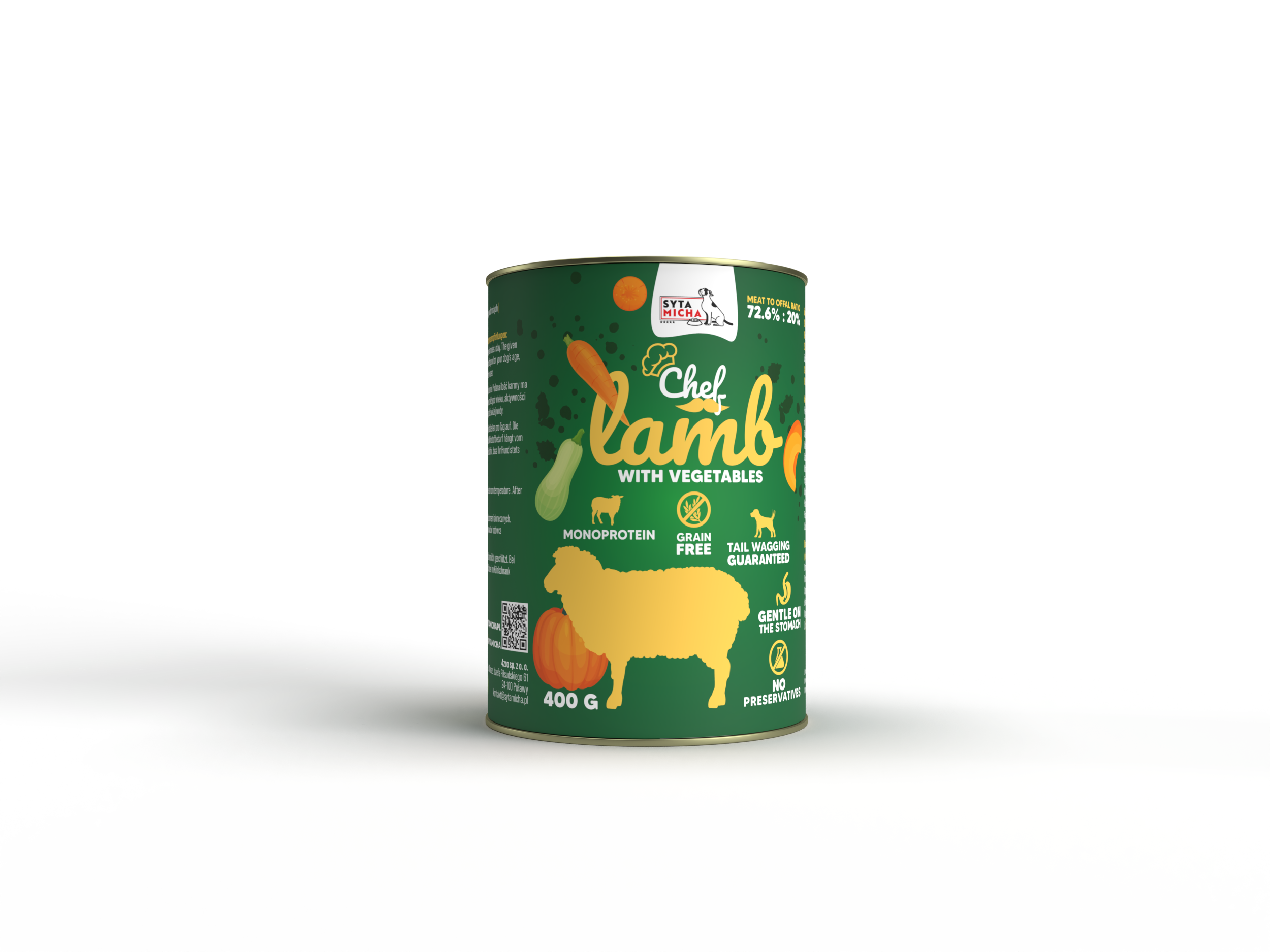
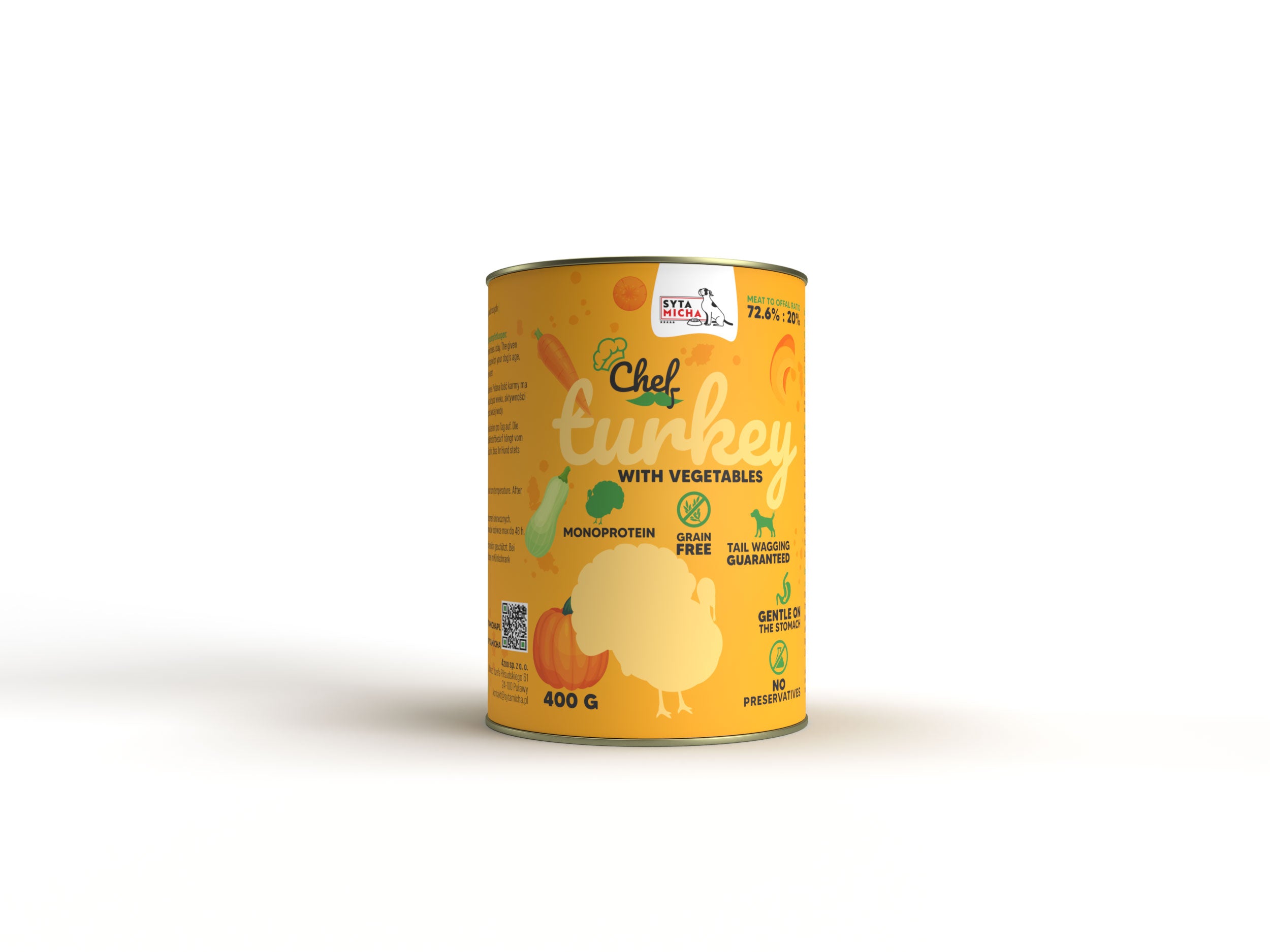
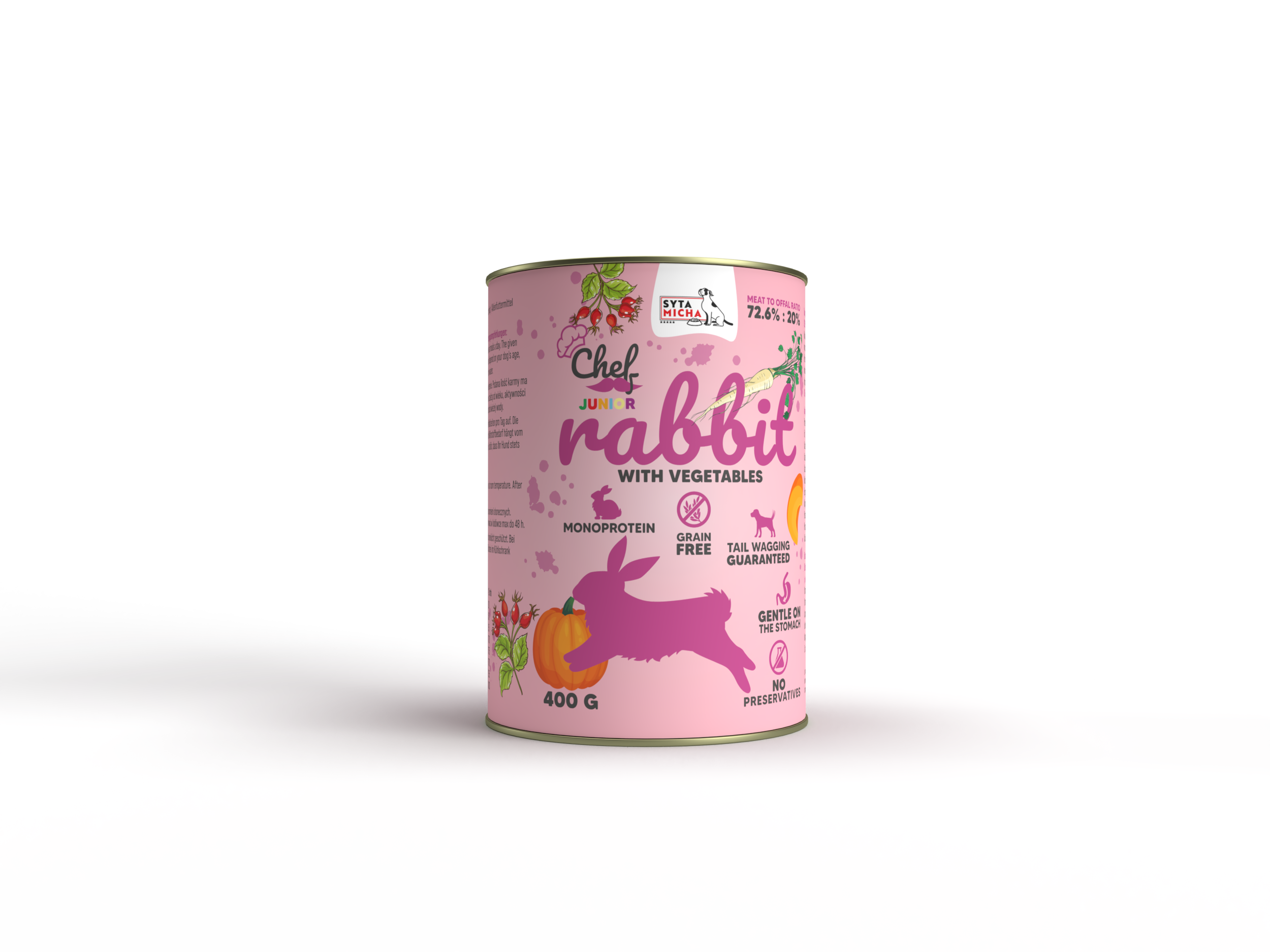
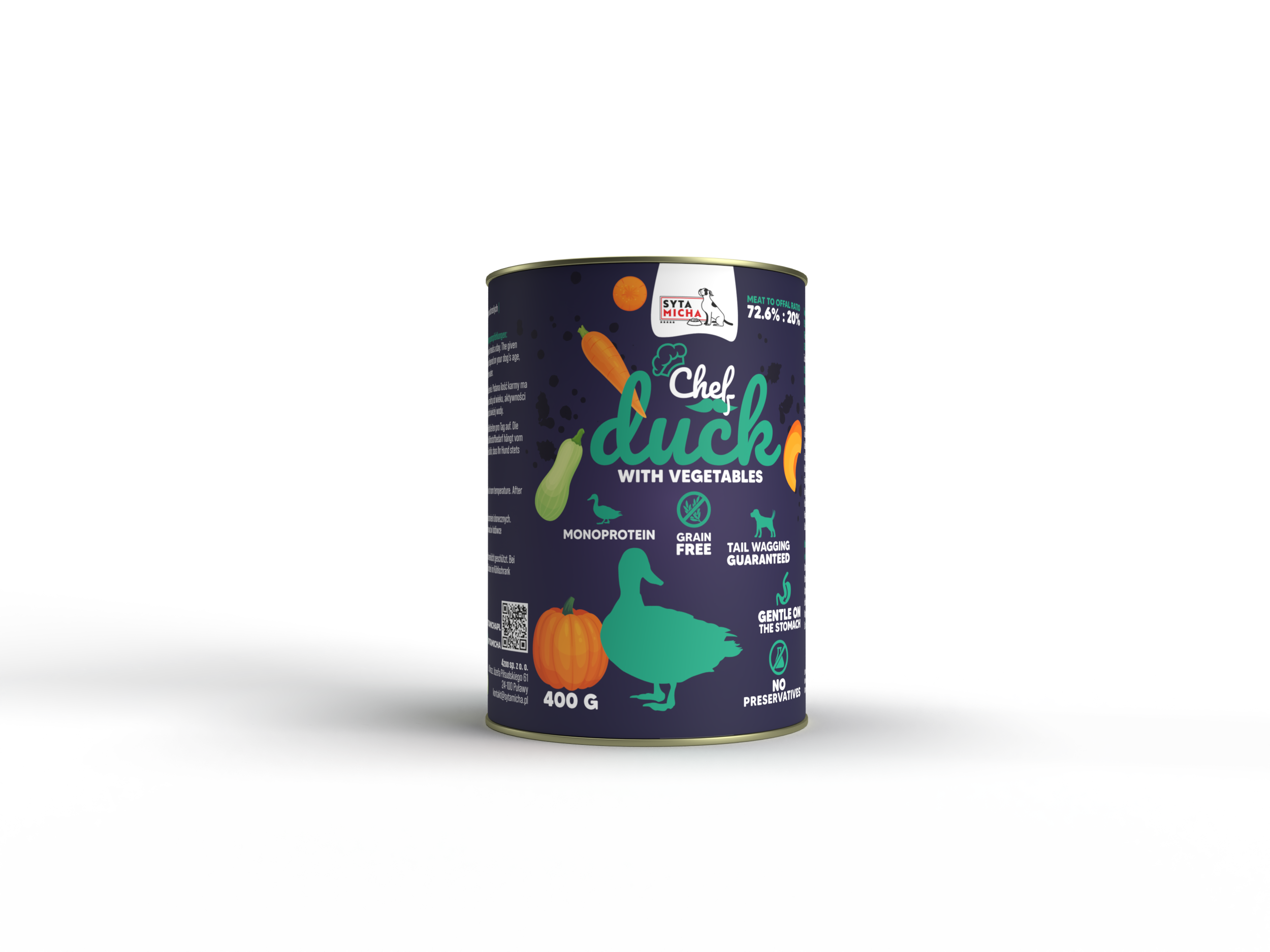
- introducing wet food from time to time, as long as it fits your dog’s feeding plan.
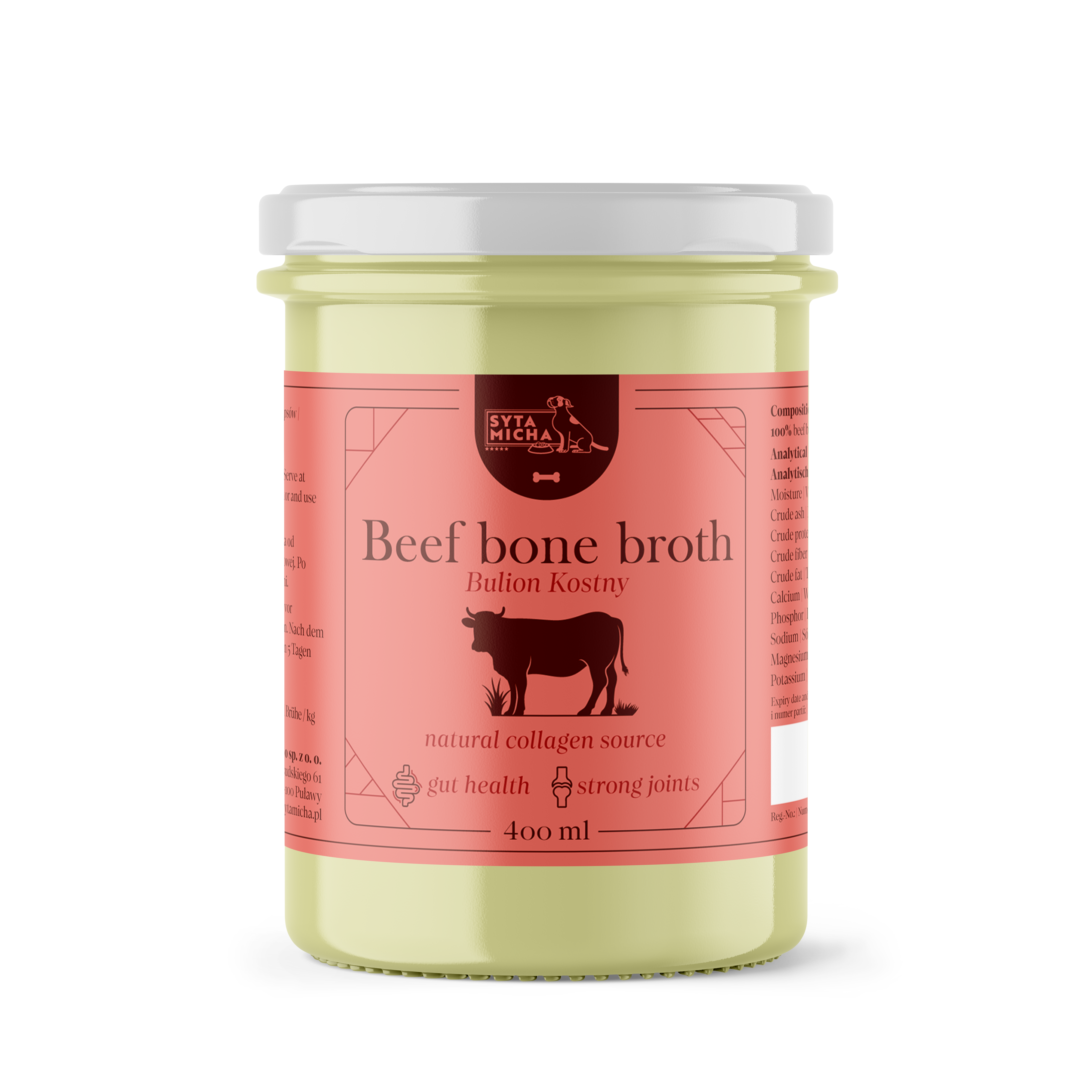
With dry, flaky skin, do not reach straight for supplements. First make sure your dog is getting a complete food in the right amount. Only once feeding is right can you consider omega-3 fatty acids (e.g. from fish oil), which support skin and coat condition.
Winter in your dog’s bowl - the key rules
The basis is observation and flexibly matching portions to actual activity. In dogs living indoors that do not move more in winter, the calorie requirement usually falls or stays at the same level.
- Do not assume your dog needs more food just because it is cold.
- Count the treats from the snuffle mat and toys in the daily balance.
- Look after hydration.
- Watch your dog’s figure and check its body weight regularly.
That is the easiest way to keep your dog in good shape throughout the winter season, right through to spring.
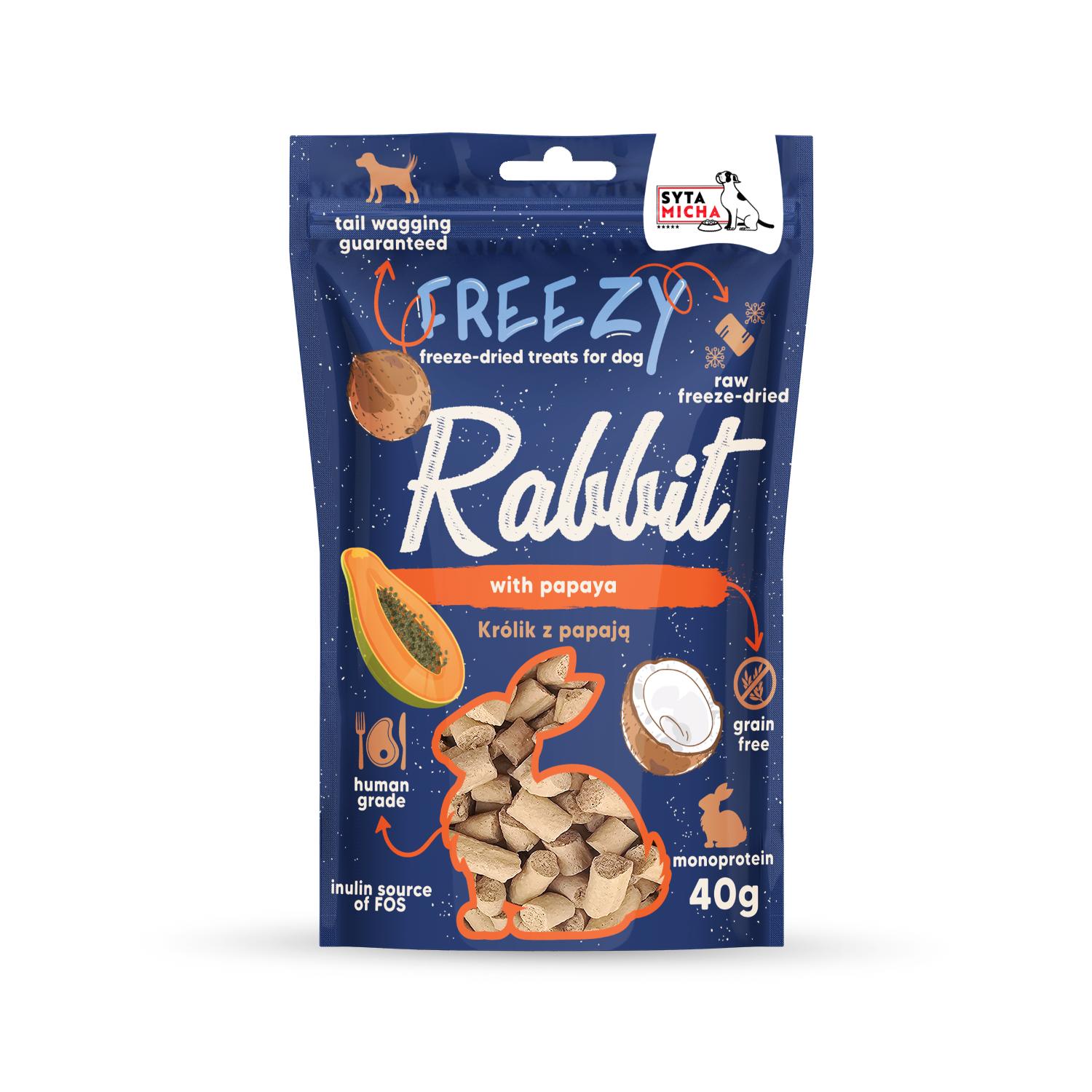
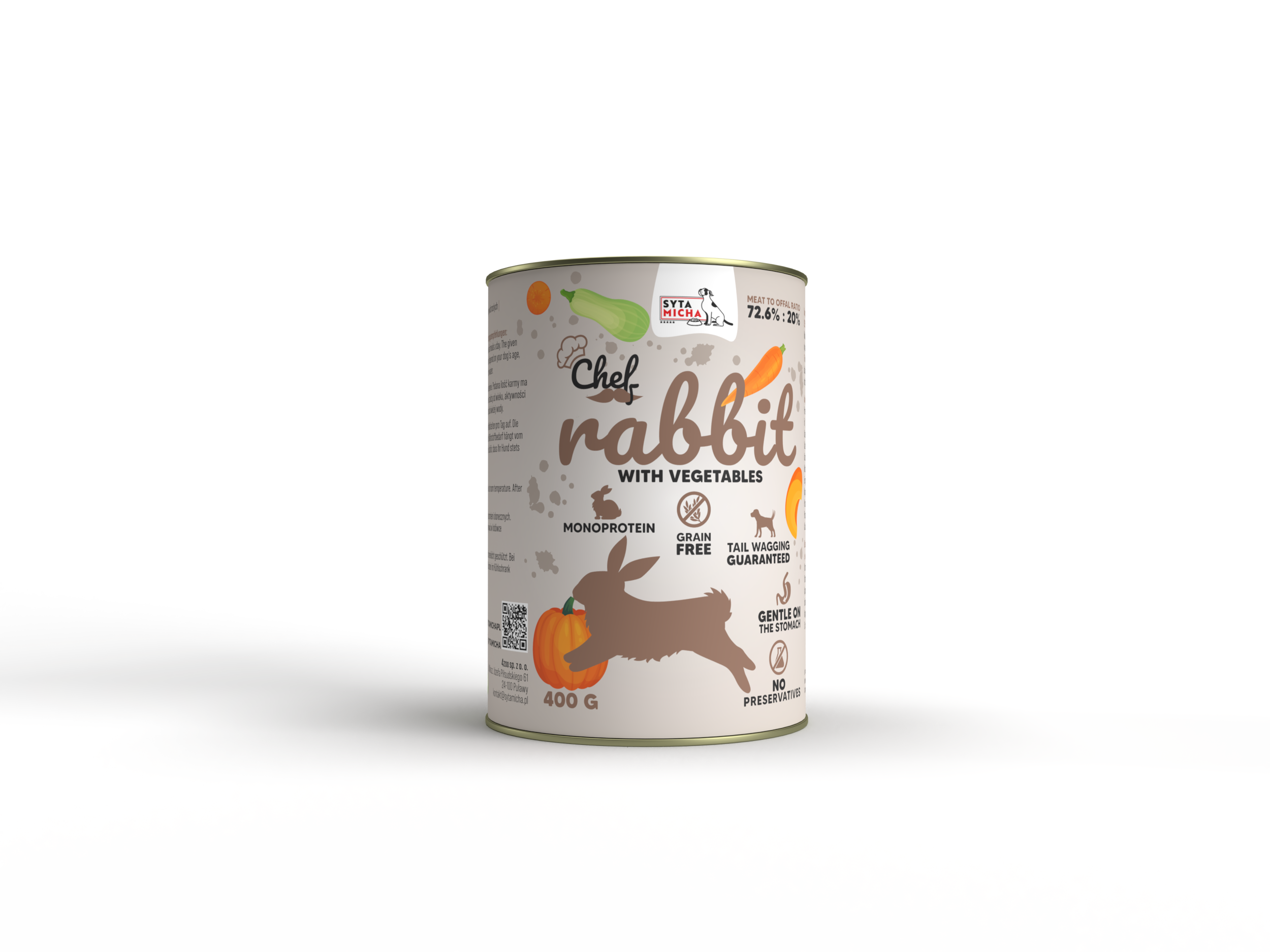
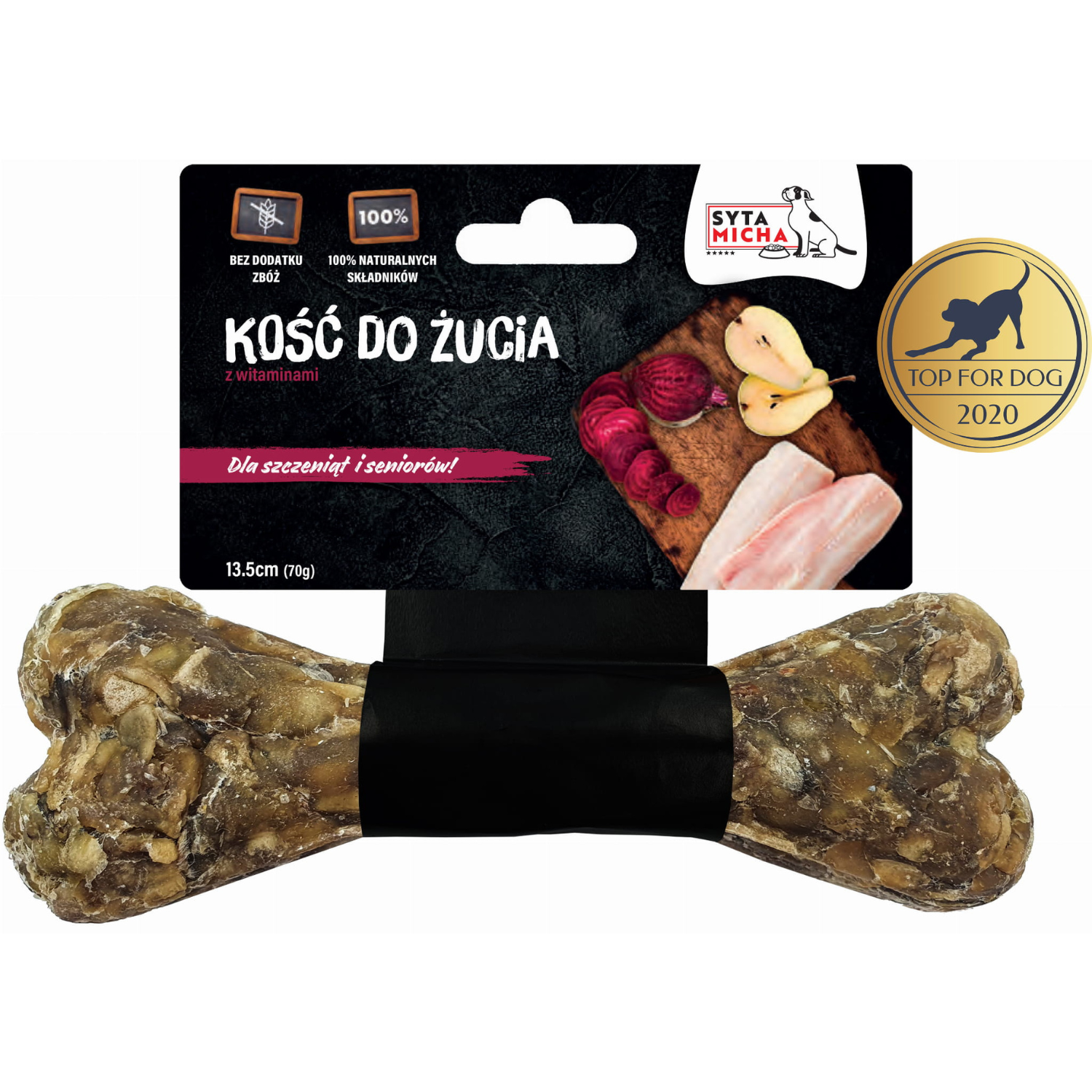
Products mentioned
 You collect HAU DOLCE points for your purchases
Frequently asked questions
Does a dog need more food in winter?
Usually not. A dog living in a heated home and going on shorter walks needs the same or less energy. A working or sporting dog that spends a lot of time outdoors may need more calories.
How can I tell whether my dog has put on weight in winter?
Weigh it every 2-4 weeks and assess its figure on the BCS scale. Warning signs include the waist visible from above disappearing and a rounded belly when viewed from the side.
How much should I reduce the portion when my dog moves less?
By 5-10%. It is a small change that does not cause hunger. After 2-3 weeks, assess the results and, if needed, cut back on snacks rather than the basic, balanced daily ration.
How do I keep my dog hydrated in winter?
You can add warm water to dry food, put water bowls in several places around the home and introduce wet food from time to time, if it fits your dog’s feeding plan.