


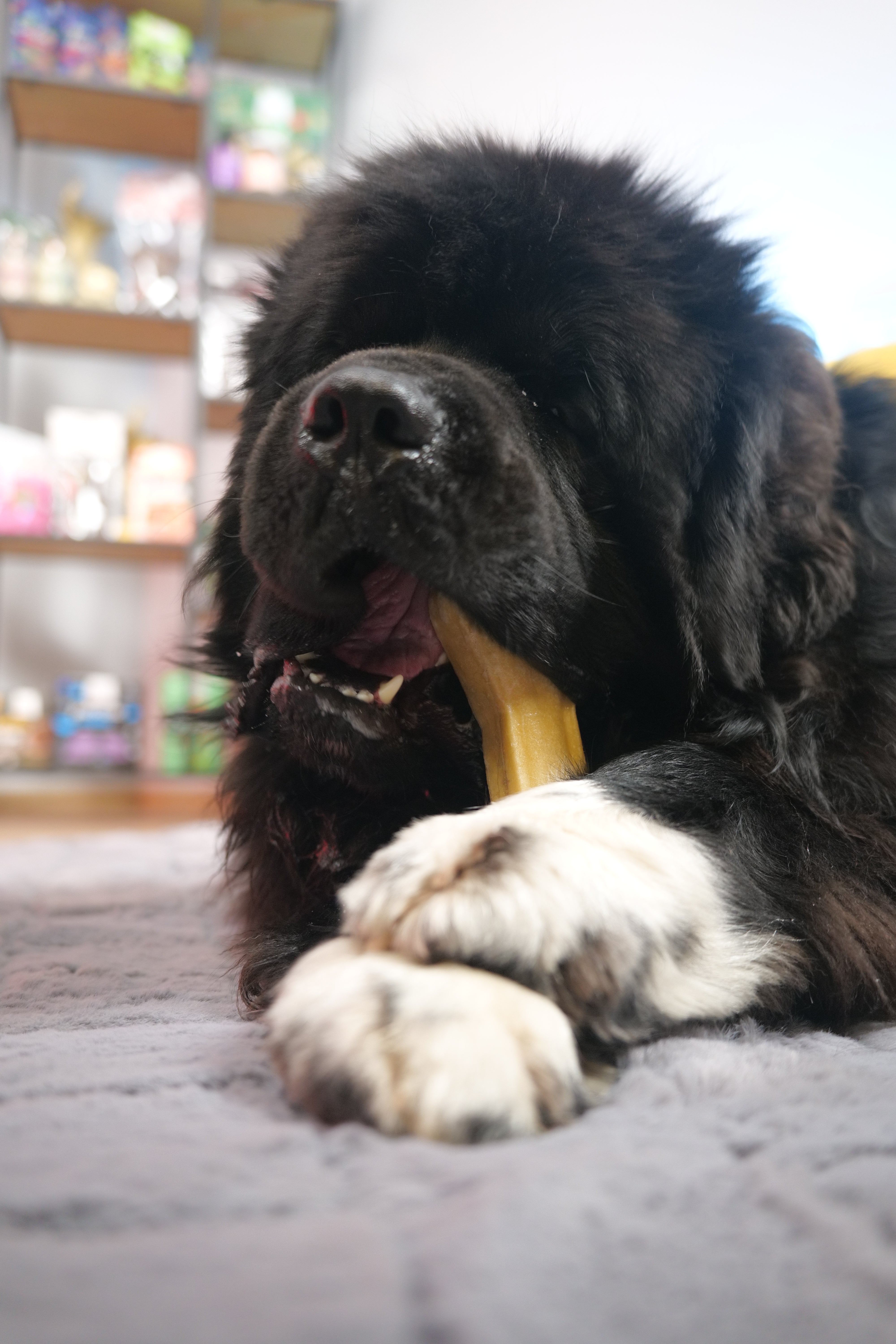
In winter, a dog’s skin is often harmed more by dry air in a heated home than by frost, so it is worth humidifying the air, cutting down on baths and brushing your dog regularly. Outdoors, sweet-tasting antifreeze is dangerous, so paws need washing after every walk. Puppies, seniors and short-haired dogs are more at risk of hypothermia and frostbite.
When we think of winter dangers, we usually picture blizzards, ice and low temperatures. Yet the real dangers for a dog are often less visible, and therefore easy to overlook.
We describe three factors that owners often forget about: dry air in a heated home, toxins outdoors and the body getting chilled.
Dry air at home and your dog’s skin
Paradoxically, many winter skin problems come not from the frost but from conditions in heated homes. During the heating season air humidity drops sharply, which encourages the mucous membranes and outer skin to dry out.
The result can be dandruff, persistent itching and a dull coat. These symptoms are sometimes mistaken for a food allergy, leading to unnecessary diet changes, when the cause is simply air that is too dry. Low humidity can also cause cracked paw pads and a dry nose, especially in dogs prone to skin conditions or with chronic allergies.
How to improve conditions at home
- Humidify the air - with a humidifier or a simple home trick, e.g. containers of water by the radiators.
- Do not overdo the baths - bathing too often in winter strips the skin of oils and makes dryness worse.
- Brush your dog regularly - brushing removes dead skin and mats, and improves blood circulation and skin condition.
Antifreeze in car parks and on streets
In winter, puddles of car fluids appear more often in car parks and along streets. The most dangerous is antifreeze containing ethylene glycol. It tastes sweet, so it attracts animals.
Ethylene glycol is highly toxic. A small amount licked off the pavement, a tyre or a paw can lead to acute poisoning, kidney damage and even death. That is why washing the paws thoroughly after every walk matters so much, whether or not your dog had visible contact with a suspicious substance.
Which dogs feel the cold most
A coat gives most dogs natural protection, but it does not make them fully resistant to frost. The body getting chilled, or hypothermia, is a real danger, especially for dogs in higher-risk groups:
- puppies (immature thermoregulation),
- older and chronically ill dogs,
- short-haired breeds and breeds without an undercoat (e.g. sighthounds, Pinschers, Dobermanns),
- dogs with a low body weight or that are underweight.
Hypothermia and frostbite - when to cut the walk short
Frostbite most often affects the ears, tail, paw pads, the scrotal area and the nipples. Look out for:
- pale or bluish skin,
- blisters that appear after warming up,
- signs of pain when touched, or licking of particular spots.
If you suspect frostbite or hypothermia, end the walk straight away, take your dog into a warm room, dry it thoroughly and warm it gradually, e.g. by covering it with a blanket. Avoid rapid warming (a hot bath, a hairdryer), as it can make tissue damage worse. With more serious symptoms, contact your vet immediately.
Winter prevention in brief
Keeping your dog safe in winter is not just about a warm coat and shorter walks. It also means:
- the right microclimate at home, which protects against dry skin and recurring skin problems,
- vigilance about toxins on roads and pavements, such as antifreeze,
- being able to recognise the first signs of chilling and frostbite.
Regular grooming, sensible walks and attention to the details of daily care make your dog more comfortable and safer in winter. Many winter dangers can be prevented with simple, consistent prevention, at home and outdoors.
Products mentioned
 You collect HAU DOLCE points for your purchases
Frequently asked questions
Is dandruff in a dog in winter a food allergy?
Not necessarily. Dandruff, itching and a dull coat in winter often come from air that is too dry in a heated home and are sometimes mistaken for a food allergy.
How do I look after my dog’s skin during the heating season?
Humidify the air, e.g. with a humidifier or containers of water by the radiators, do not bathe your dog too often and brush it regularly.
Which dogs are most at risk of hypothermia?
Puppies, older and chronically ill dogs, short-haired breeds and breeds without an undercoat, e.g. sighthounds, Pinschers and Dobermanns, and dogs with a low body weight.
How should I warm my dog if I suspect frostbite?
Take it into a warm room, dry it and warm it gradually, e.g. with a blanket. Avoid a hot bath or a hairdryer, and with more serious symptoms contact your vet immediately.