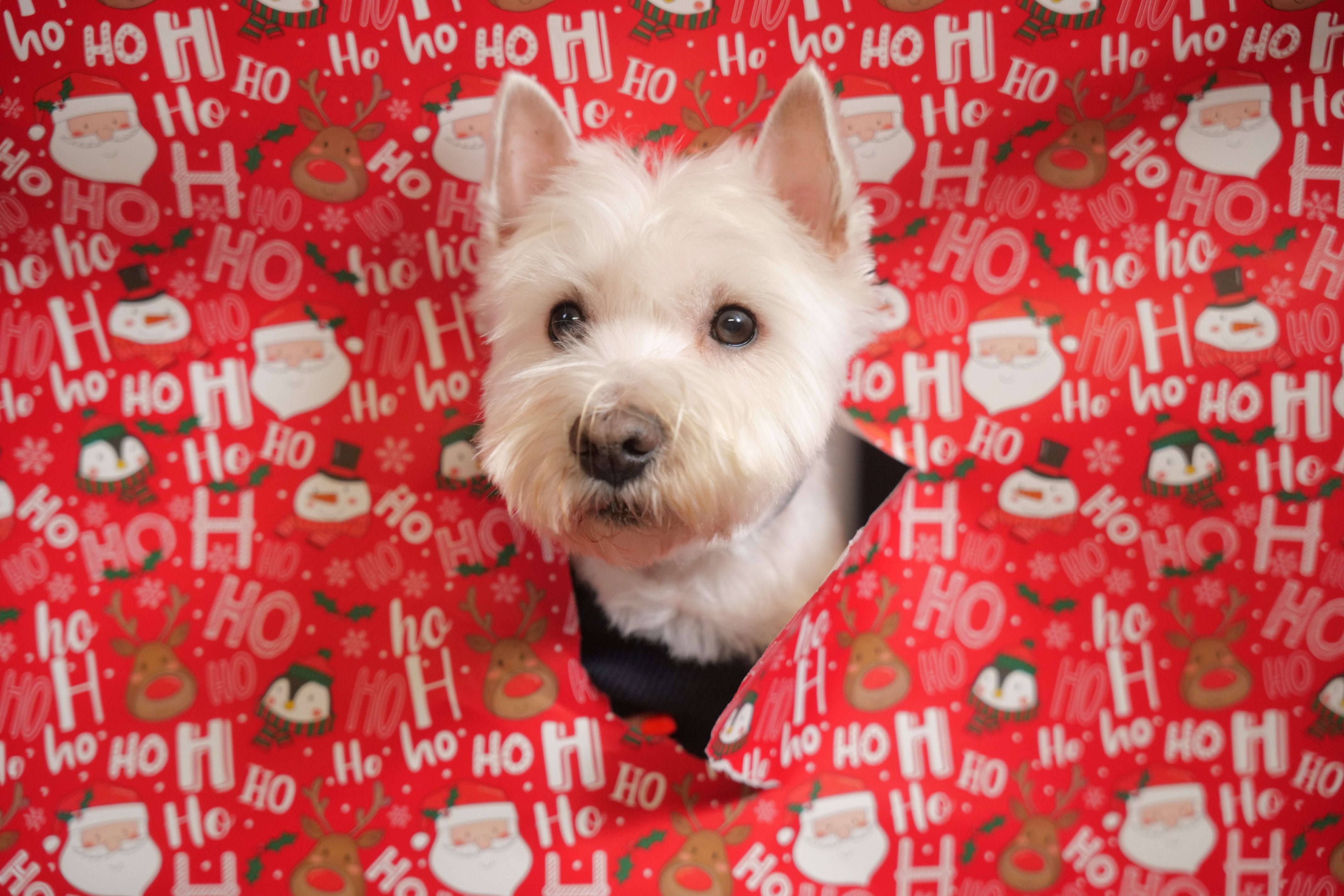
Festive dishes are too fatty and salty for a dog and often contain toxic ingredients: raisins, chocolate, onion, garlic or xylitol. Even a small piece can cause pancreatitis or poisoning, so the safest approach is zero leftovers from the table, with your dog’s own safe treats prepared instead.
Winter is a time of family gatherings, the smell of roasting food and pleading dog eyes from under the table. We know that feeding a dog human food is a bad idea, but in the festive atmosphere a moment of weakness comes easily, and guests are not always careful.
Unfortunately, this kind of ‘leniency’ can cost your dog its health. We explain what happens in a dog’s body after a piece of fried carp, a pierogi with mushrooms and crackling, or poppy seed cake with raisins, and how to protect it from the traps of the Christmas Eve table.
Why dogs fall ill at Christmas
The festive season is one of the busiest times at veterinary practices, and the most common reason for visits is uncontrolled ‘human-style’ feeding.
A dog’s digestive system is adapted to a consistent, balanced and minimally processed diet. Festive dishes come as a shock to it: fatty, hard to digest, heavily seasoned and often containing toxic ingredients.
One day of straying from the routine is enough to bring on diarrhoea, vomiting or a flare-up of chronic conditions. The biggest danger, however, is acute pancreatitis, well documented as a result of suddenly eating a large amount of fat (fried meats, skin, sauces).
Toxic ingredients in festive dishes
Even if a dish seems ‘safe’, the risk often hides in the filling, the sauce or the seasoning.
Salt in cold cuts and herring
Dogs tolerate sodium chloride very poorly. Too much salt, especially with limited access to water, leads to poisoning. Symptoms include weakness, vomiting, diarrhoea, muscle tremors and, in severe cases, seizures. The acute toxic dose is around 4 g/kg of body weight, but symptoms can appear at just 2-3 g/kg. Cold cuts and herring are particularly risky in this respect.
Grapes and raisins
Grapes, raisins and kutia can lead to sudden kidney damage. The most suspected toxin today is tartaric acid. Toxicity does not depend on the dog’s weight; sometimes literally a single one does harm.
Hidden in cakes, fillings and sauces
- Xylitol - a sharp drop in blood glucose, risk of liver failure.
- Onion and garlic - destroy red blood cells (haemolytic anaemia).
- Chocolate - methylxanthines (theobromine, caffeine) cause hyperactivity and vomiting, and at doses from 60 mg/kg seizures and heart rhythm disturbances. Dark chocolate is the most dangerous.
- Cooked bones - become brittle and splinter into sharp fragments, risking choking, blockage and perforation of the intestines.
The ‘just a small piece’ myth
What is a token piece for a person can mean, for a dog weighing 5-10 kg:
- a large dose of fat that triggers pancreatitis,
- exceeding the safe limit for salt,
- contact with a toxin, e.g. garlic in a filling or raisins in a cake.
The safest rule is zero human leftovers, no exceptions.
12 Christmas Eve dishes we do not give a dog
| Dish | Why not |
|---|---|
| Poppy seed cake, kutia | raisins, nuts, chocolate |
| Pierogi with mushrooms, uszka dumplings | onion in the filling, fat |
| Fried carp | fish bones, frying |
| Herring | a lot of salt |
| Bigos | onion, spices, fat |
| Vegetable salad | mayonnaise, onion, salt |
| Beetroot soup (barszcz) | usually with garlic |
| Smoked and heavily seasoned meats, cold cuts | salt and preservatives |
| Dried fruit compote | dried fruit, including raisins |
| Greek-style fish | onion, fried fish |
| Cakes, gingerbread | chocolate, sweeteners (xylitol), fat |
| Sauces and soups | a lot of fat and salt |
What to treat your dog to instead of leftovers
Your dog can enjoy the festive atmosphere without any risk to its health. Prepare its own safe feast:
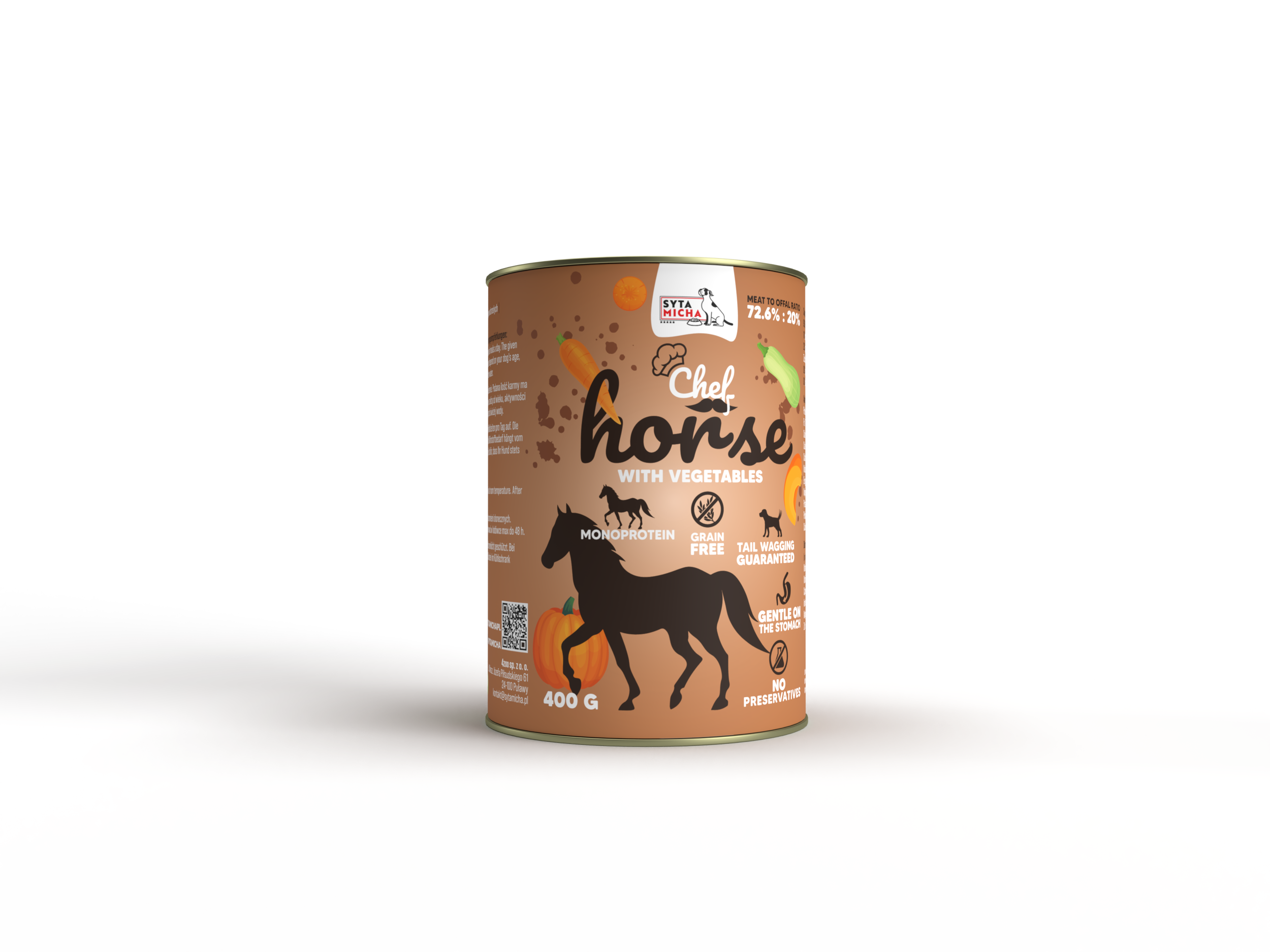
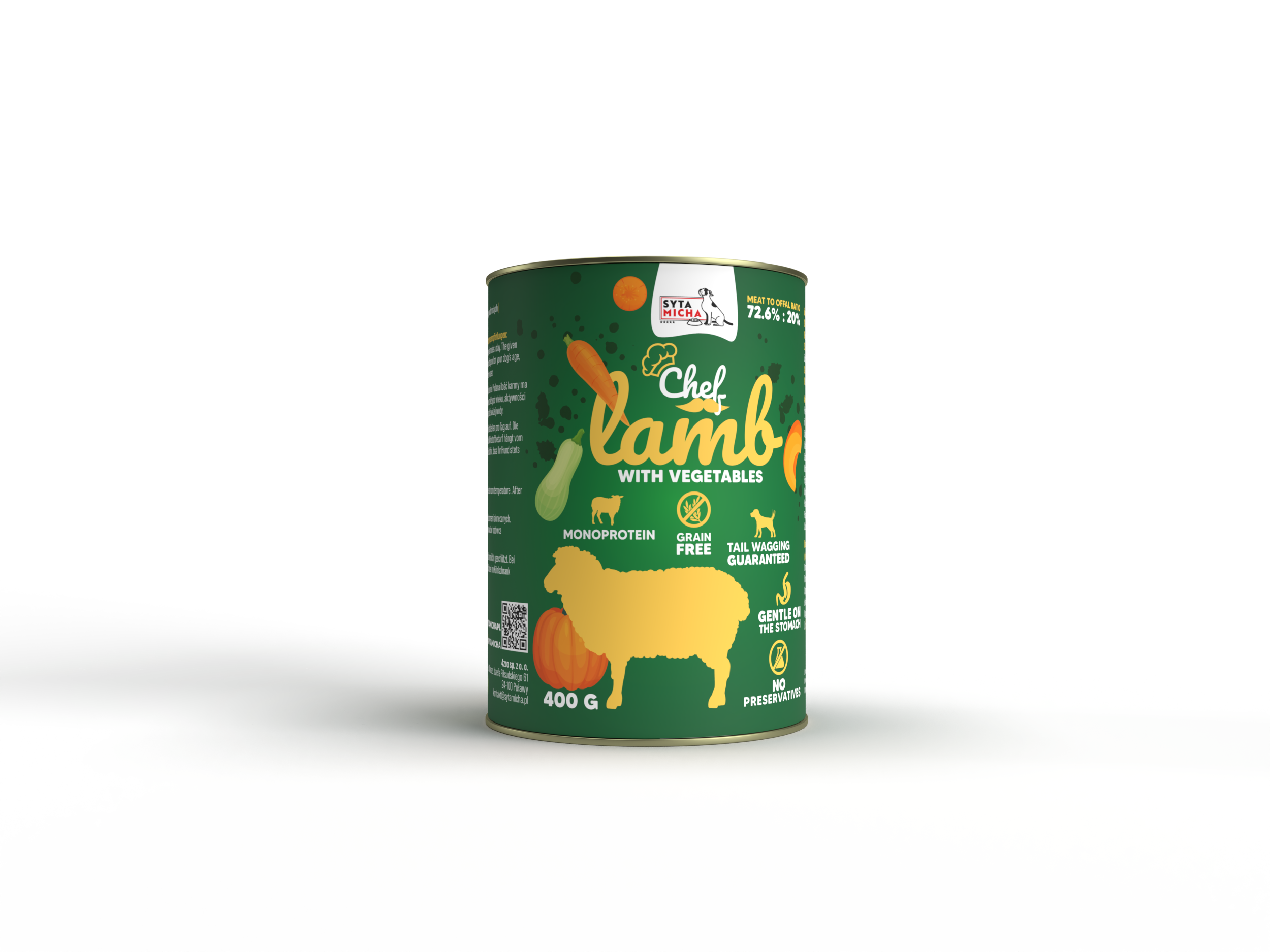
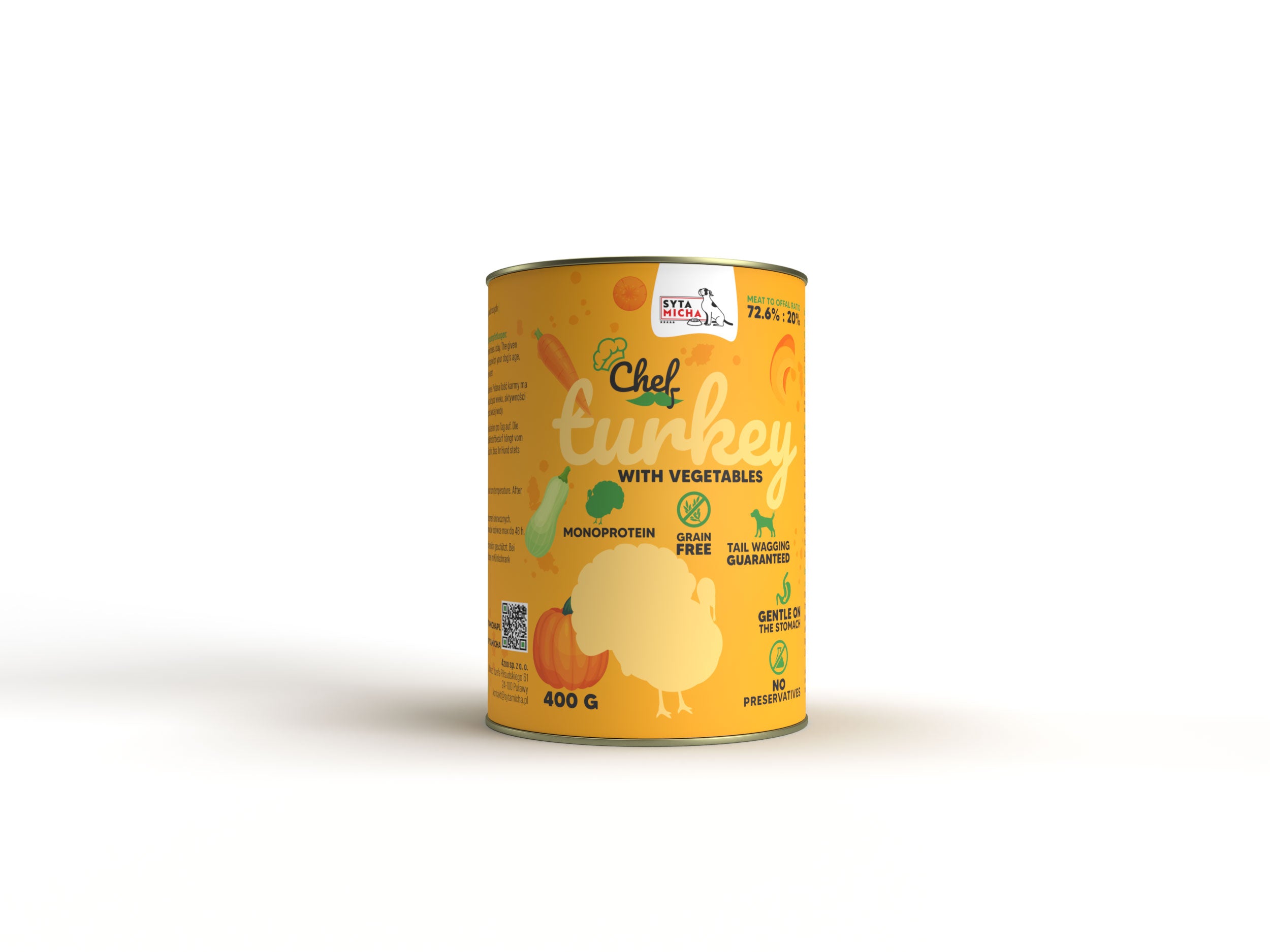
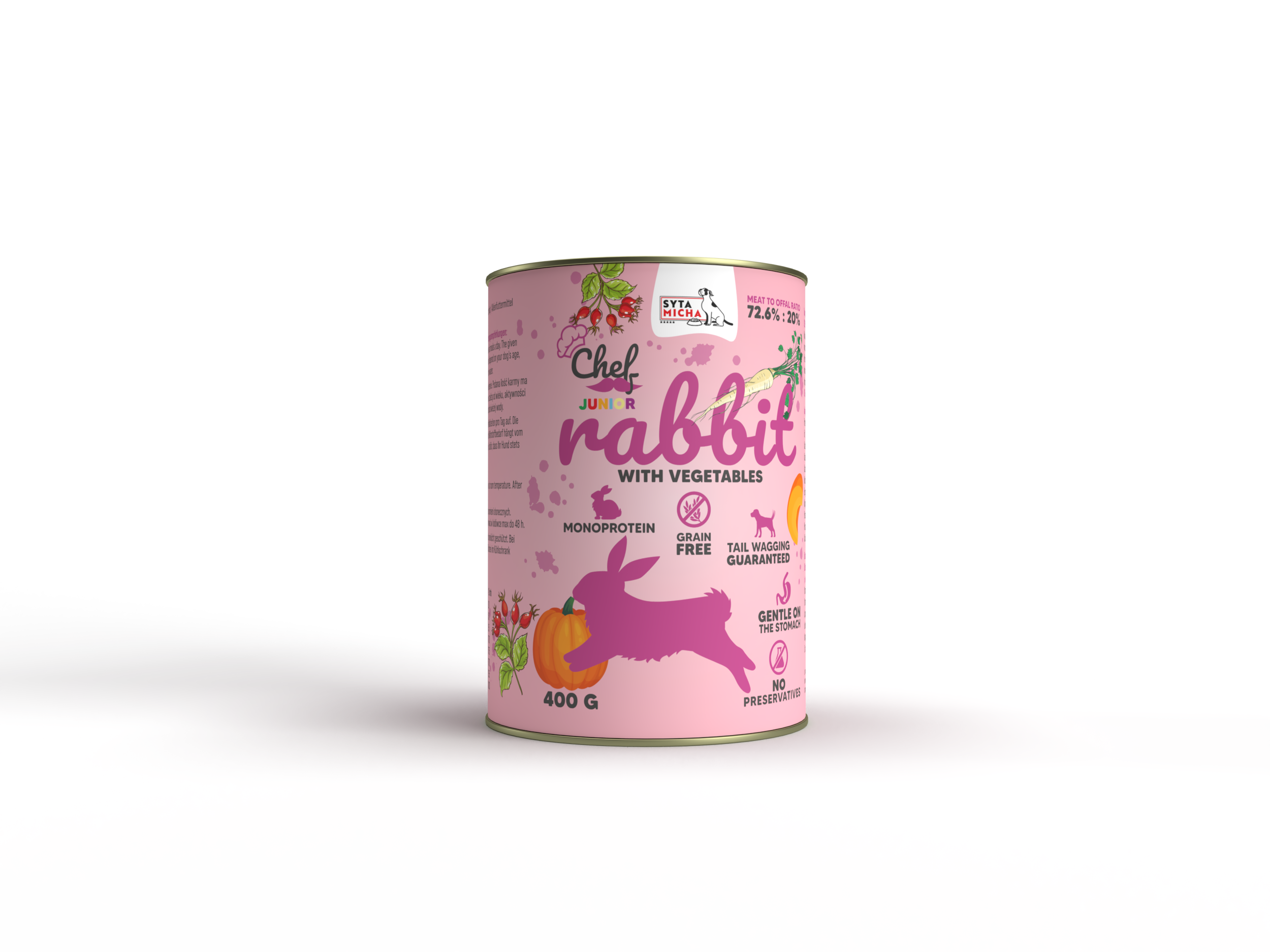
- boiled turkey without seasoning, skin or salt,
- cooked vegetables: carrot, pumpkin, potatoes,
- a small piece of boiled, baked or steamed fish without skin: salmon, cod, pollock, halibut,
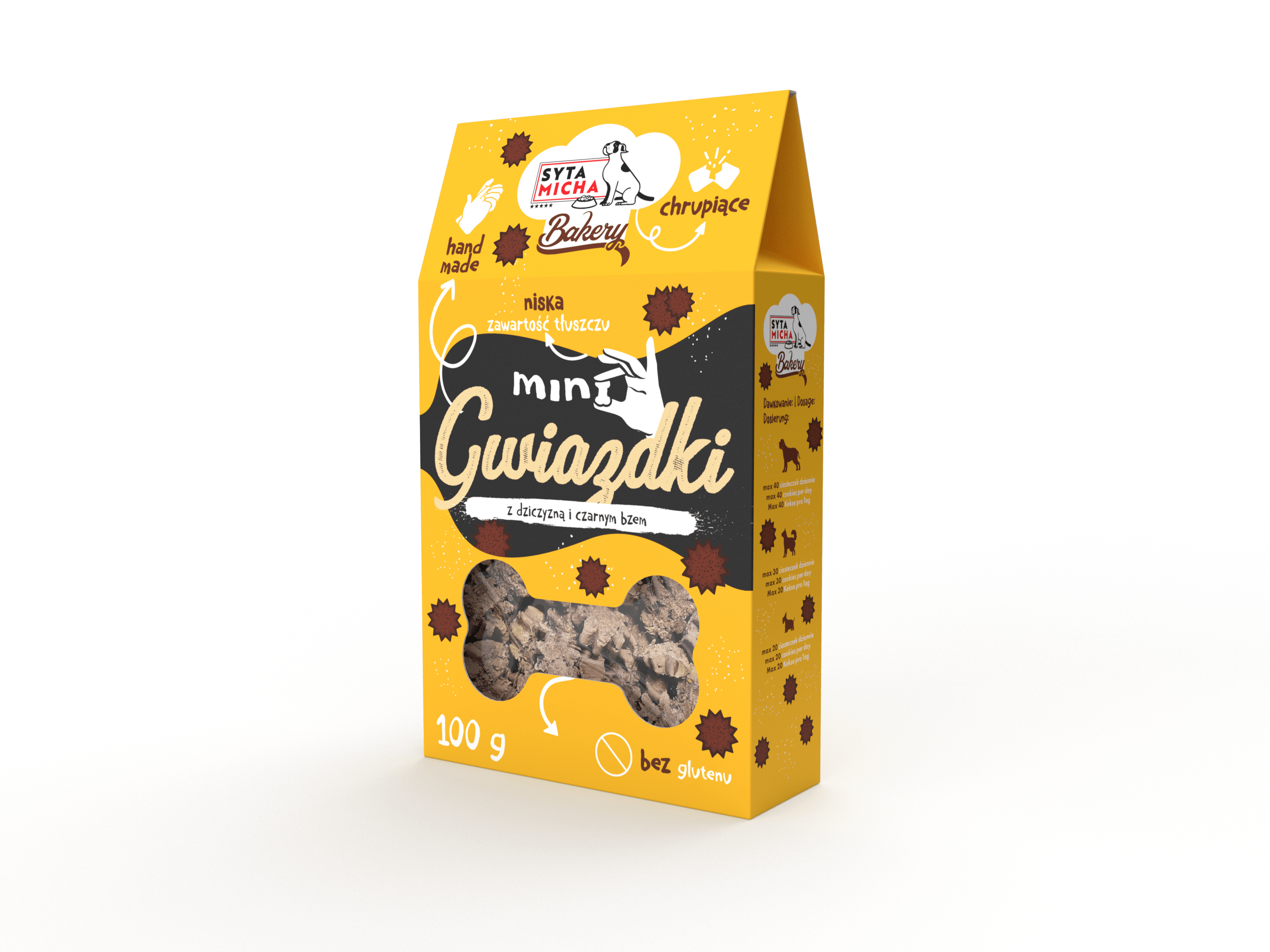
- home-made dog biscuits from well-tolerated fruit and vegetables and, for example, oat flakes,
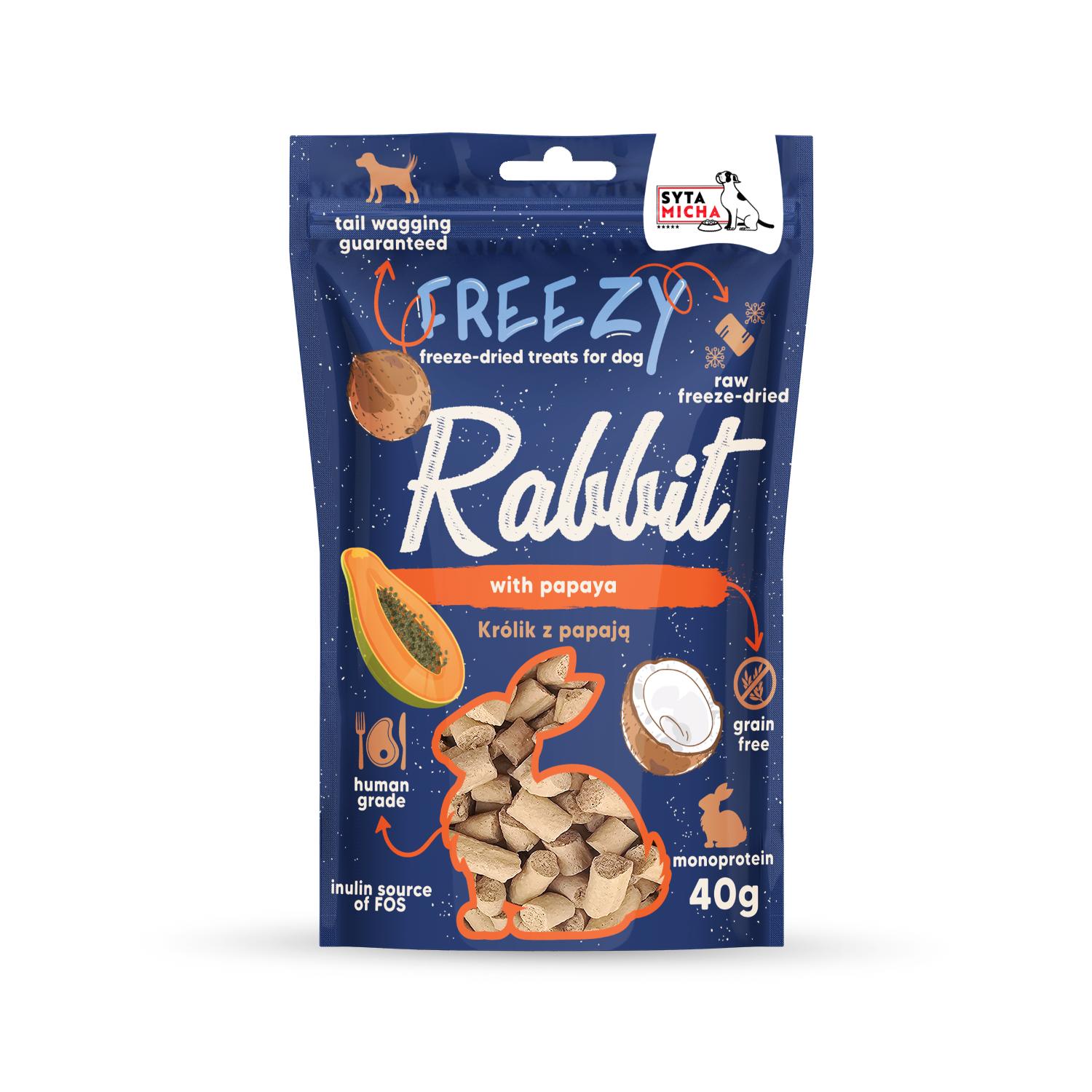
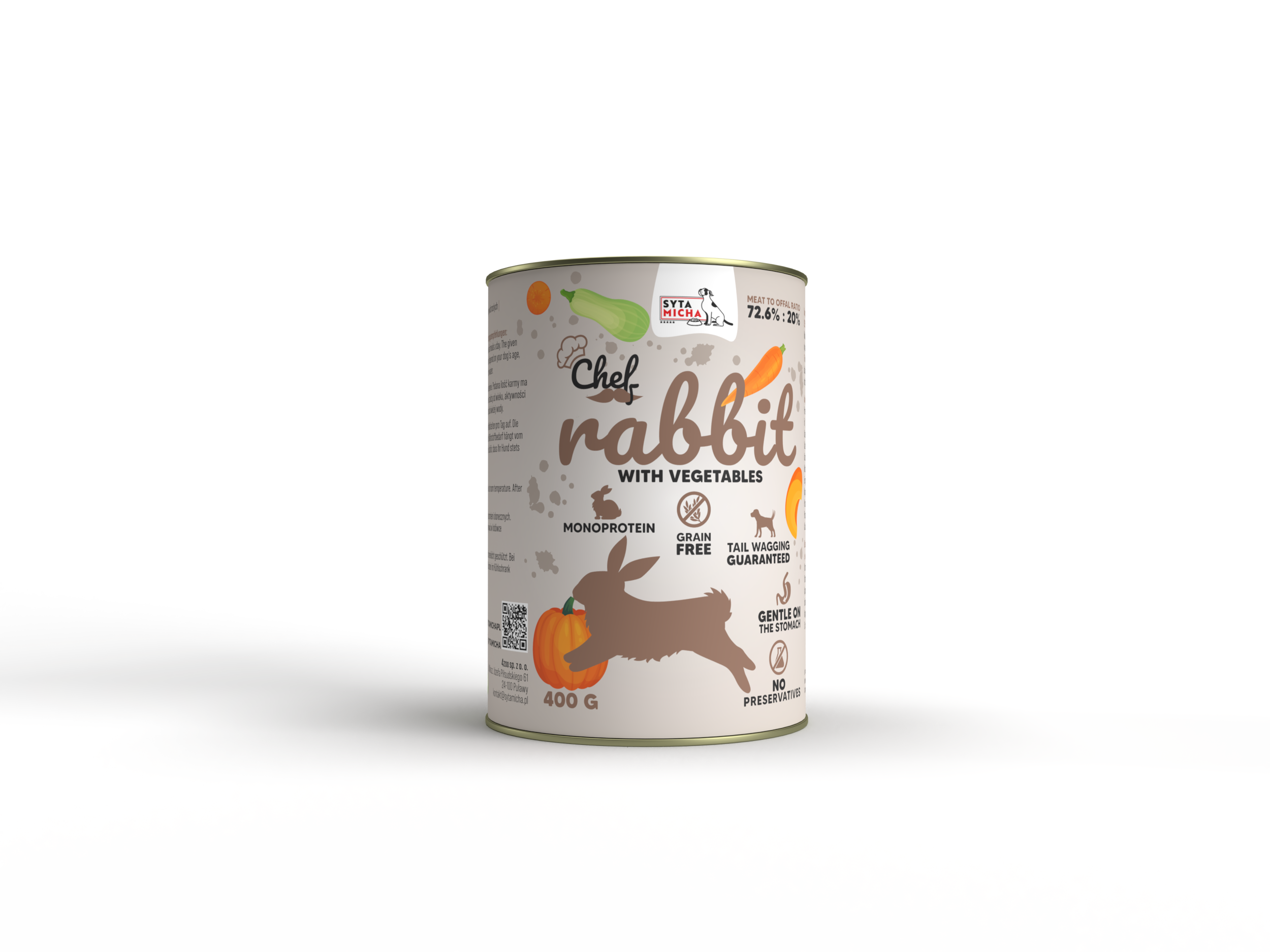
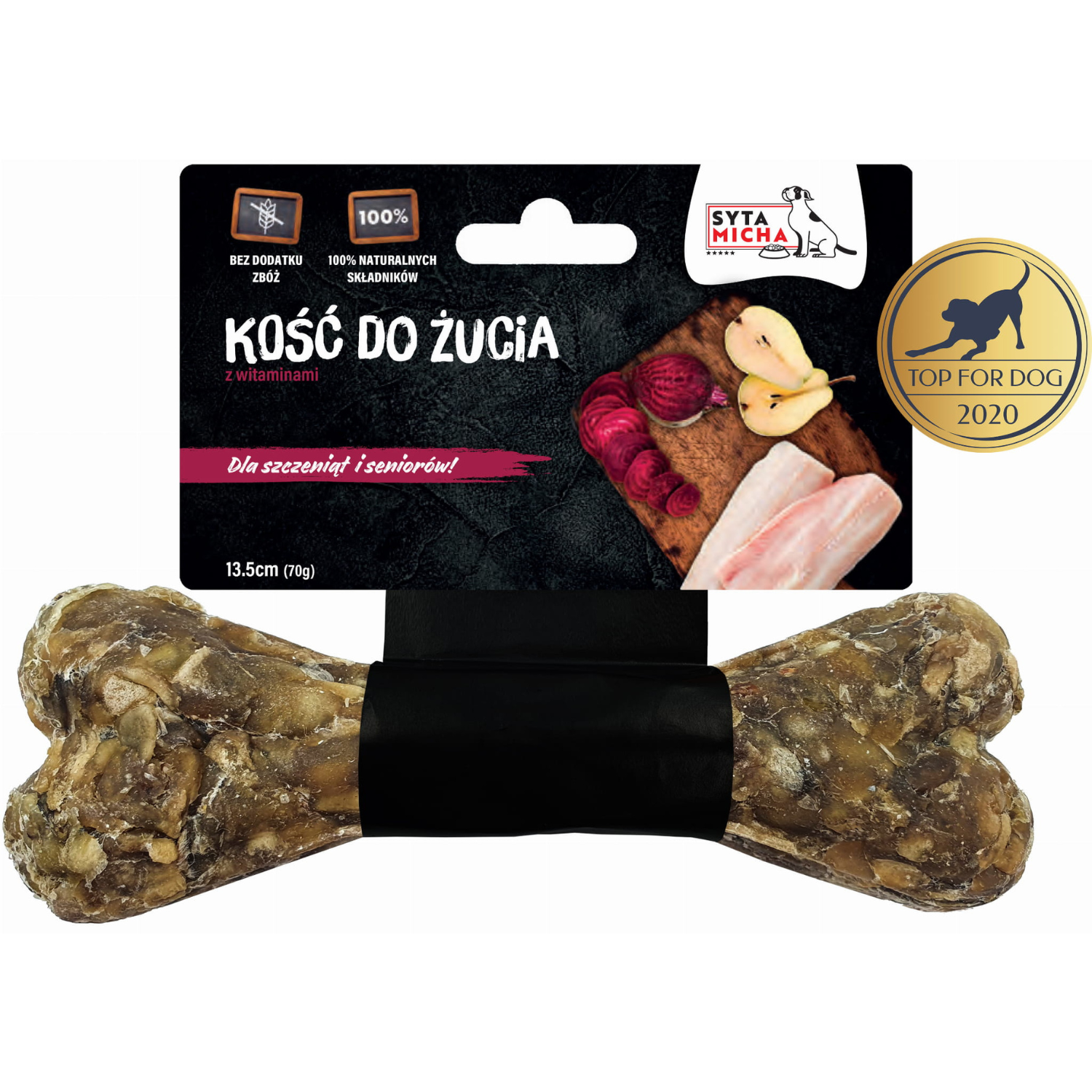
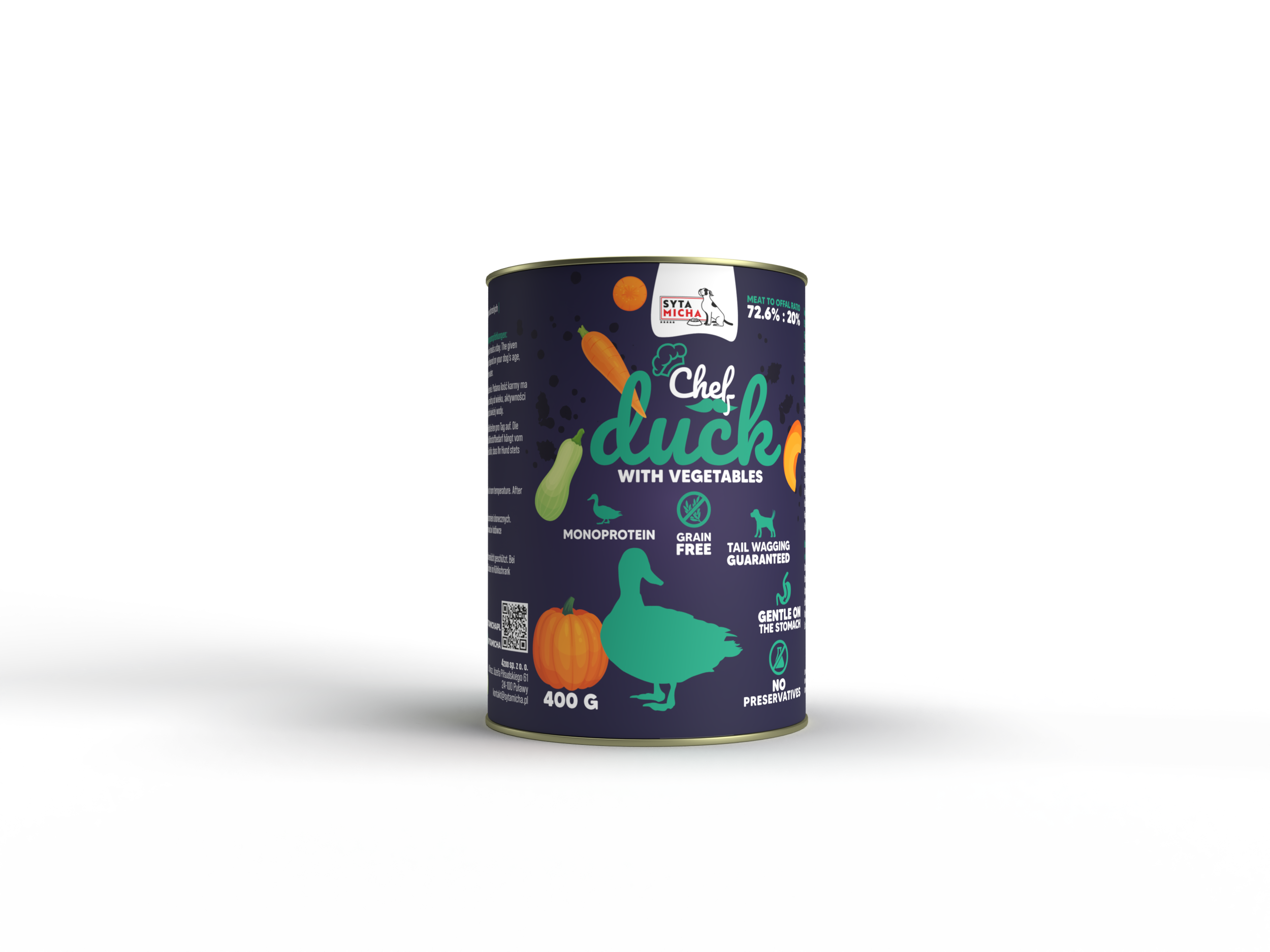
- treats made for dogs, up to 10% of the daily diet’s calories.
An iron rule: never anything fried, breaded, smoked, and no cooked bones.

7 rules for a peaceful Christmas
The rule is simple: one owner decides what the dog gets.
- No food from the table - warn your household and guests (a ‘Please do not feed the dog!’ note works brilliantly).
- Something for the dog to do - get treats, a snuffle mat and Kong-type toys ready.
- Secure the bin - festive leftovers are a serious danger.
- Keep an eye on children - they often feed the dog out of kindness, unaware of the risk.
- Plenty of exercise - it reduces excitement and begging.
- Do not leave food unattended when your dog is nearby.
Has your dog eaten something risky? Call the vet
If your dog has eaten something from the list of dangers, call your vet immediately. Waiting for symptoms reduces the chances of effective help. Especially urgent are:
- raisins and grapes,
- chocolate,
- onion and garlic,
- xylitol.
Products mentioned
 You collect HAU DOLCE points for your purchases
Frequently asked questions
Can a dog eat a small piece of a festive dish?
Better not. For a dog weighing 5-10 kg, a small piece can mean a large dose of fat, exceeding the salt limit or contact with a toxin, e.g. garlic or raisins.
How many raisins are dangerous for a dog?
The toxicity of grapes and raisins does not depend on the dog’s weight; sometimes literally a single one does harm. They can lead to sudden kidney damage.
What can I treat my dog to at Christmas?
Boiled turkey without seasoning or skin, cooked vegetables (carrot, pumpkin, potatoes), a small piece of boiled fish without skin, or dog treats up to 10% of daily calories.
What should I do if my dog has eaten chocolate, raisins or onion?
Call the vet immediately. Waiting for symptoms reduces the chances of effective help.
Why is fatty food dangerous for dogs?
Suddenly eating a large amount of fat, e.g. fried meat, skin or sauces, is a well-documented cause of acute pancreatitis.