The condition of a dog’s skin and coat depends to a large extent on its diet, especially on the essential omega-3 and omega-6 fatty acids, protein, vitamins and minerals. MCT oil can indirectly support overall condition, but it does not replace omega-3 and omega-6. Functional oils support the diet, but severe or recurring skin problems need a visit to the vet.
A dull coat, dandruff, persistent itching or excessive shedding are common worries for owners. Before you reach for yet another shampoo, take a look in your dog’s bowl. The look of the skin and coat depends to a large extent on what your dog eats, and problems often stem from a deficiency of essential fatty acids (EFAs).
A shiny coat is not just decoration, but also a reflection of your dog’s overall condition. Below we explain which dietary components matter here and how functional oils can help.
Why coat care starts with diet
Bathing and brushing are important, but what your dog eats has a direct effect on the condition of its skin and coat. Nutrient deficiencies can lead to a dull, brittle coat, excessive shedding or skin problems.
The most important nutrients for skin and coat are:
- the essential fatty acids omega-3 and omega-6,
- complete protein,
- vitamins A, E and B7,
- minerals such as zinc and copper.
Omega-3 and omega-6 fatty acids - the foundation of healthy skin
A dog’s body does not produce these acids itself, so they have to come from the daily diet. Each group plays a slightly different role:
- Omega-6 (e.g. linoleic acid) helps maintain a healthy hydrolipid barrier in the skin. It acts like a binder that seals the outer skin and protects it from water loss and external factors. A deficiency encourages dryness, flaking and weaker hair.
- Omega-3 (especially EPA and DHA) has an anti-inflammatory effect. It can ease itching and redness with skin allergies, and it also nourishes the hair follicles, which supports shine and less brittleness of the coat.
Balance matters too: too much omega-6 without enough omega-3 can make inflammation worse.
Functional oils for skin and coat - what is in Dogtor Skin & Coat
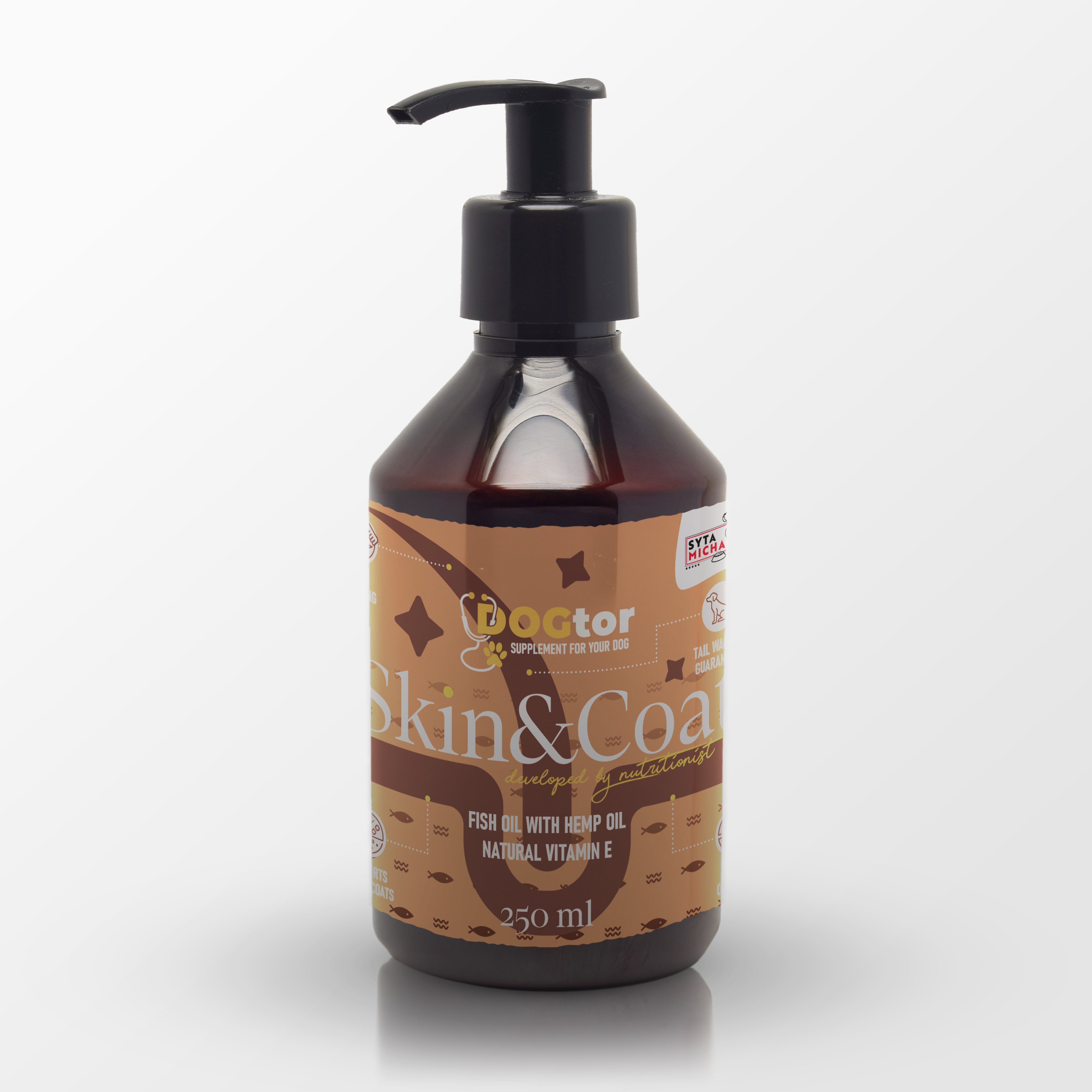
In the Dogtor line we have created Dogtor Skin & Coat oil, a blend of plant and fish oils designed to nourish the skin and coat from within. Its composition includes:
- Sardine oil - a source of the omega-3 fatty acids EPA (eicosapentaenoic acid) and DHA (docosahexaenoic acid), which have an anti-inflammatory effect and support the skin with allergies and irritation.
- Linseed oil - rich in alpha-linolenic acid (ALA) from the omega-3 group, which supports regeneration of the outer skin and the condition of the coat. In dogs, the conversion of ALA into EPA and DHA is limited, so linseed oil is best treated as an addition rather than the only source of omega-3.
- Hemp oil - has a favourable omega-6 to omega-3 ratio, which supports the skin’s lipid balance.
- Vitamin E - an antioxidant that protects skin cells from damage and supports their regeneration.
Which dogs could benefit from a skin and coat oil
- dogs with a dull, dry and brittle coat,
- dogs that shed excessively outside the usual moulting periods,
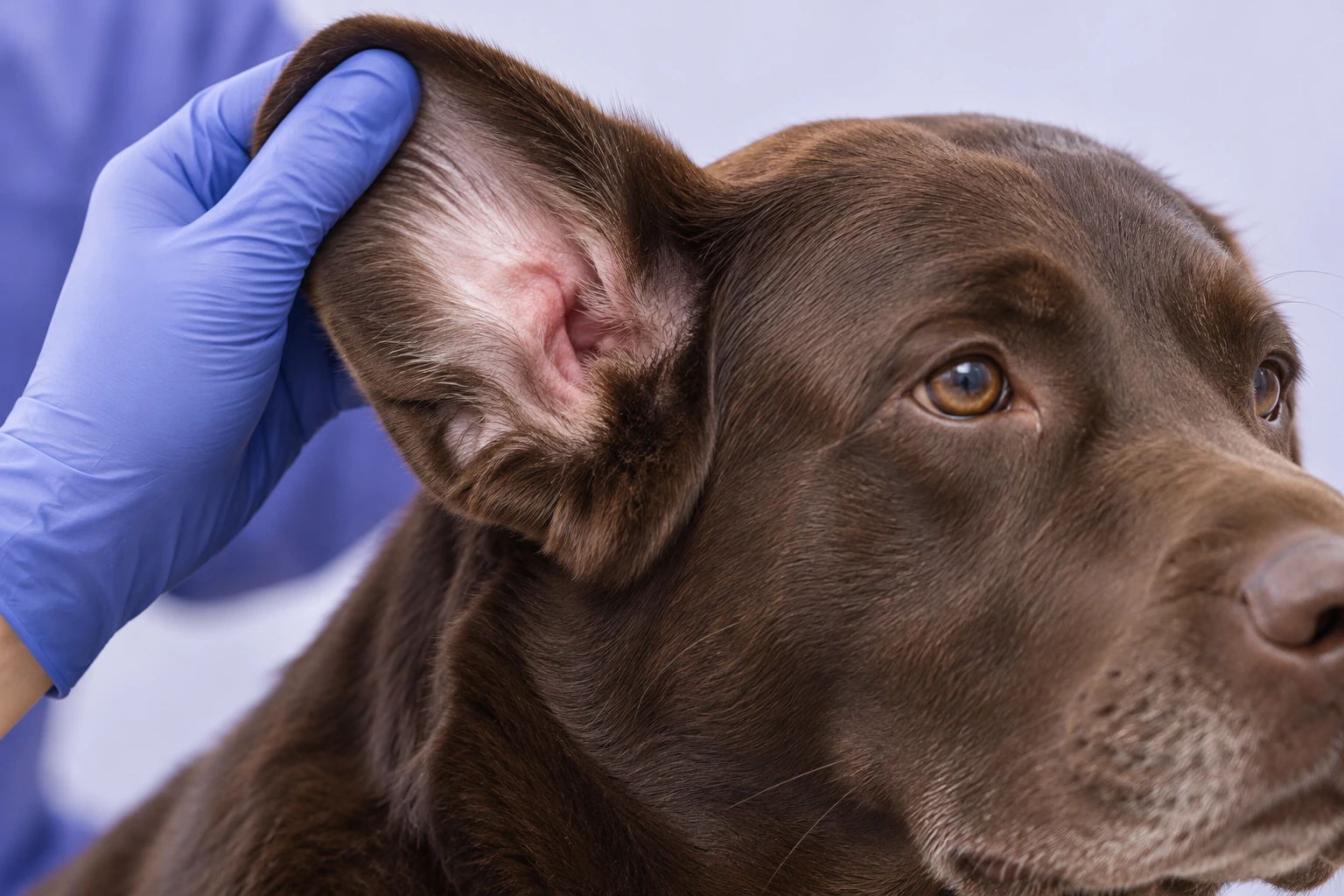
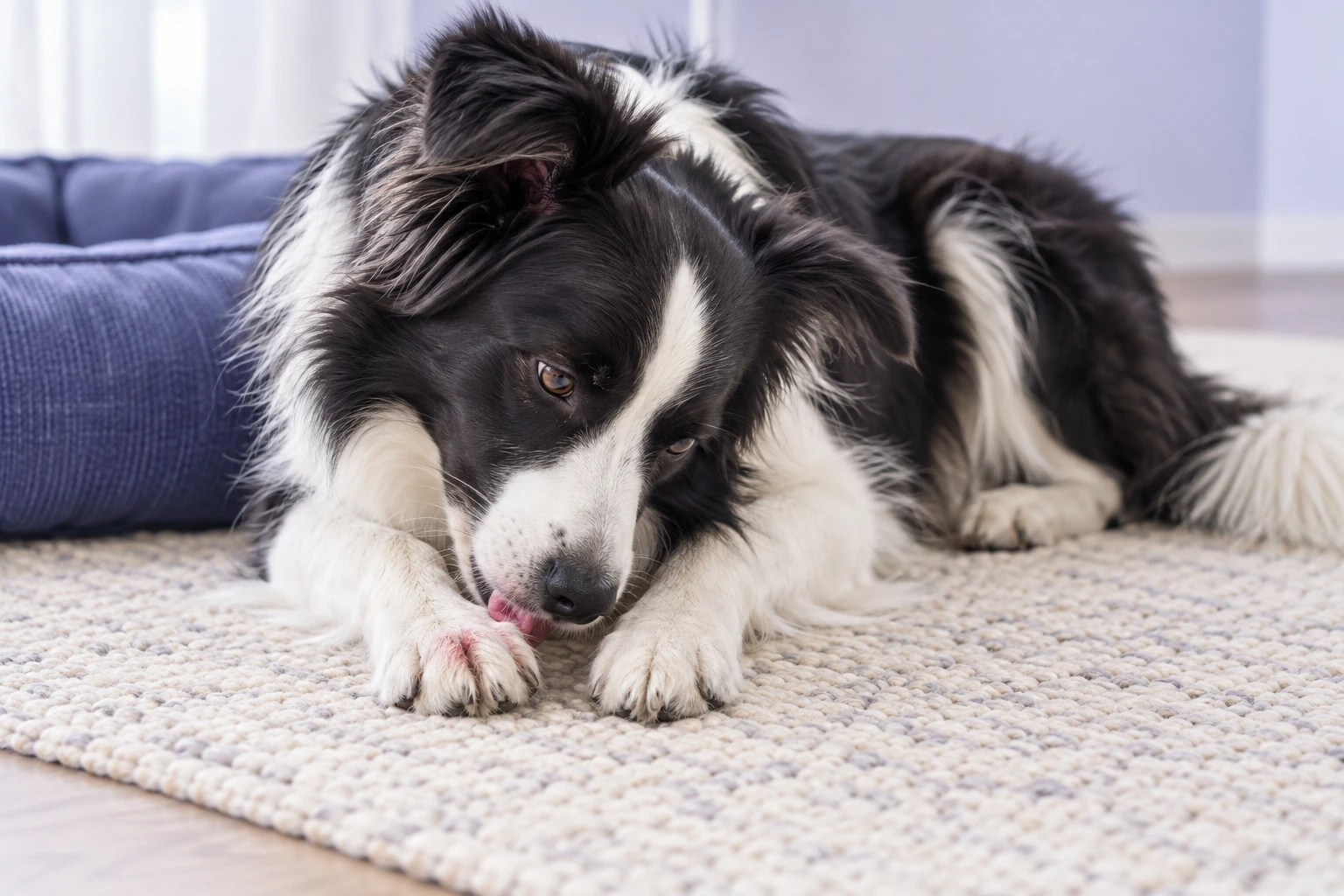
- dogs with skin allergies, dandruff or that scratch frequently,
- dogs that need support during the show season.
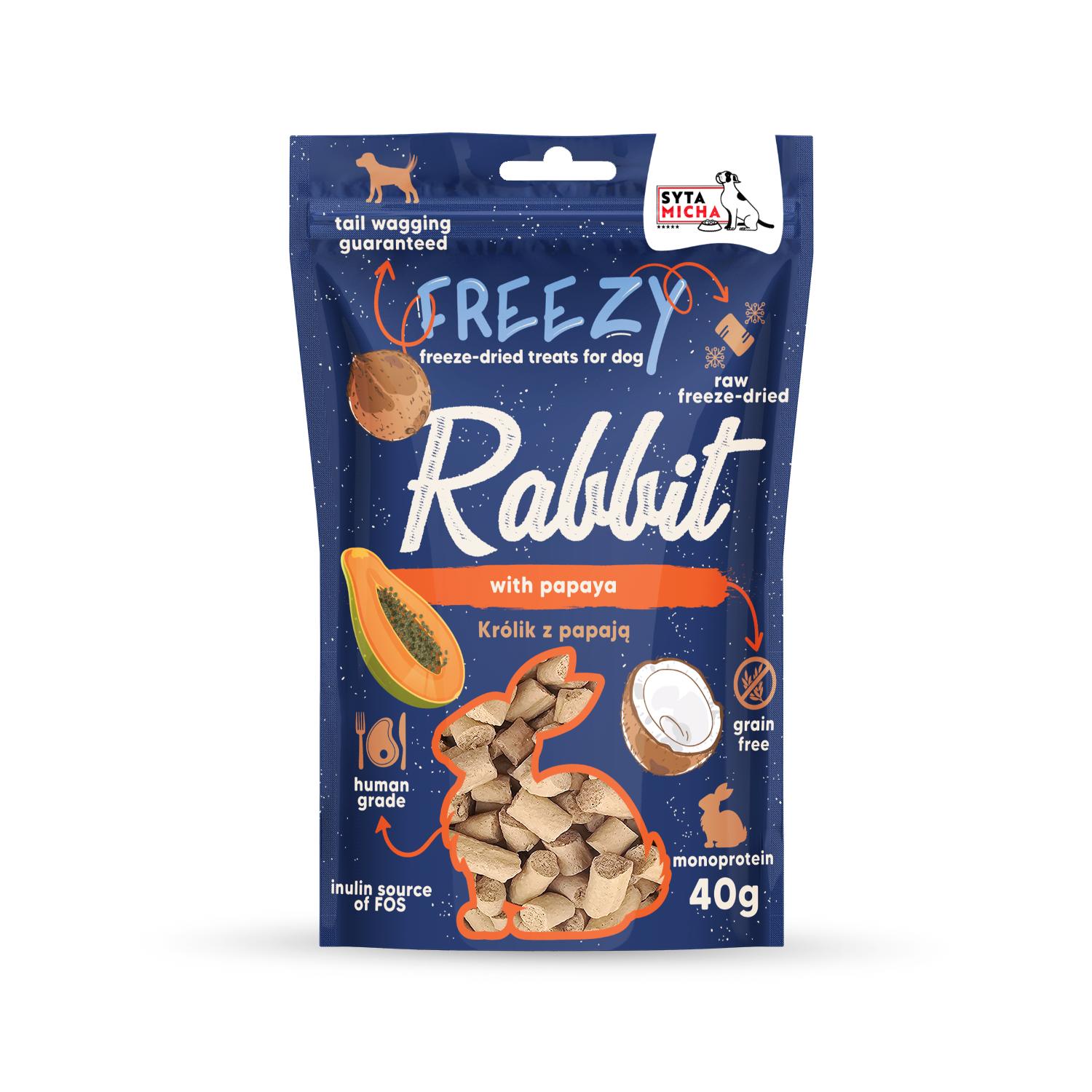
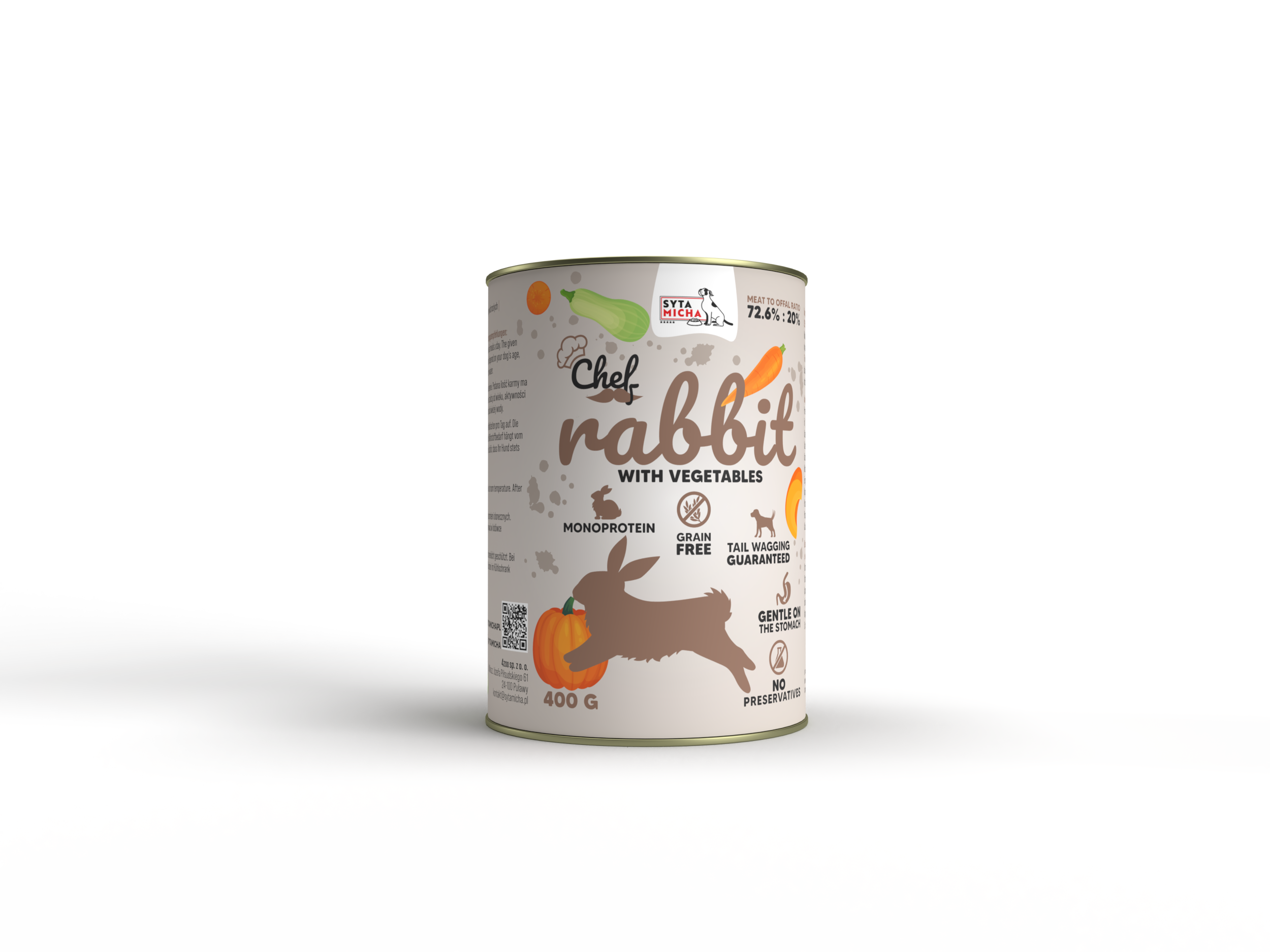
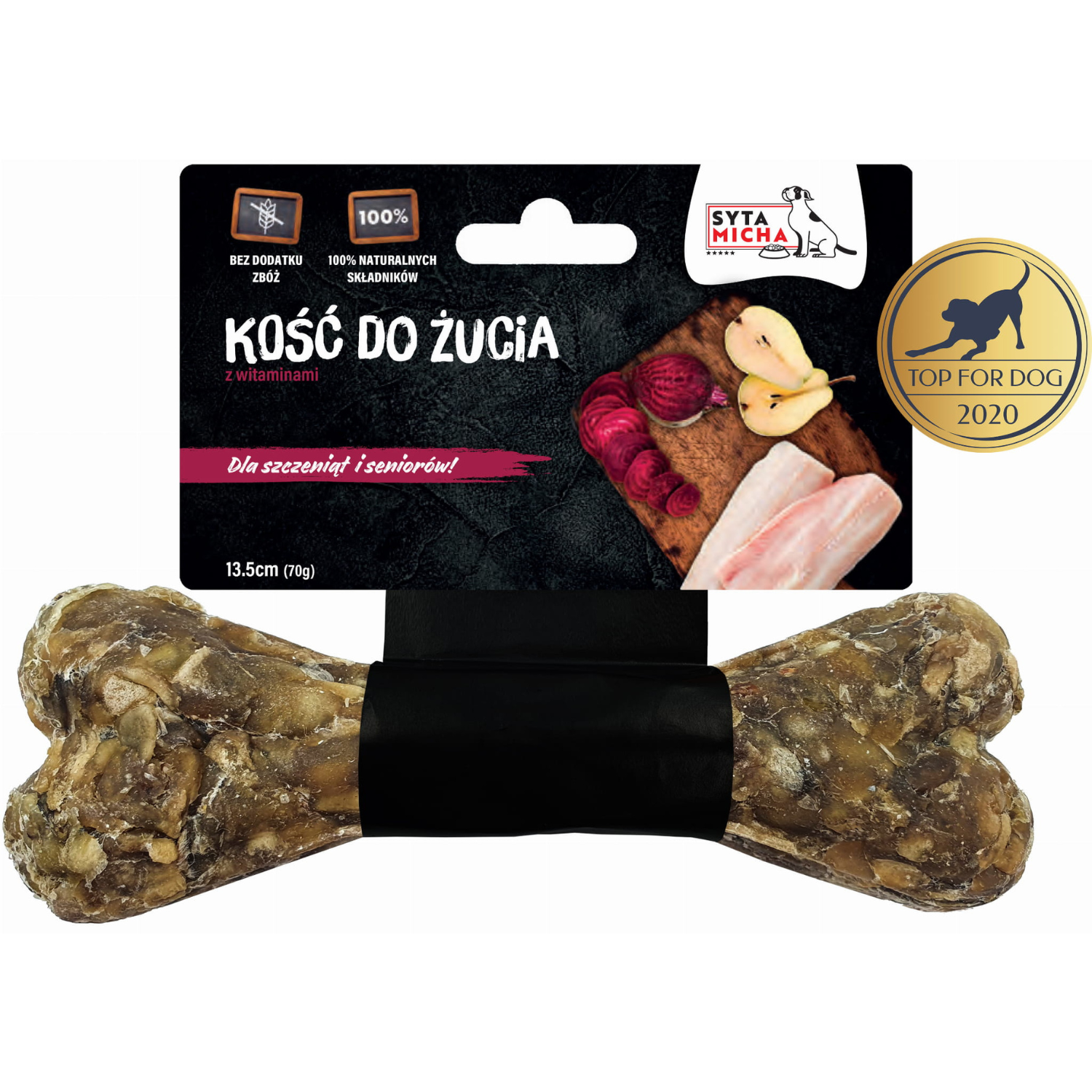
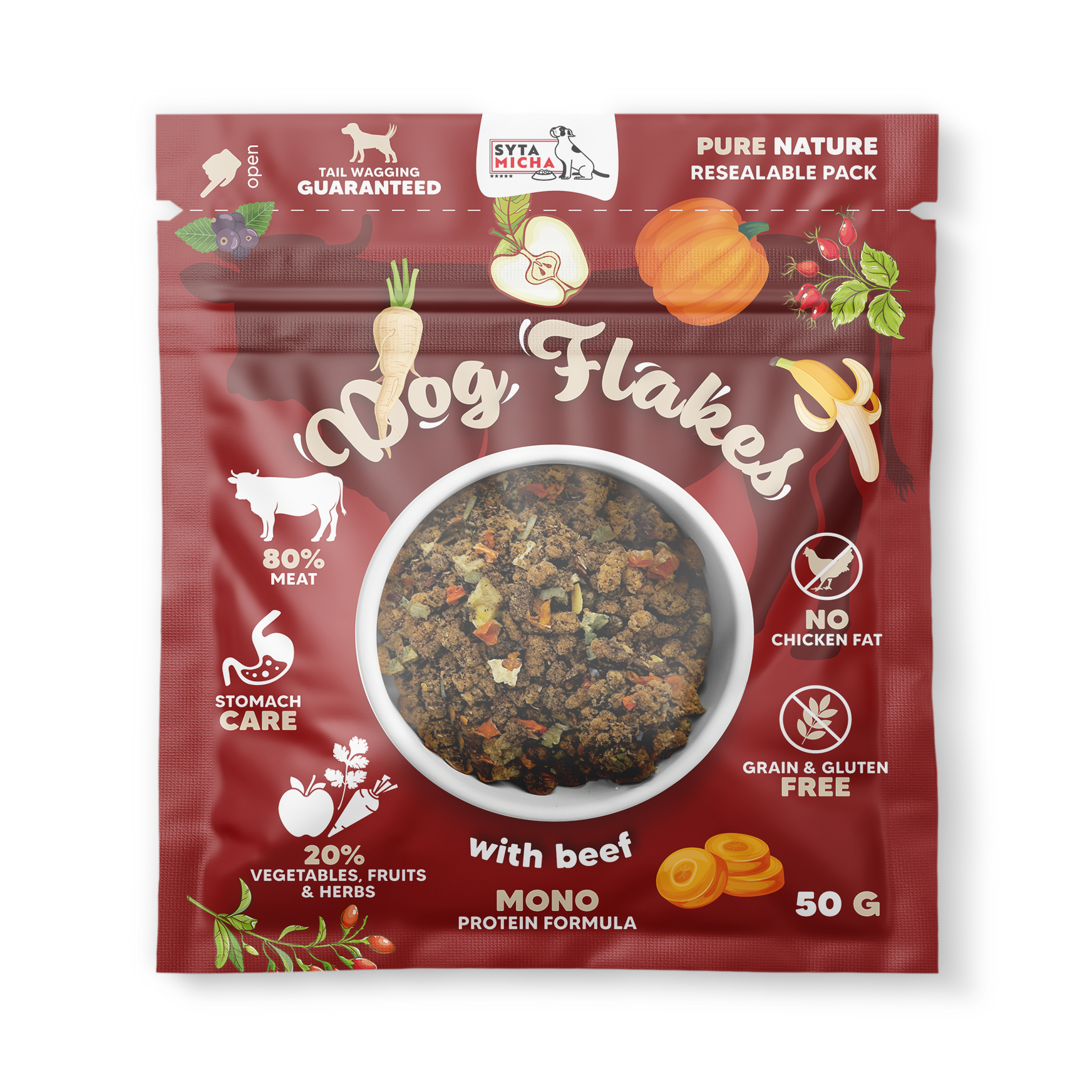
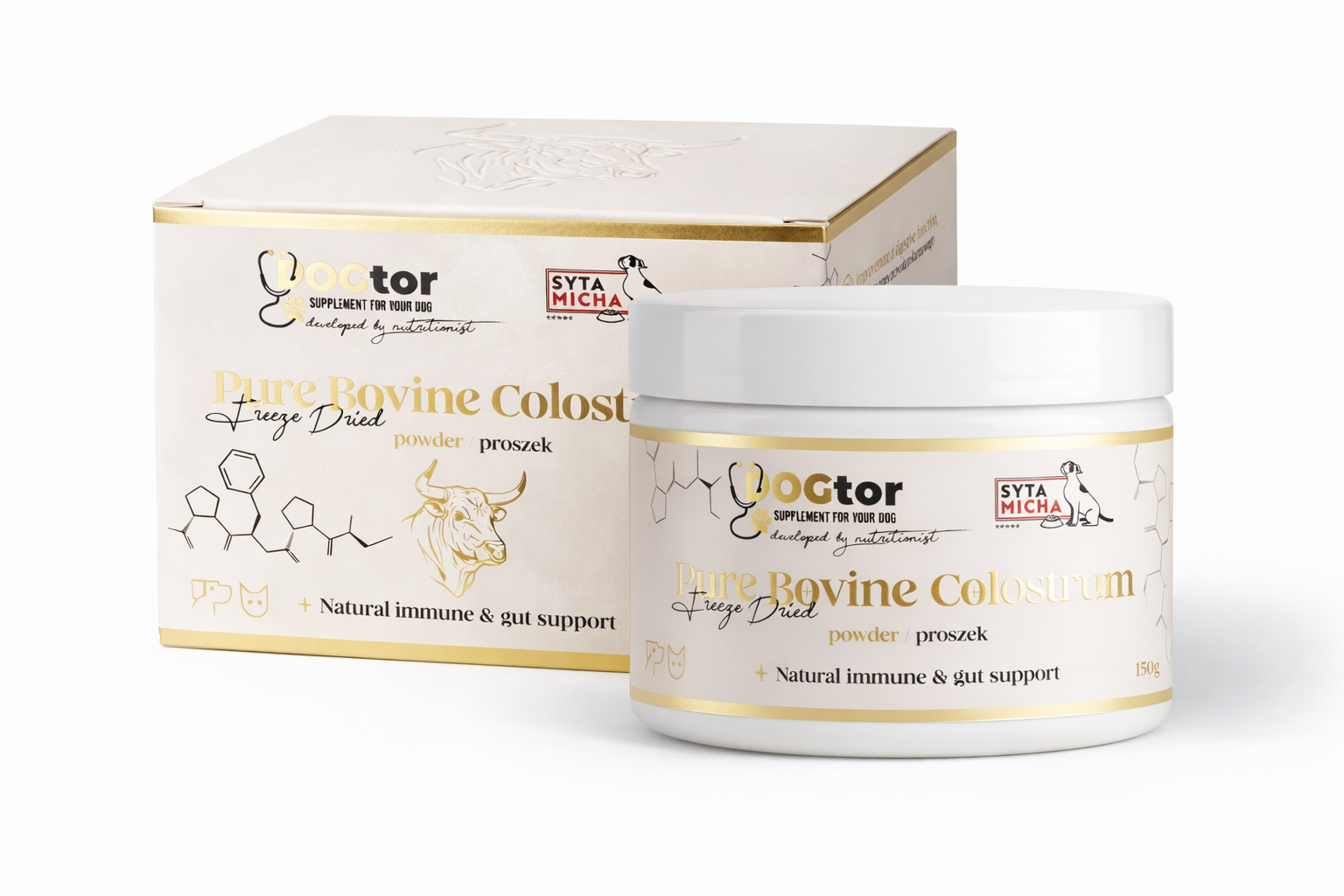
Syta Micha Skin & Coat oil for dogs 250ml · 49,90 zł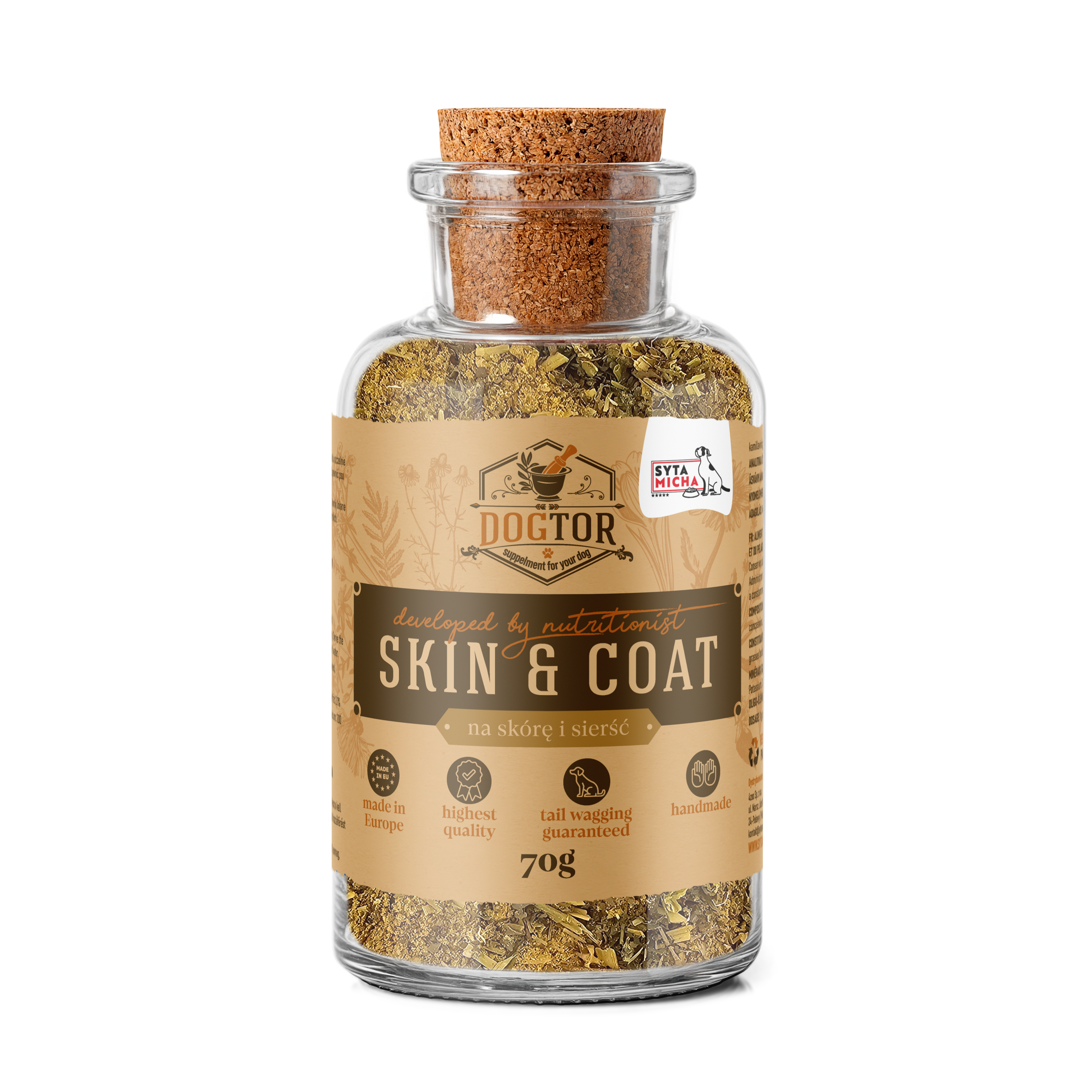 Syta Micha DOGTOR for skin and coat 70g · 69,90 zł
MCT oil and the coat - what it can do and what it cannot replace
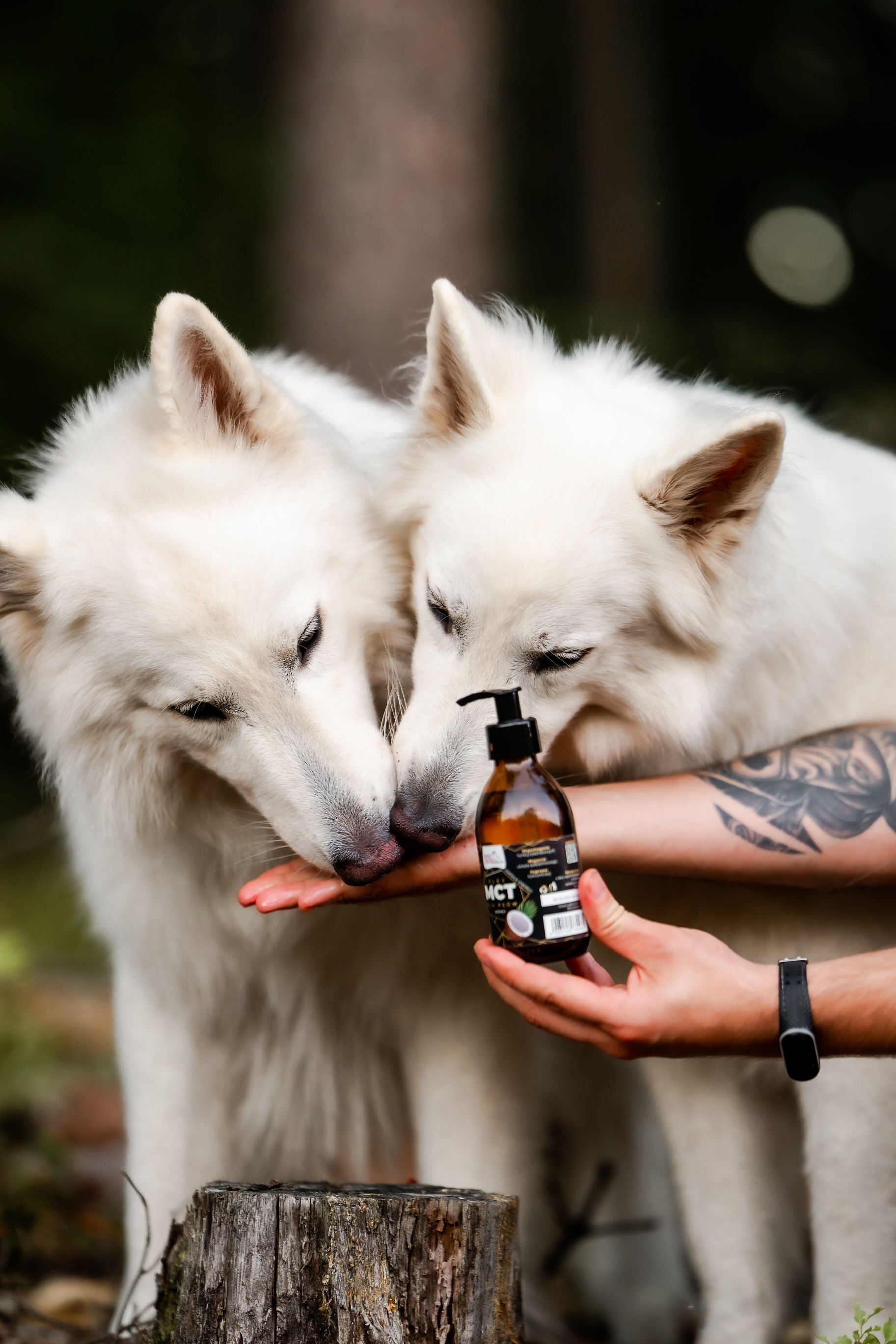
MCT oil, i.e. medium-chain fatty acids, is a fat that is digested quickly and easily absorbed. It provides energy and can support the body’s overall condition. Its effect on skin and coat, however, is rather indirect.
It can help mainly by improving overall nourishment and the functioning of the skin barrier, especially in older dogs or dogs with increased energy needs. It does not, however, replace omega-3 and omega-6 fatty acids, which are key to a shiny coat and healthy skin.
How to support the coat day to day
- a balanced diet with the right amount of EFAs,
- regular brushing,
- during shedding - a diet and supplements that can support the regrowth of new, healthy hair.

When skin problems need a vet
Functional oils are a valuable part of prevention and a support for the diet, but they are not medicines. Their job is to nourish the body from within and help ease symptoms. Consult your vet if you notice:
- severe skin problems that do not clear up despite supplementation,
- open wounds or extensive hair loss,
- hot spots or pus-filled lesions,
- other worrying symptoms or doubts about your dog’s health.
Only a vet can make a diagnosis and find the cause, e.g. parasites, a fungal infection, a serious allergy or a metabolic disease. Supplementation with oils can then complement the recommended treatment and support skin regeneration.
Products mentioned
 You collect HAU DOLCE points for your purchases
Frequently asked questions
What should I give my dog for a dull, dry coat?
Make sure the diet is rich in the essential omega-3 and omega-6 fatty acids, complete protein, vitamins A, E and B7, and zinc and copper. Functional oils that top up these fatty acids in the diet can help.
Is MCT oil enough for a dog’s coat?
No. MCT oil is an easily absorbed source of energy and its effect on skin and coat is rather indirect. It does not replace omega-3 and omega-6 fatty acids, which are key to the condition of the skin and coat.
How do omega-3 and omega-6 fatty acids differ in caring for a dog’s skin?
Omega-6, e.g. linoleic acid, helps maintain the skin’s hydrolipid barrier and protects it from water loss. Omega-3, especially EPA and DHA, has an anti-inflammatory effect and can ease itching and redness with skin allergies.
Is linseed oil enough as a source of omega-3 for a dog?
Linseed oil provides ALA, but in dogs its conversion into the active forms EPA and DHA is limited. That is why it is better treated as an addition rather than the only source of omega-3.
When do skin problems need a trip to the vet?
When the problems are severe or do not clear up despite supplementation, and also with open wounds, extensive hair loss, hot spots or pus-filled lesions.