


Allergies are caused by the protein the dog has eaten the longest - most often beef, dairy and poultry. The symptoms are mainly skin-related and last all year. Blood tests are unreliable; certainty comes from an elimination diet on a novel protein for 8-12 weeks.
A food allergy is an immune system reaction to a specific protein in food. Not to preservatives, not to colourings, not to some abstract chemistry. To protein.
This distinction matters in practice, because it leads to completely different buying decisions from the ones suggested by slogans on the packaging.
Symptoms
A food allergy shows up mainly on the skin, not in the gut. This surprises most owners.
- Itching - scratching, chewing the paws, rubbing the face. I wrote about this in more detail in the article my dog keeps scratching.
- Recurring ear infections - one of the most underestimated signs. An ear treated for the third time in a year is often an allergic dog's ear.
- Skin changes - redness, rashes, discolouration from constant licking.
- Intestinal symptoms - loose stools, bloating, more frequent bowel movements. They are less common and are sometimes mistaken for diarrhoea with a different cause.
The feature that best distinguishes a food allergy from an environmental one: no seasonality. A pollen allergy gets worse in spring and summer. A food allergy lasts all year round, because the dog eats the same ingredient every day.
What causes allergies most often
Contrary to intuition, not exotic extras. What causes allergies is what the dog has eaten the longest, because an allergy requires prior exposure. In studies, the top ones are:
- beef,
- dairy,
- poultry,
- pork,
- egg,
- wheat and soya - but less often than the popularity of grain-free food suggests.
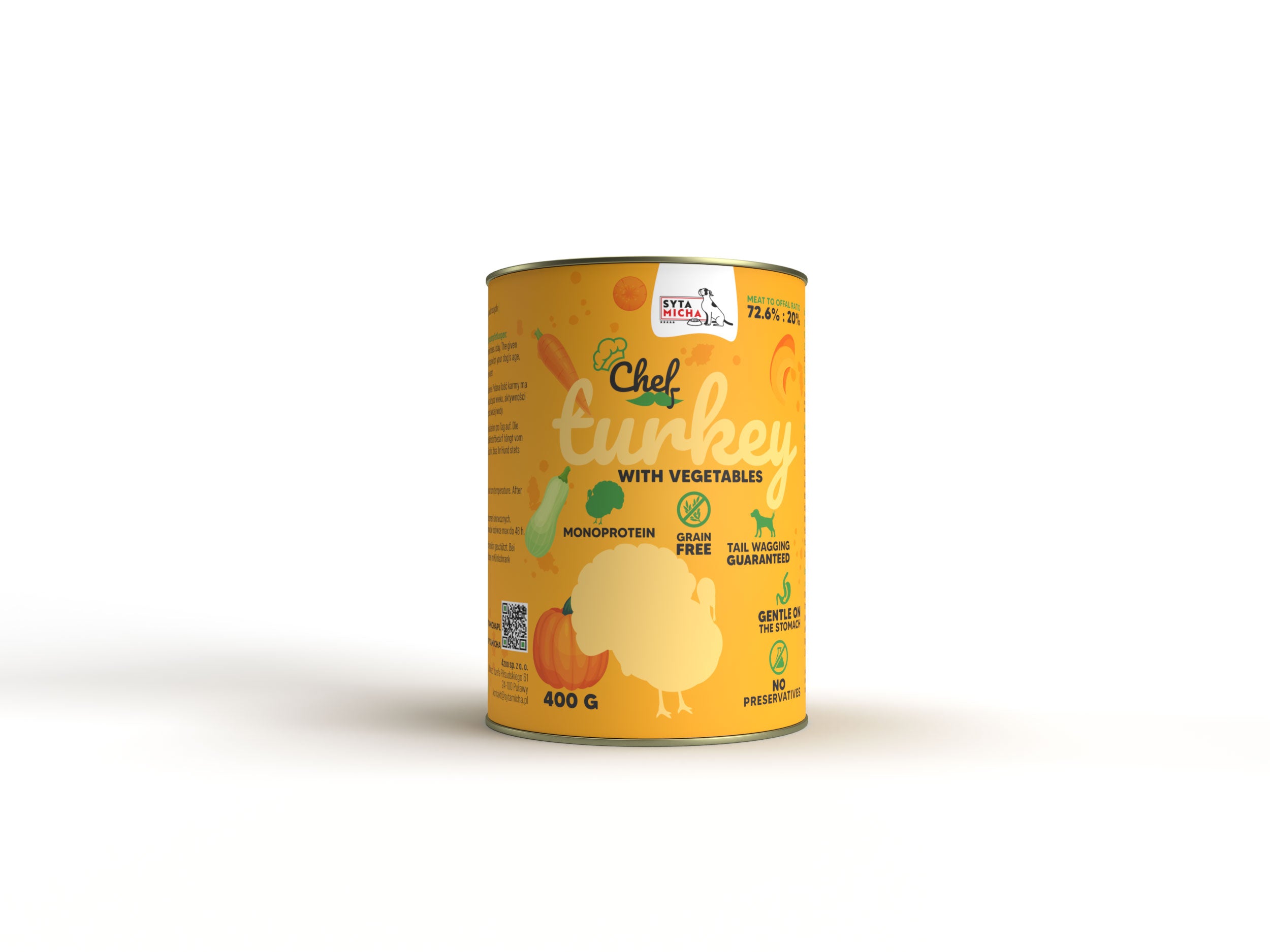
That is why switching from chicken to turkey food rarely changes anything. Both are poultry and the dog knows both.
Why blood tests fail
Serological tests for food allergies in dogs have low repeatability. The same sample sent twice can give different results, and healthy dogs without symptoms often come out as allergic to a dozen or more ingredients.
The feeding trial remains the standard. It is slower and requires discipline, but it answers the question the test does not: do the symptoms disappear once the ingredient is withdrawn?
The elimination diet step by step
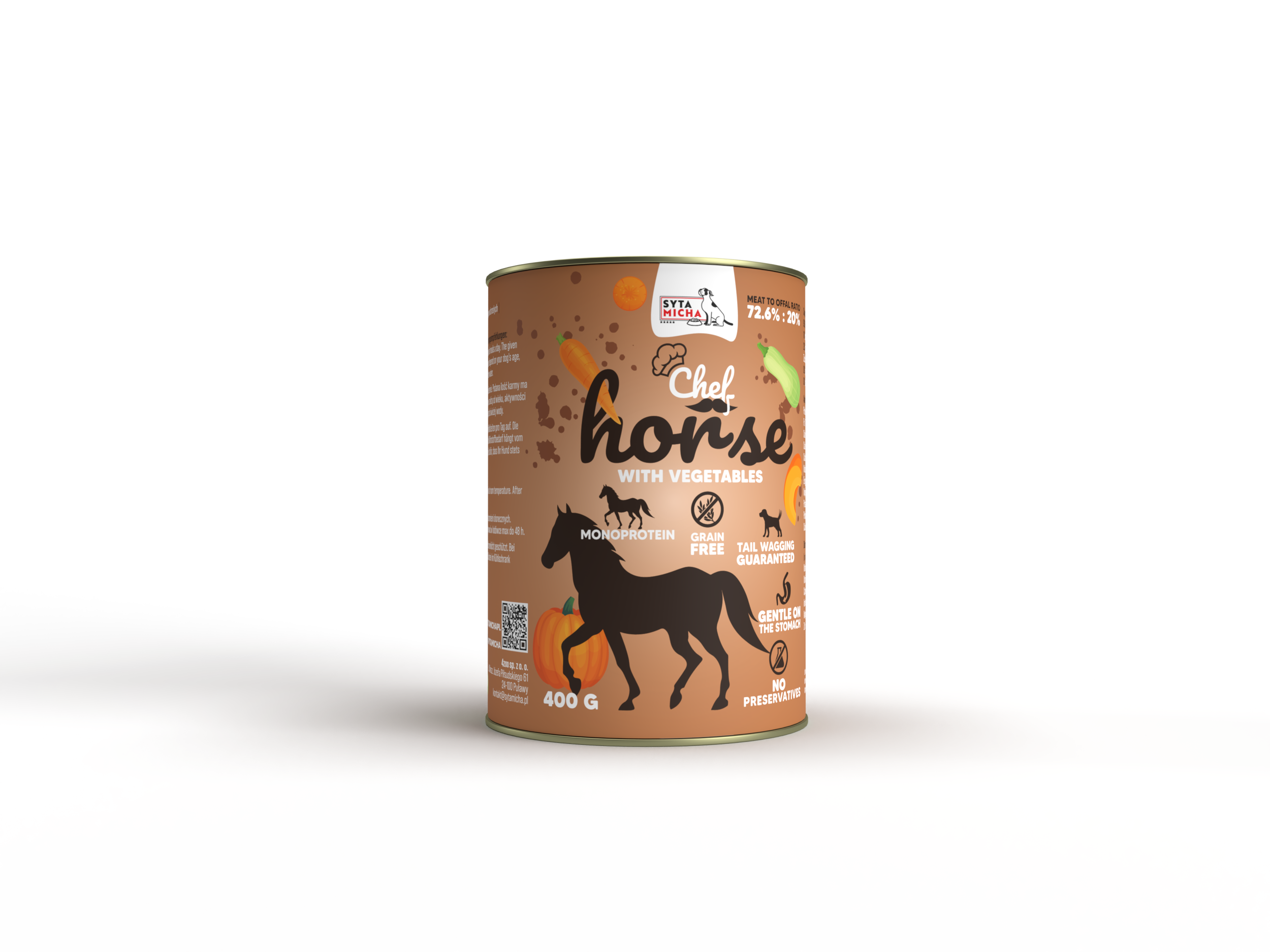
- Choose a protein your dog has not eaten. A novel protein: horse meat, pheasant, ostrich, game. Check the whole label, not just the product name.
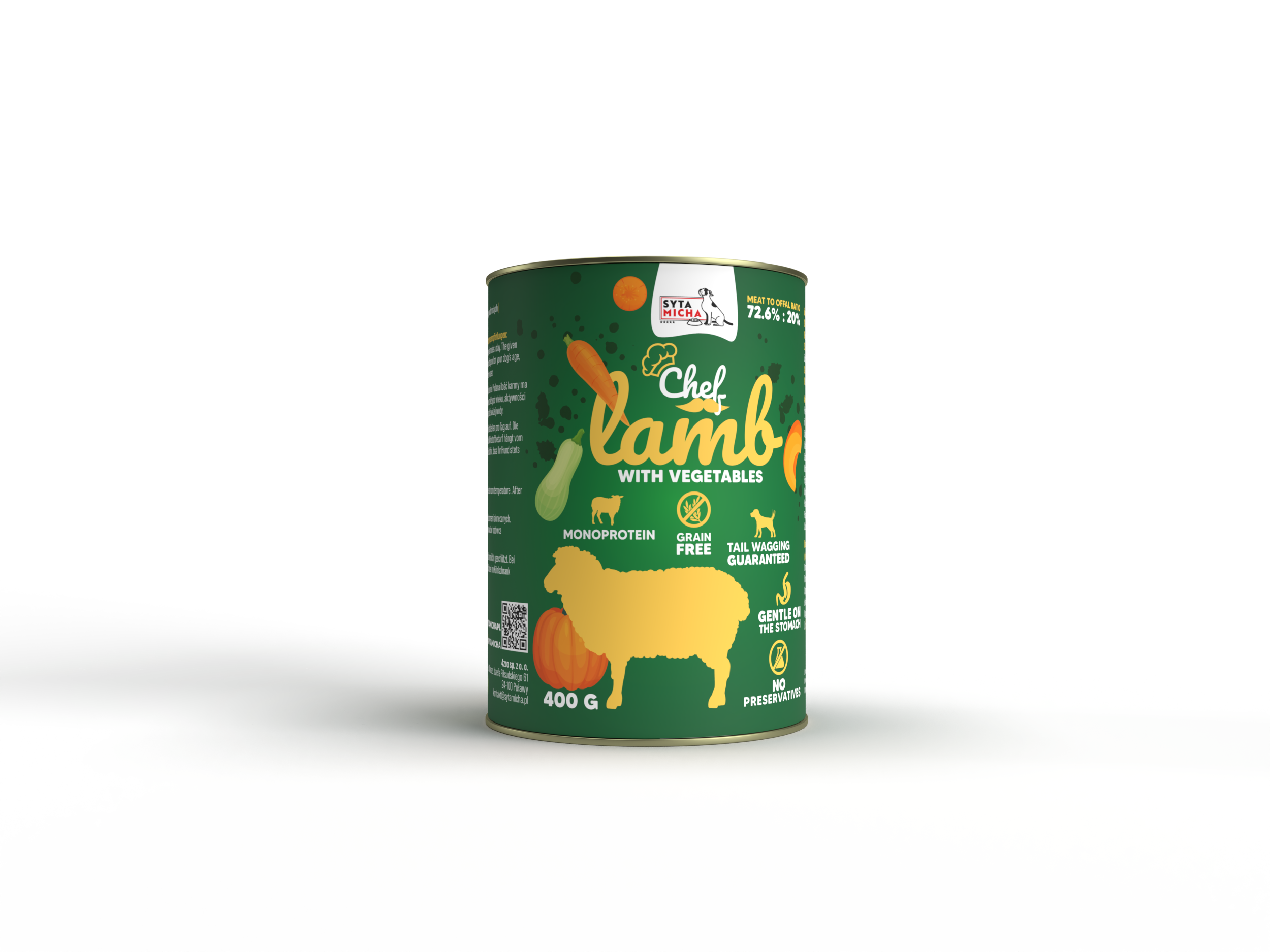
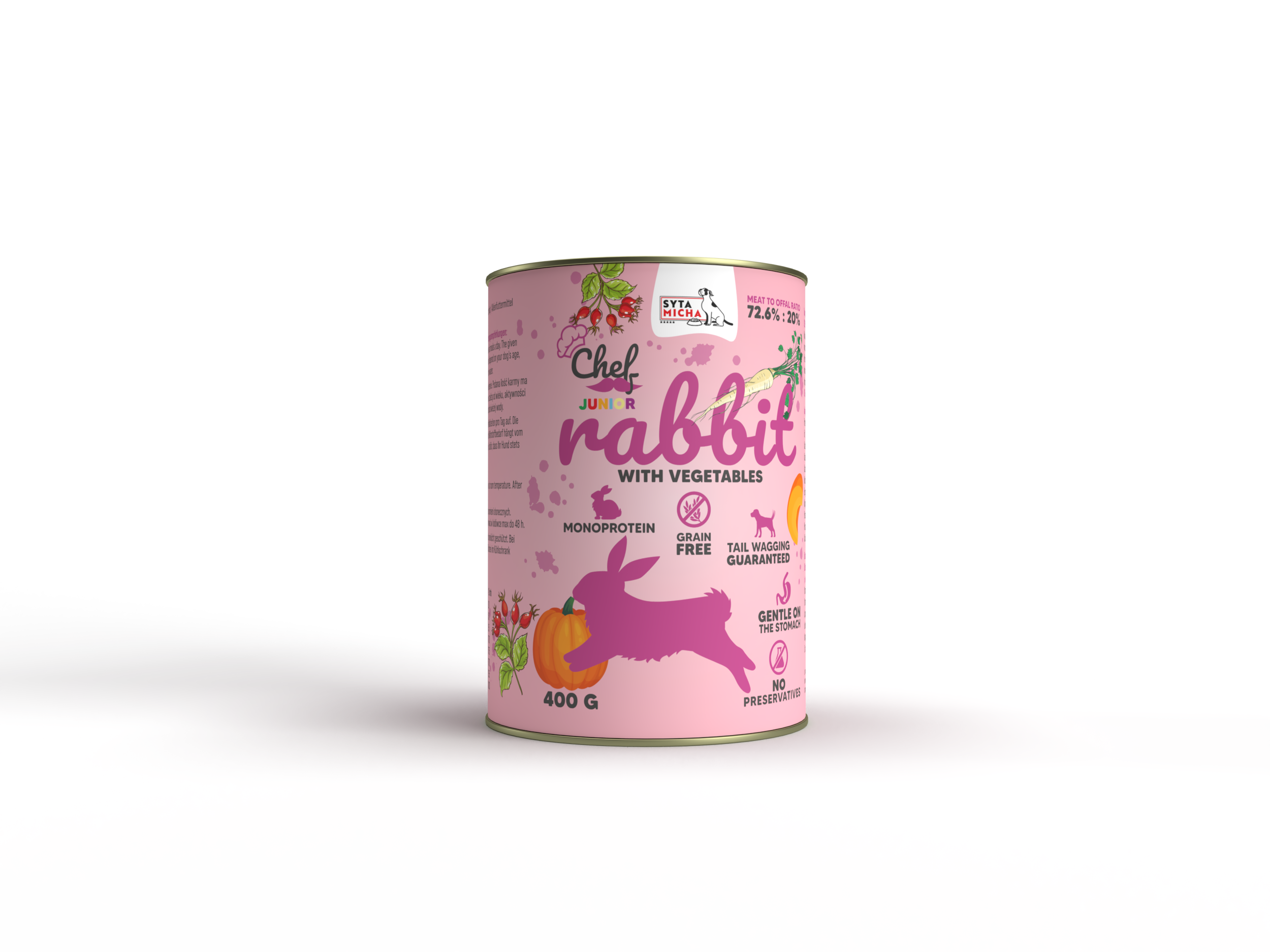
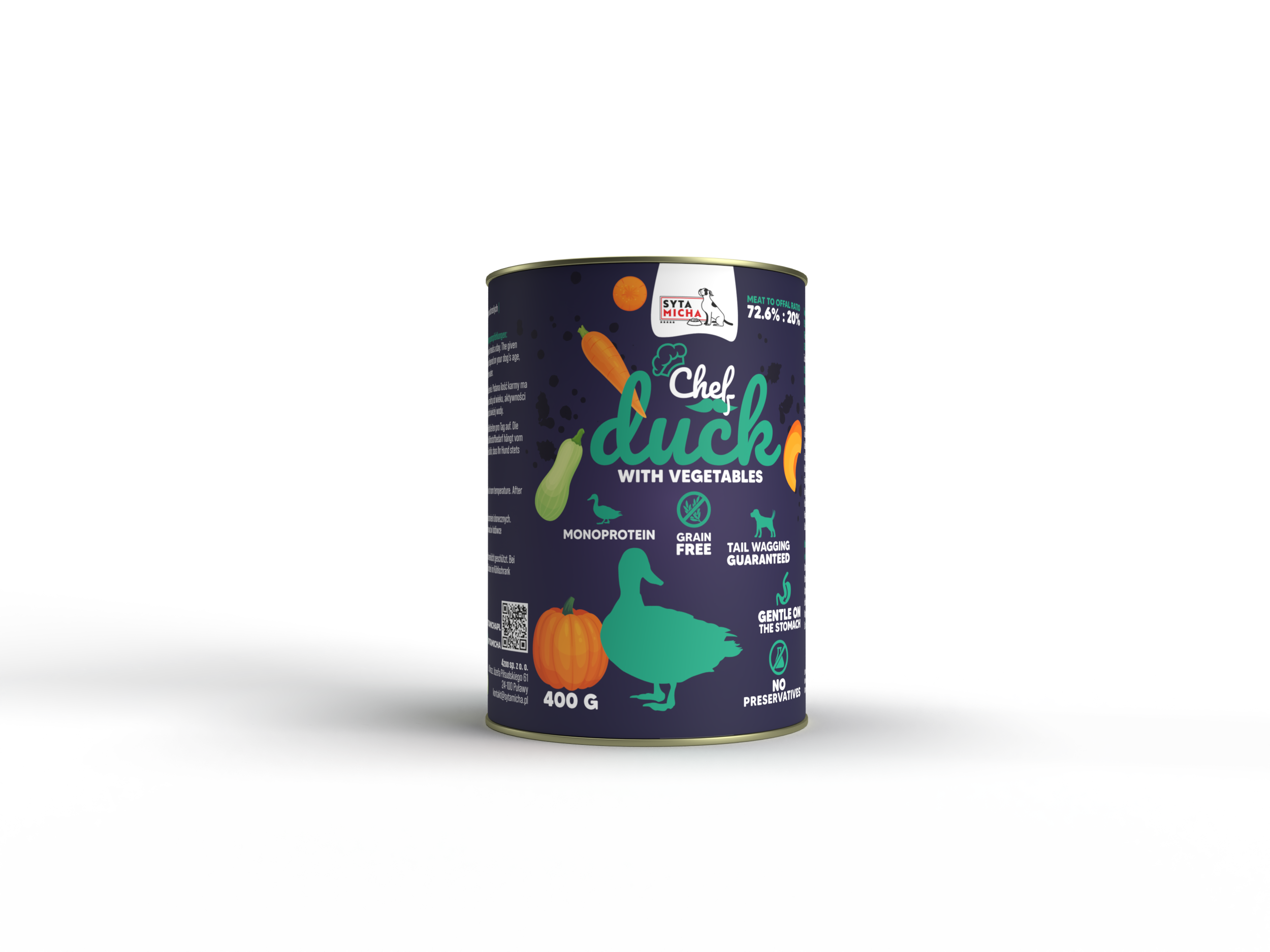
- A single protein source. Single-protein food, ideally with a short ingredient list, i.e. hypoallergenic.
- 8 to 12 weeks with no exceptions. No treats outside the diet, no chews, no leftovers. Warn everyone in the household.
- Observe and take notes. Itch severity on a scale of 1 to 5, the state of the ears, what the stools look like.
- Challenge test. If the symptoms have cleared, you go back to the old food. If the symptoms return, the diagnosis is confirmed. Many people skip this step, yet it is the one that gives certainty.
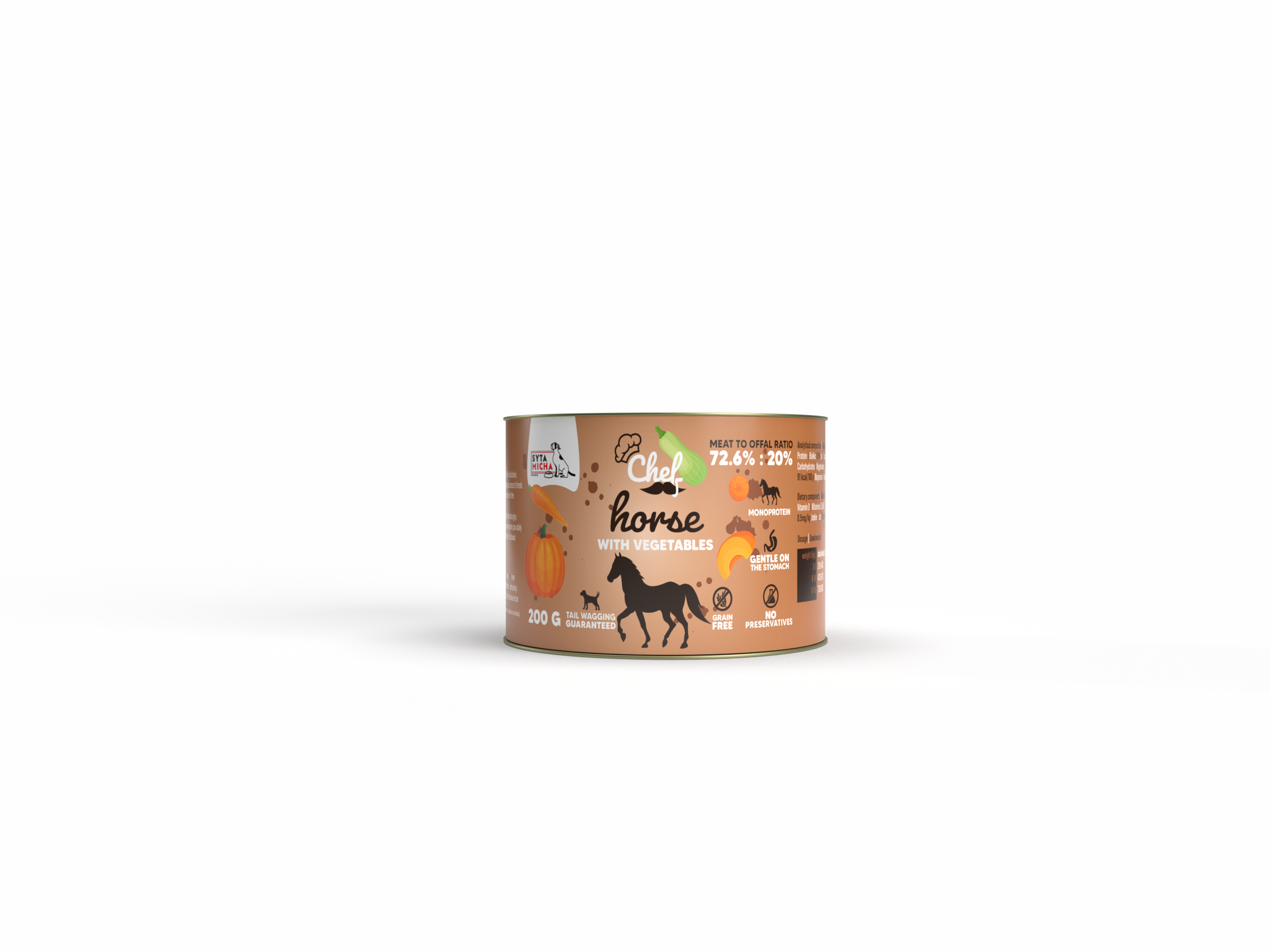
Spread the food change over a week, so you do not confuse allergy symptoms with a reaction to too fast a change.
Allergy or intolerance
They are not the same. With an allergy, the immune system reacts and a trace amount is enough. With an intolerance, the reaction depends on the amount eaten, and the symptoms are mainly intestinal. The distinction matters, because with an intolerance some dogs cope well with the same ingredient in a smaller portion.
Products mentioned
 You collect HAU DOLCE points for your purchases

Frequently asked questions
What are the symptoms of a food allergy in dogs?
Above all itching, scratching, chewing the paws and recurring ear infections. Intestinal symptoms are less common. They persist all year round, with no seasonal breaks.
Can a blood test detect a food allergy?
Not reliably. The standard is an elimination diet lasting 8-12 weeks.
What are dogs most often allergic to?
To the proteins eaten the longest: beef, dairy, poultry and pork.
Will grain-free food solve an allergy problem?
Only if the dog happens to be allergic to grain, and that is a minority of cases. Far more often the problem is the protein source.