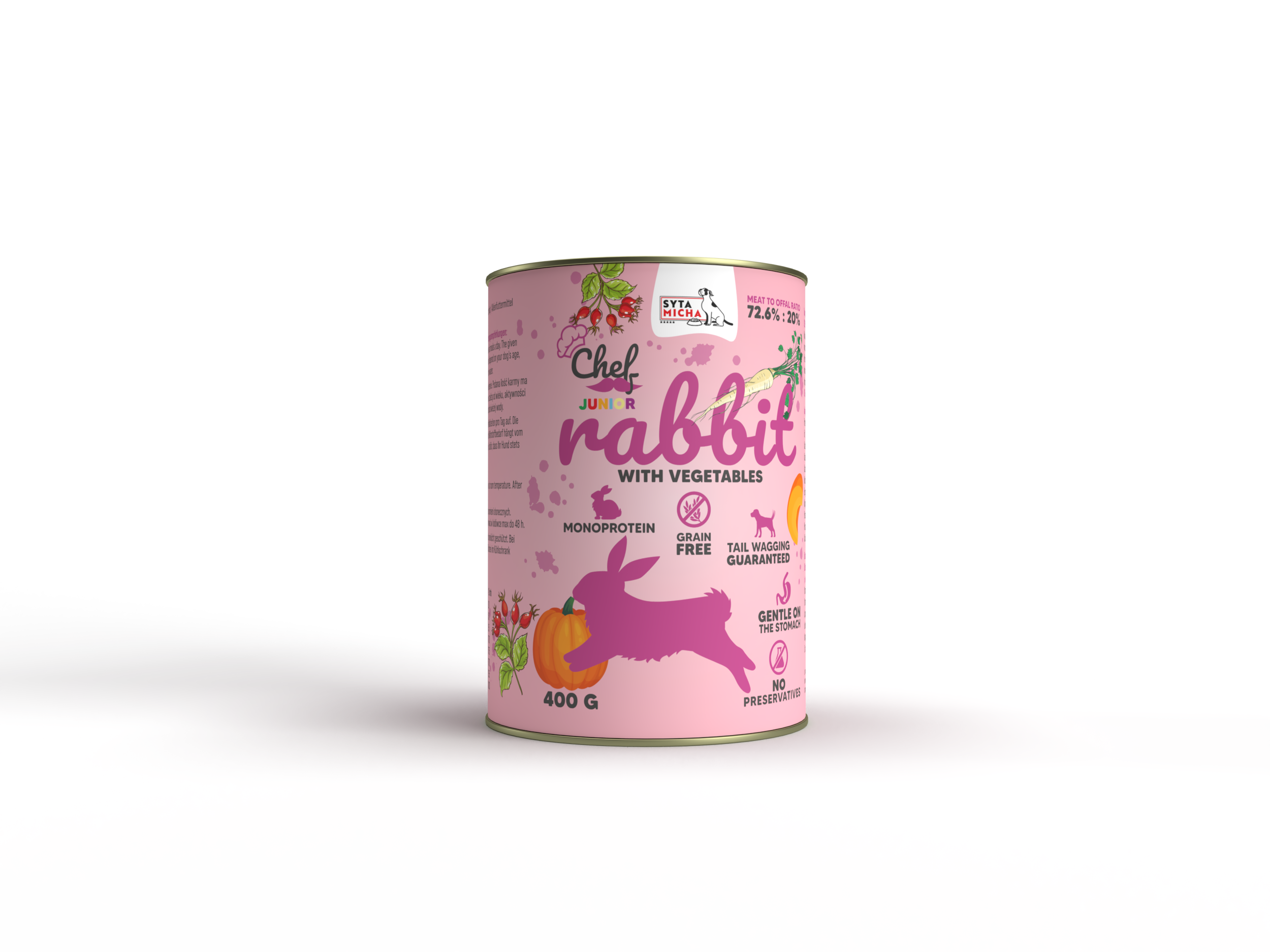
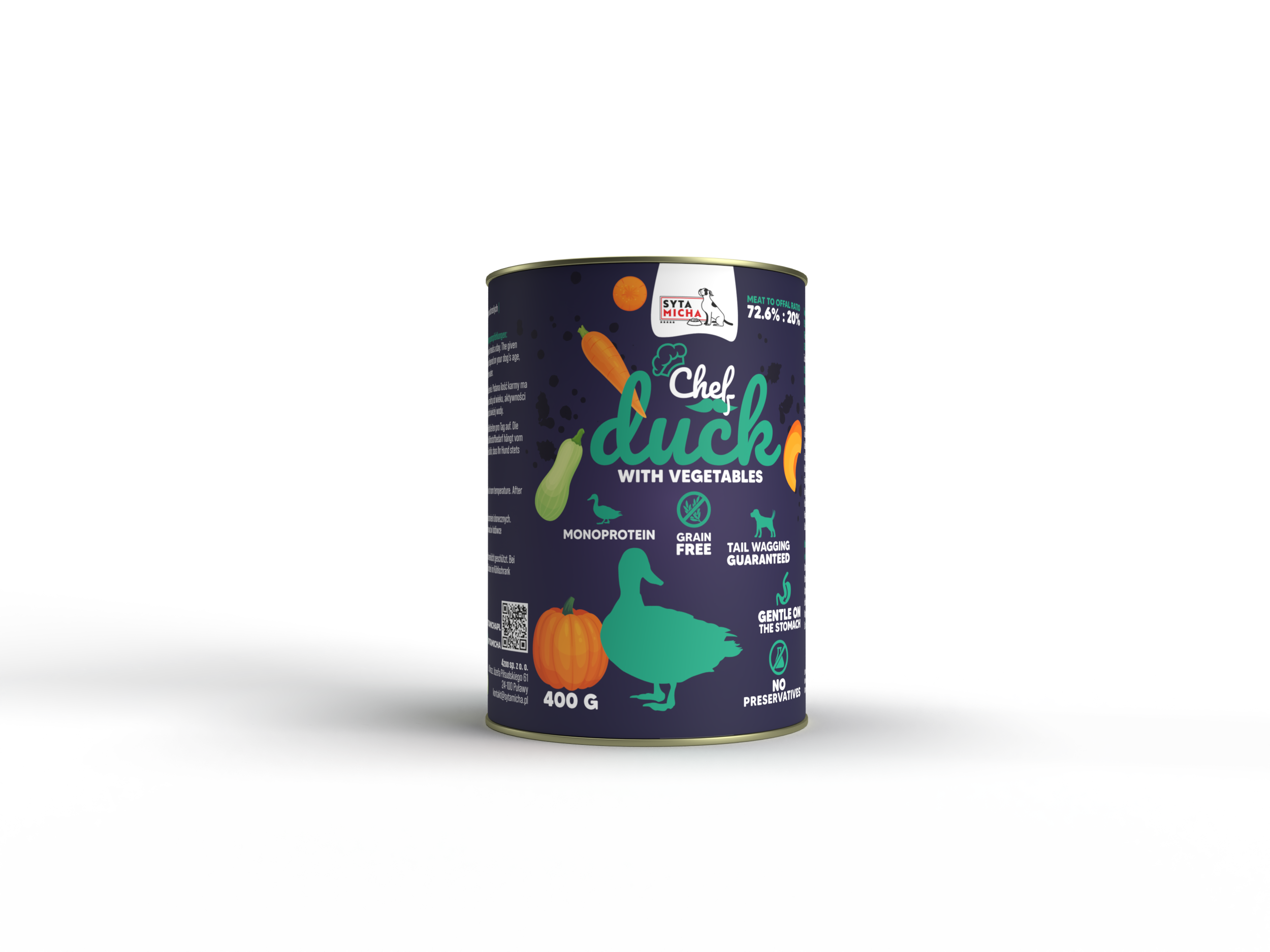
The best method for diagnosing a food allergy is an elimination diet: for at least 8 weeks, a single new protein source and a single carbohydrate source, or none. For the result to be reliable, full control of the composition counts, treats included. Single-protein foods and treats with less common proteins, introduced gradually, help with this.
Every owner of a dog with allergies knows the scenario: persistent itching, paw licking, recurring ear infections or stomach problems. The vet then often suspects a food allergy or intolerance.
The most effective diagnostic method remains an elimination diet. For it to be reliable, you need full control over what goes into the bowl, including the treats used in training.
What an elimination diet involves
The golden rule is to feed, for at least 8 weeks, a food based on:
- a single protein source that is new to the dog,
- a single carbohydrate source, or none at all.
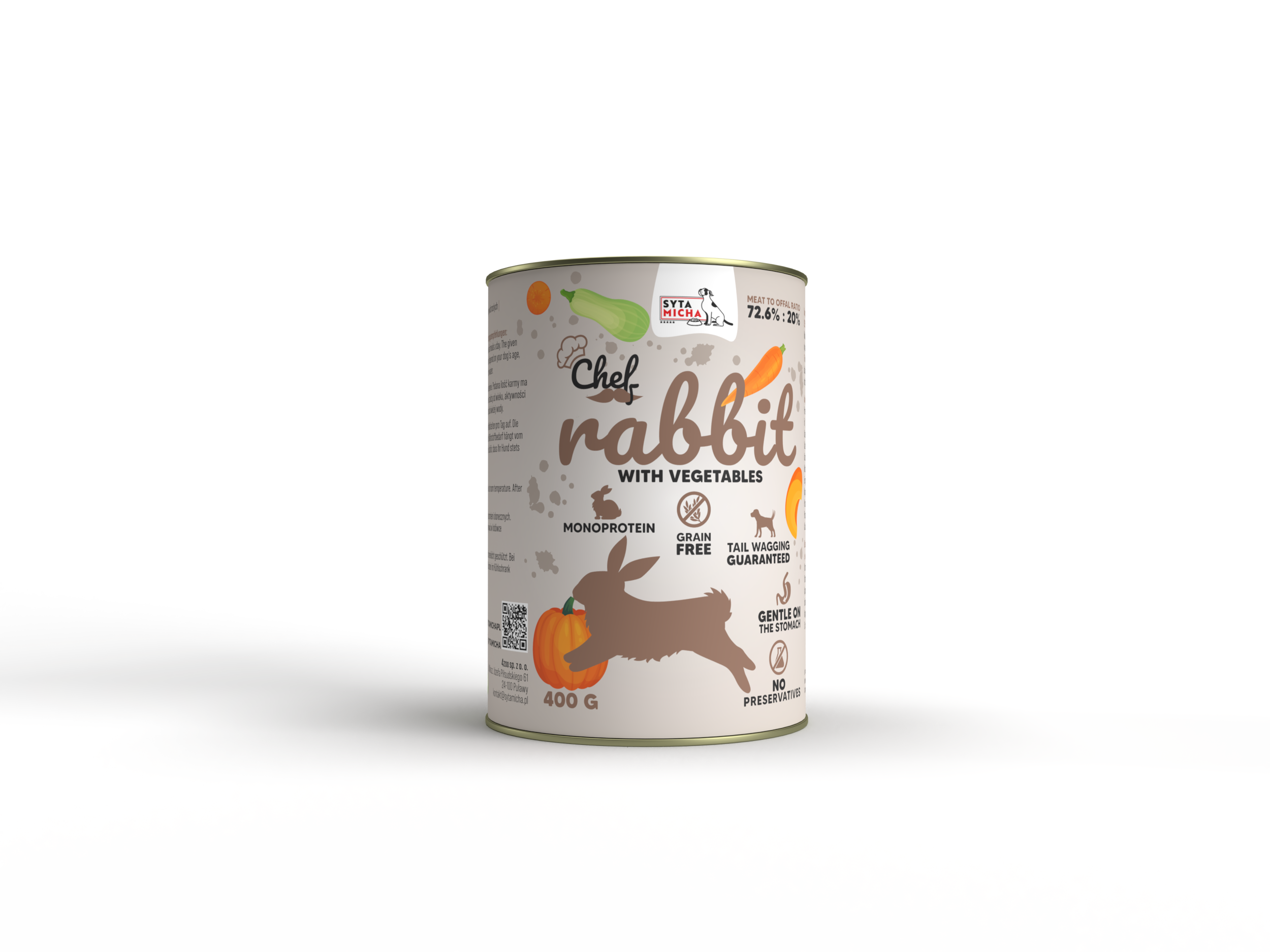
Many foods, despite the promises on the packaging, contain extra proteins or hydrolysates that can disrupt the elimination process. That is why products with a clear, fully declared label are so important.
Single-protein food - why simplicity helps
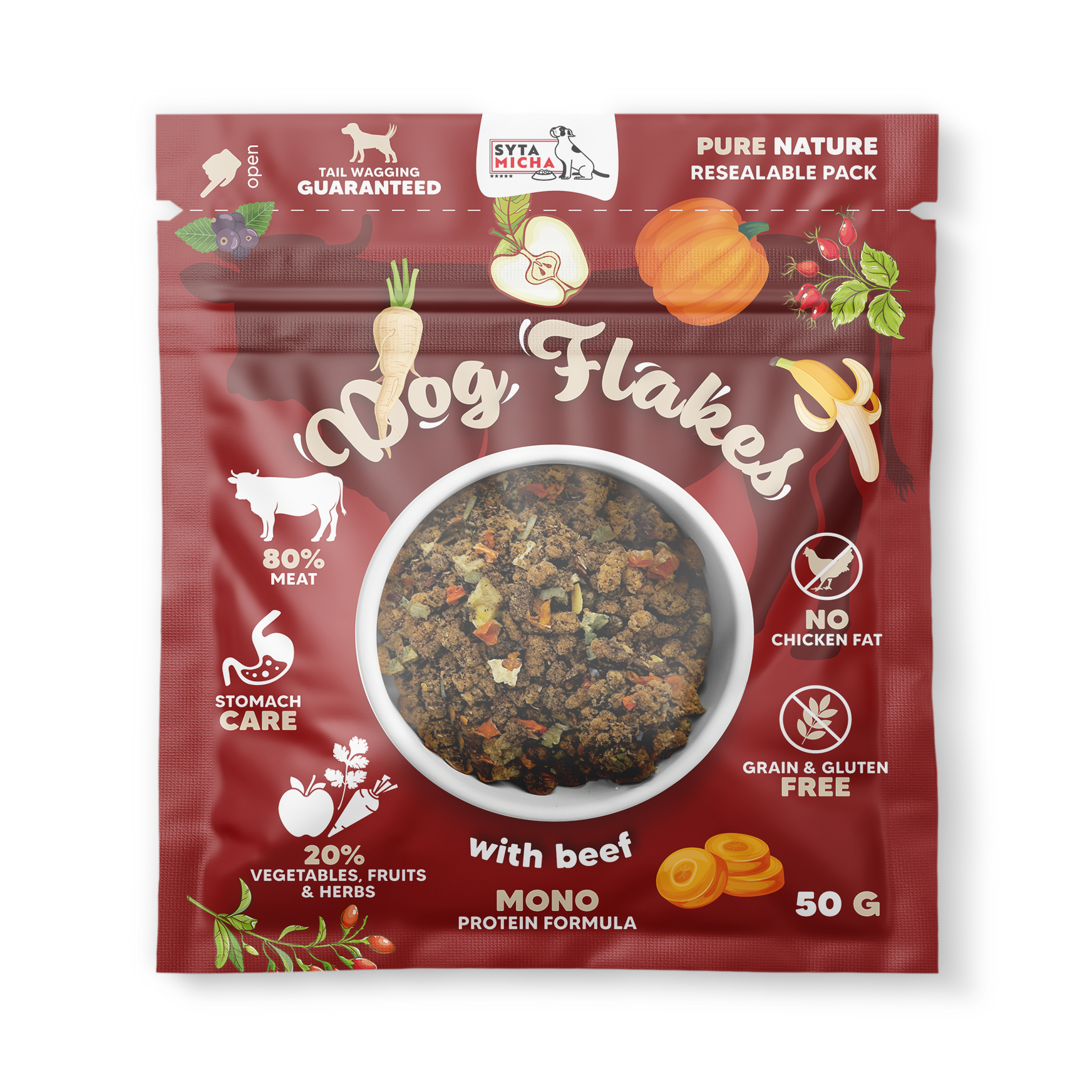
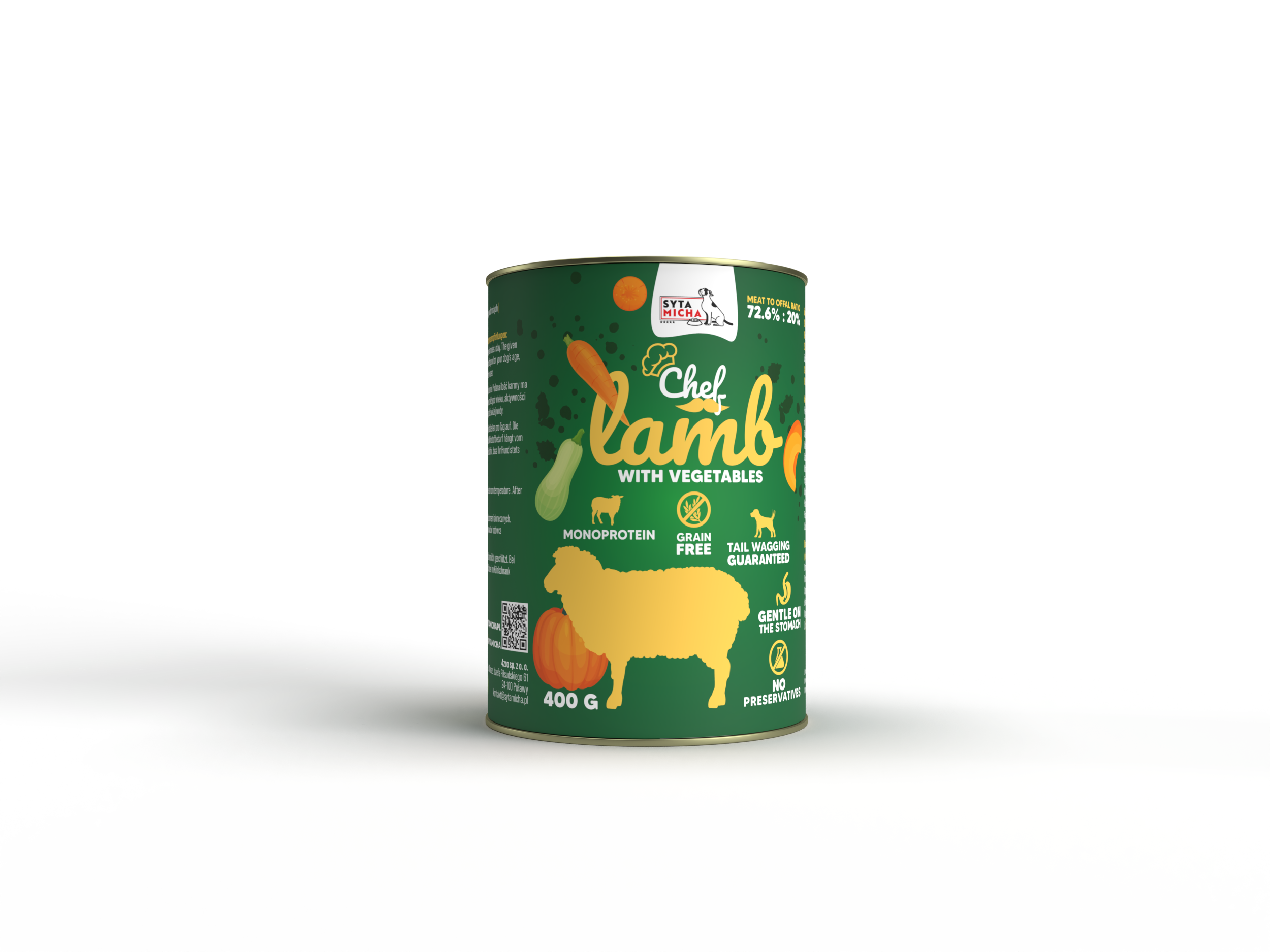
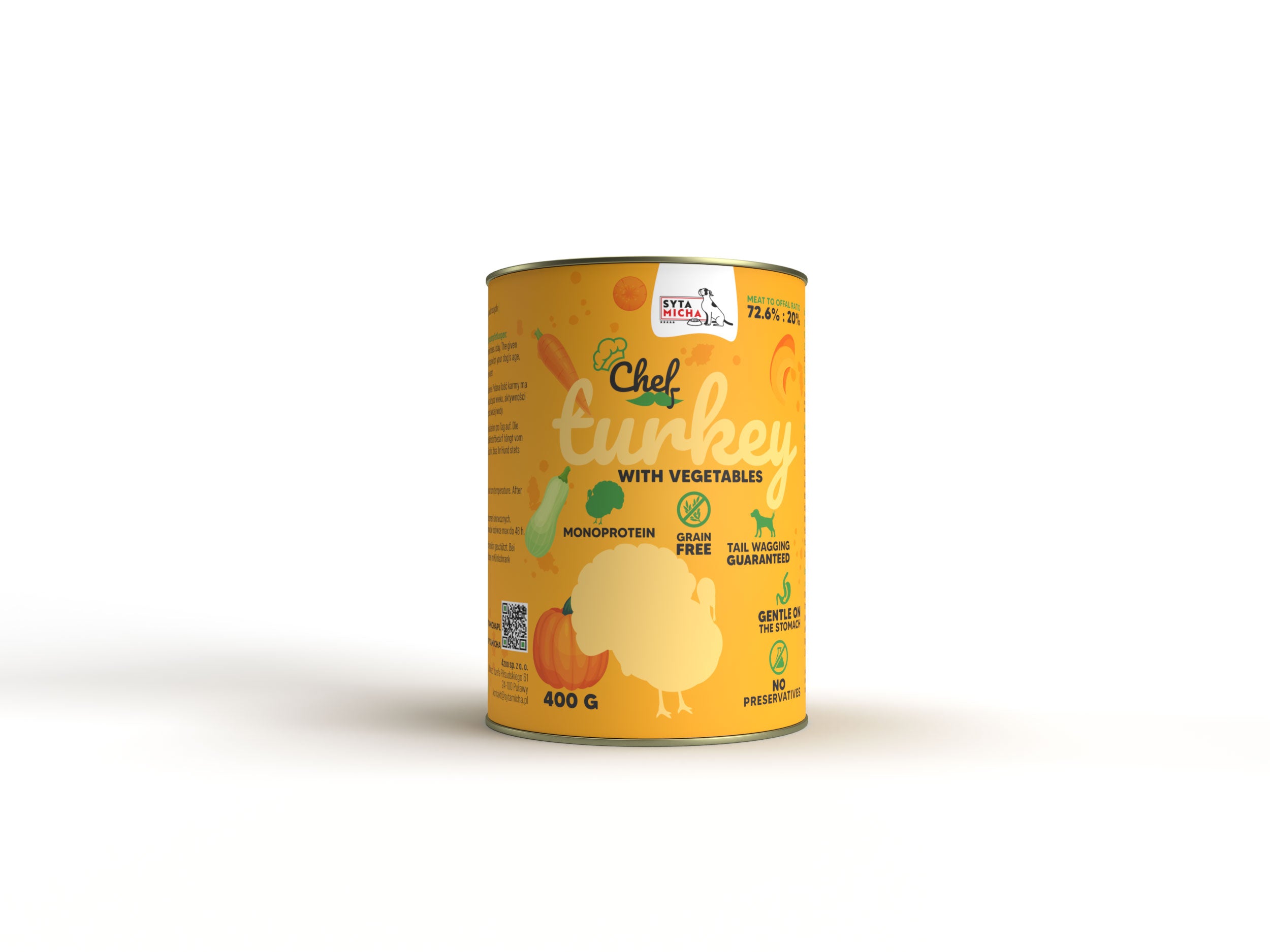
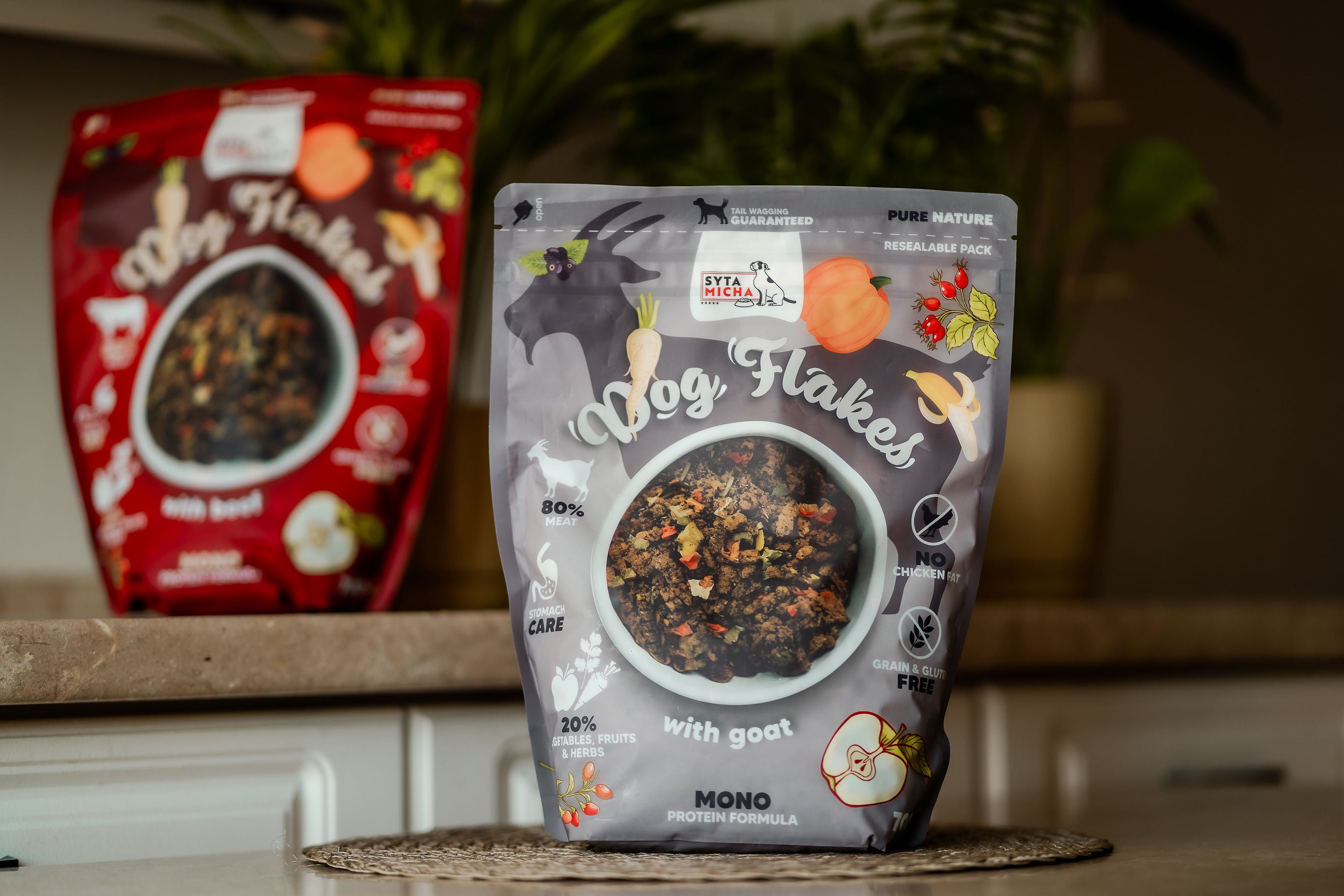
Dogflakes foods were created with dogs that need maximum simplicity in mind. The single-protein variants contain meat from just one species, with no other proteins added. Why it matters:
- fewer ‘hidden’ allergens - you control every ingredient,
- a short ingredient list - the simpler the diet, the easier the diagnosis,
- convenience - you know exactly what your dog can eat and what to avoid.
And what about grains?
Reactions to grains happen less often than allergies to animal proteins, but they can occur. That is why the Dogflakes range also includes grain-free food, in which grains are replaced with easily digestible vegetables and fruit. It is a solution for dogs whose vet suspects an intolerance to specific grains.
Training treats for an allergic dog - how to choose the protein
Treats are an inseparable part of training, but with an allergy each one has to be chosen carefully. Chicken and beef are among the most common allergens, so it is worth looking for protein sources that are less common in dogs’ diets. They can reduce the risk of an allergic reaction. In the BLACK line you will find, among others:
- kangaroo - a low-fat meat recommended for dogs with a sensitive digestive system,
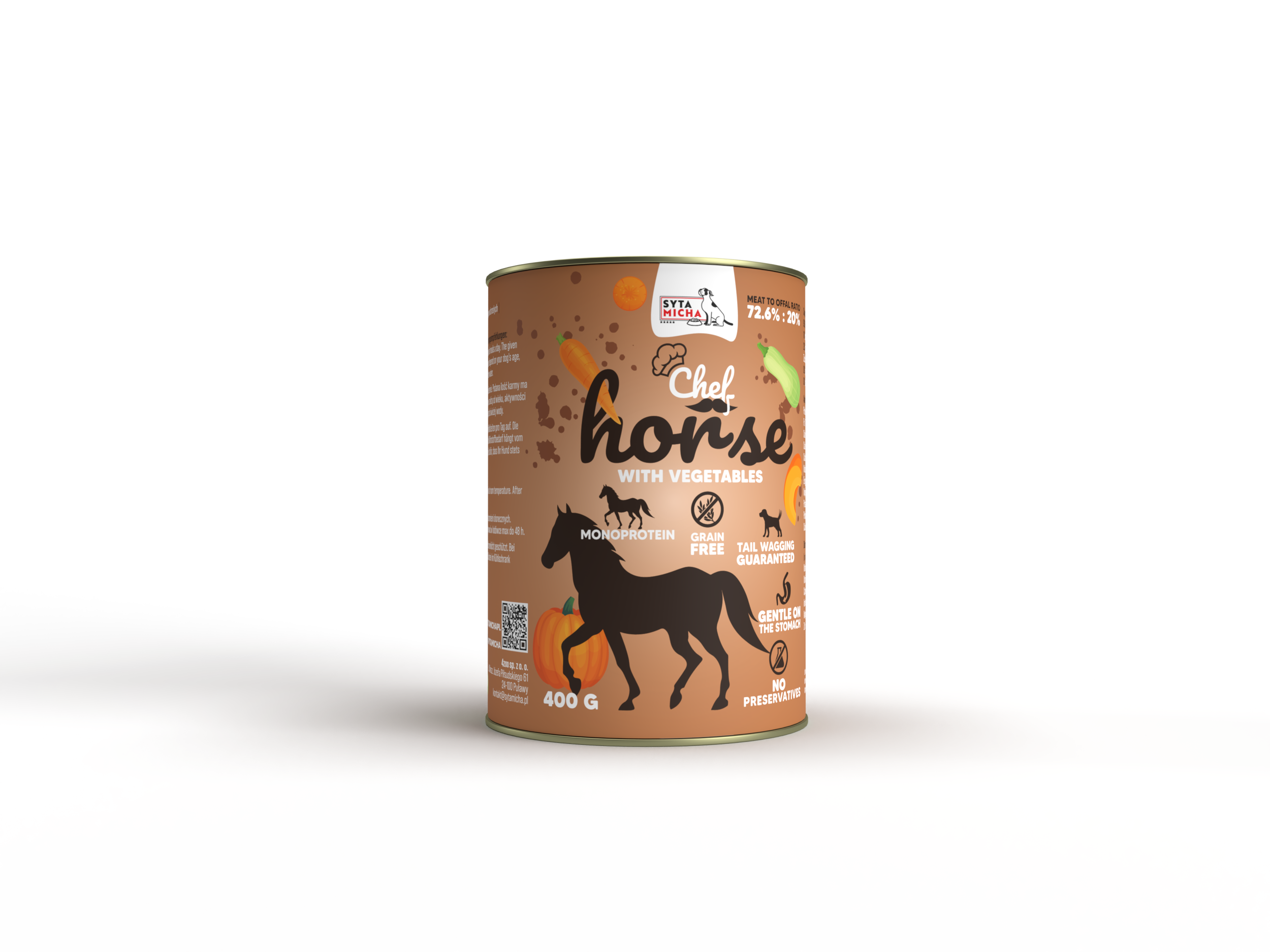
- horse meat - valued for its nutritional value and rarely allergenic,
- ostrich - an easily digestible, unusual protein that works well in an elimination diet,
- goat - a nutrient-rich meat, an alternative for dogs allergic to other species.
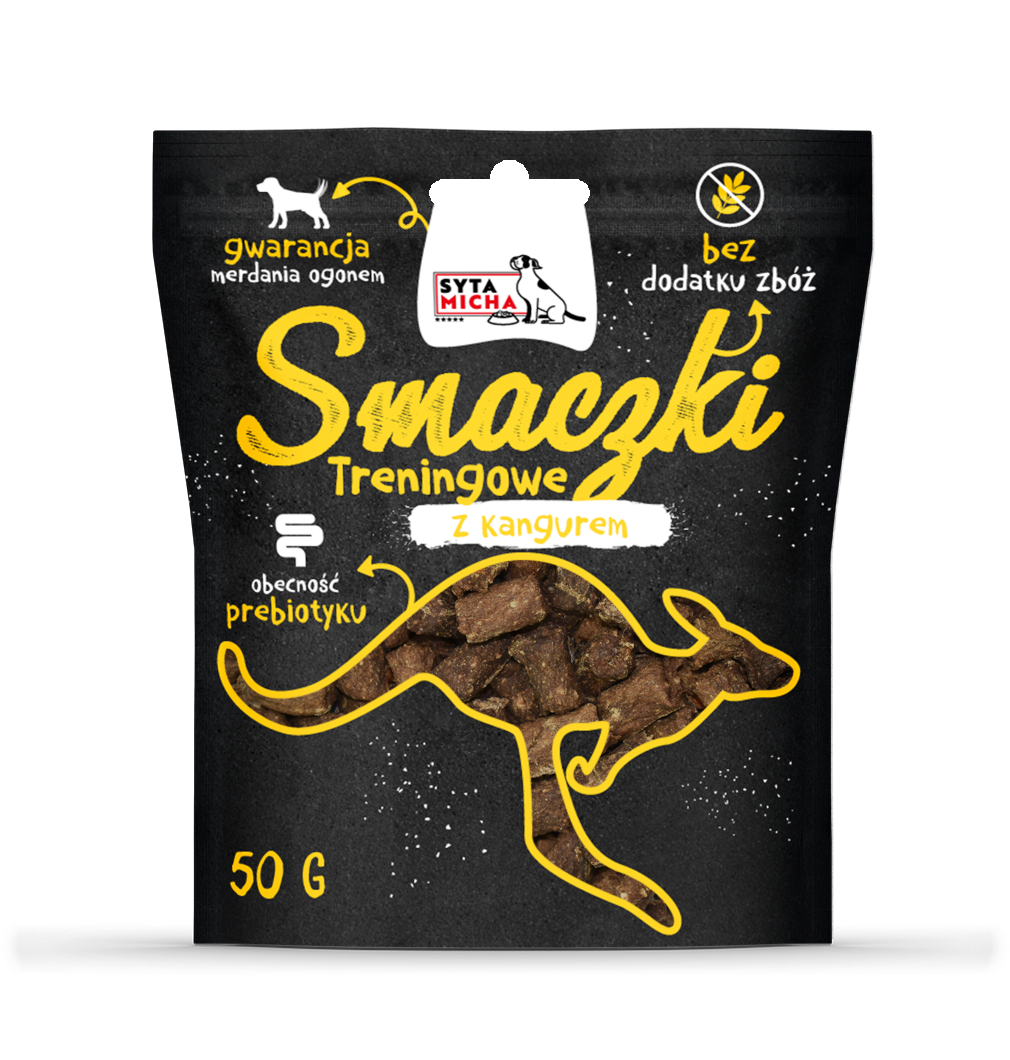
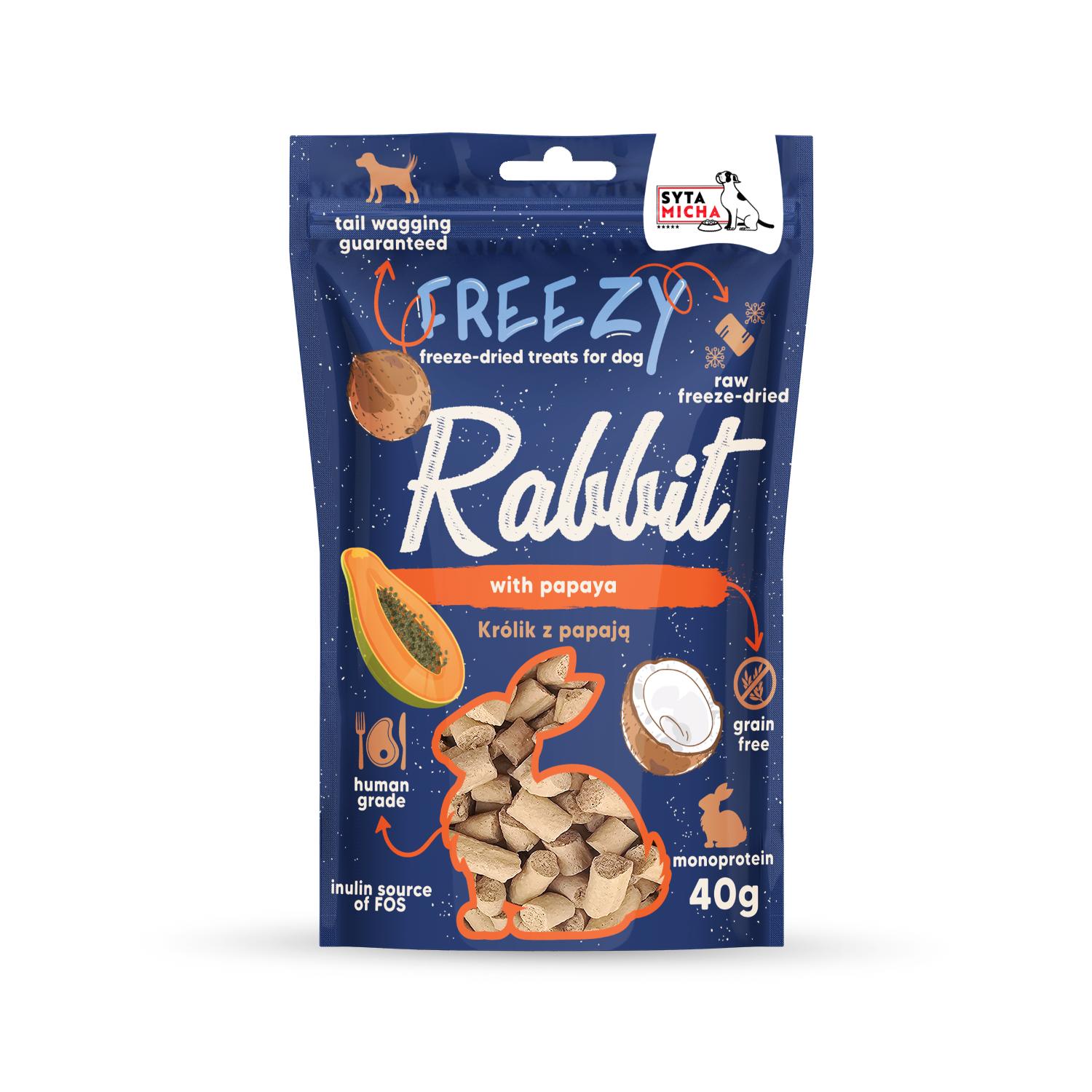
Single-protein treats make elimination easier, because you can be sure you are giving your dog only one type of meat. Selected flavours also contain prebiotic apple fibre, which supports gut health, and that matters for immunity and digestion in allergic dogs.
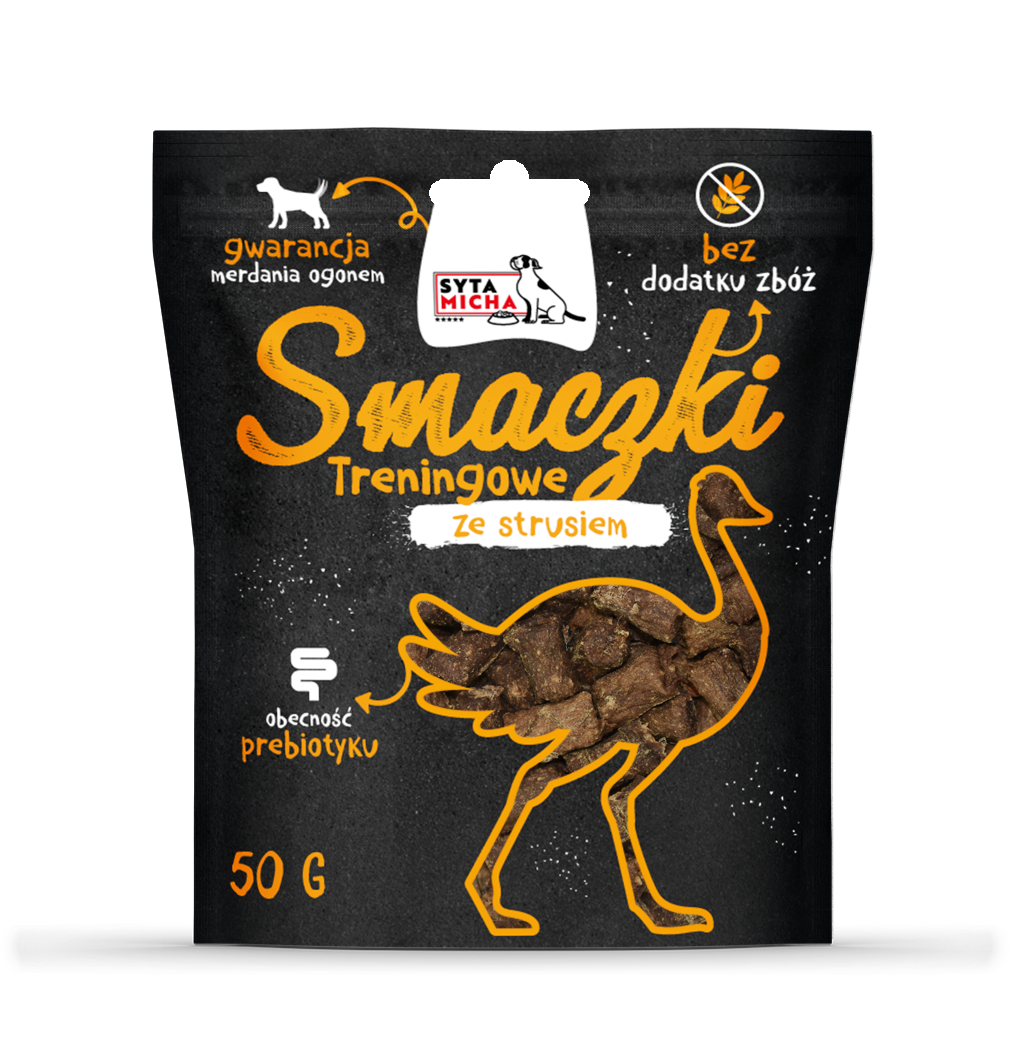 Training treats with ostrich 50g · 13,90 zł
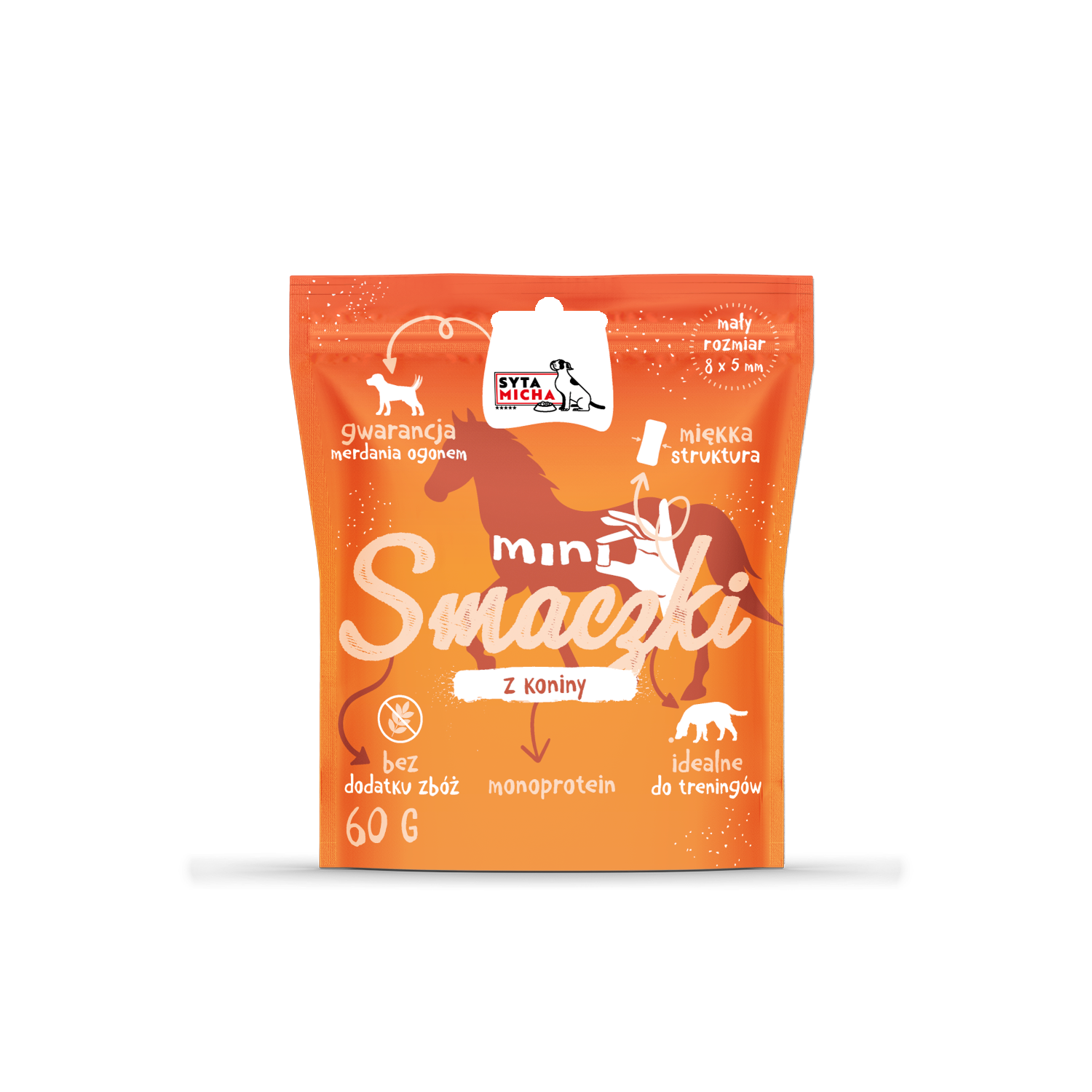 Mini dog treats with horse 60g · 11,99 zł
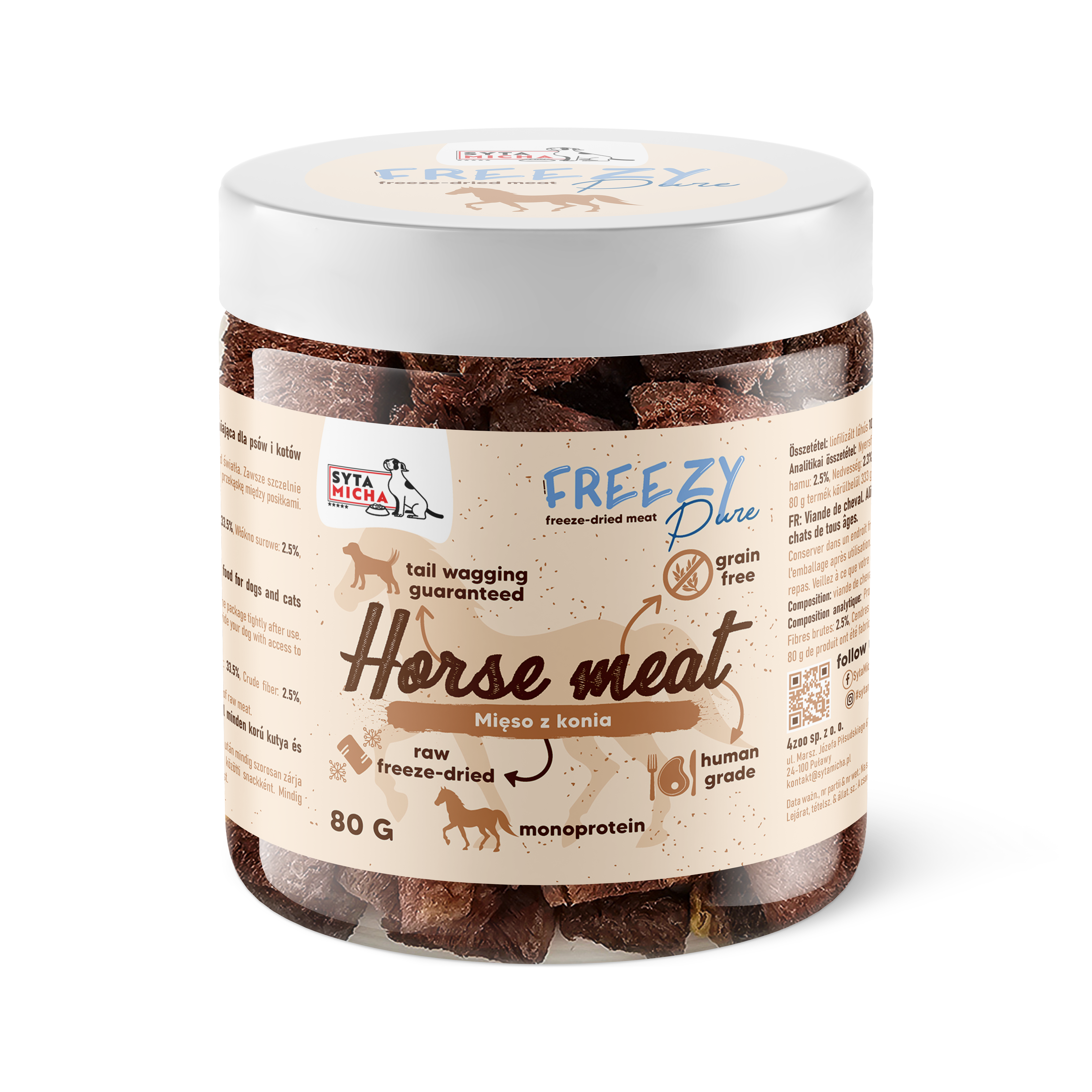 100% freeze-dried horse meat for dogs 80g FREEZY Pure · 39,90 zł
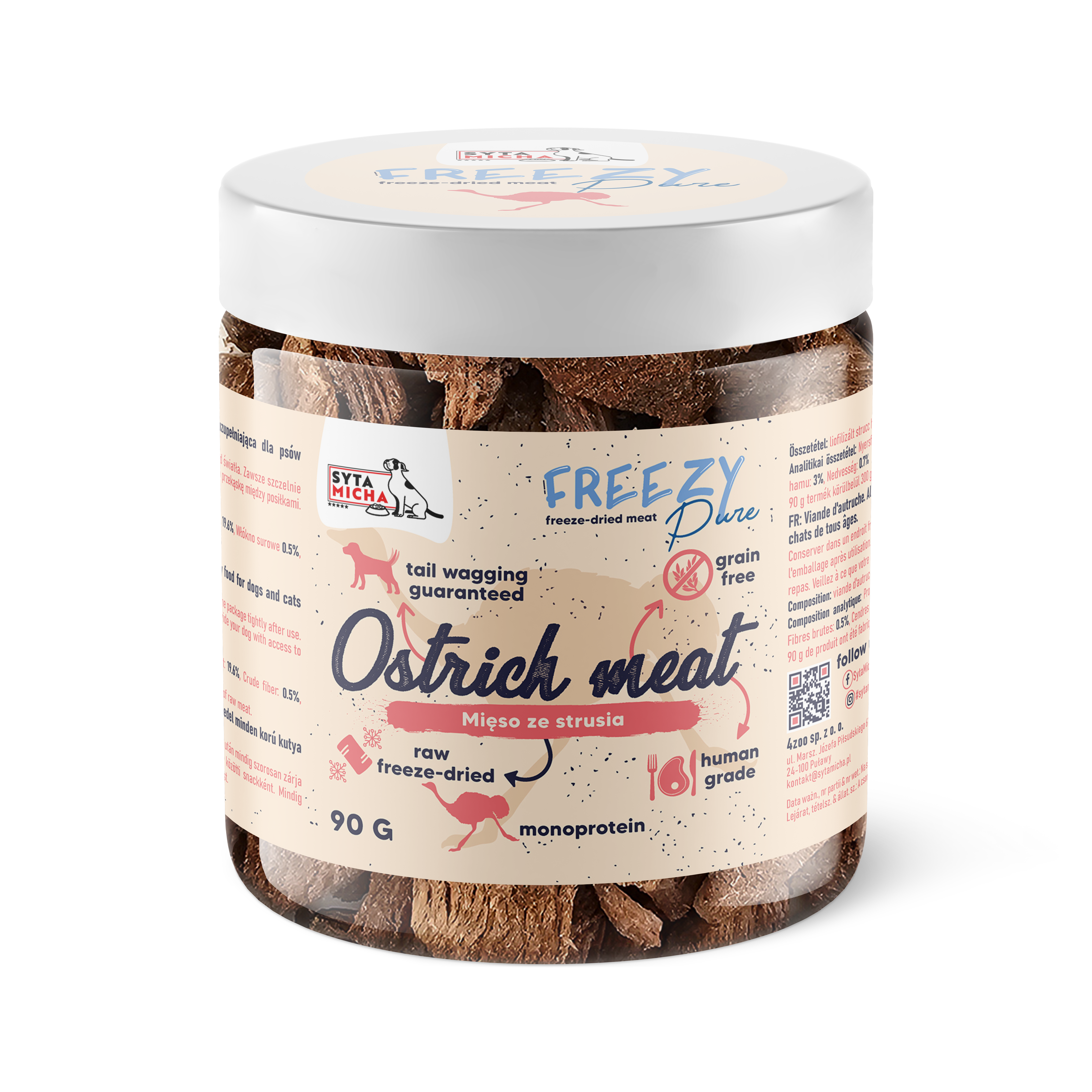 100% freeze-dried ostrich meat for dogs 90g FREEZY Pure · 39,90 zł
How to introduce a new protein safely
The elimination method is the one most often used: you introduce a single new protein source and watch how the body reacts. With a sensitive dog, the switch to a new food should be gradual:
- days 1-3: 25% new food and 75% old food,
- days 4-6: a 50/50 ratio,
- days 7-9: 75% new food,
- from day 10: 100% new diet.
Watch your dog: if the symptoms ease, it is a sign that the diet has been well chosen. An allergic dog does not have to be condemned to unappealing food, and a simple, transparent composition in the bowl and in the treats means a calmer dog and a calmer owner.
Products mentioned
 You collect HAU DOLCE points for your purchases
Frequently asked questions
What does an elimination diet for a dog involve?
For at least 8 weeks the dog gets a food based on a single protein source that is new to it and a single carbohydrate source, or none. Full control over everything that goes into the bowl is essential.
Can I give my dog treats during an elimination diet?
Yes, but only ones that will not disrupt the elimination, i.e. single-protein treats with one type of meat. Then you can be sure you are giving your dog only one protein.
Which protein should I choose for an allergic dog?
Chicken and beef are among the most common allergens, so it is worth reaching for less common sources, e.g. kangaroo, horse, ostrich or goat. Usually one new protein is introduced and the body’s reaction is observed.
How do I switch a sensitive dog to a new food?
Gradually: on days 1-3, 25% new food and 75% old, on days 4-6 half and half, on days 7-9 75% new food, and from day 10 100% new diet.
Can an allergic dog have a problem with grains?
Reactions to grains happen less often than allergies to animal proteins, but they can occur. When the vet suspects a grain intolerance, it is worth considering a grain-free food, in which grains are replaced with easily digestible vegetables and fruit.