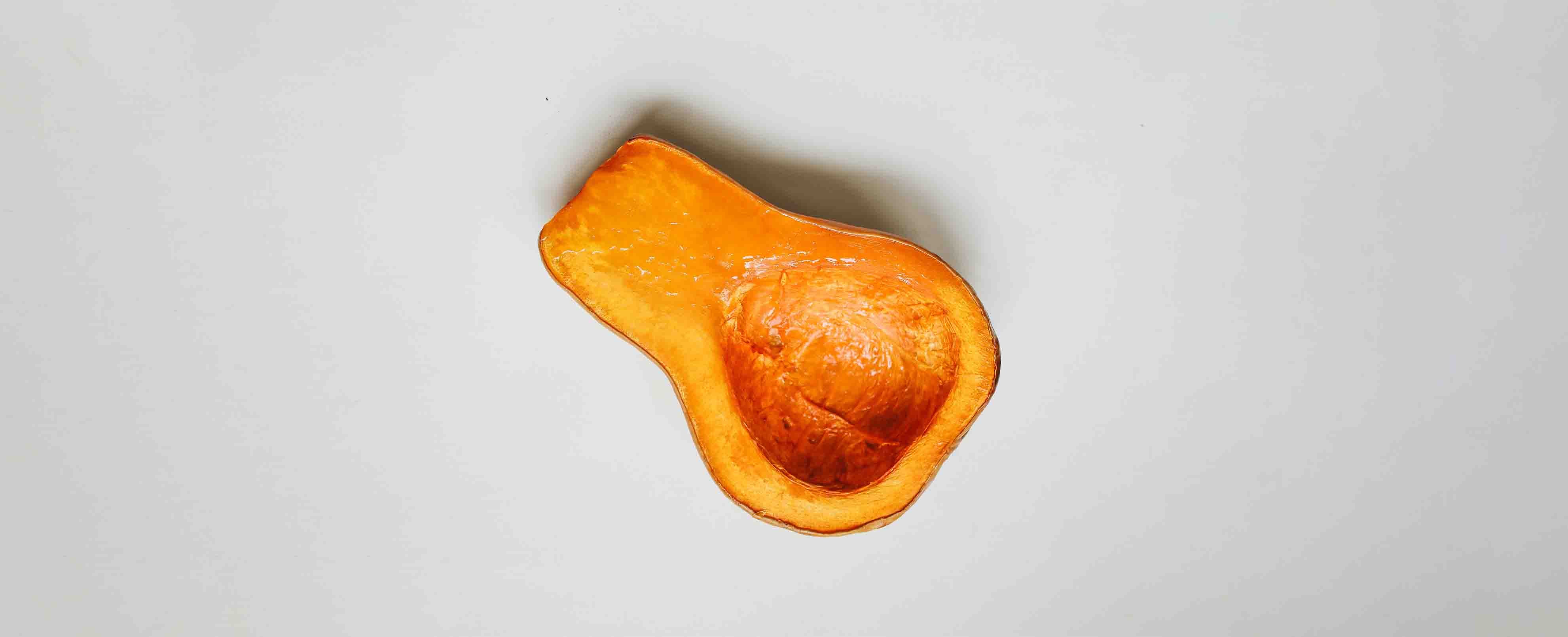
Pumpkin is a low-calorie vegetable rich in fibre, carotenoids, vitamins and minerals that can support digestion in dogs and cats, including with diarrhoea, constipation or diabetes. The amount counts: too much pumpkin can make stools looser. The seeds and oil are valuable too, but care is needed with how they are stored.

Dogs and cats are the most common animals living close to people. We often treat them as members of the family and unknowingly pass our eating habits on to them as well. Studies indicate that owners make quite a few dietary mistakes in doing so, yet a pet’s comfort of life depends on a balanced diet.
That is why we are increasingly reaching for plant products, such as fruit and vegetables. One of the most interesting is pumpkin - cheap, easy to get hold of and rich in valuable nutrients.
Superfoods in the diet of dogs and cats
Fruit and vegetables are increasingly going into dry and wet foods, especially for dogs. There is a reason for this, as they are classed as so-called functional foods. Some grains, herbs and spices are also described as ‘superfoods’.
The effect of such products on the health of dogs and cats is being studied ever more closely. Understanding the processes that take place in the body after they are given helps nutritionists put together better diets and helps vets look after animals’ health.
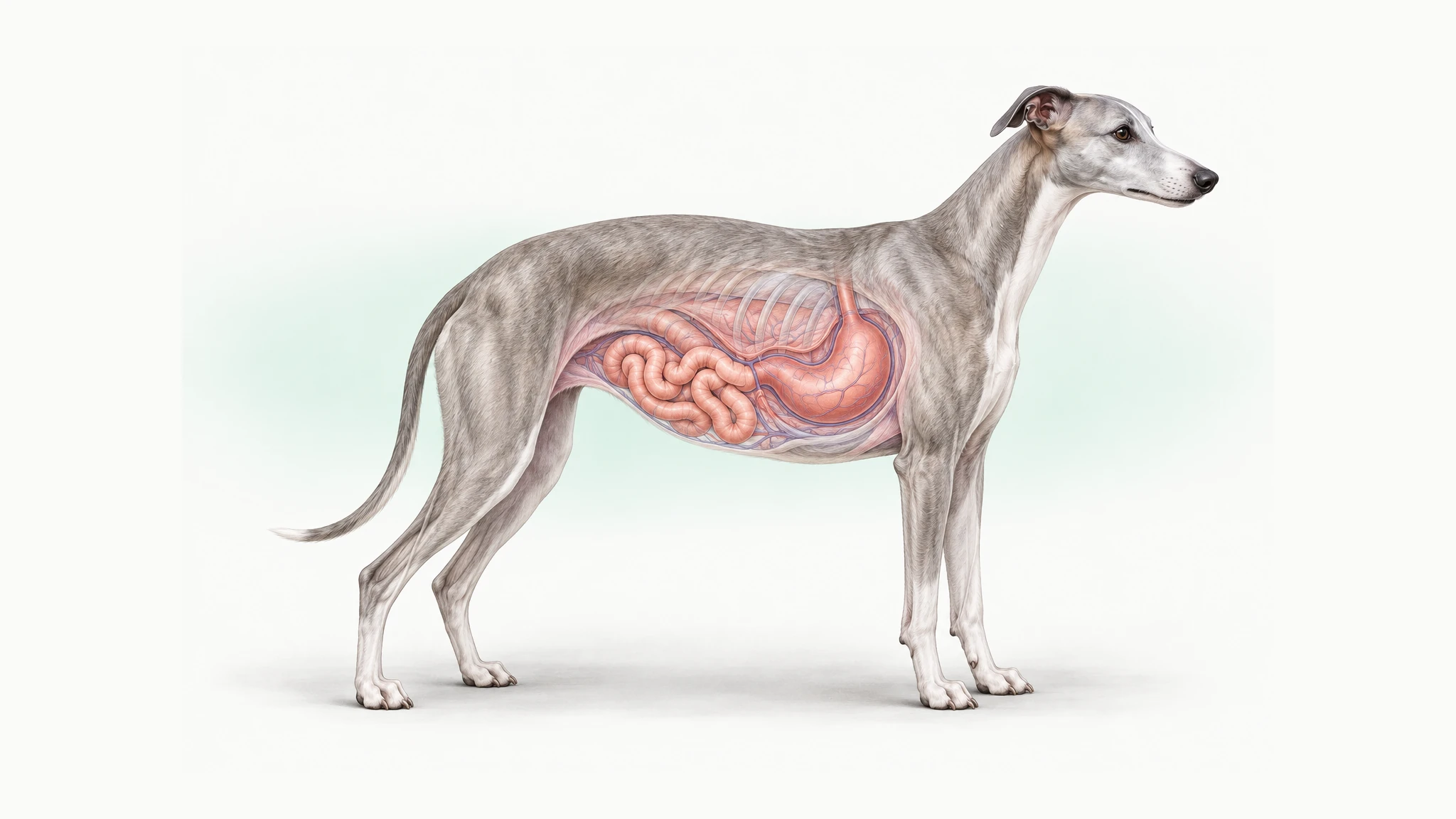
How dogs and cats digest plants

Meat should be the foundation of a dog’s and cat’s diet, but adding fruit or vegetables is a valuable source of nutrients and bioactive compounds. Digestive processes do, however, differ between species, including in the ability to synthesise vitamins and digest glucose.
That is why it is worth analysing the way an animal is fed individually: the composition of the dry or wet food, the macronutrient balance of a BARF diet and the treats. Dogs cope well with fruit and vegetables, because their digestive tract produces amylolytic enzymes. Amylase breaks down the glycosidic bonds in carbohydrates.
What pumpkin contains

Cucurbits were among the first vegetables cultivated by humans. Pumpkin comes from the Americas and, as a cheap vegetable, was for centuries a staple of meals for people of all social classes. It is still used in medicine and cosmetics today, and it has also found its place in pet food.

Pumpkin is considered good for health because it contains biologically active components: polysaccharides, para-aminobenzoic acid, sterols, proteins and peptides. According to United States Department of Agriculture data, fresh pumpkin is around 90% water, and its composition is completed by the components shown below.

Scientific reports allow pumpkin to be classed as a health-promoting food. We have gathered its most important properties in the graphic.

Plant compounds in the flesh
Secondary metabolites have been identified in cucurbits: alkaloids, flavonoids, phenols, saponins, tannins and cucurbitacins, which give the flesh its bitter taste. Pumpkin is also a good source of carotenoids and gamma-aminobutyric acid.
Around nine phenolic acids have been isolated from the flesh, including gallic, chlorogenic, caffeic and ferulic acid, as well as six flavonoids, including rutin, kaempferol and quercetin. Their concentration depends mainly on the species and variety of pumpkin.
Pumpkin colour and carotenoids
Cultivated varieties of pumpkin are more varied in colour, shape and size than wild ones. The orange colour of the flesh comes mainly from beta-carotene (provitamin A). Scientists have also found other carotenoids in pumpkin, including lutein, zeaxanthin, alpha-carotene and cryptoxanthin.
Vitamin A, minerals and potassium
Vitamin A is fat-soluble and comes mainly from plant carotenoids. It is absorbed in the intestines and stored mainly in the liver, and in smaller amounts in, for example, the kidneys. Cats cannot convert beta-carotene into retinol. With vitamin A, the amount matters - both deficiency and excess do harm.

Pumpkin also contains copper, manganese, potassium, calcium, iron, magnesium, zinc, selenium and vitamins E, C and B. Each of these nutrients affects the body, which is why proper dosing of food matters so much. Thanks to its high potassium content, pumpkin can support the heart and circulatory system.
Pumpkin fibre and digestion
Constipation
Pumpkin is rich in soluble fibre, which is not absorbed in the small intestine but ferments in the large intestine. There it stimulates receptors in the mucous membrane and boosts peristalsis, which speeds up bowel movements. Fibre binds water and increases stool volume, and fermentation produces beneficial fatty acids that supply energy to the cells of the gut.
Diarrhoea
Diarrhoea in a dog can have many causes, but it is most often linked to diet. In puppies it can result from:
- an undeveloped digestive tract microflora,
- frequent diet changes,
- giving too many treats,
- the stress of discovering the world.
Sometimes there is a deeper problem behind it that needs treatment. In adult dogs, diarrhoea can accompany another illness or result from a poor feeding pattern.
Pumpkin is one of the vegetables that are safe with diarrhoea. It also contains an insoluble fibre fraction, which can be natural support for a dog with loose stools. The amount does matter, though: too much pumpkin can make stools looser and increase dehydration, and as a result upset the water and electrolyte balance.
Pumpkin as a prebiotic
Fibre also acts as a prebiotic. Prebiotics reach the intestine unchanged, because they are not broken down in the stomach. They stimulate the growth of beneficial bacteria, inhibit the multiplication of harmful ones and lower the pH in the large intestine. With diarrhoea, the vet may recommend a probiotic, and pumpkin, as a natural prebiotic, then supports the live bacterial cultures.
The combination of a probiotic and a prebiotic is a synbiotic, considered the most beneficial pairing. There is also more and more talk of a eubiotic, rifaximin alpha. It has broad antibacterial and anti-inflammatory activity, and studies indicate that it may increase the share of beneficial bacteria, including Bifidobacterium and Lactobacillus. Research on it is still ongoing.
Fibre supplements
Fibre can be added to food in the form of cellulose or wheat bran (the insoluble fraction), inulin (the soluble fraction) or psyllium, which contains both fractions. The type and amount of fibre is worth agreeing during a dietary consultation.
Pumpkin with diabetes, excess weight and underweight
The insoluble fibre in pumpkin increases stool volume and slows down the digestion and absorption of carbohydrates, which can help regulate blood sugar in dogs with diabetes. Pumpkin is low in calories, and the swelling fibre gives a feeling of fullness, so it works well as a snack for dogs and cats with diabetes.
In dogs, a diet with more of both fibre fractions helps maintain or reduce weight. The graphic below shows why.

Overweight dogs should get regular, tailored exercise to complete the weight-loss plan.
In underweight dogs, the goal is to normalise body weight, build muscle and stabilise metabolism, including insulin balance. Such dogs should get a nourishing, high-quality food or a diabetic diet, because it contains both fibre fractions. Also remember to count treats in the daily ration.
Pectin, oil and pumpkin seeds
Concentrations of toxic substances in the environment are rising, and heavy metals such as cadmium and mercury, which damage tissues and DNA, are especially dangerous. Pumpkin pectin has shown a protective effect on the cells of the intestinal lining. In studies, pumpkin pectins also inhibited reactive oxygen species (ROS) in canine kidney cells (MDCK1).
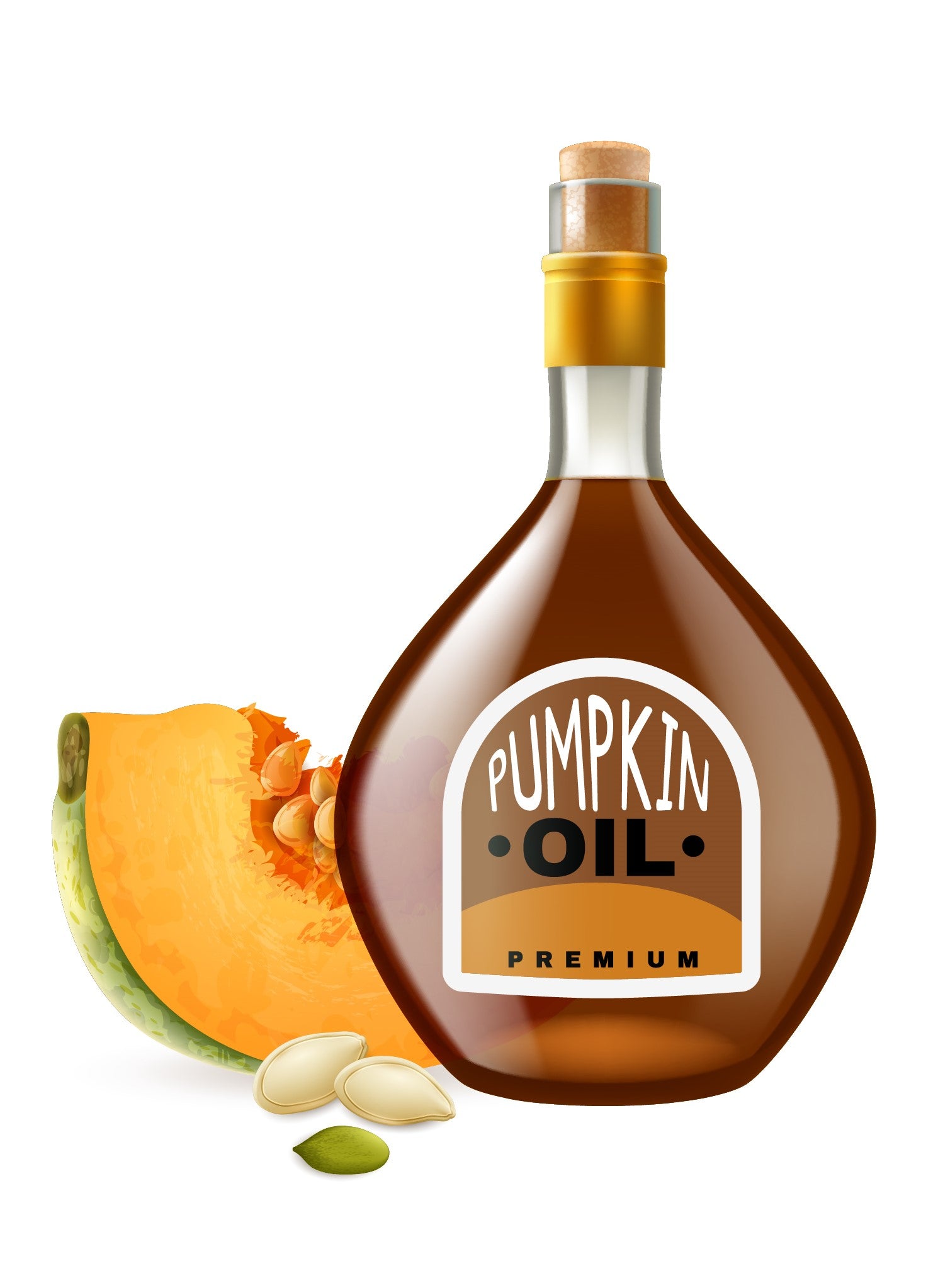
Pumpkin oil
Oil and seeds are also obtained from pumpkin. With the oil, attention must be paid to the ratio of omega-6 to omega-3 fatty acids: omega-6, which takes part in inflammatory processes, predominates. That does not mean, however, that the oil has no beneficial properties.
In laboratory studies, pumpkin oil inhibited the growth of many microbes, including Escherichia coli, Salmonella, Klebsiella pneumoniae, Pseudomonas aeruginosa, staphylococci and Candida albicans. Thanks to its tocopherols (vitamin E), pumpkin seed oil is considered a source of antioxidants. In a study on mice, pumpkin extract increased the activity of superoxide dismutase, an important antioxidant enzyme.
Pumpkin seeds
Dried seeds contain about 6% water, and per 100 g: 30.23 g of protein, 49.05 g of fat, 10.71 g of carbohydrates and 6 g of fibre. They are also a source of phosphorus, potassium, magnesium, calcium, zinc, vitamin C, B vitamins, folates and vitamin K.
Studies indicate that adding seeds to snacks may reduce the risk of bladder stones in dogs. Aqueous seed extracts have also been tested in puppies infected with the parasite that causes heterophyiasis - the results were promising but need confirming.

Watch out for contamination. When stored badly, moulds and fungi grow in the seeds. The shell is a natural protection, but most seeds on sale have had it removed. In the sun, the fat in the seeds goes rancid and they lose their nutritional value.
How to give pumpkin to dogs and cats
Research from many fields - biotechnology, phytotherapy, veterinary medicine, nutrition and microbiology - shows that pumpkin flesh, seeds and oil are well suited to the daily diet of dogs and cats. Pumpkin can be given boiled, roasted or blanched, remembering moderation and counting it in the daily ration.
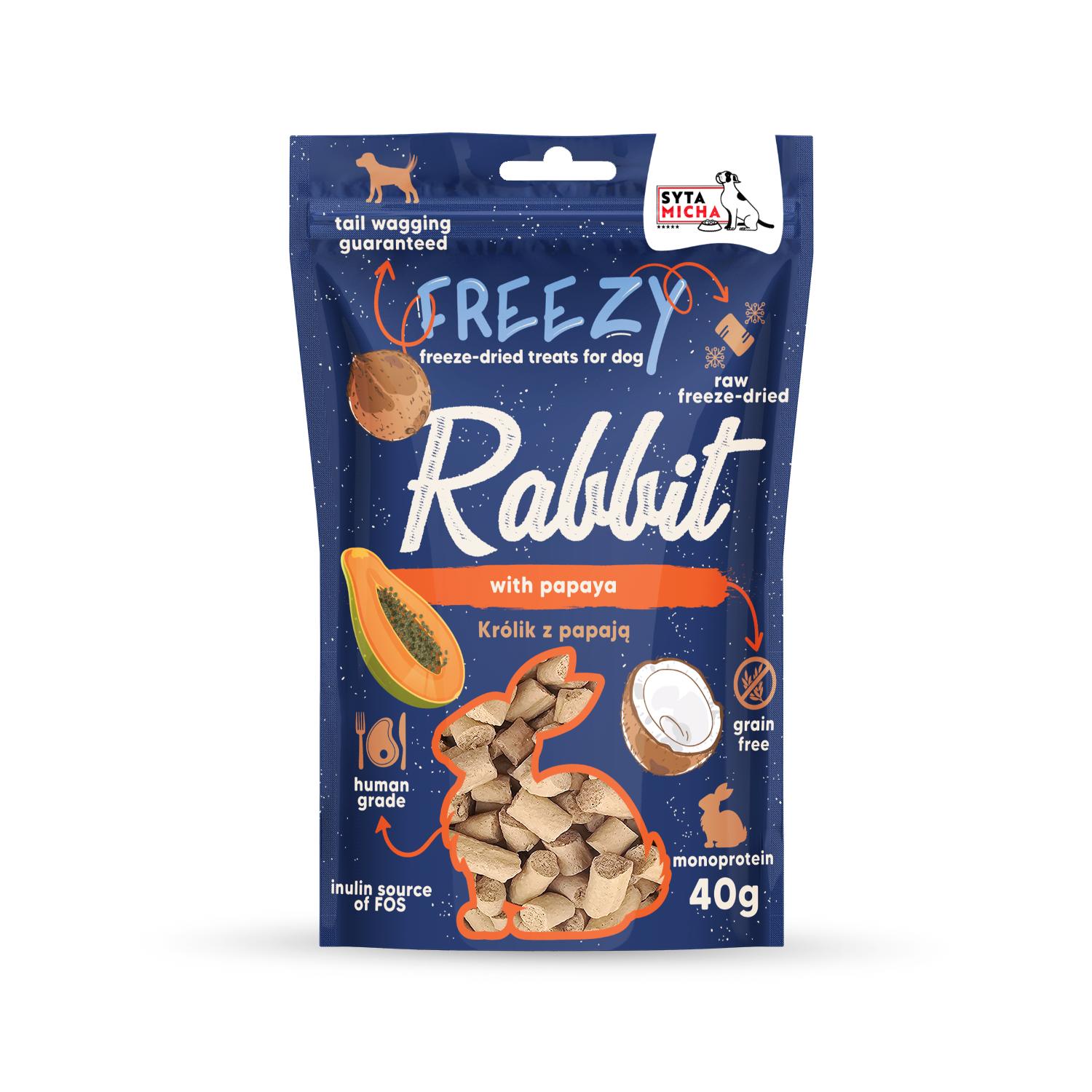
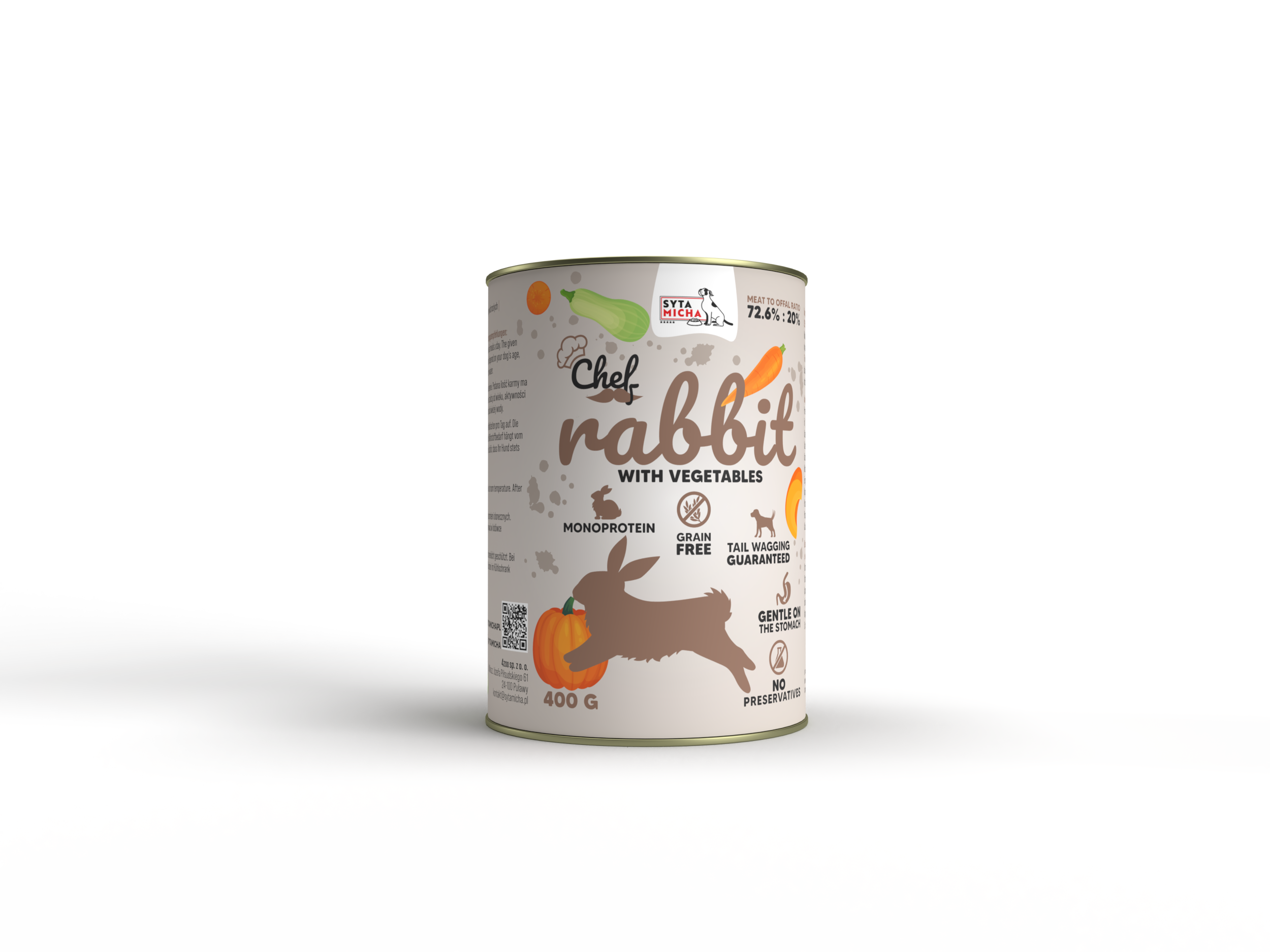
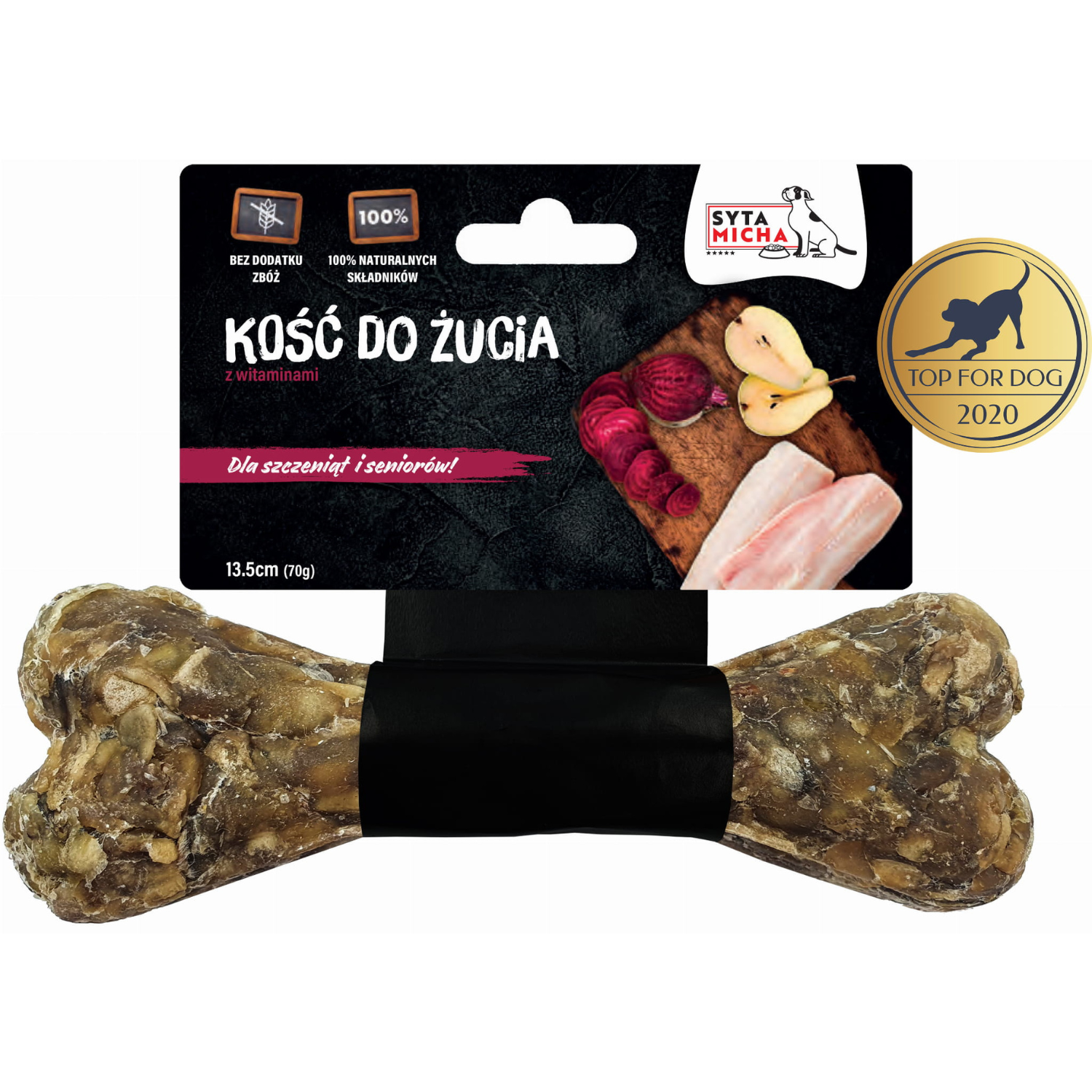
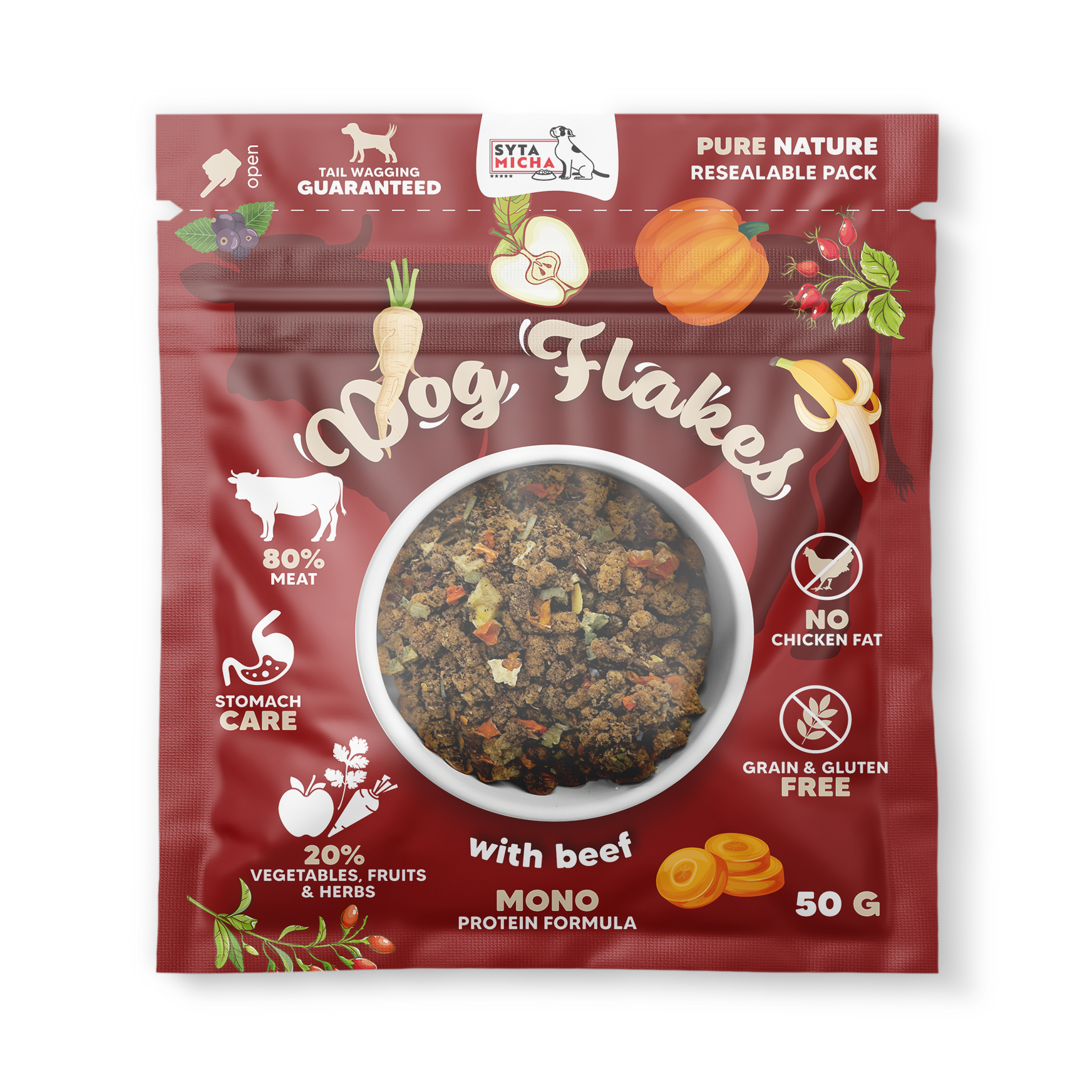
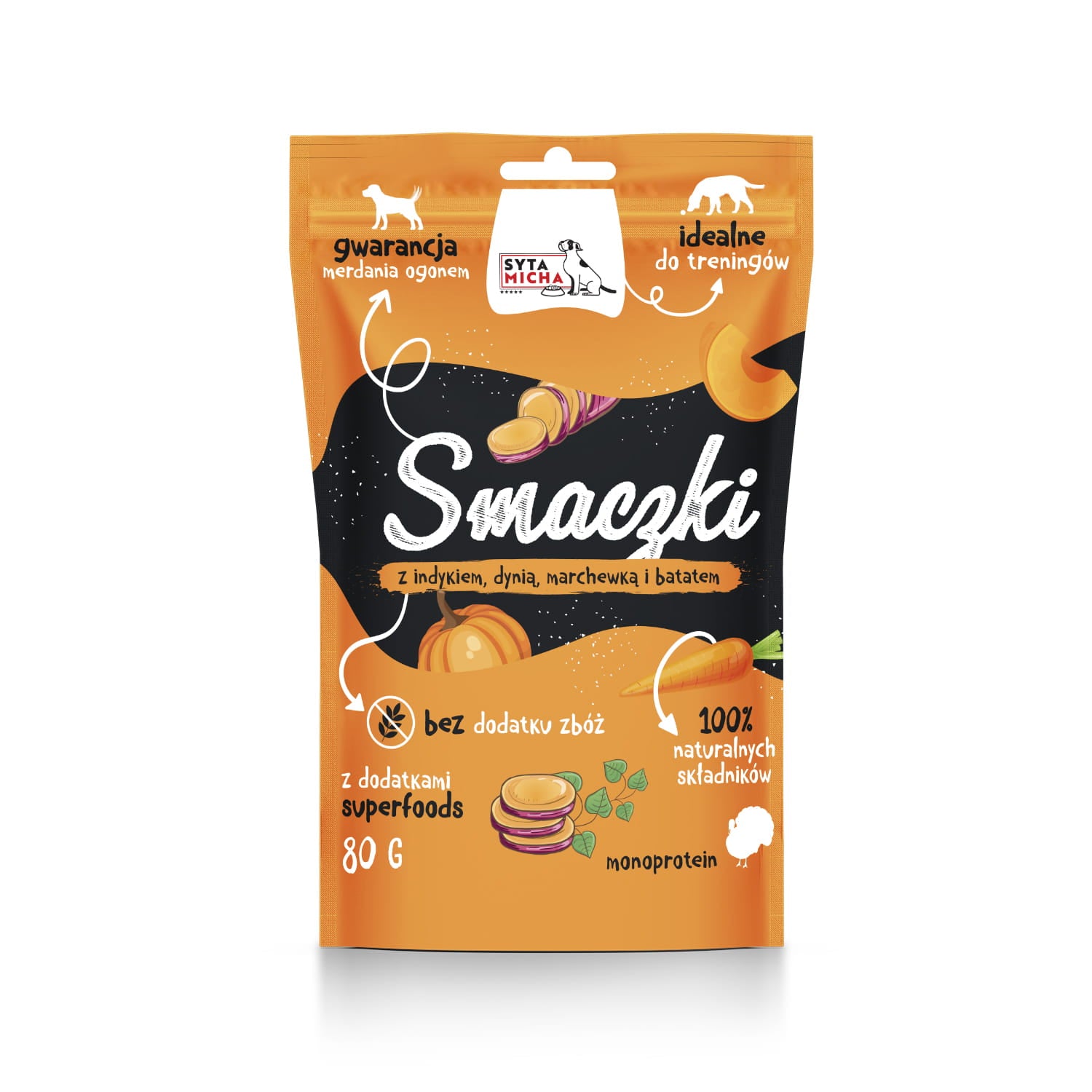
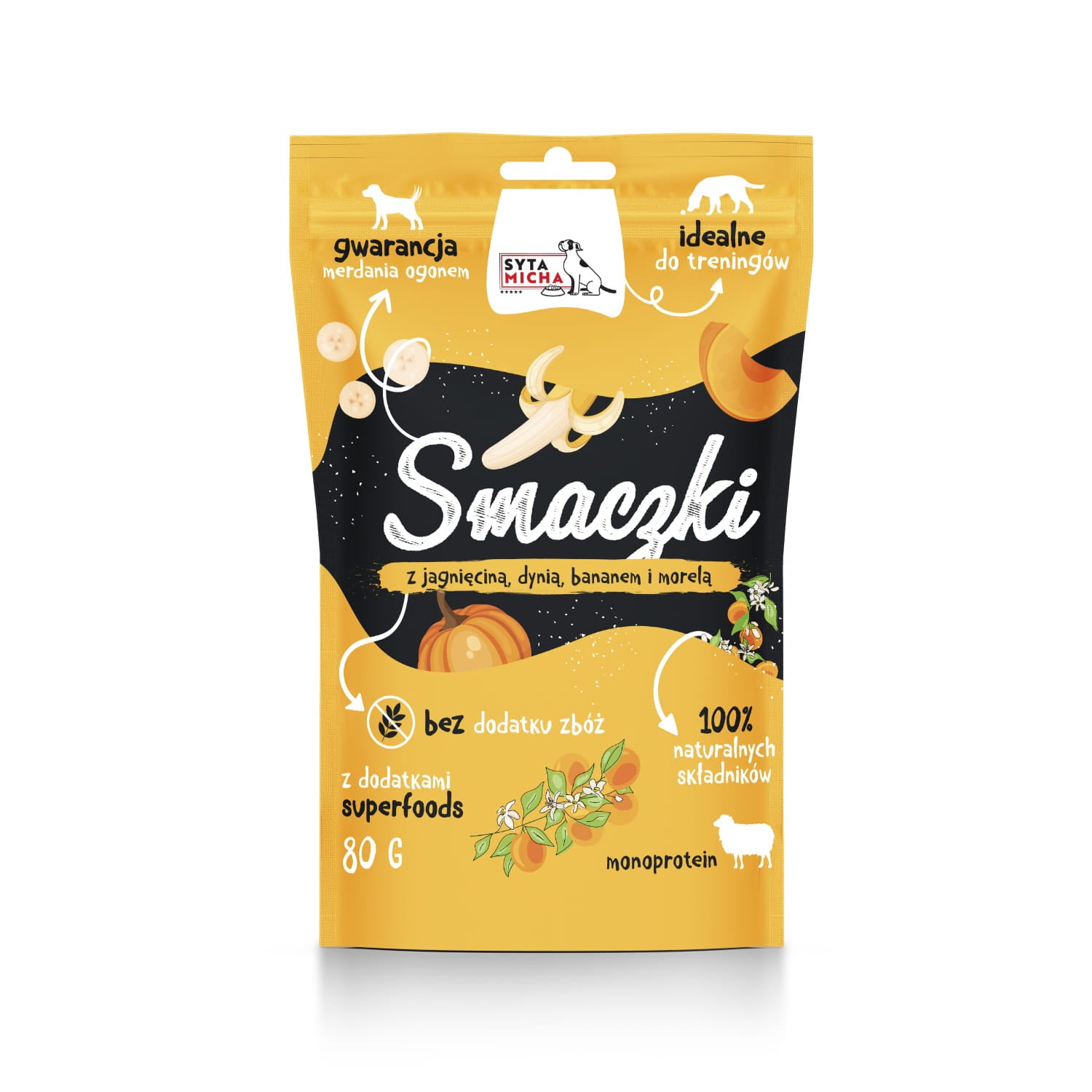
Dog treats with turkey, pumpkin, carrot and sweet potato 80g · 14,90 złDog treats with lamb, pumpkin, banana and apricot 80g · 14,90 zł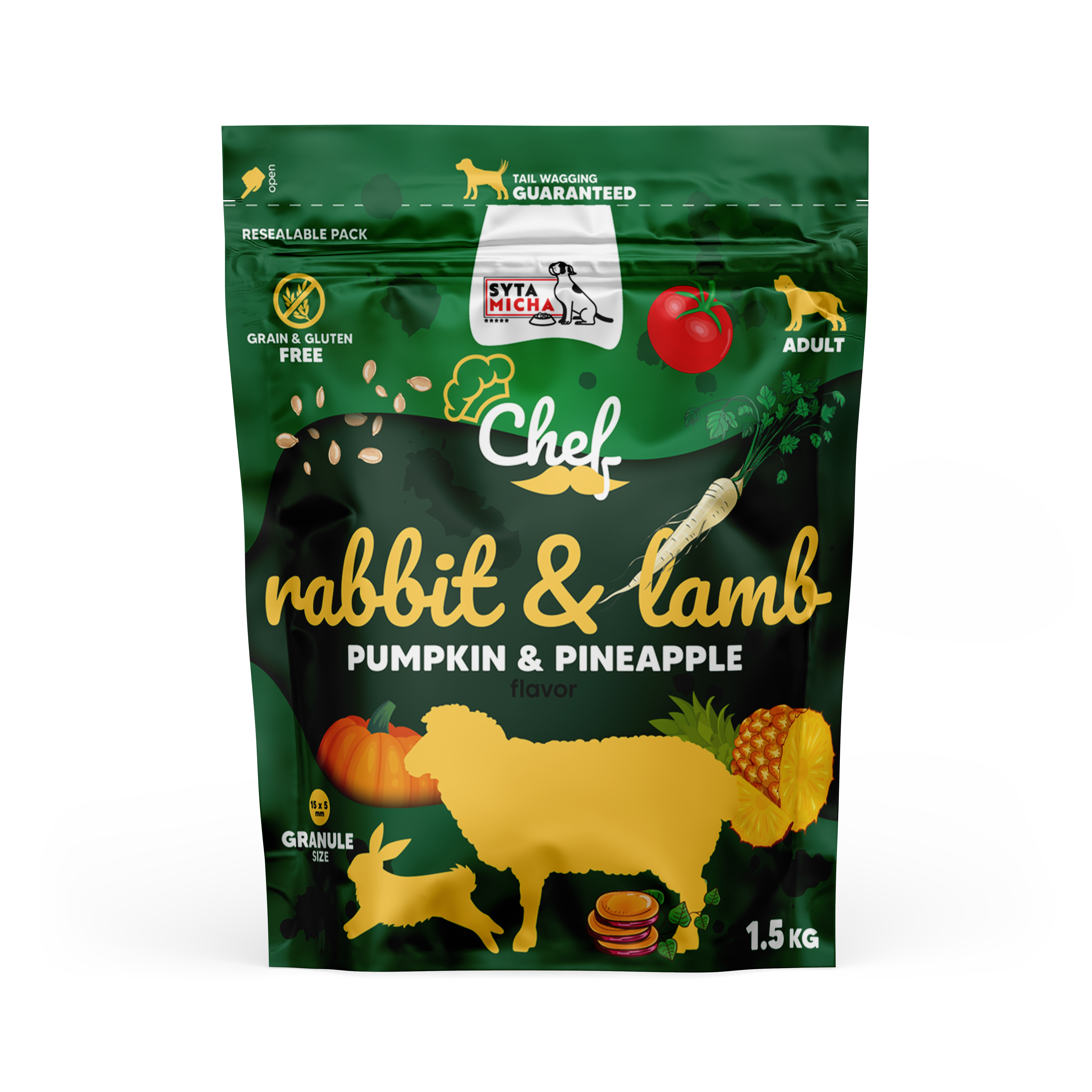 Dry dog food Rabbit and lamb, pumpkin and pineapple 1.5kg · 59,00 zł

Products mentioned
 You collect HAU DOLCE points for your purchases
Frequently asked questions
Does pumpkin help a dog with diarrhoea?
Pumpkin is one of the vegetables considered safe with diarrhoea, and its fibre can be natural support for the gut. The amount does matter, though, because too much can make stools looser and increase dehydration.
Will a cat benefit from the beta-carotene in pumpkin in the same way as a dog?
No. Cats cannot convert beta-carotene into retinol, i.e. vitamin A, so for them pumpkin is not a source of it to the same extent as for a dog.
In what form should I give my dog pumpkin?
Pumpkin can be given as a snack boiled, roasted or blanched. Remember to include it in the daily food ration.
Are pumpkin seeds safe for dogs?
The seeds have a lot of nutritional value, but without their shells and when stored badly, moulds and fungi can grow in them and the fat can go rancid. Choose good-quality seeds stored away from the sun.