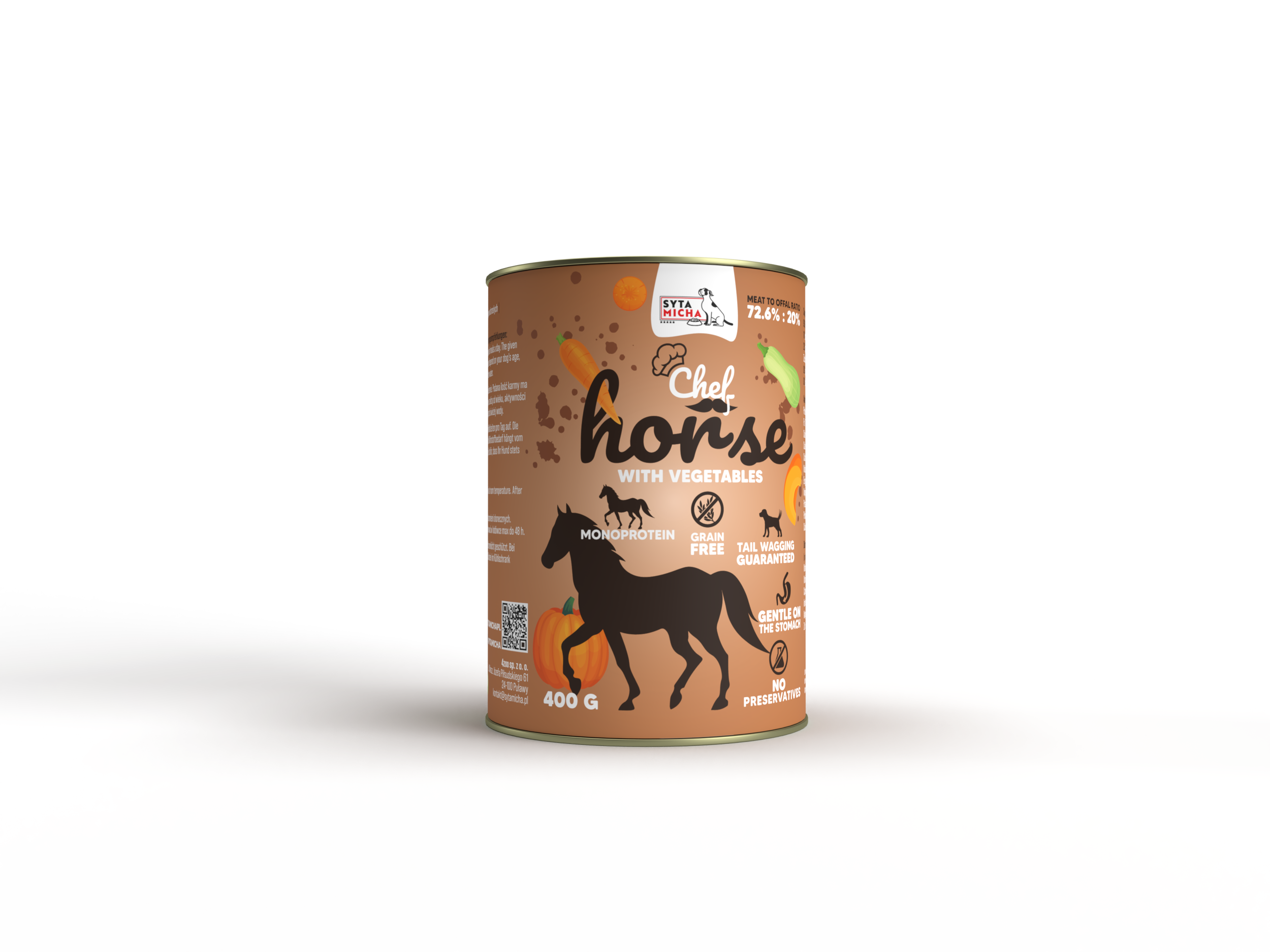
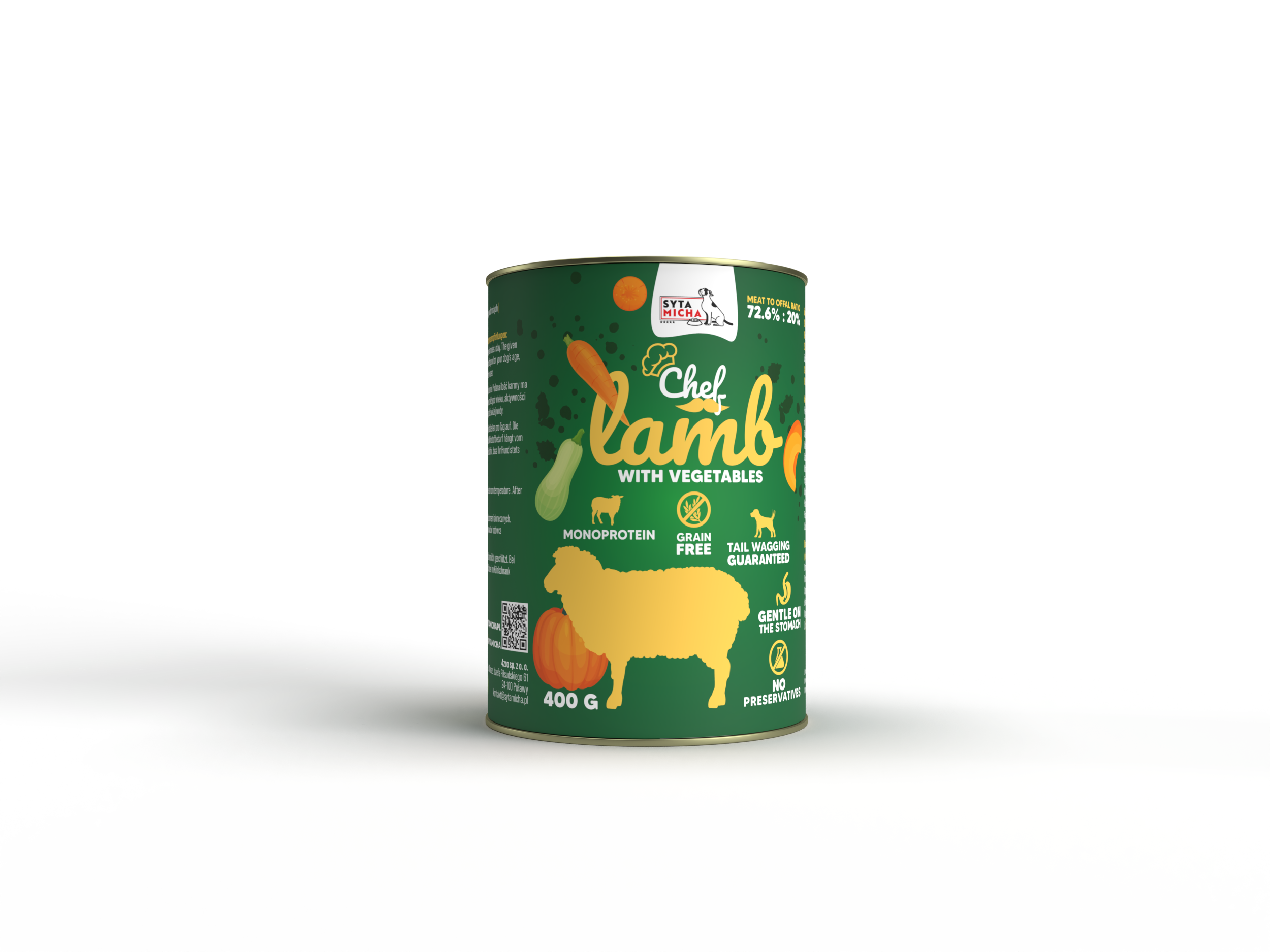
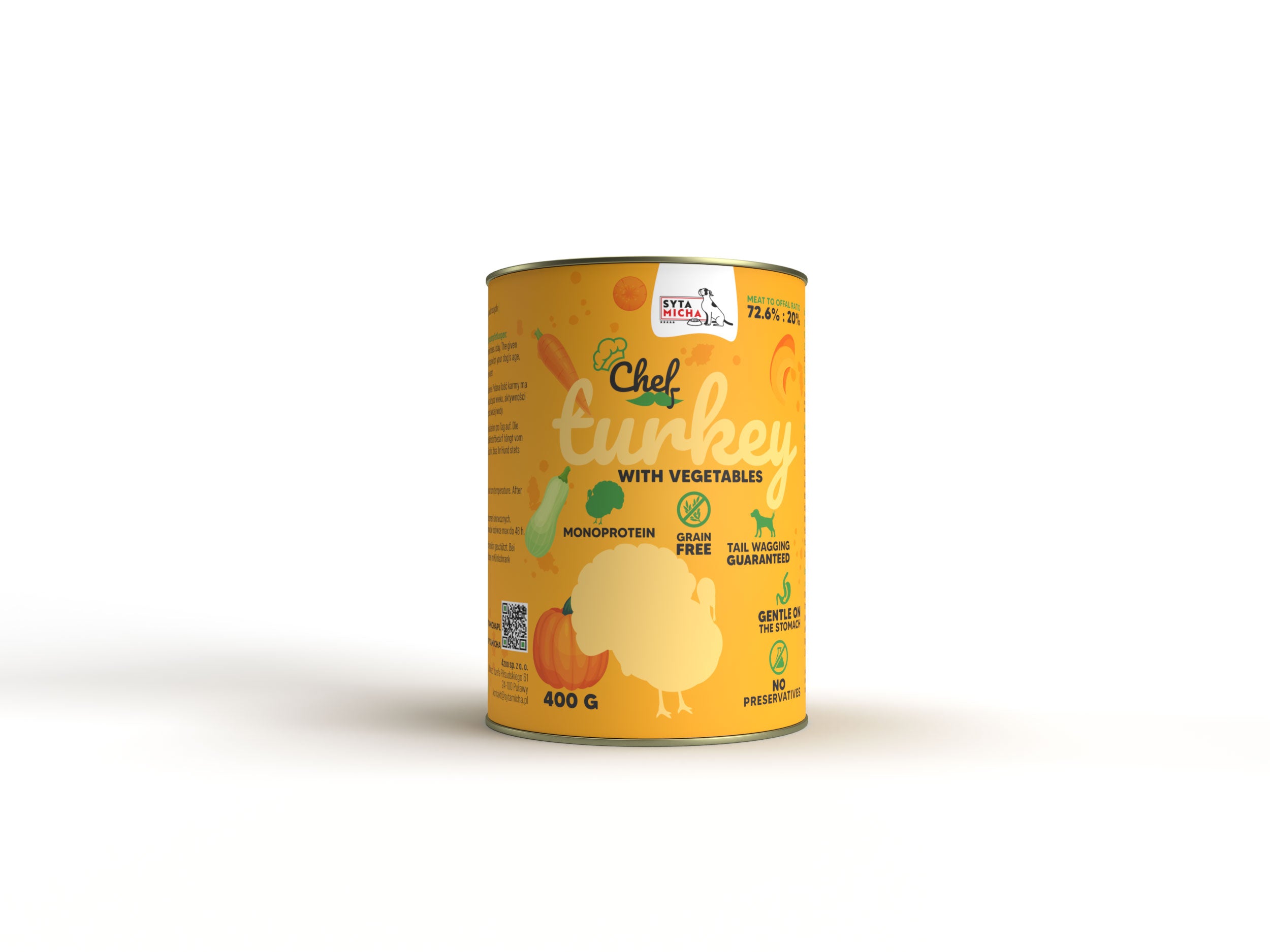
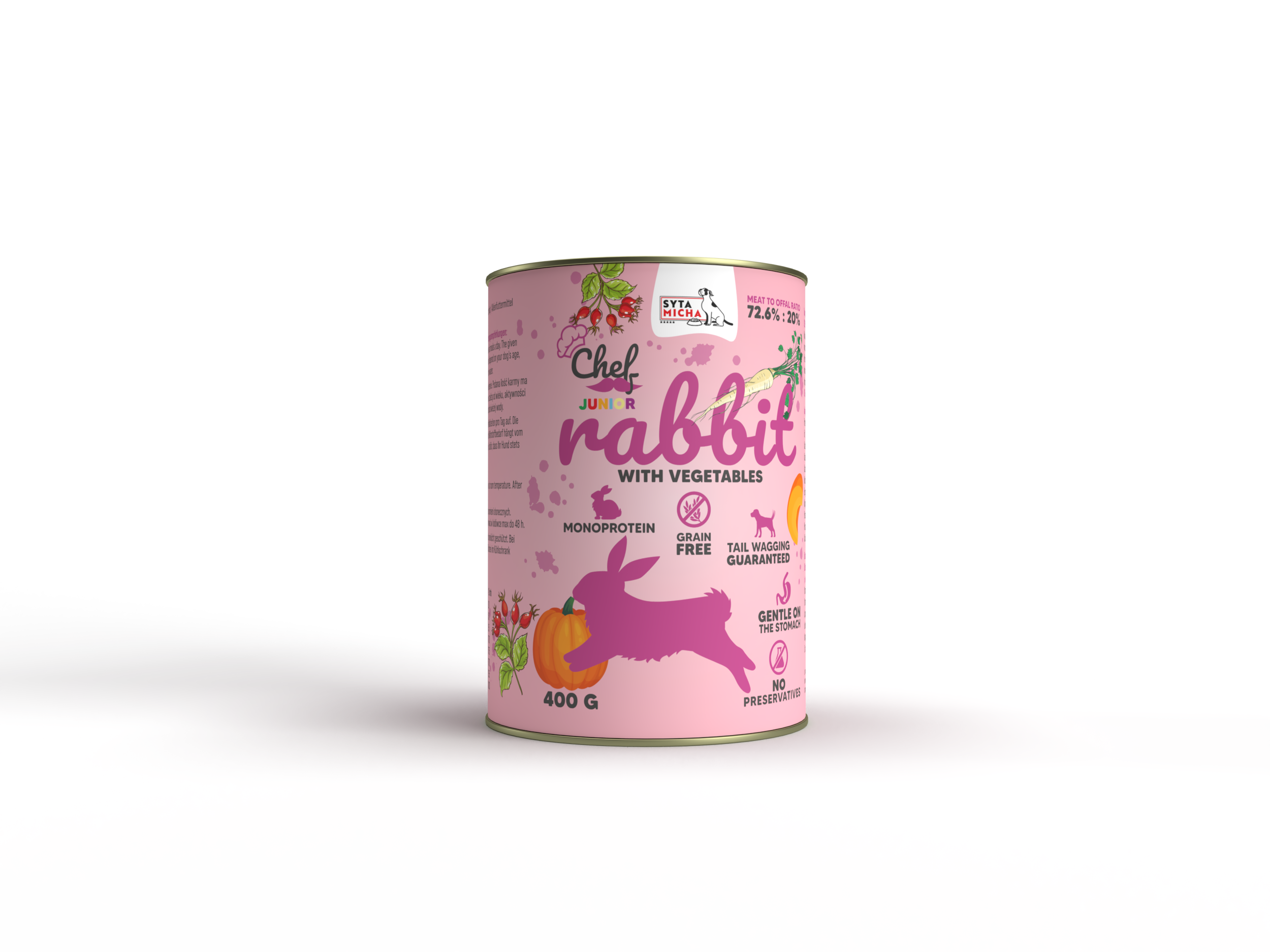
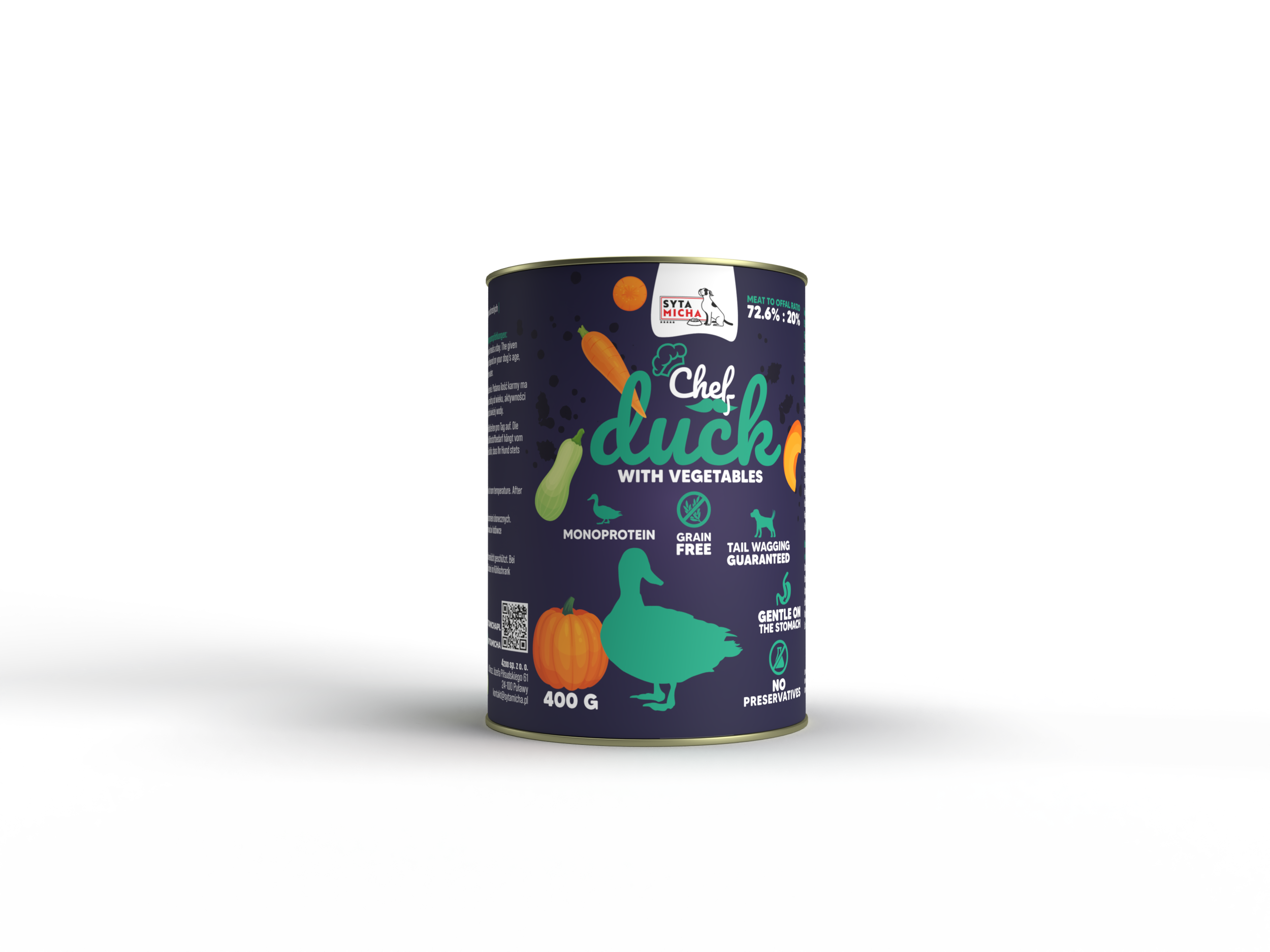
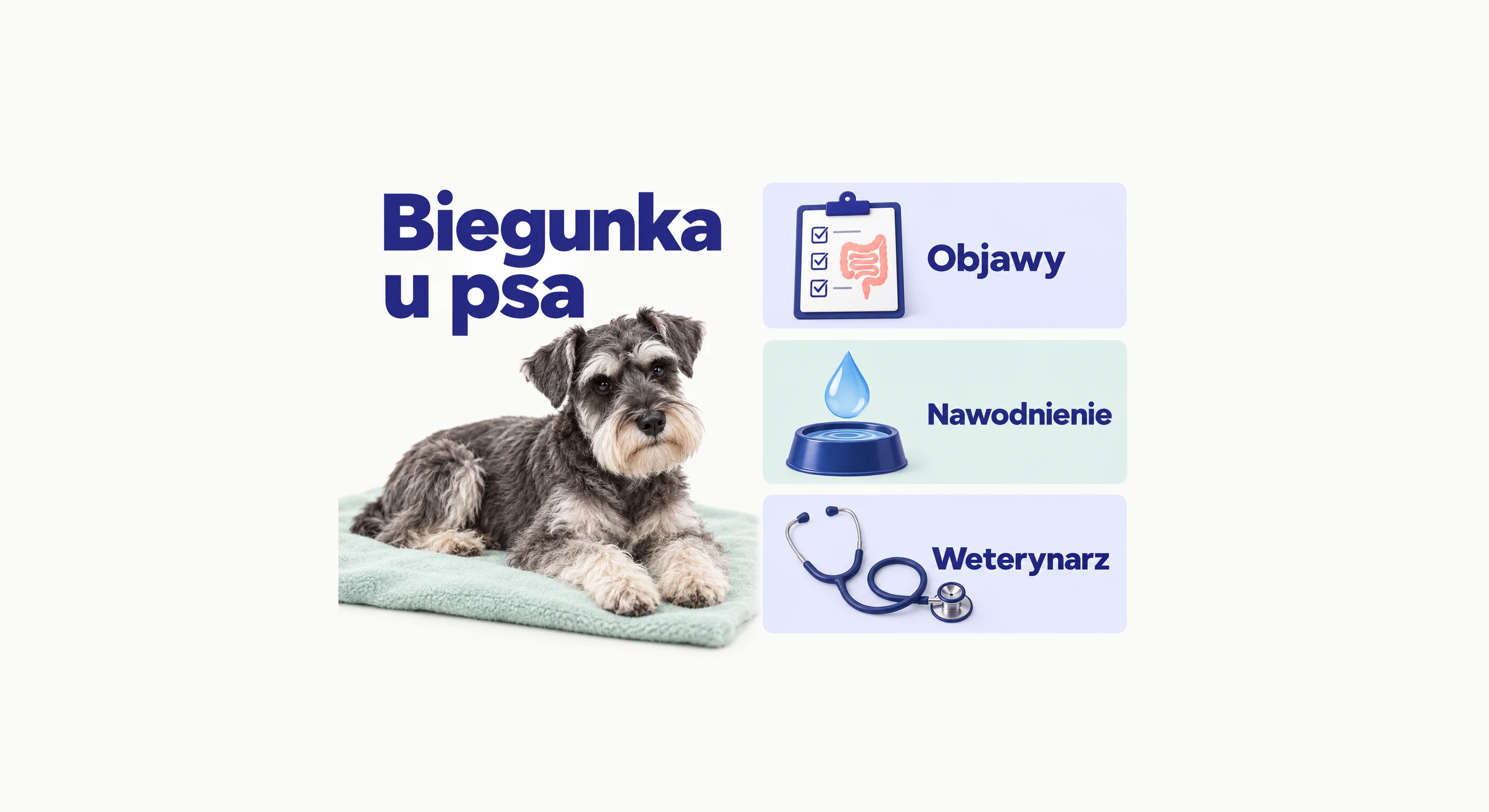
Blood in the stool, vomiting, lethargy, refusing to drink or symptoms for more than 48 hours - go to the vet first. Otherwise: water at all times, small portions more often, a simple composition with nothing new and a return to the usual food spread over a week.
Diarrhoea is the most common reason owners call us with a question about food. And the most common one where the answer is: the vet first, then the food.
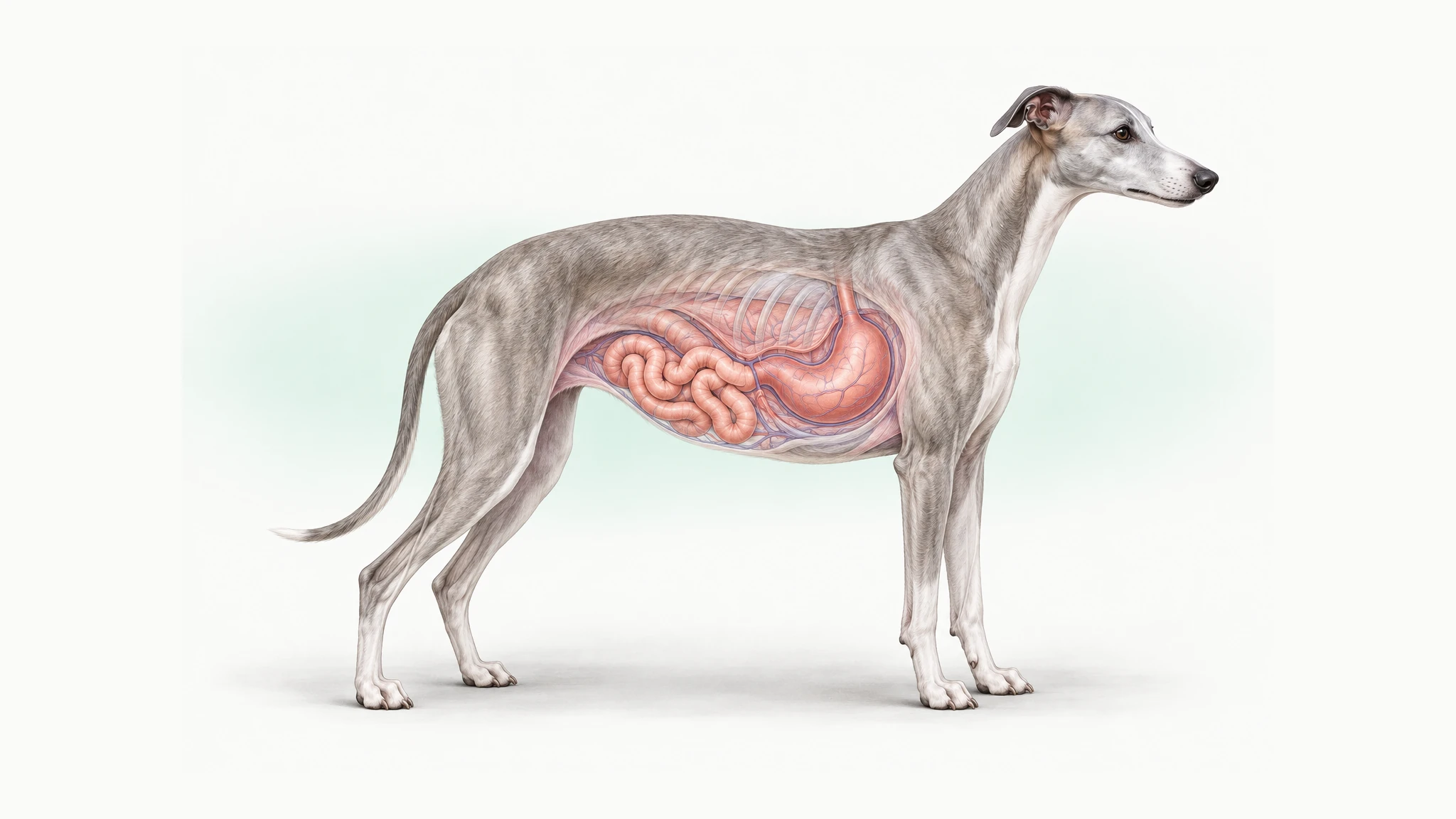
Diarrhoea is not a disease. It is a symptom, and a symptom can have a trivial cause or a serious one. From the outside, the first day looks the same in both cases, so it is worth knowing what to look for.
When you stop reading and go straight to the vet
These signs mean the problem goes beyond diet:
- blood in the stool, or black, tarry stools,
- vomiting that continues alongside the diarrhoea,
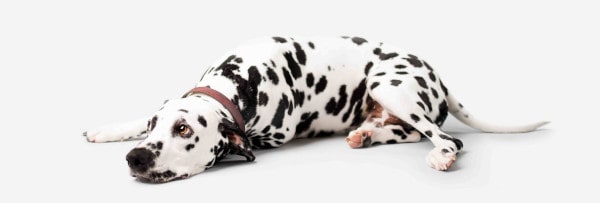
- lethargy, fever, a tense or painful belly,
- the dog does not want to drink,
- diarrhoea in a puppy, a senior or a very small breed - dehydration progresses in hours for them, not days,
- symptoms lasting longer than 48 hours.
If none of these apply, and your dog is lively, drinking and behaving normally, it is usually a temporary upset.
Where it comes from
Too fast a change of food
The most common cause we see, and the only one entirely within our control. The gut flora needs a few days to adjust. An overnight switch is, for the gut, like a week of eating nothing but an unfamiliar cuisine would be for a person.
Something eaten on a walk
A bone from the bin, an old sandwich, water from a puddle. A classic, especially in dogs that eat everything along the way.
Stress
A house move, kennels, a new household member, a trip. The gut-brain axis works in dogs just as it does in people.
Parasites and infections
Giardia, roundworms, bacterial and viral infections. You cannot diagnose these at home, and diet will not sort them out.
Intolerance of a specific ingredient
Some dogs do not tolerate lactose or too much fat. If loose stools come back regularly after the same product, read about food intolerance - it is different from an allergy.
What to do in the first 24 hours
After consulting your vet, because whether to fast and for how long depends on the dog's age and condition:
- Water available at all times. Dehydration is more dangerous than the diarrhoea itself.
- Small portions, more often. Three or four small ones instead of two large.
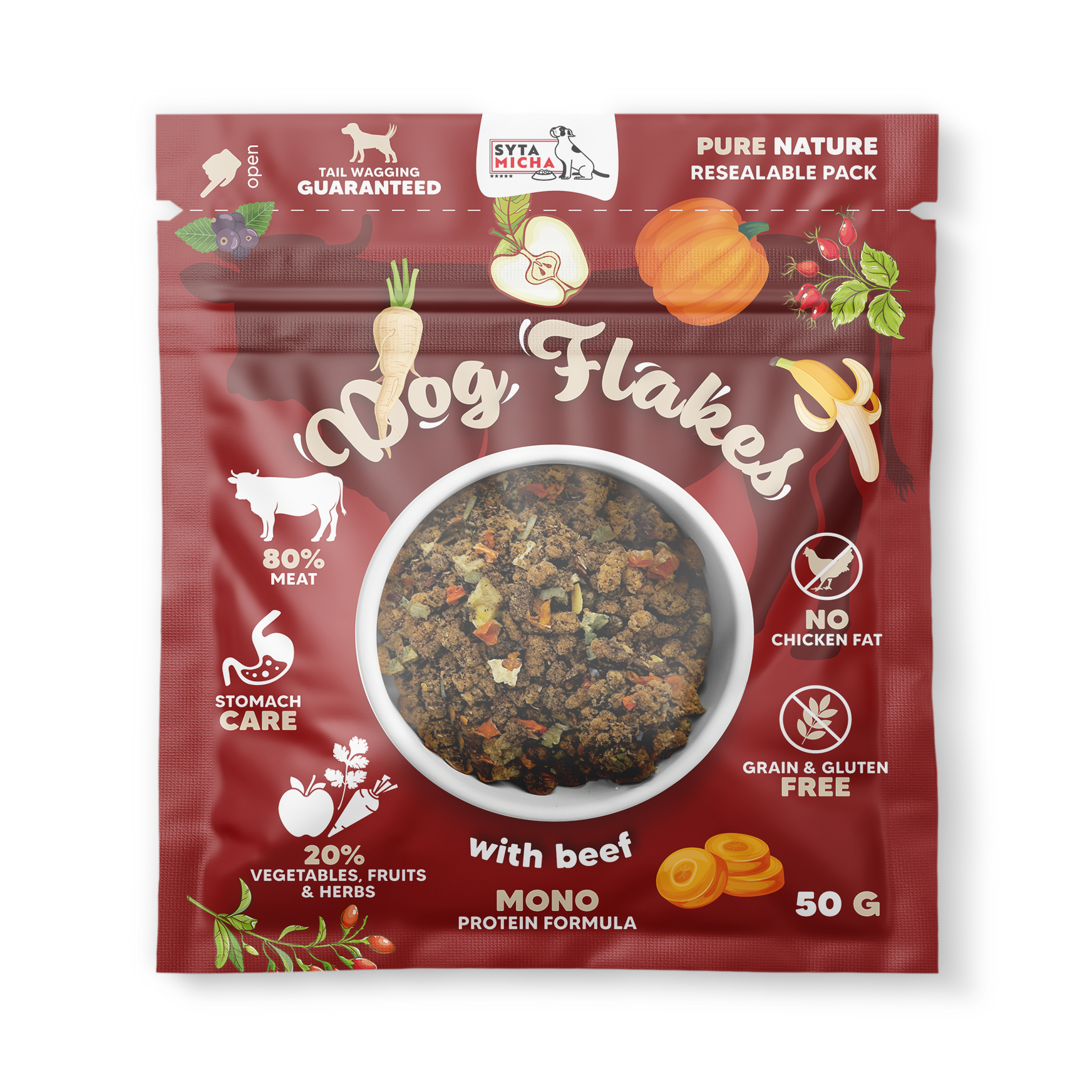
- A simple composition. One protein source, little fat, nothing new. This is the moment for easily digestible food, not for testing a new flavour.
- Observation. Note the times and what the stool looks like. The vet will ask, and memory after a sleepless night can be unreliable.
Why wet food can be more convenient here
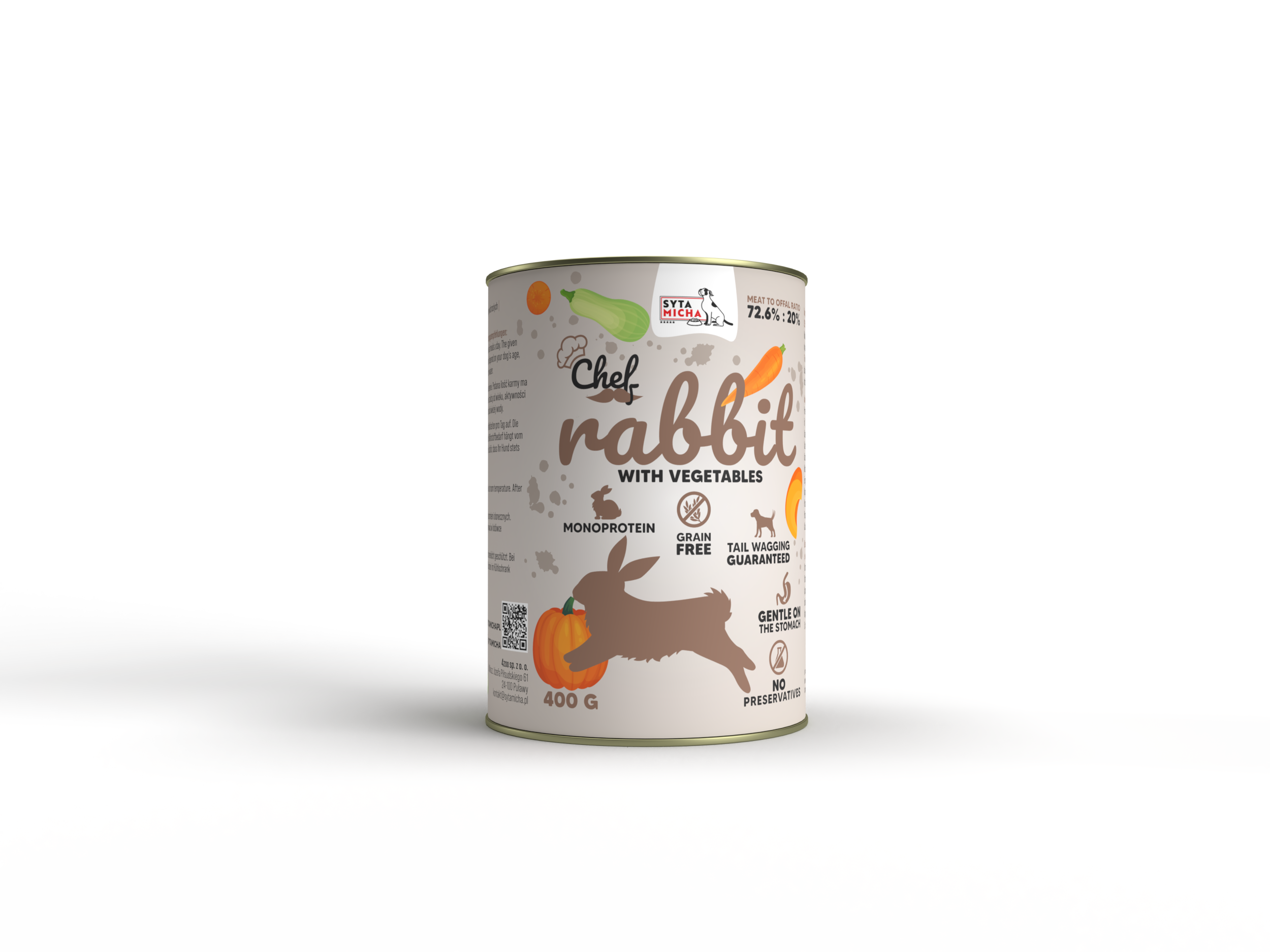
Wet food contains about 80% water. A dog that drinks less than it should after diarrhoea gets some of its fluids along with its meal. That does not make it a medicine, but it makes hydration easier.
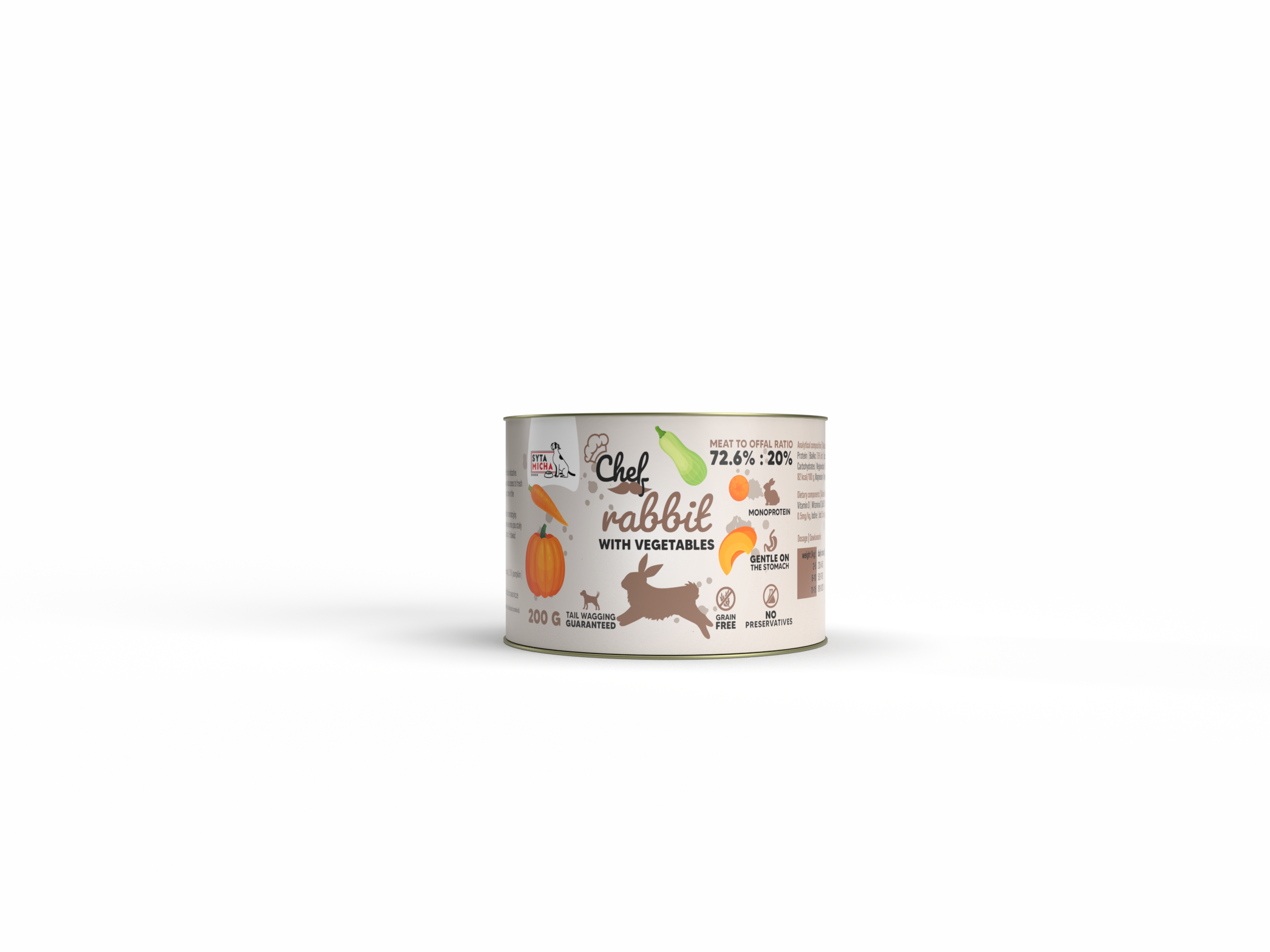
More important than the form of the food, though, are its composition and fat content. Fat slows stomach emptying, so with an irritated gut too much of it gets in the way. Watch out for a trap: 7% fat on a tin and 7% on a bag are completely different values, because the tin is mostly water. I explain how to convert it in the entry dry matter in dog food.
Ingredients that genuinely help
- Pumpkin - pectins bind water and improve stool consistency.
- Psyllium - soluble fibre that works in a similar way, and also helps with stools that are too loose or too hard.
- FOS and MOS prebiotics - food for good gut bacteria.
- Enterococcus faecium - a probiotic studied in dogs.
- Slippery elm - forms a protective layer on the mucous membrane.
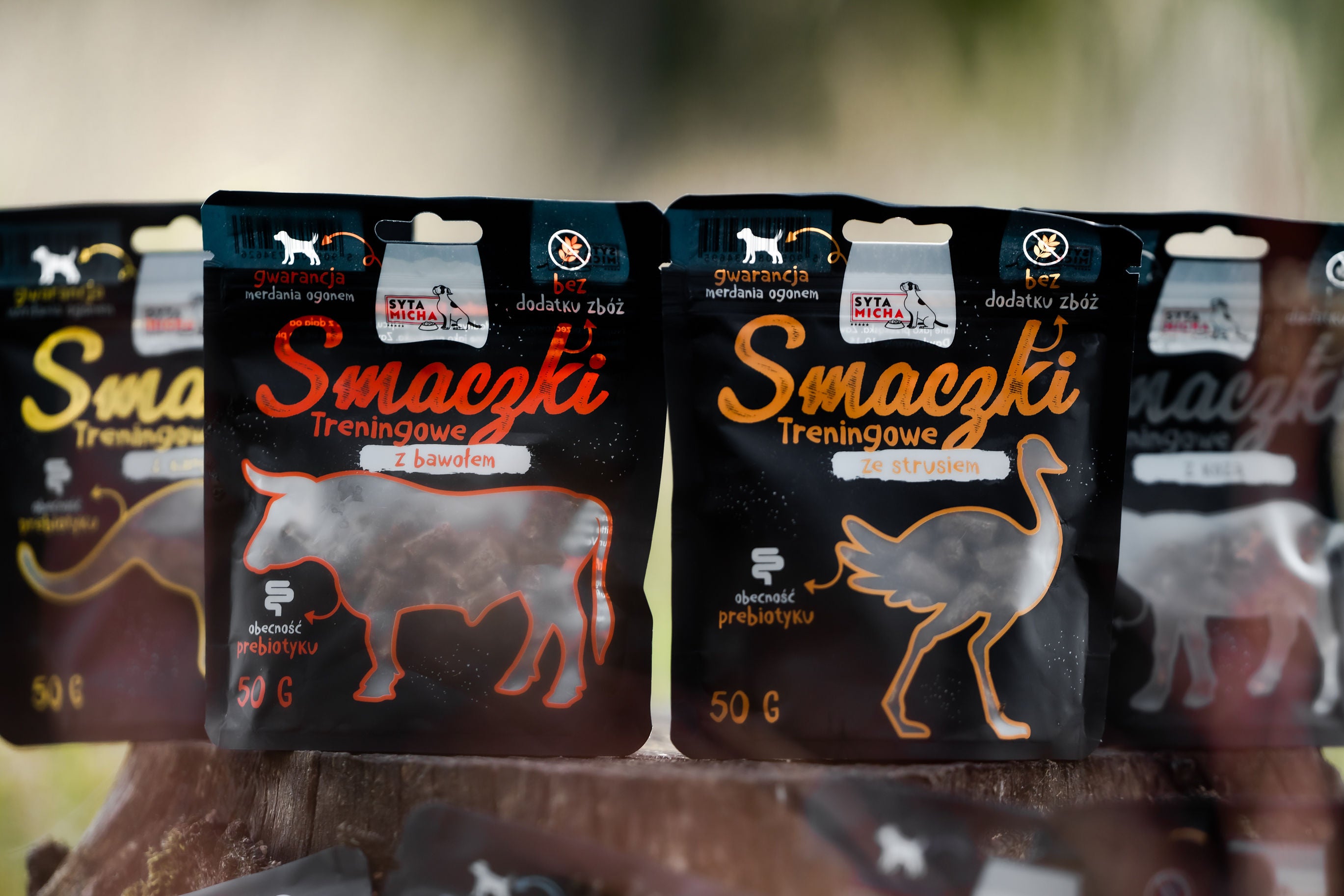
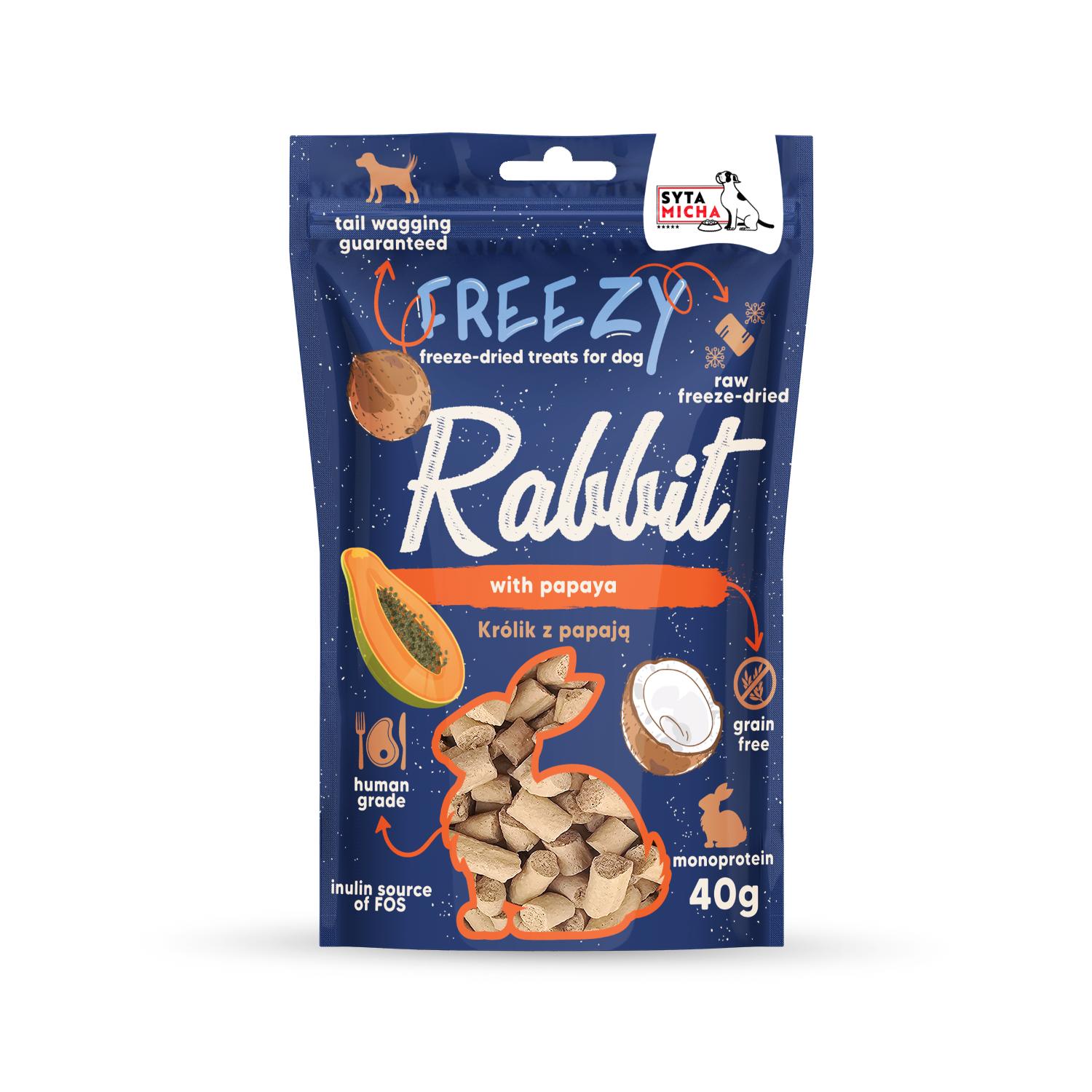
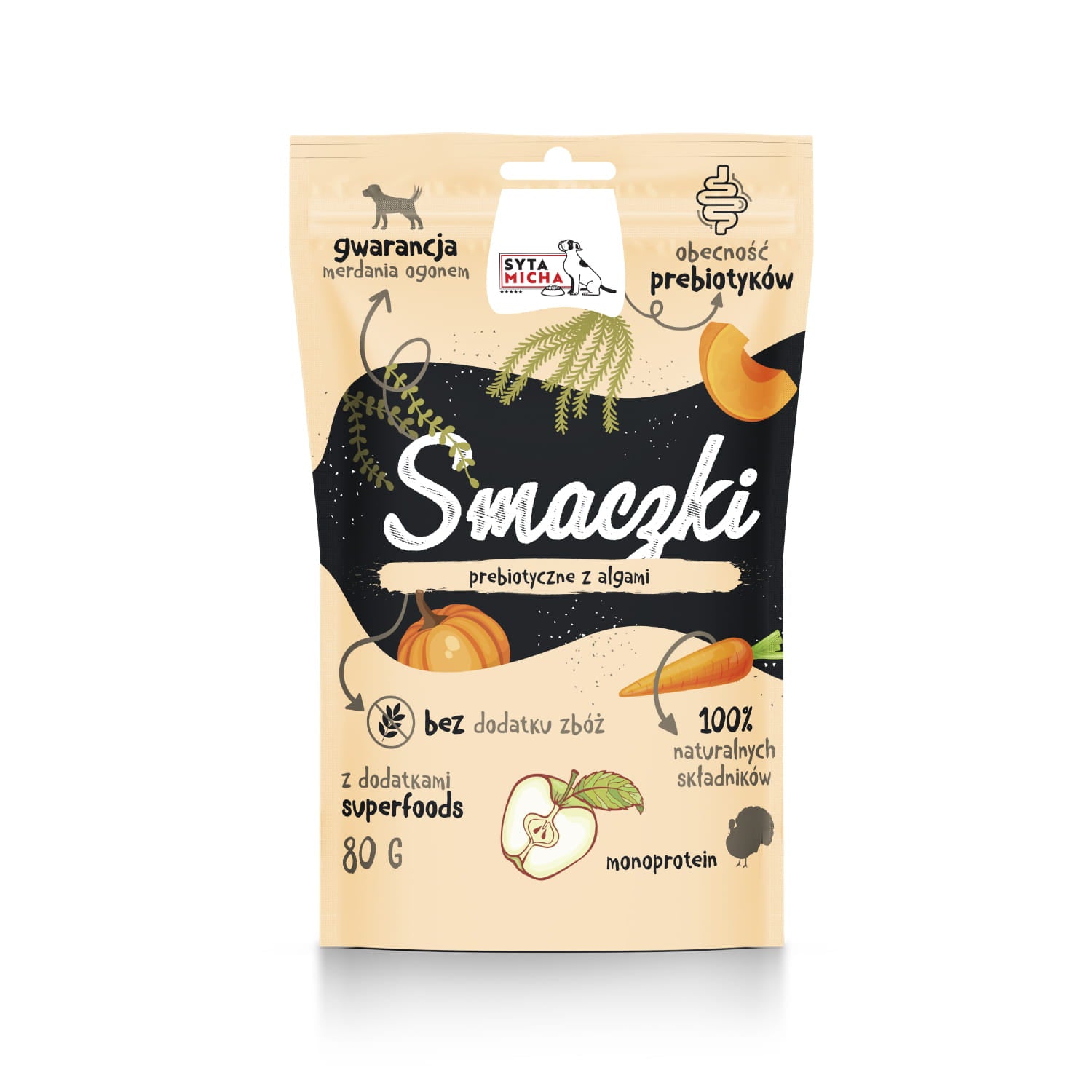 Prebiotic dog treats (GI²D Complex) with seaweed 80g · 19,90 zł
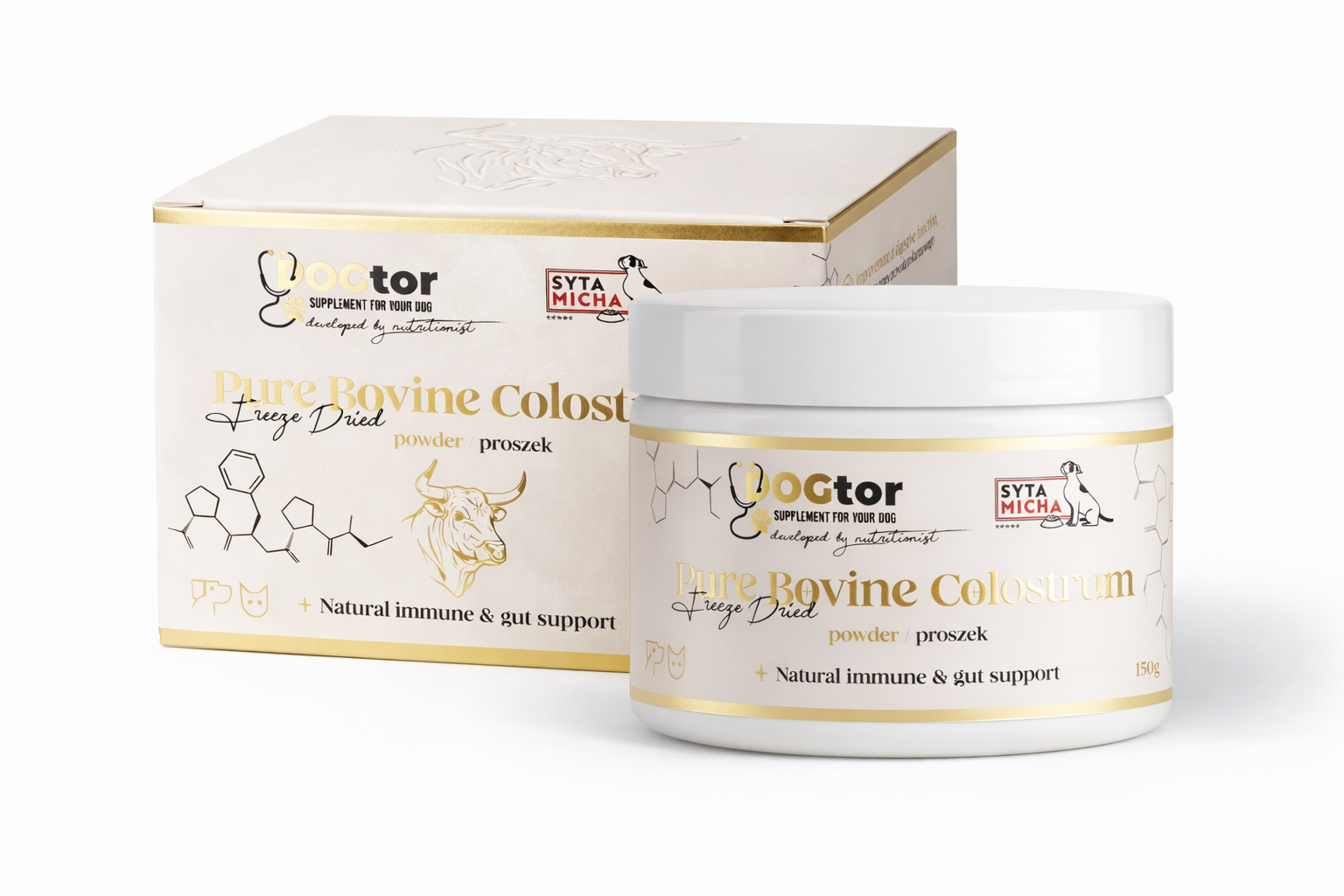
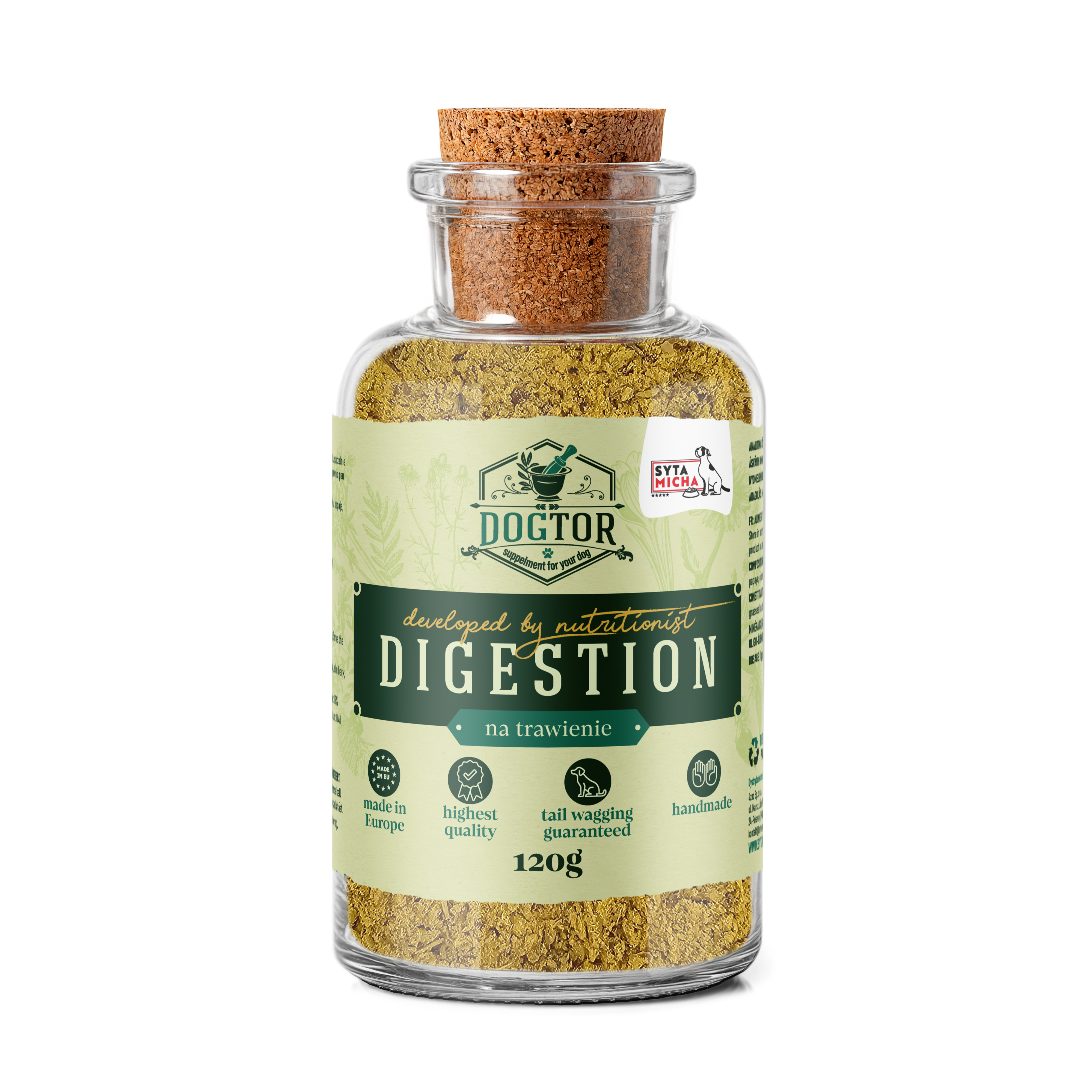 Syta Micha DOGTOR for digestion 120g · 69,90 zł
Going back to the usual food - the most common moment for a relapse
The dog is back on form, the relieved owner switches back to the old food overnight, and two days later they are back at square one. Spread it over a week:
- days 1-2: 25% new food, 75% current food,
- days 3-4: half and half,
- days 5-6: 75% new food,
- day 7: all new.
For a dog that copes badly with any change, stretch it to two weeks. Nothing bad will happen, and you will spare yourself a repeat.
What not to do
Do not change the food every few days. After a month of such attempts nobody knows any more what the dog tolerates and what it does not, and no nutritional diagnosis has a point of reference.
Do not give anti-diarrhoea medicines for humans. Some of them are contraindicated in dogs, and some mask a symptom that should be a reason for a visit.
Do not starve your dog on your own for longer than 24 hours, and never a puppy. In small dogs, fasting quickly leads to a drop in blood sugar.
Products mentioned
 You collect HAU DOLCE points for your purchases

Frequently asked questions
How long can diarrhoea last in a dog?
A temporary bout usually clears up within 24-48 hours. Anything over two days needs a consultation, even if your dog is behaving normally.
Should a dog with diarrhoea eat?
In most cases yes, in small portions of easily digestible food. A long fast is something a vet should recommend, not the internet.
What can I give my dog for diarrhoea?
Food with a simple composition and low fat, plus support from pumpkin, psyllium or prebiotics. Always with access to water.
Is rice with chicken a good idea?
It is sometimes used short-term for a day or two, but it is an unbalanced diet and not suitable for longer. If the dog is allergic to poultry, it is actually a bad choice.