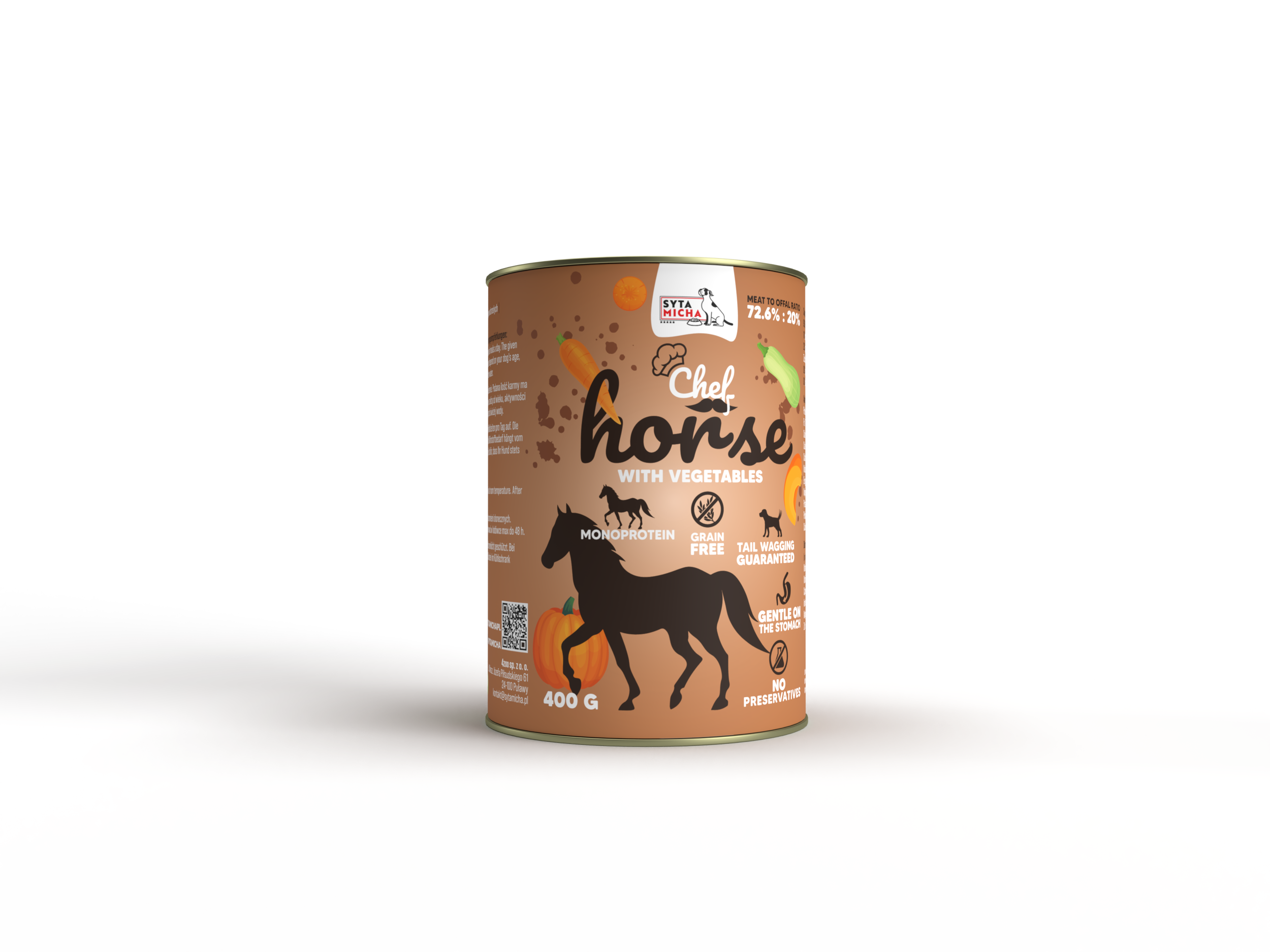
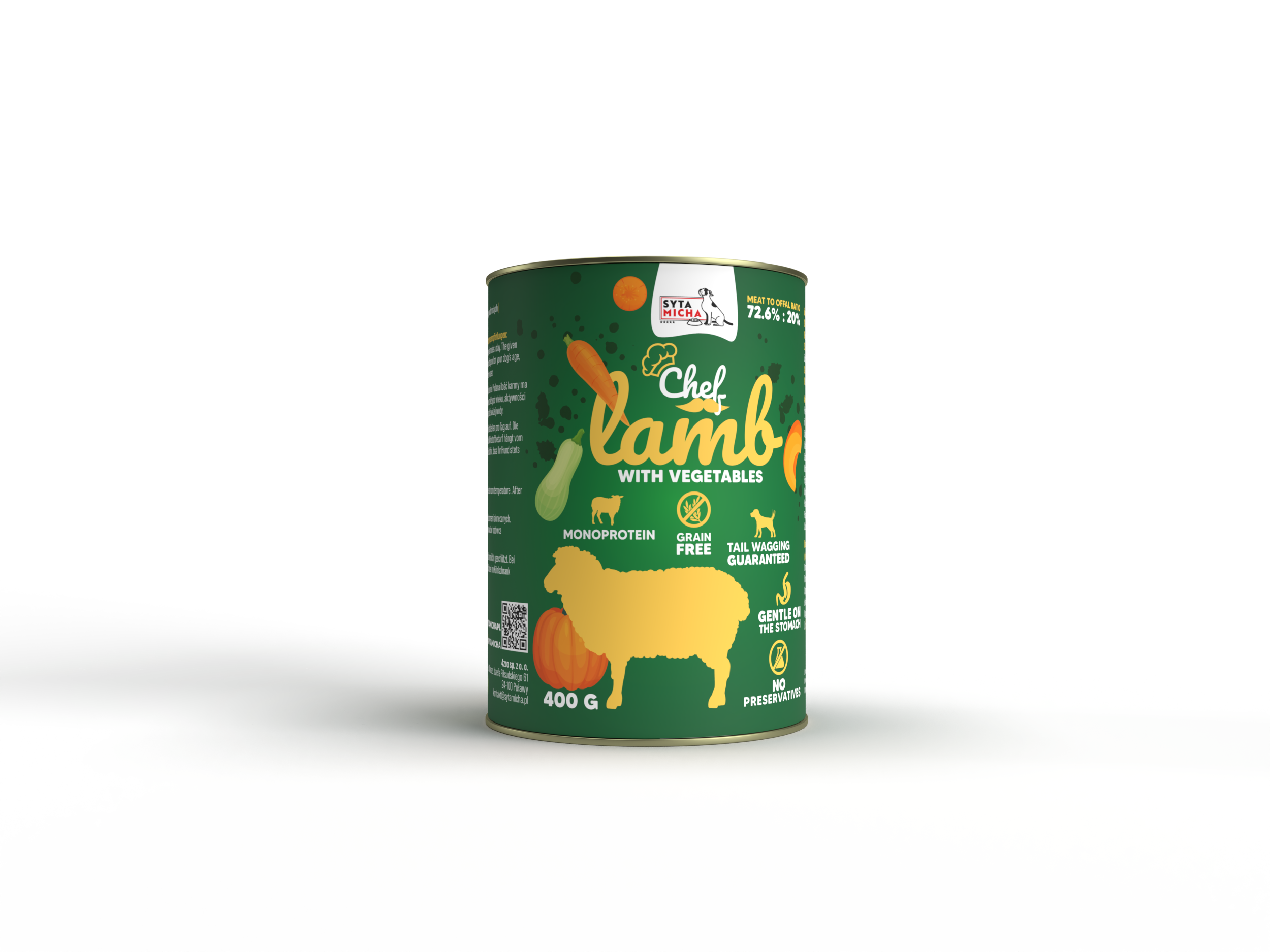
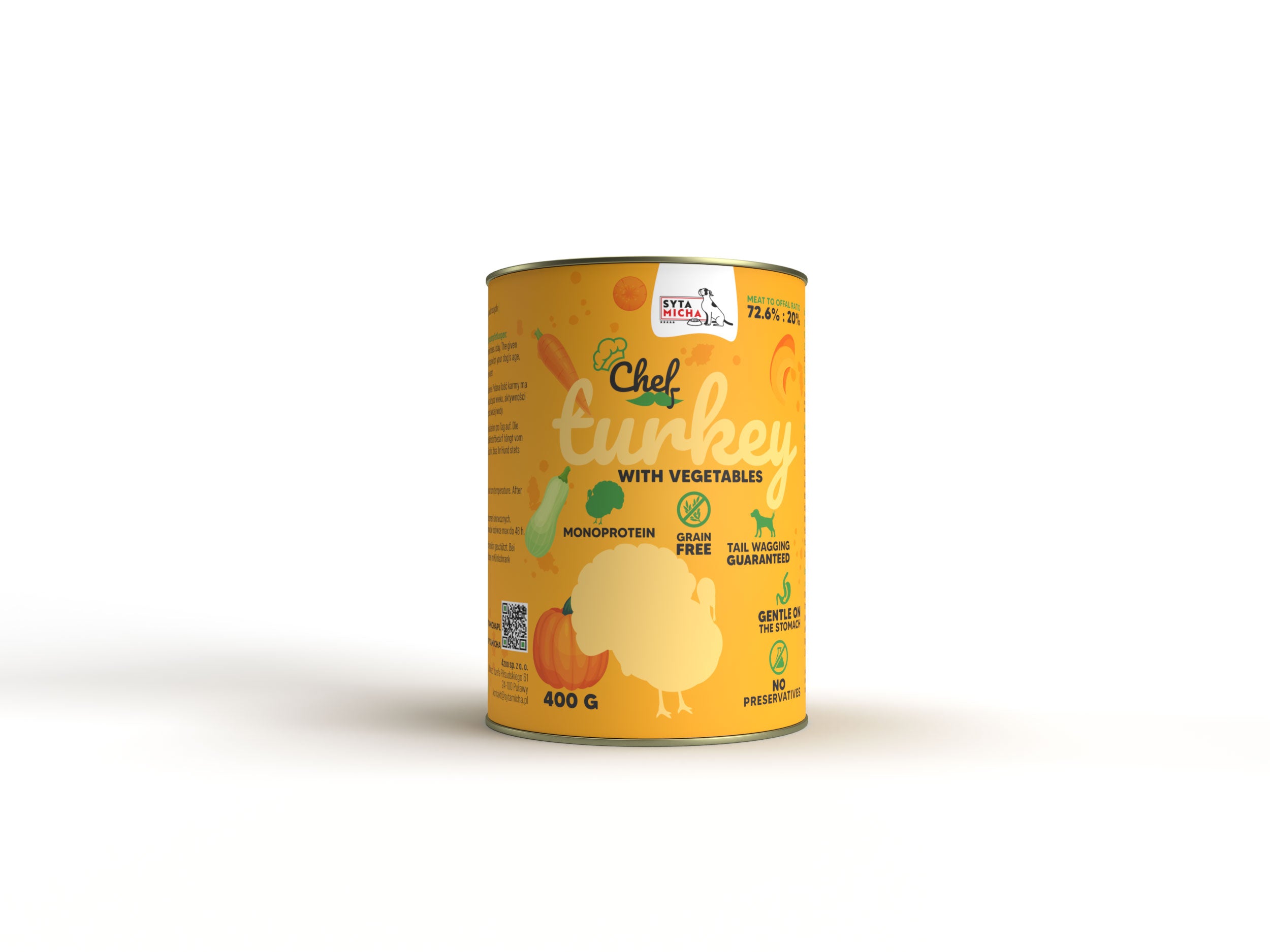
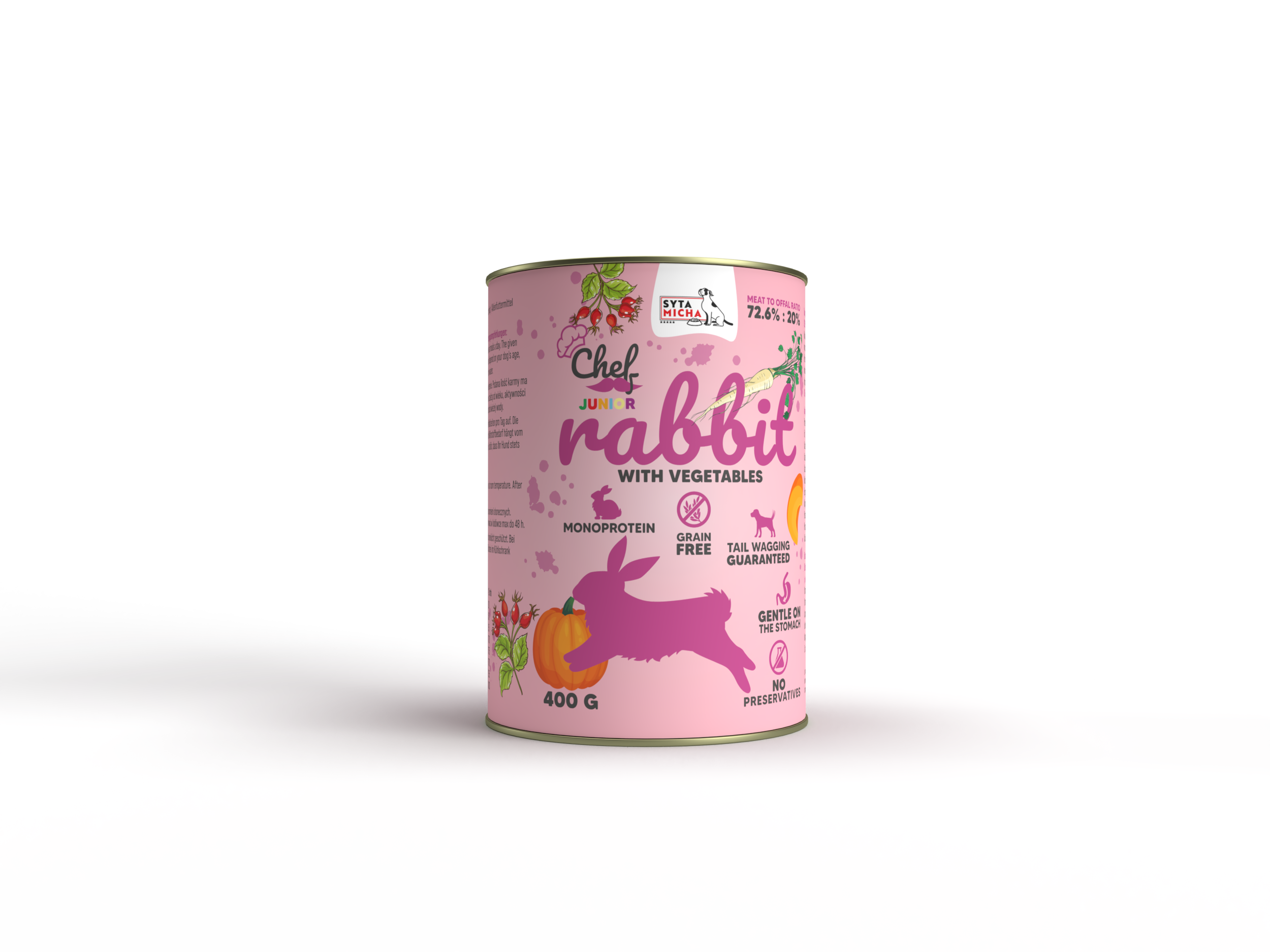

Puppies grow fastest between 3 and 5 months of age and need more energy, vitamins and minerals than adult dogs. High-quality complete protein and the right calcium to phosphorus ratio (1:1 or 2:1) are key, especially in giant breeds. A home-made diet easily leads to deficiencies, e.g. of choline, vitamin B12, vitamin D, copper, zinc and sodium.
A puppy is not a small adult dog. From weaning to maturity it grows very fast, so it needs more energy, protein, vitamins and minerals than an adult. Nutrition at this stage should ensure healthy development and protect the internal organs.
Below we have gathered what to pay attention to in a puppy: from protein and fat, through vitamins A, D, E, K and the B vitamins, to calcium, phosphorus and the ratio between them.
A puppy grows fast - the basics of feeding
Puppies grow fastest between 3 and 5 months of age. From weaning to maturity they have an increased need for energy and nutrients. Both deficiency and excess can contribute to developmental disorders of the bones and joints, especially in giant breeds.
High-quality complete protein is very important: at least 29% on a dry matter basis, and 22-32% on a dry matter basis for giant-breed puppies. Dogs are facultative carnivores. Meat alone, without offal, vegetables, fruit or grains, is not a balanced food in terms of energy and nutrients.

- Fat - a growing dog needs 21.25 g/1000 kcal ME. Too much in the diet upsets the energy balance and can lead to obesity.
- Carbohydrates - no minimum level has been set for growing dogs. They should make up no more than 60% of the food.
- Fibre - up to 5%. The right amount of fibre helps regulate gut motility.
- Water - a puppy needs about 18 ml per 100 g of body weight per day.
How long is a dog a puppy?
The rate of growth and the moment a dog reaches adulthood depend on the breed. As the graphic below shows, toy breeds mature much faster than large and giant breeds.
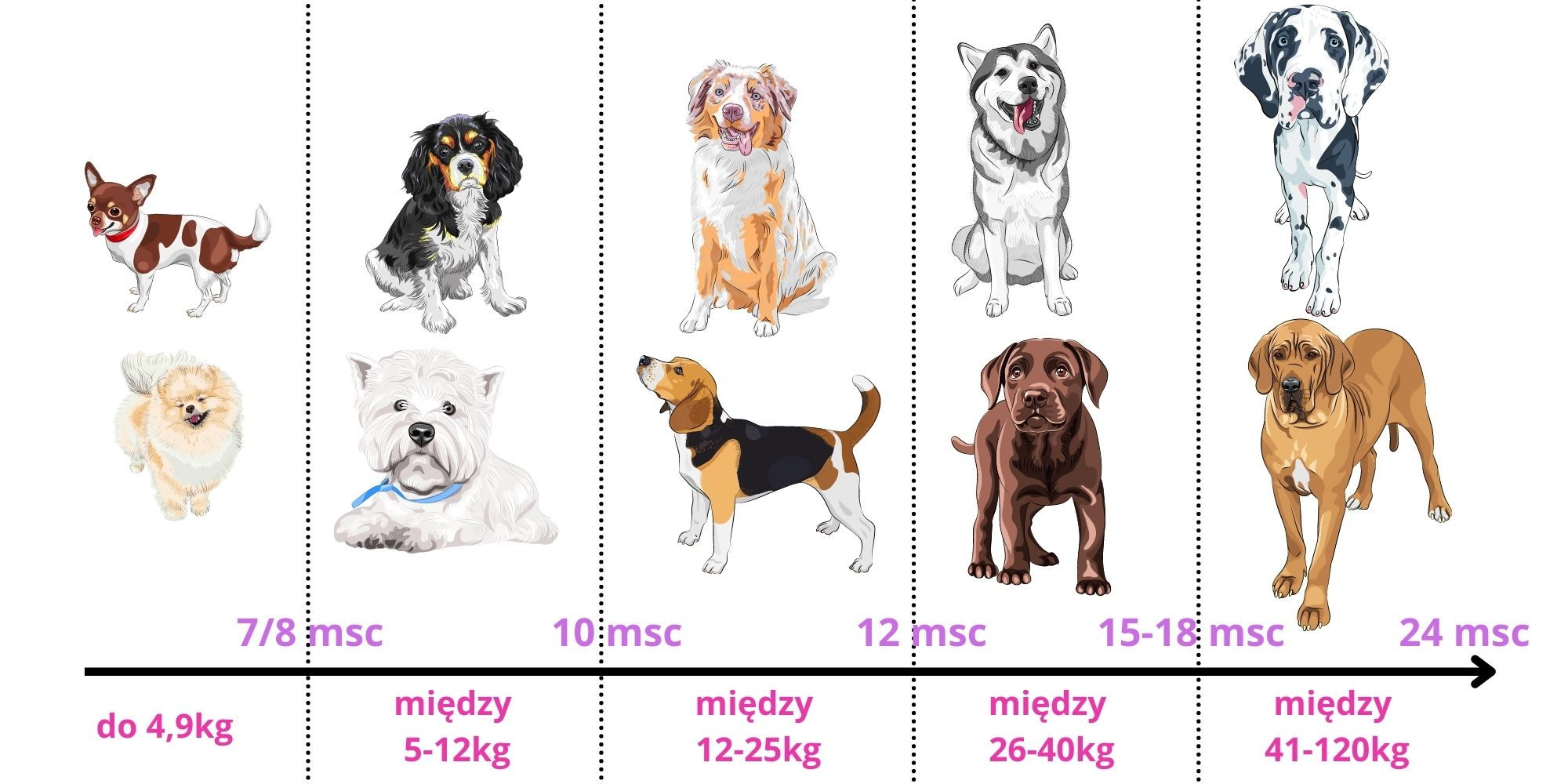
Knowing the breed's predispositions, we can tailor the feeding plan to the puppy's individual needs.
Fat-soluble vitamins: A, D, E and K
Puppies need clearly more vitamins and minerals than adult dogs.
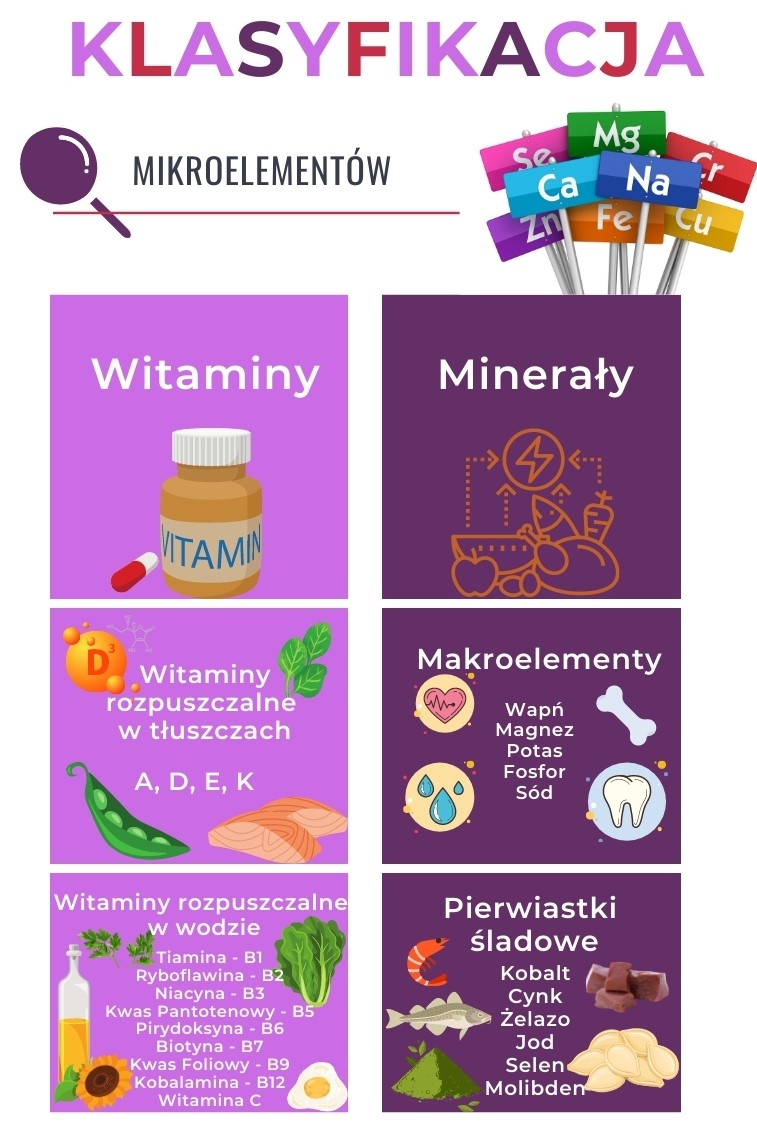
Vitamins are organic compounds essential for the body to function properly, which a dog must get from food. Fat-soluble vitamins are absorbed together with dietary fat, so any disturbance in fat digestion impairs their uptake. The requirement for water-soluble vitamins depends on energy intake.
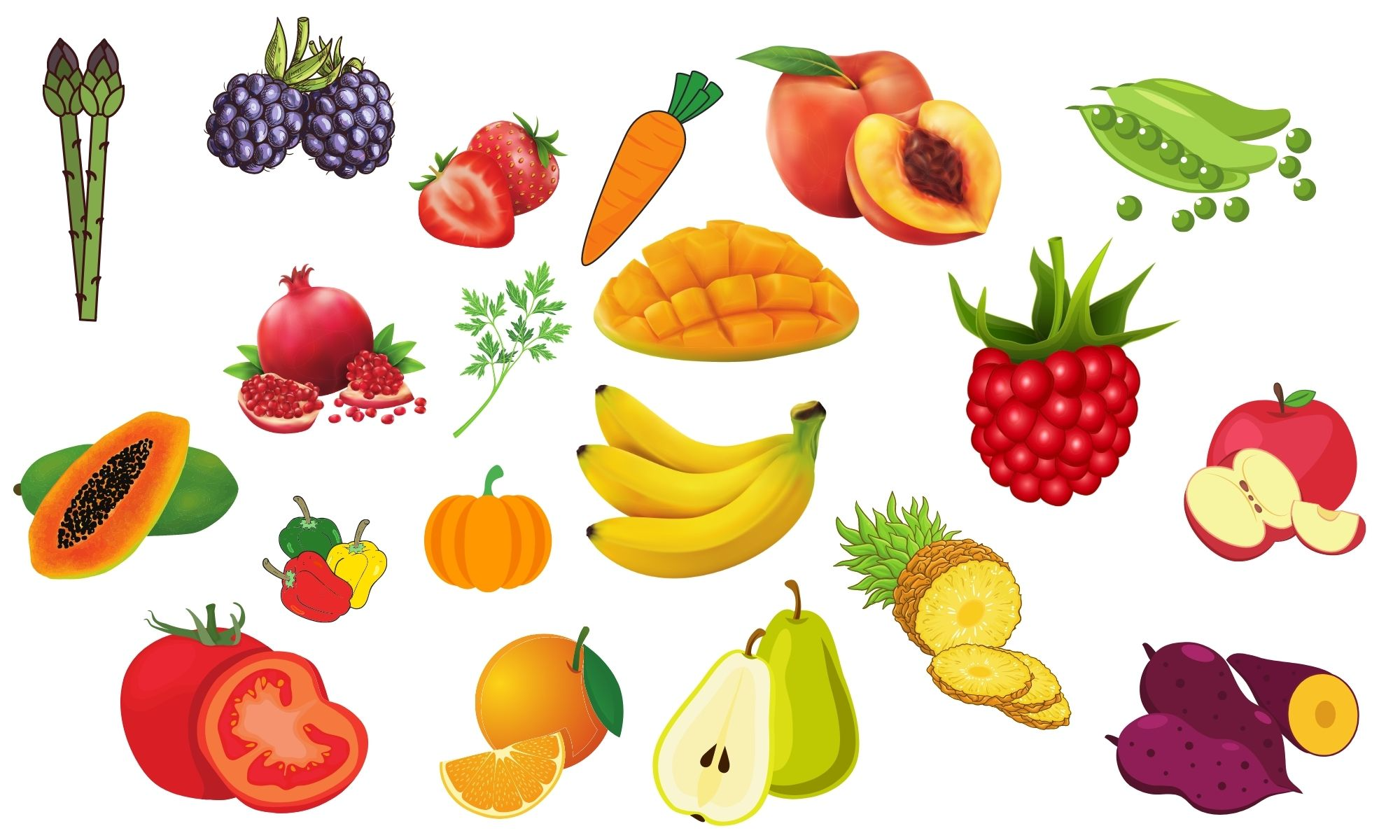
Vitamin A
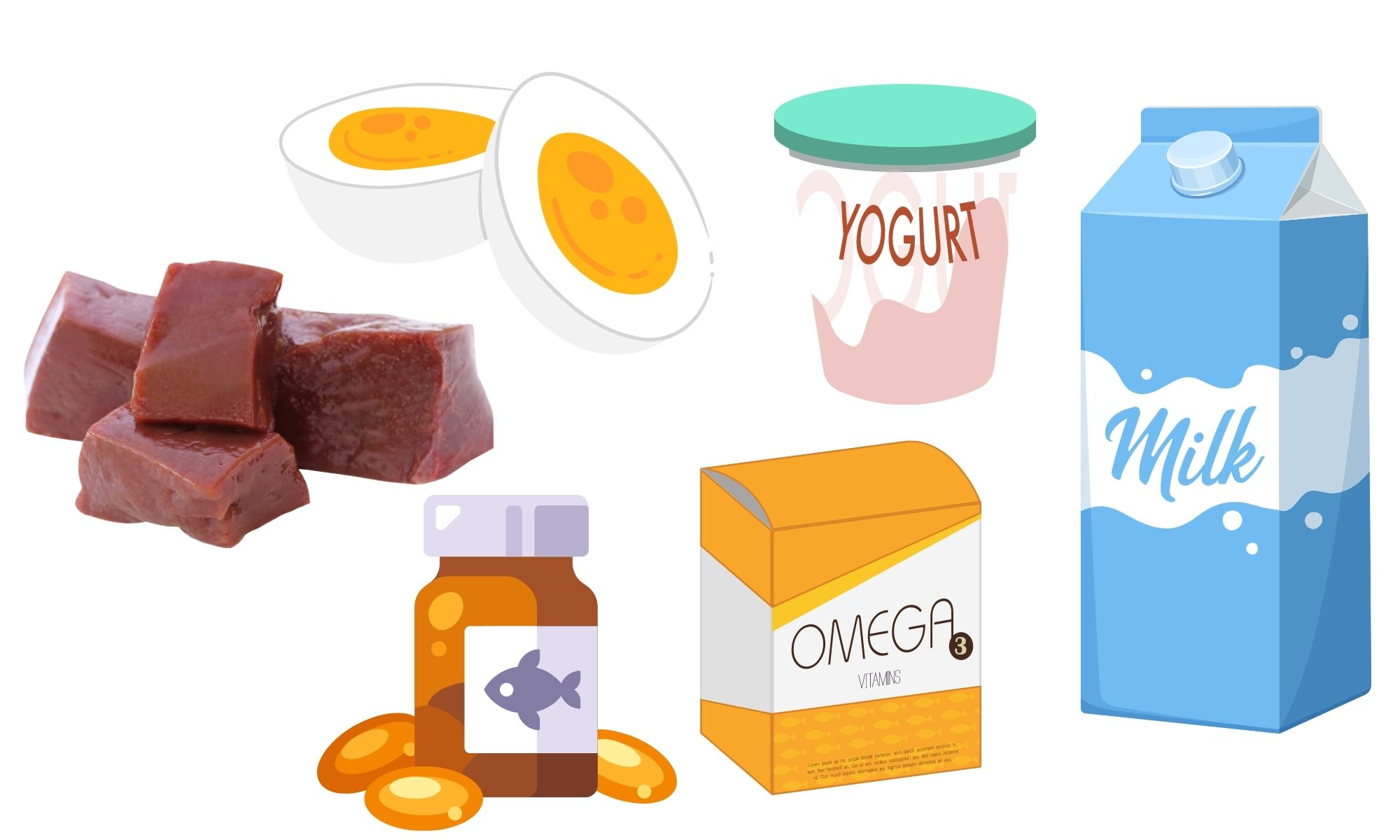
It is responsible for proper vision, growth, cell differentiation and immune function. Its main sources:
Vitamin D
It has an anti-rickets effect. It is absorbed in the small intestine, and its absorption depends on the presence of bile salts. Biologically active vitamin D is involved in, among other things:
- releasing calcium from bone tissue,
- reducing oxidative stress,
- limiting the deposition of triacylglycerols and cholesterol,
- stimulating insulin secretion by the beta cells of the pancreas.
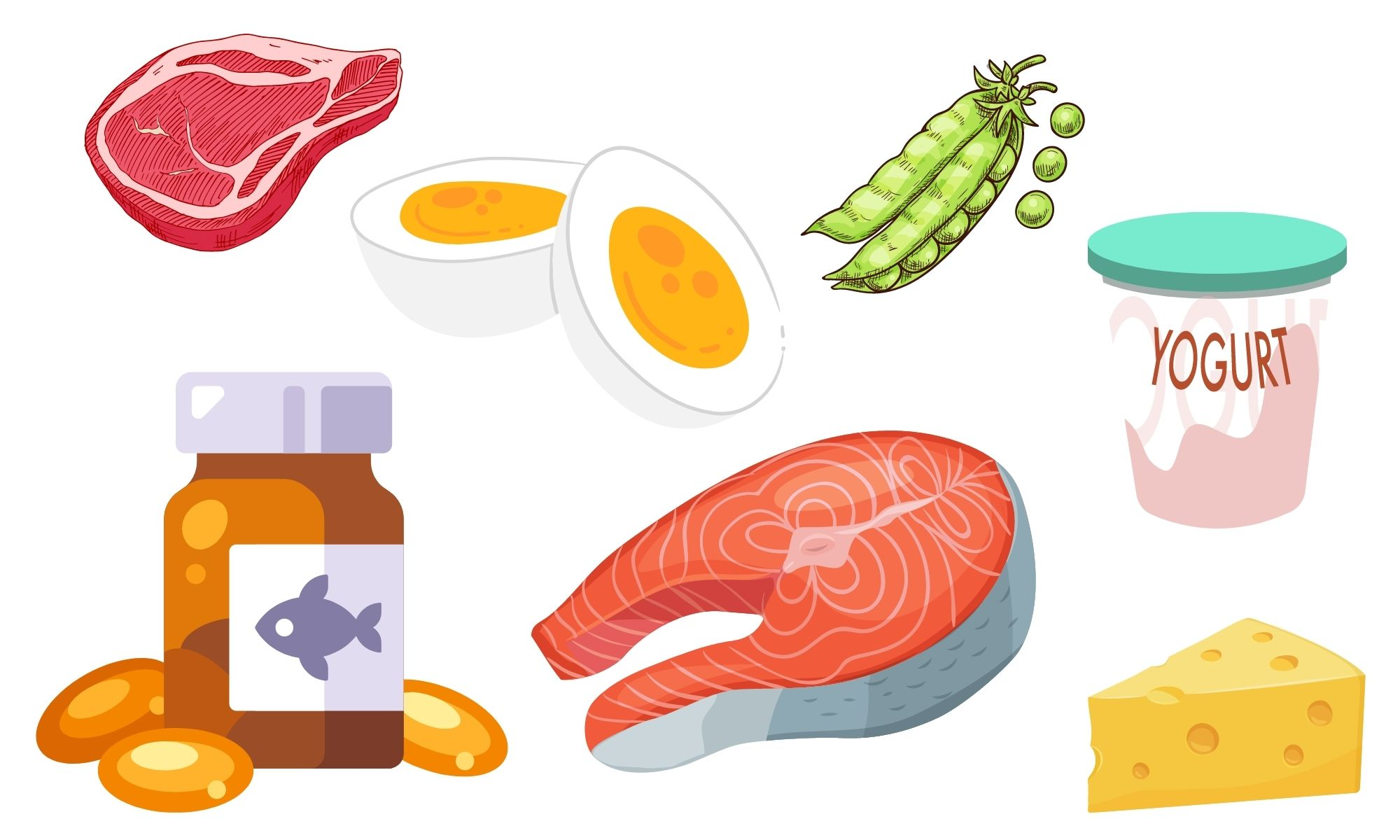
You will find it in:
Vitamin E
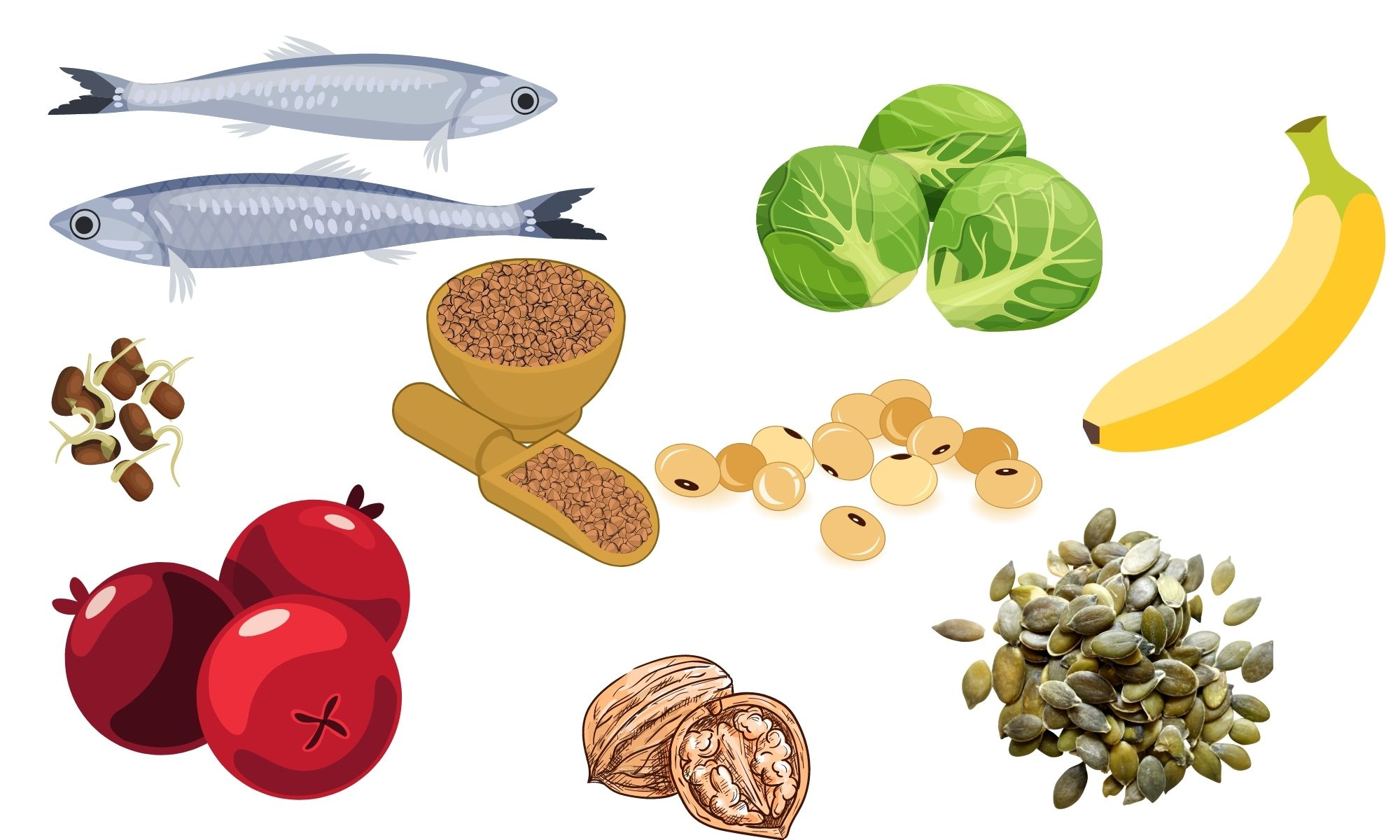
This is a group of compounds with antioxidant action. Tocopherols and tocotrienols are absorbed in the small intestine and excreted in bile. Vitamin E helps protect the body against reactive oxygen species.
Vitamin K
It is found in green plants, soya oil and egg yolk. In puppies its main role is its part in forming prothrombin in the liver and other factors needed for normal blood clotting. In a growing dog, a deficiency may result in, for example, generalised bleeding or hyperbilirubinaemia.
B vitamins and vitamin C
Thiamine (vitamin B1)
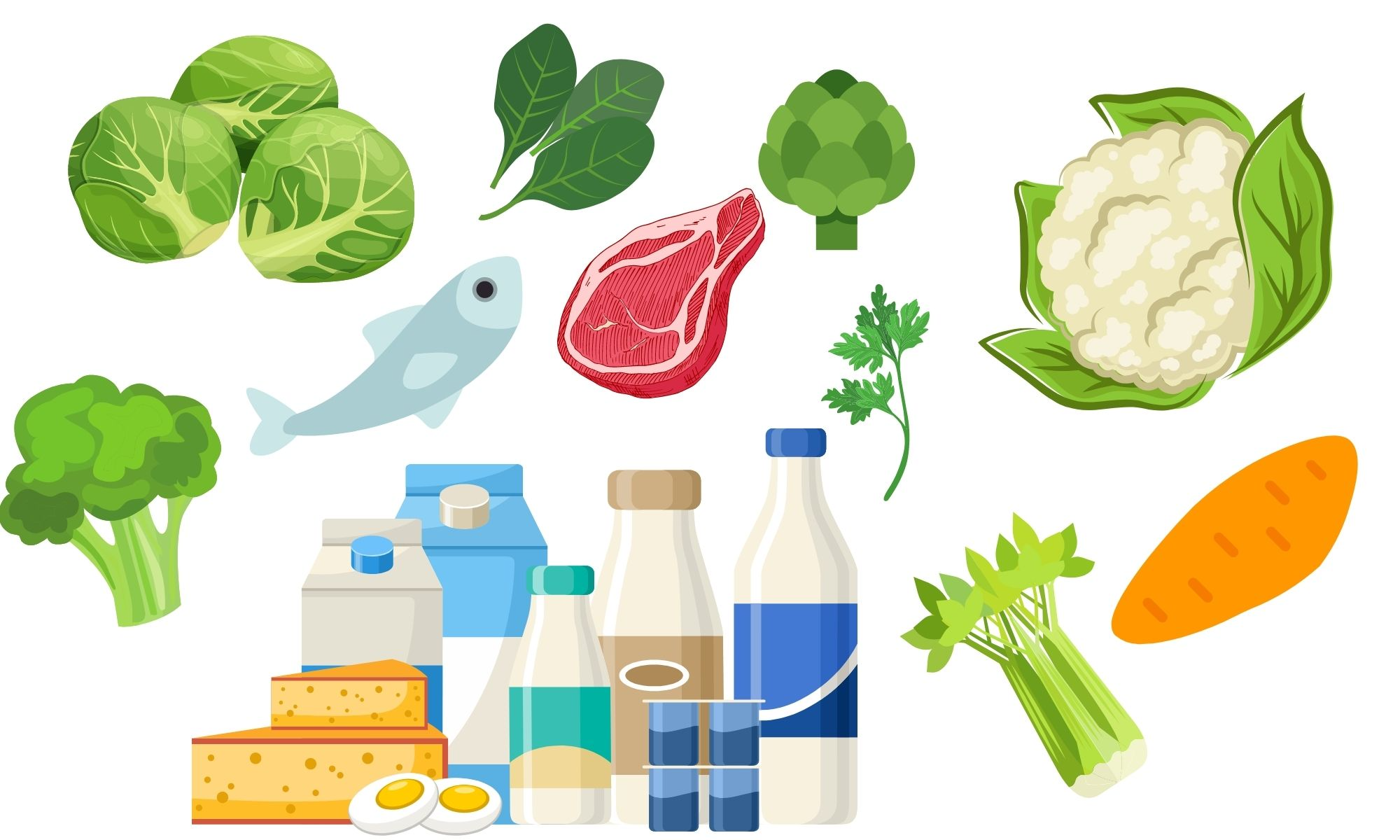
It acts as a coenzyme in carbohydrate metabolism and tissue respiration. It is responsible for the proper functioning of the muscles, heart and nervous system. You will find it in:
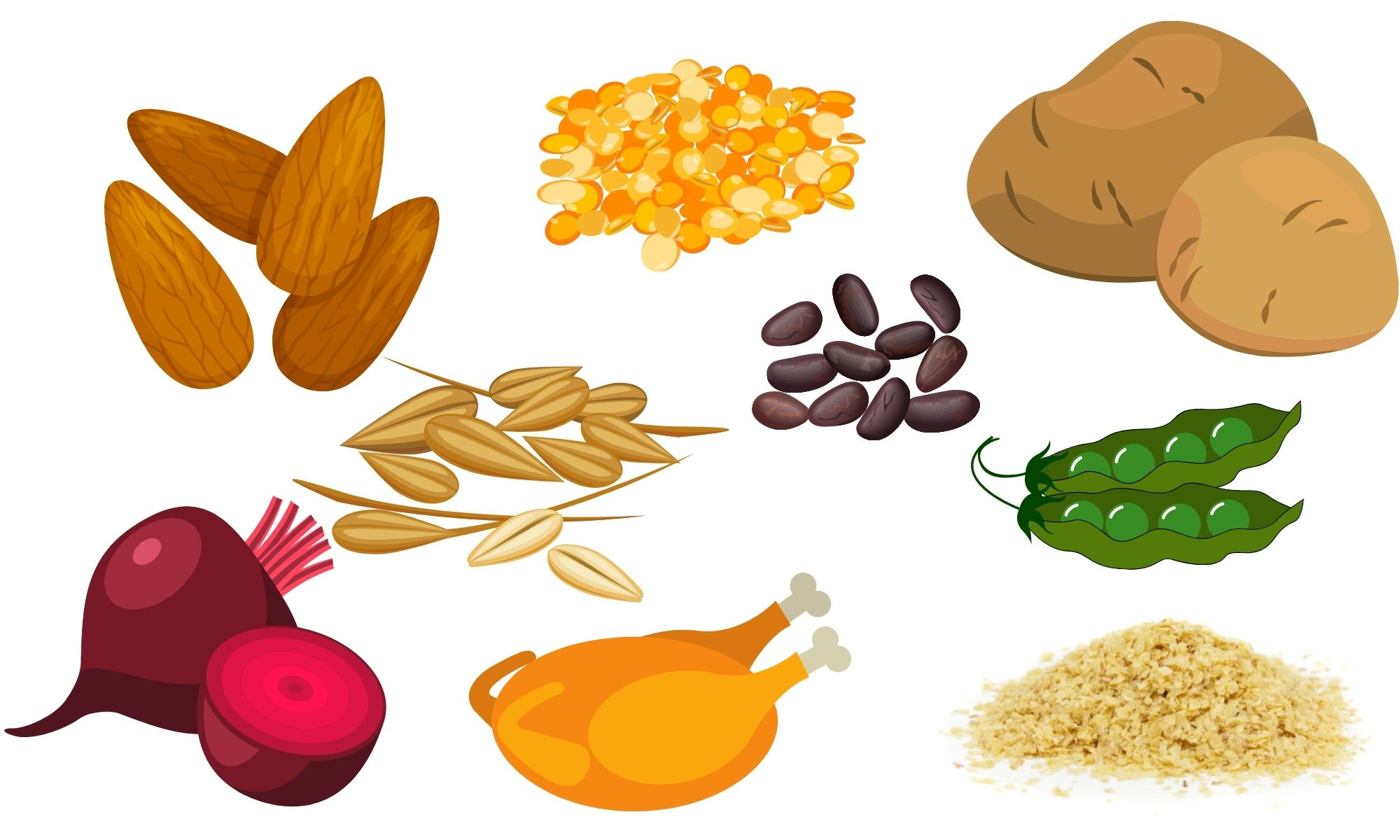
Riboflavin (vitamin B2)
In natural products it occurs mainly in bound form. It is absorbed in the small intestine with the help of the RTF2 protein. It takes part in energy metabolism and acts as an antioxidant.
Niacin (vitamin B3, PP)
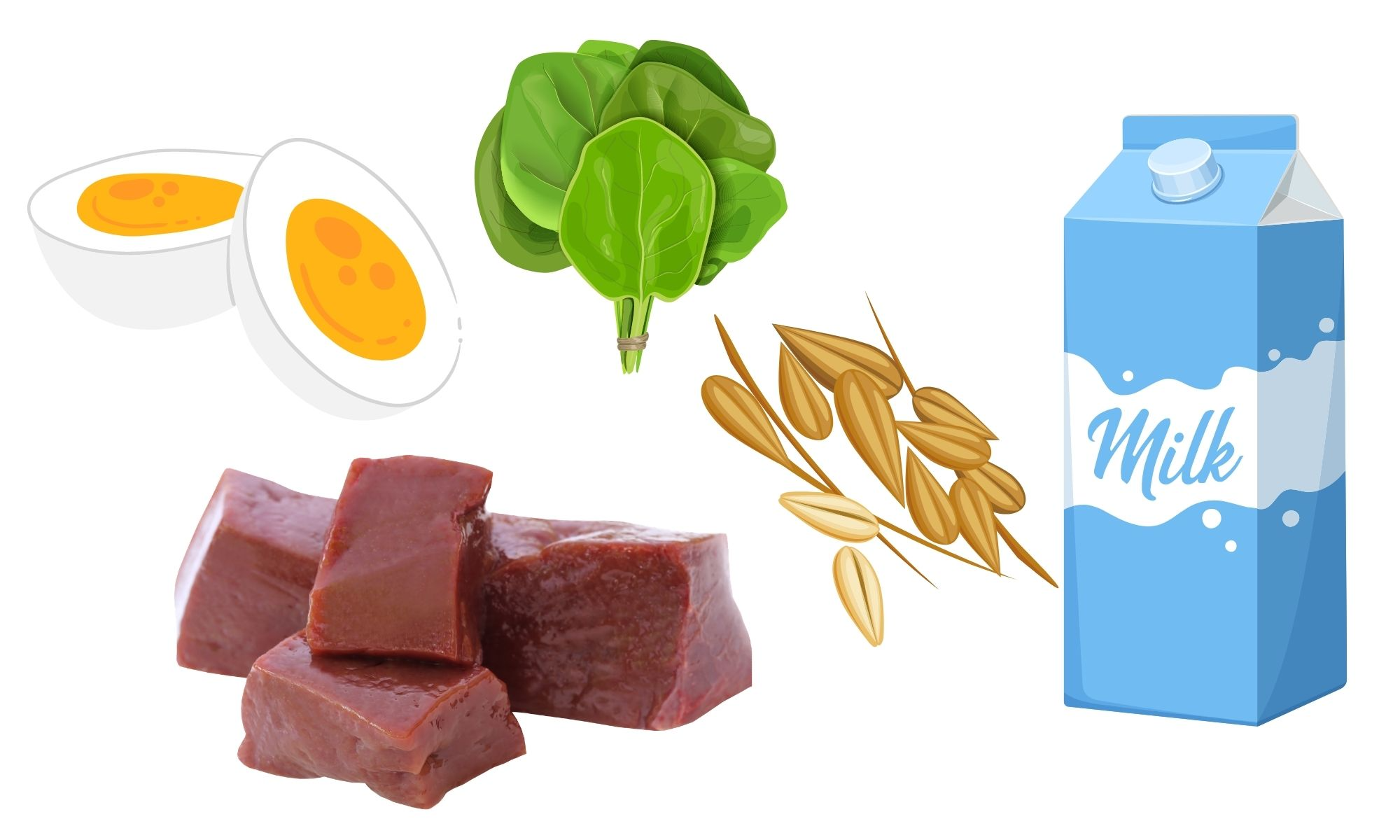
It is absorbed in the small intestine, and the body can also produce it from tryptophan. It takes part in redox reactions and may lower lipid levels. It is found in:
Vitamin B6
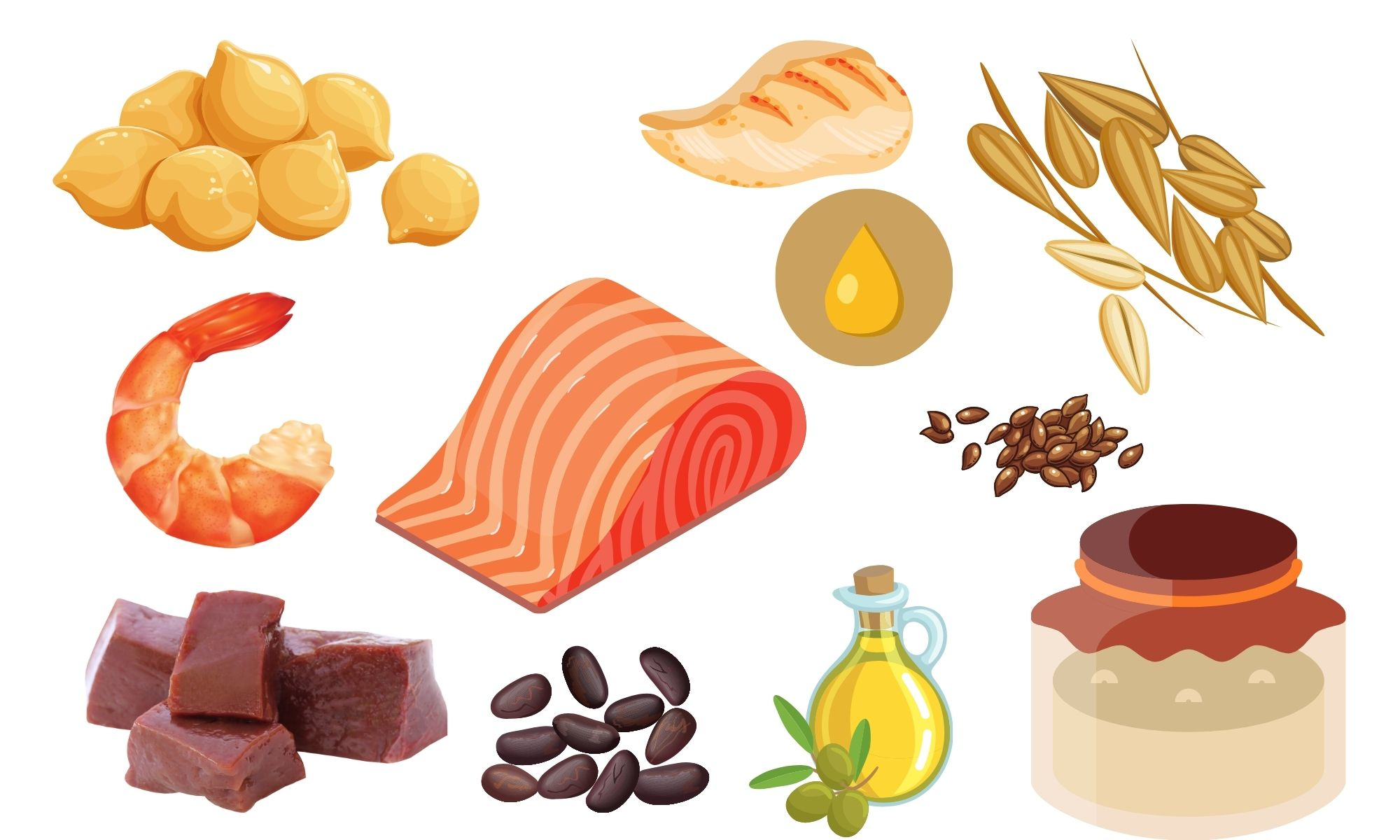
This is a group of compounds: pyridoxine, pyridoxal and pyridoxamine. It is less well absorbed from plant sources, because there it occurs in glycoside form. It is involved in the metabolism of proteins, carbohydrates and fats, supports the immune and hormonal systems, is a cofactor in haem synthesis and acts as an antioxidant.
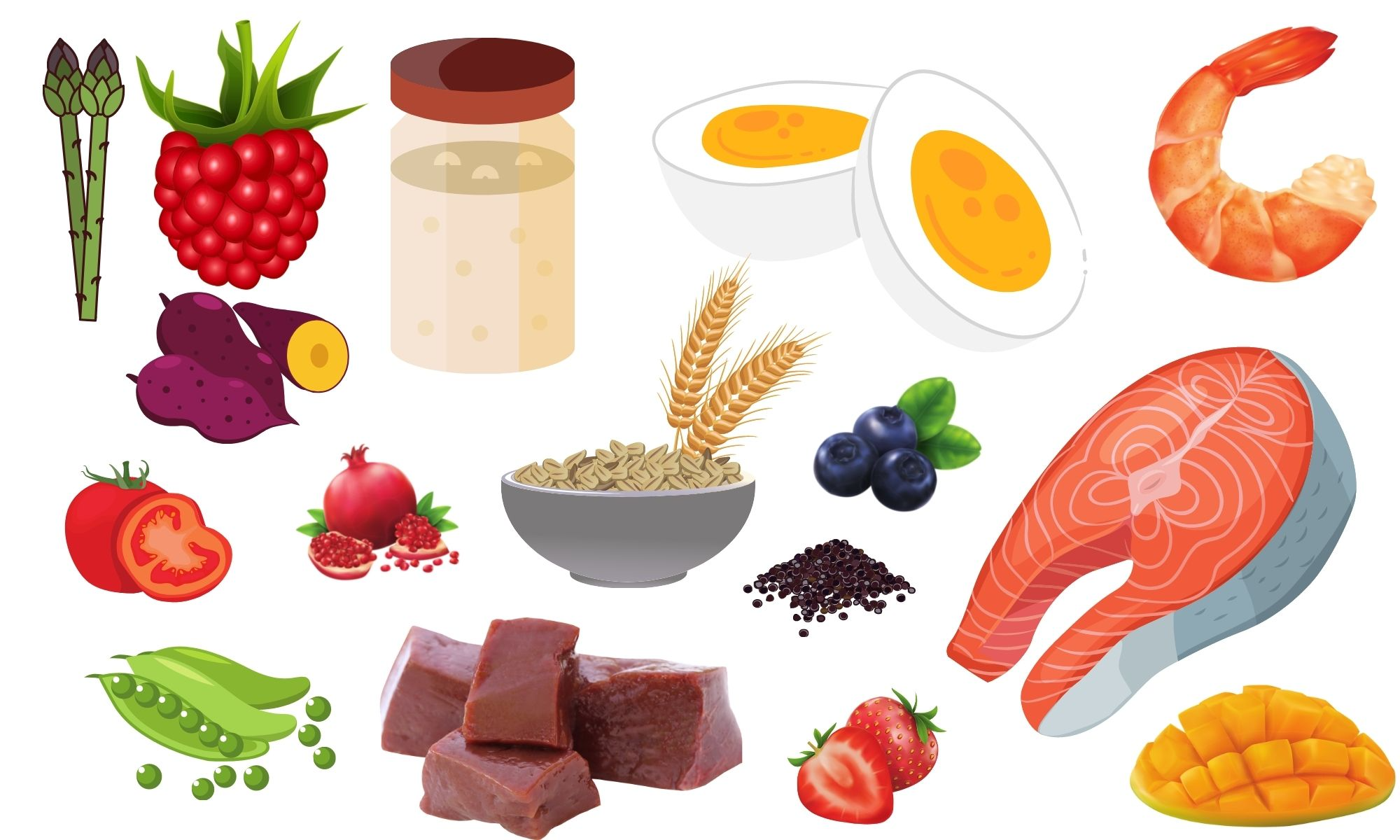
Folic acid (vitamin B9)
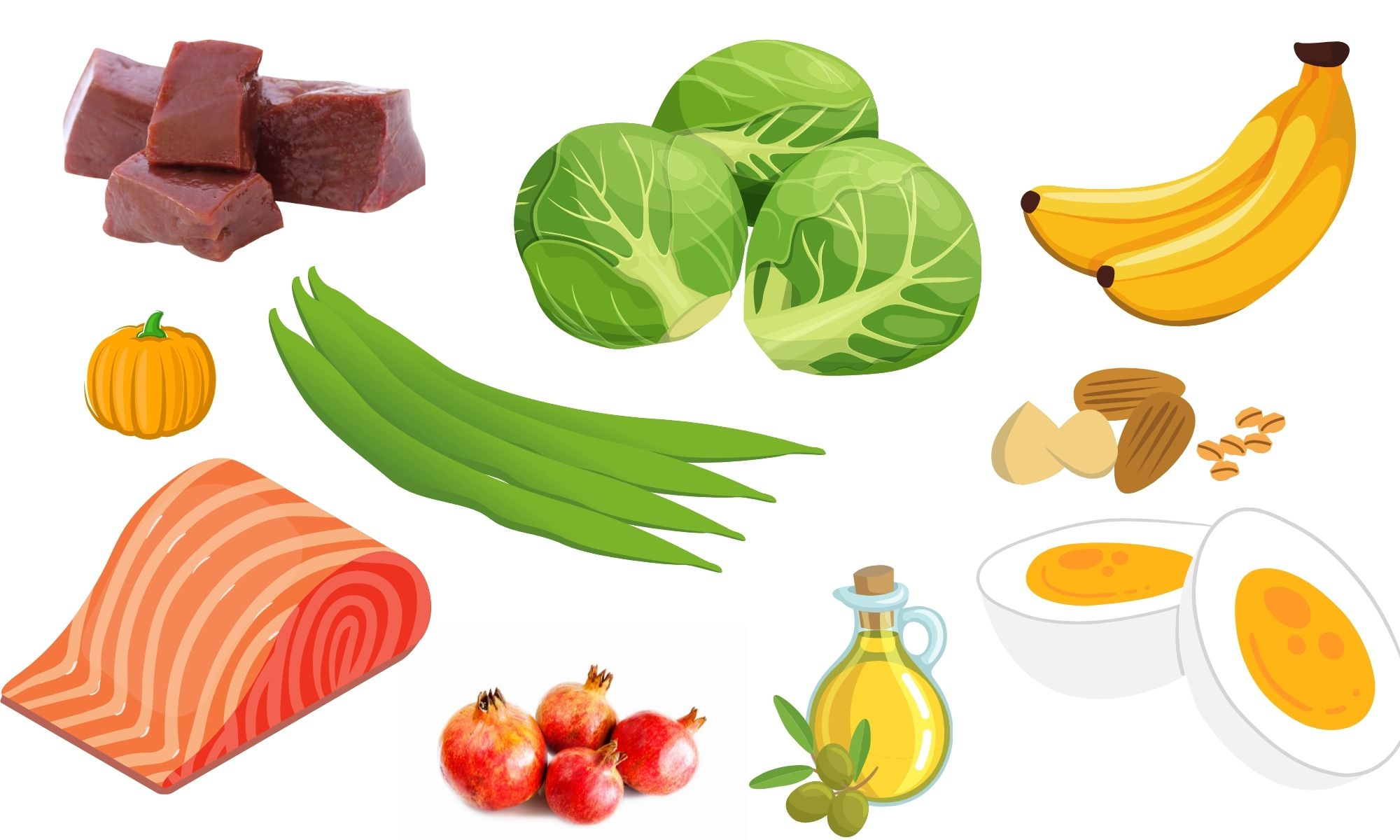
It takes part in the synthesis of nucleotides, phospholipids, neurotransmitters and creatinine, and in amino acid metabolism. It supports the nervous system and affects the hormonal balance of bitches. The body does not store folic acid, so it has to be in the bowl every day. You will find it in:
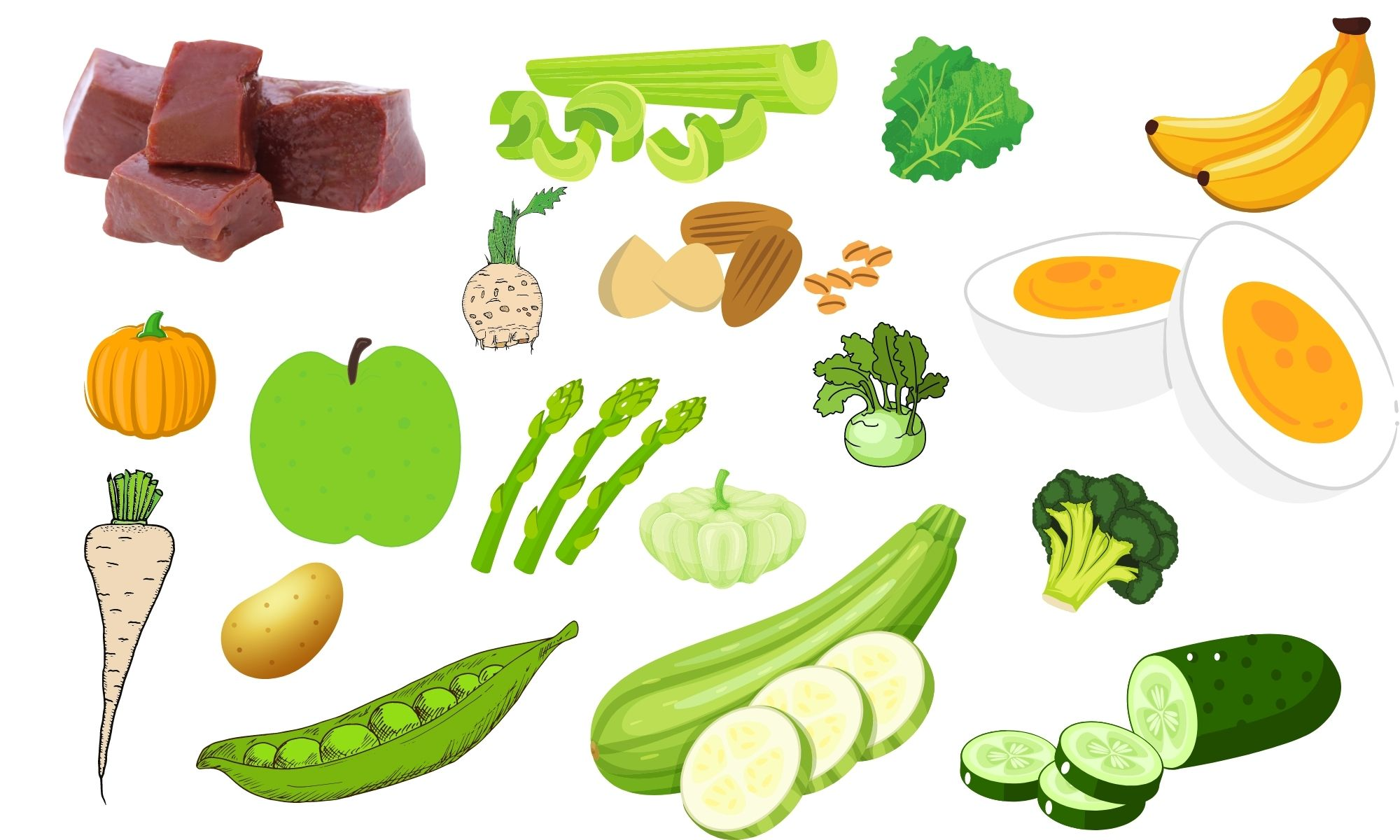
Vitamin B12
It is absorbed bound to intrinsic factor (IF), secreted by the stomach lining. It is a coenzyme needed for methionine synthesis and is closely linked to folic acid metabolism. In puppies it is essential for producing red blood cells in the bone marrow and for the nervous system.
Vitamin C (ascorbic acid)
A crystalline, water-soluble substance. It is needed to support immunity, collagen synthesis and wound healing.
Minerals: calcium, phosphorus and their ratio
Besides vitamins, protein, fat and carbohydrates, a young dog needs essential minerals. They have:
- a structural role - in the skeleton and soft tissues,
- a role supporting the internal organs, e.g. the thyroid and pancreas,
- a role in physiological processes such as blood clotting, oxygen transport and enzyme activation.
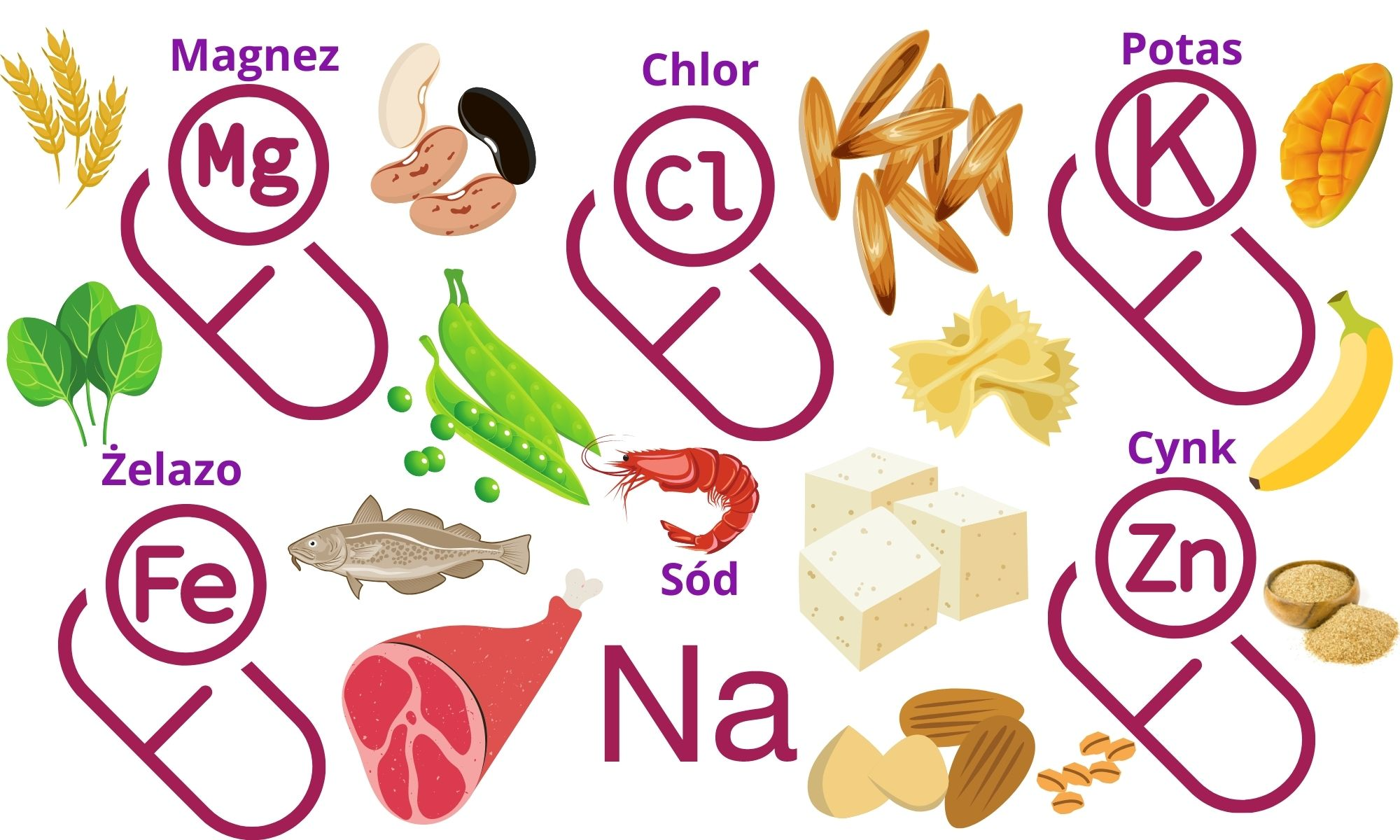
During growth, the need for minerals increases. Their absorption depends on the amount, form and ratio between them. The most important are calcium, phosphorus, potassium, sodium and magnesium.
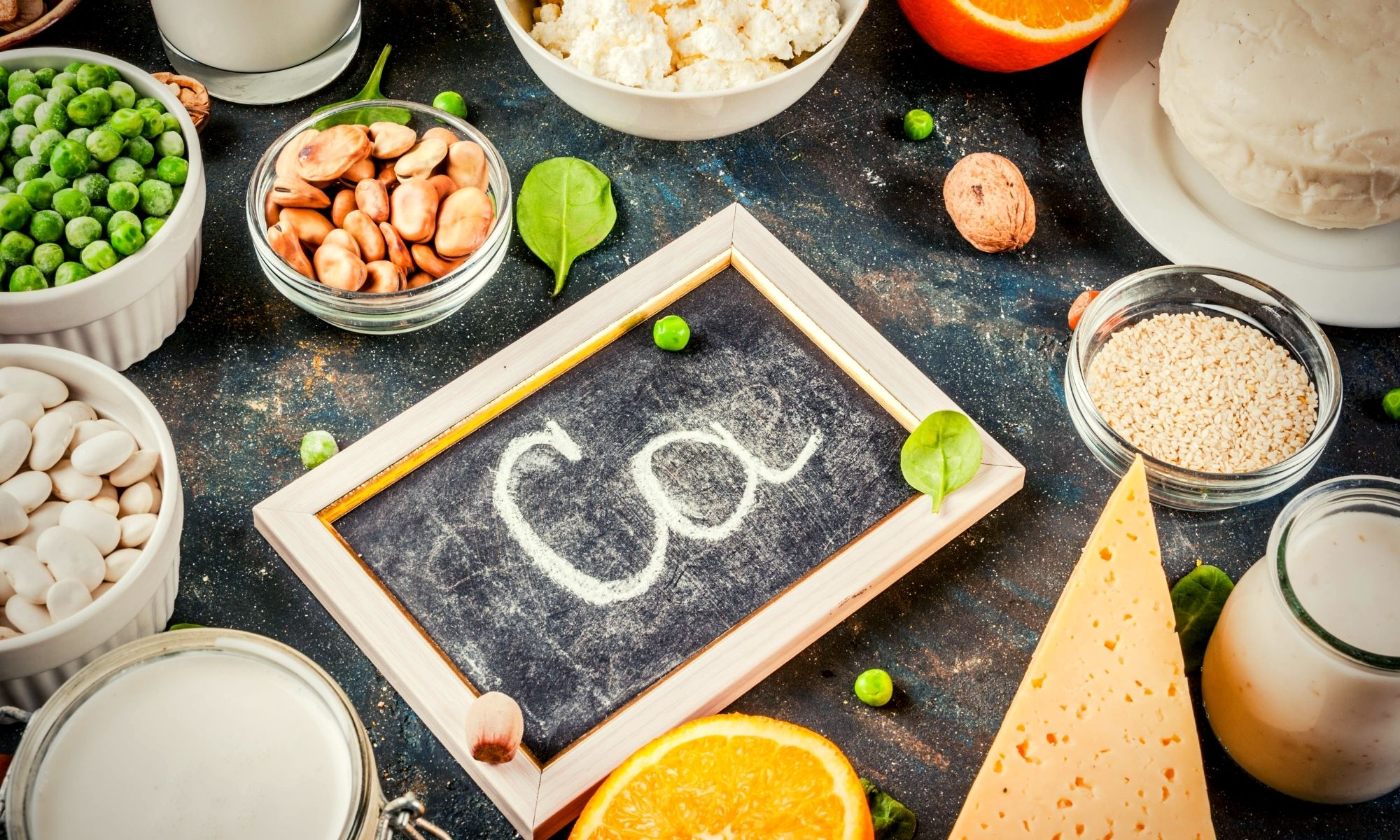
Calcium and phosphorus
These are two key macrominerals for a growing dog. They are the basic building blocks of bone, and they make nerve impulse transmission and normal blood clotting possible. As much as 99% of calcium is found in bones and teeth. Both an excess and a deficiency can lead to orthopaedic diseases, pancreatitis or hypercalcaemia.
Phosphorus builds bones and teeth, and is part of DNA and RNA, lipids and phosphoproteins. It regulates acid-base balance and takes part in energy metabolism. There are two forms:
- organic - from animal-based products,
- inorganic - from plant-based products.
The more calcium in the diet, the less phosphorus the body obtains from food. That is why the calcium to phosphorus ratio is so important.
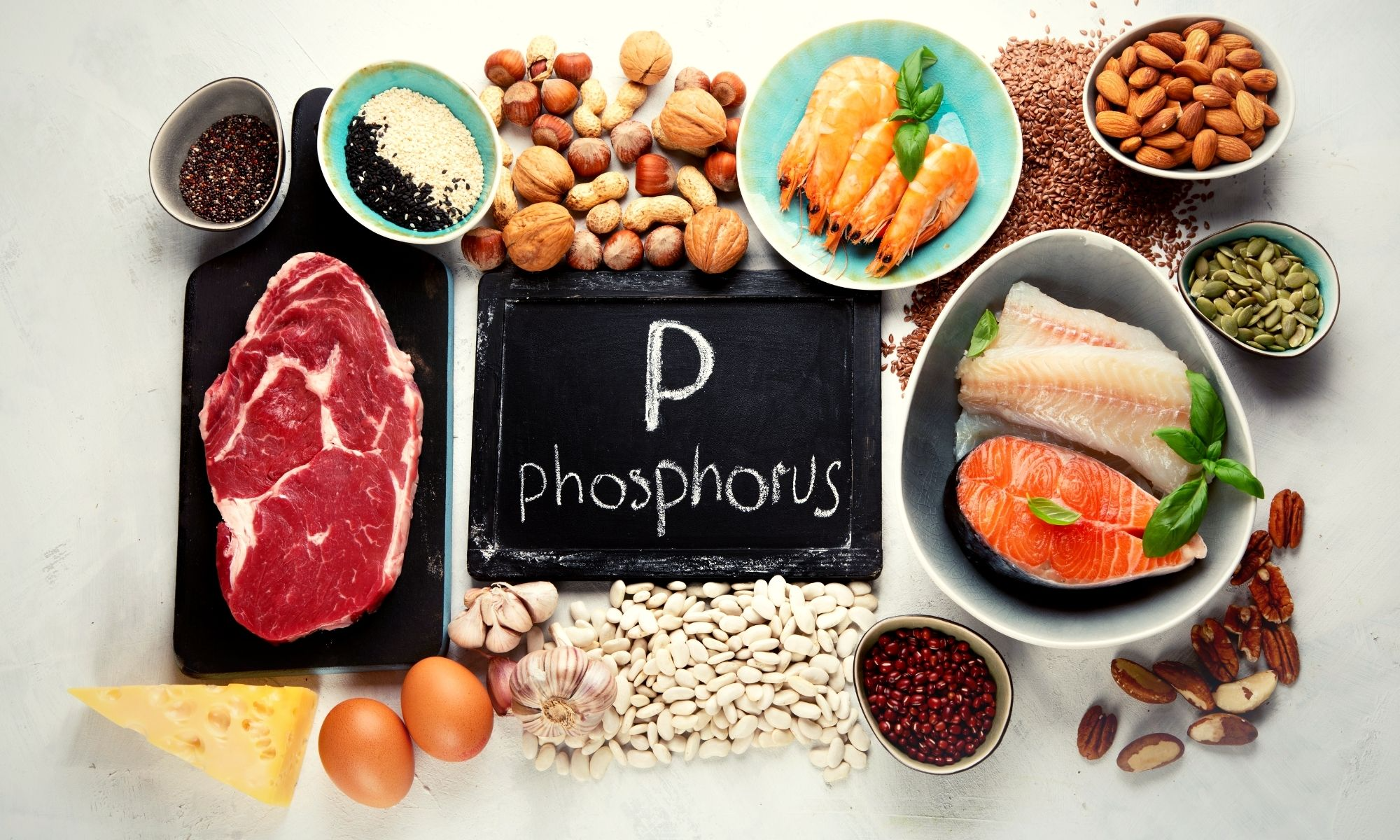
The Ca:P ratio
Calcium-phosphate regulation differs depending on the dog's group and physiological state. Keeping a ratio of 1:1 or 2:1 is especially important in giant breeds.
Other important elements
A home-made diet for a puppy - what to watch out for
Preparing home-made food for a puppy is difficult. You have to provide the right amount of energy and nutrients in the right proportions, which requires meticulous calculations and sometimes measured supplements. Energy needs are often covered, but the diet lacks vitamins or minerals. Most often these are:
- choline,
- vitamin B12,
- vitamin D,
- copper,
- zinc,
- sodium.
In a home-made diet every ingredient matters. The type of meat, cooking and quality of the raw material all affect the value of the meal. Meat alone, even if it covers energy needs, has too little calcium and too much phosphorus. This upsets the Ca:P ratio, which over time can affect bones and cartilage.
Puppies need particular care when it comes to feeding. Remember vitamins and minerals both when choosing food and treats. Any imbalance in nutrient amounts can harm the health and wellbeing of a growing dog.
 Wet puppy food Classic Rabbit with beetroot and raspberries 400g · 16,90 zł
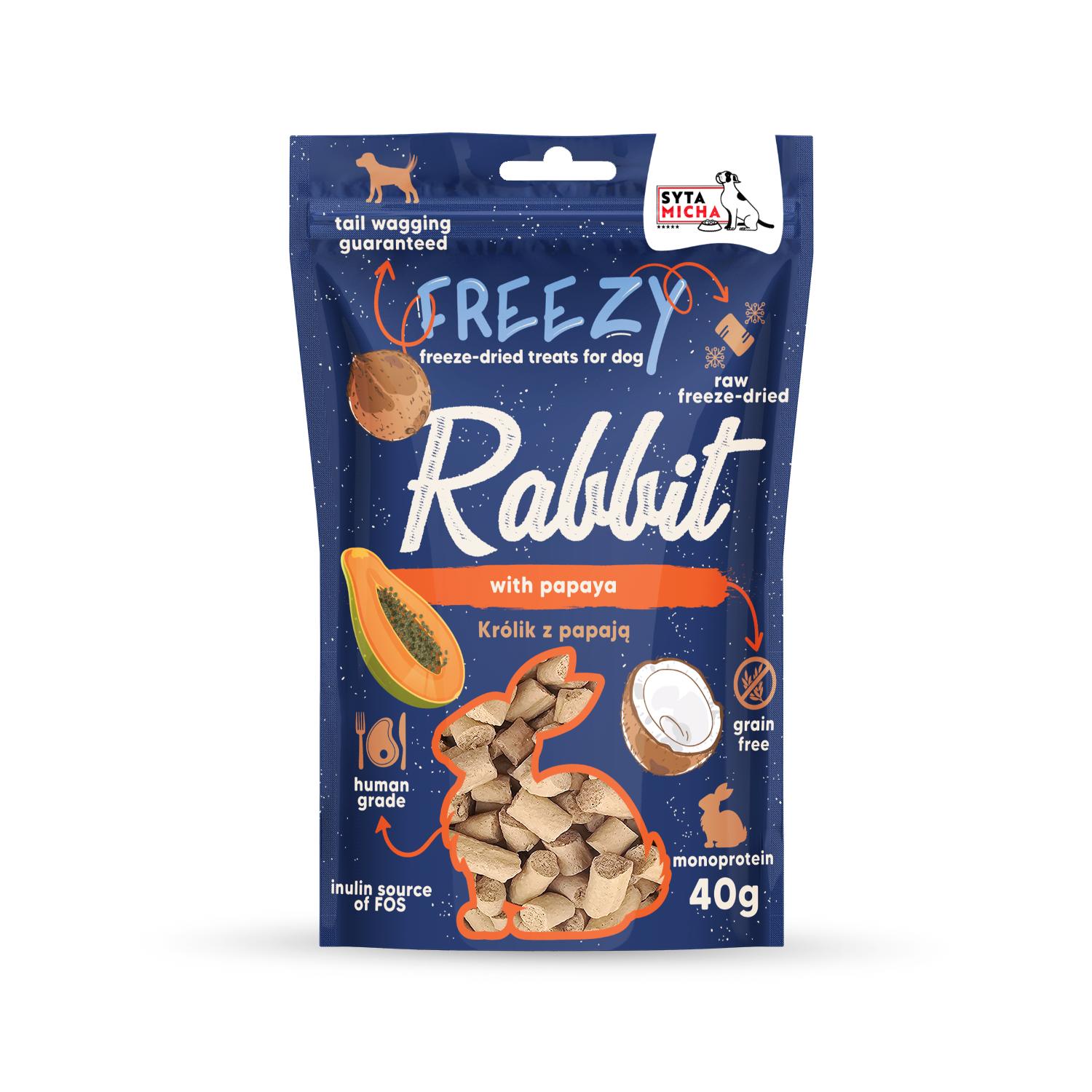
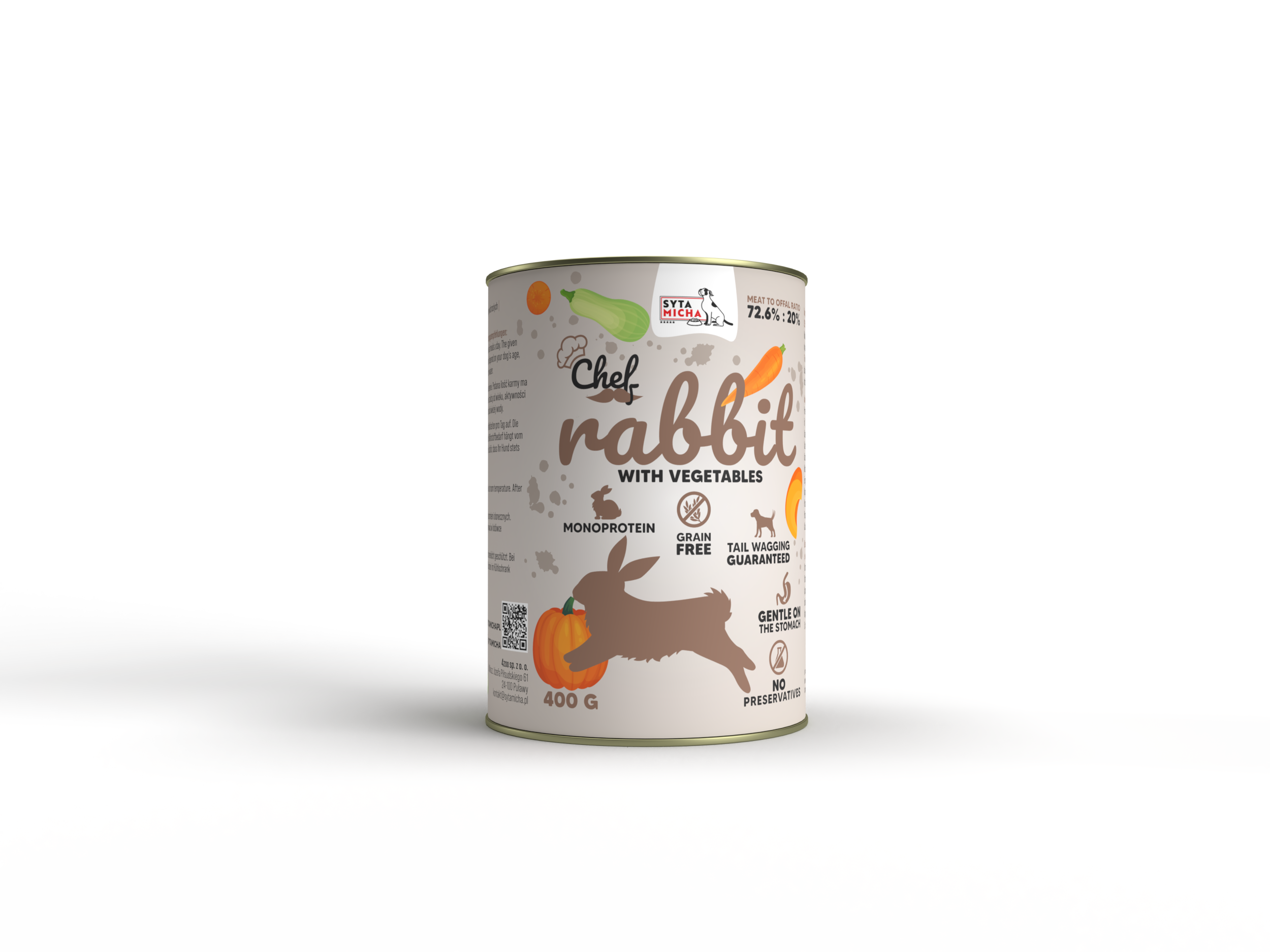
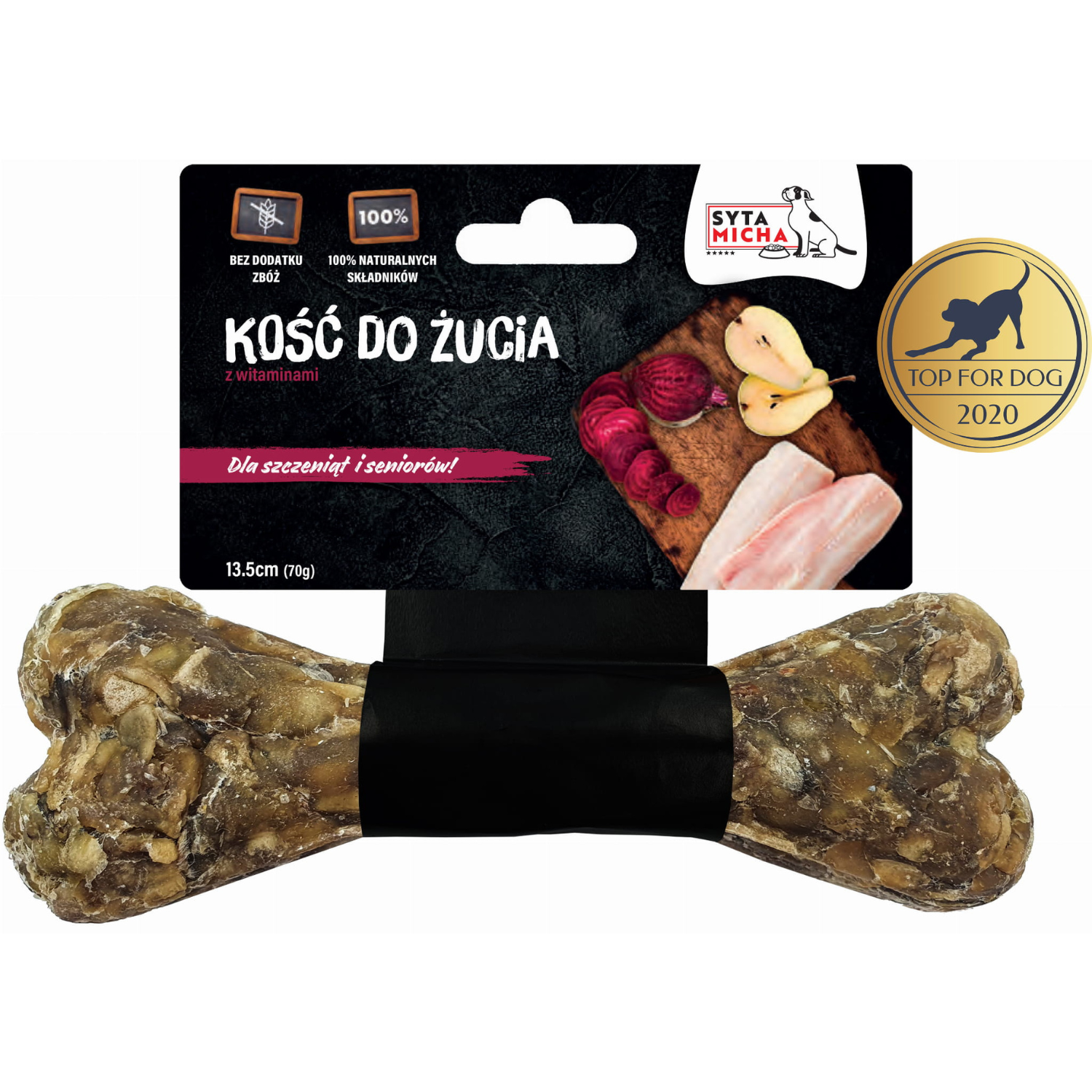
Products mentioned
 You collect HAU DOLCE points for your purchases
Frequently asked questions
When does a puppy grow fastest?
The fastest growth happens between 3 and 5 months of age. That is when proper nutrition is especially important.
How much protein does a puppy need?
At least 29% of the diet on a dry matter basis, and 22-32% on a dry matter basis for giant-breed puppies. The protein should be high-quality and complete.
What calcium to phosphorus ratio is right for a puppy?
Keeping the Ca:P ratio at 1:1 or 2:1 is especially important in giant breeds. Both too much and too little calcium can lead to orthopaedic diseases.
What is most often missing from a puppy's home-made diet?
Choline, vitamin B12, vitamin D, copper, zinc and sodium are most often lacking. Meat alone also has too little calcium relative to phosphorus.