
The omega-3 fatty acids EPA and DHA matter for a dog’s brain and nervous system, and their best source is fish fat. Working and sporting dogs, puppies in training and seniors need them most. The effects of regular feeding usually show after 4-6 weeks.
During a single session, a therapy dog does complex cognitive work: it focuses, reads human emotions and constantly controls its own reactions. For a dog’s nervous system that is a real load, separate from physical effort. Just as muscles need fuel for exercise, a dog’s brain needs the right diet to keep working well for a long time.
Omega-3 fatty acids, specifically EPA and DHA, play an important role here. We explain what they are, where to get them and why active and working dogs need especially large amounts.
What EPA and DHA are and where to get them
Omega-3s are polyunsaturated fatty acids (PUFA) that a dog’s body, like a human’s, does not produce in sufficient amounts. They have to come from the diet. Three of them matter for dogs:
- EPA (eicosapentaenoic acid) - anti-inflammatory, supports immunity and joints,
- DHA (docosahexaenoic acid) - builds the cell membranes of neurons, important for the brain and eyesight,
- ALA (alpha-linolenic acid) - comes mainly from plants (e.g. linseed), but a dog converts it into EPA and DHA with low efficiency, estimated at below 5-15%, depending on metabolism.
The best source of EPA and DHA for dogs is fish fat - from salmon, mackerel, sardines or herring.
How omega-3s affect a dog’s focus and learning
DHA makes up around 40% of the polyunsaturated fatty acids in a dog’s brain, more than in any other organ. Neuron membranes built from DHA are more flexible, which supports faster conduction of impulses and more efficient communication between cells. A dog with adequate DHA levels may learn more easily, remember better and tire mentally more slowly.
In studies with puppies, a diet enriched with DHA was linked to better results in learning and memory tests than a diet deficient in omega-3. The differences were clearest in tasks based on spatial associations and telling stimuli apart.
EPA works at a neuro-immunological level: it limits pro-inflammatory signals in the nervous system that can heighten over-reactivity, anxiety and difficulty focusing. A well-balanced supply of omega-3 can help a dog be calmer and more settled.
Who needs omega-3 most
The need for omega-3 grows with a dog’s mental and physical load. Those especially at risk of deficiency are:
- therapy dogs - intensive work with people and constant control of their own reactions,
- sporting and working dogs (e.g. rescue, police) - heavy physical and mental load at the same time,
- puppies in a phase of intensive learning - a developing brain needs building material for neurons,
- senior dogs - an adequate supply of omega-3 can support an ageing nervous system.
Signs of omega-3 deficiency - what to look out for
Omega-3 deficiency rarely produces clear symptoms. More often, subtle signals build up that are easy to miss:
- a dull, dry or brittle coat,
- tiring more quickly during training or work,
- difficulty focusing - the dog remembers commands less well or responds with a delay,
- greater reactivity to stimuli that previously made no impression,
- more frequent inflammation of the skin, joints or digestive system.
How to top up omega-3 in a dog’s diet
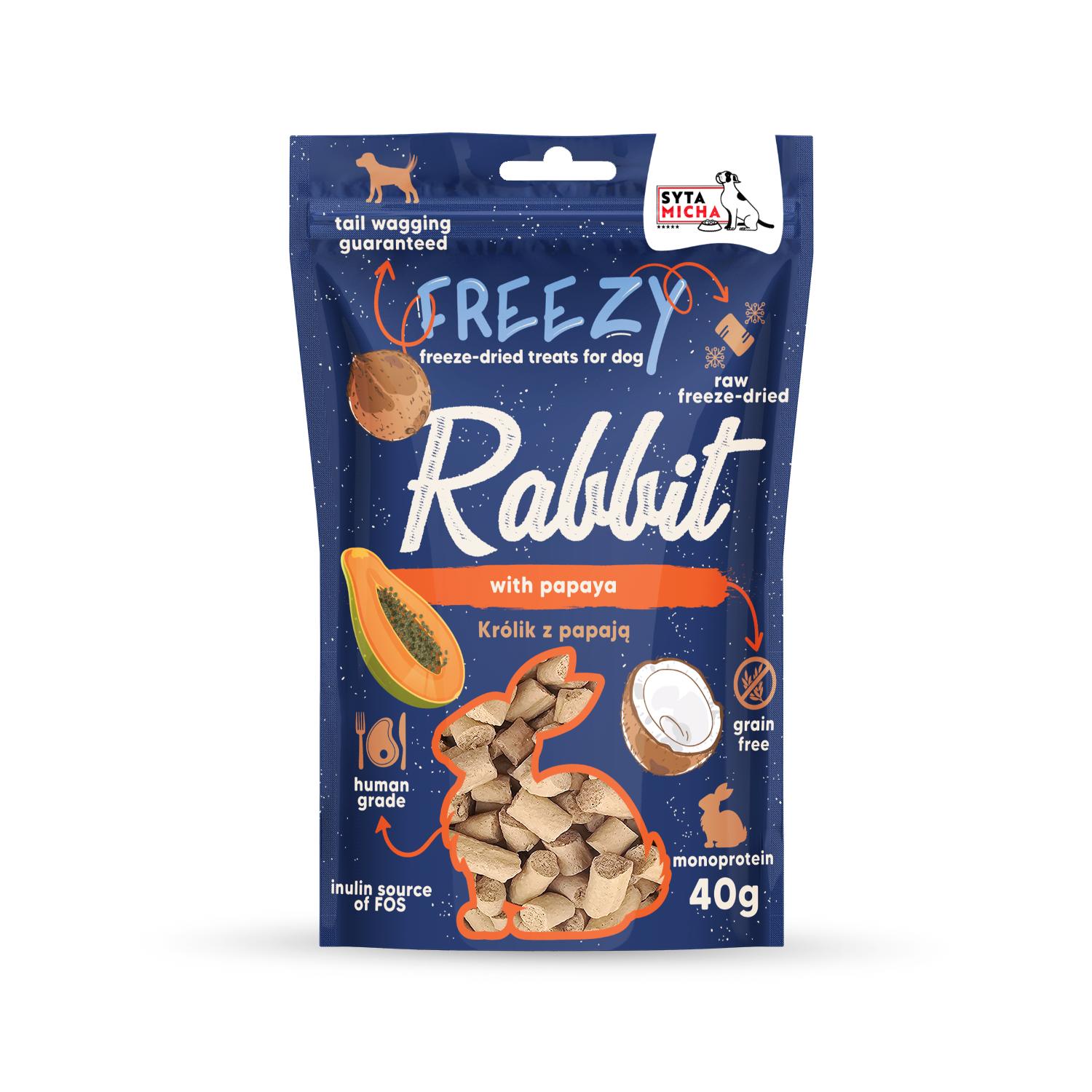
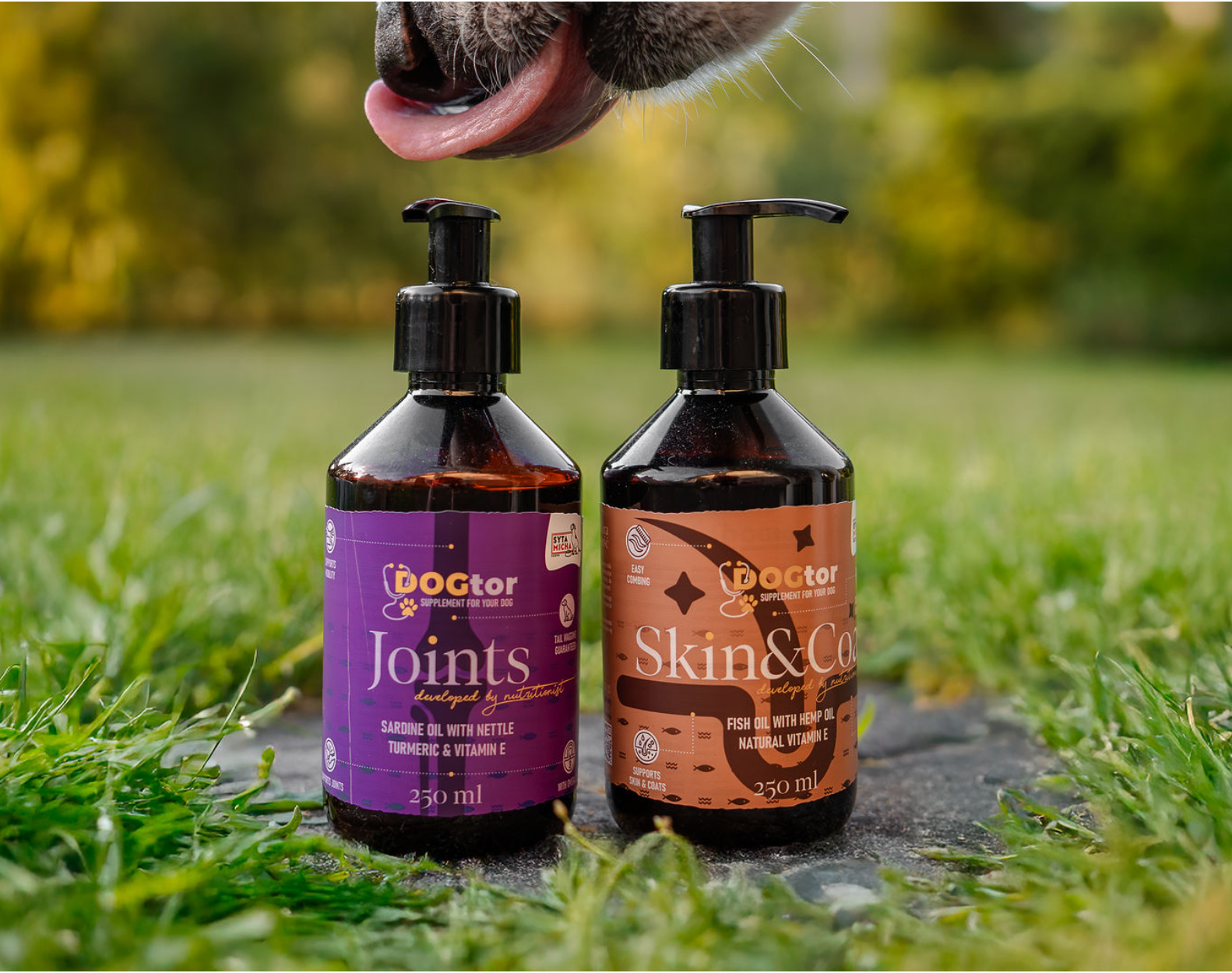
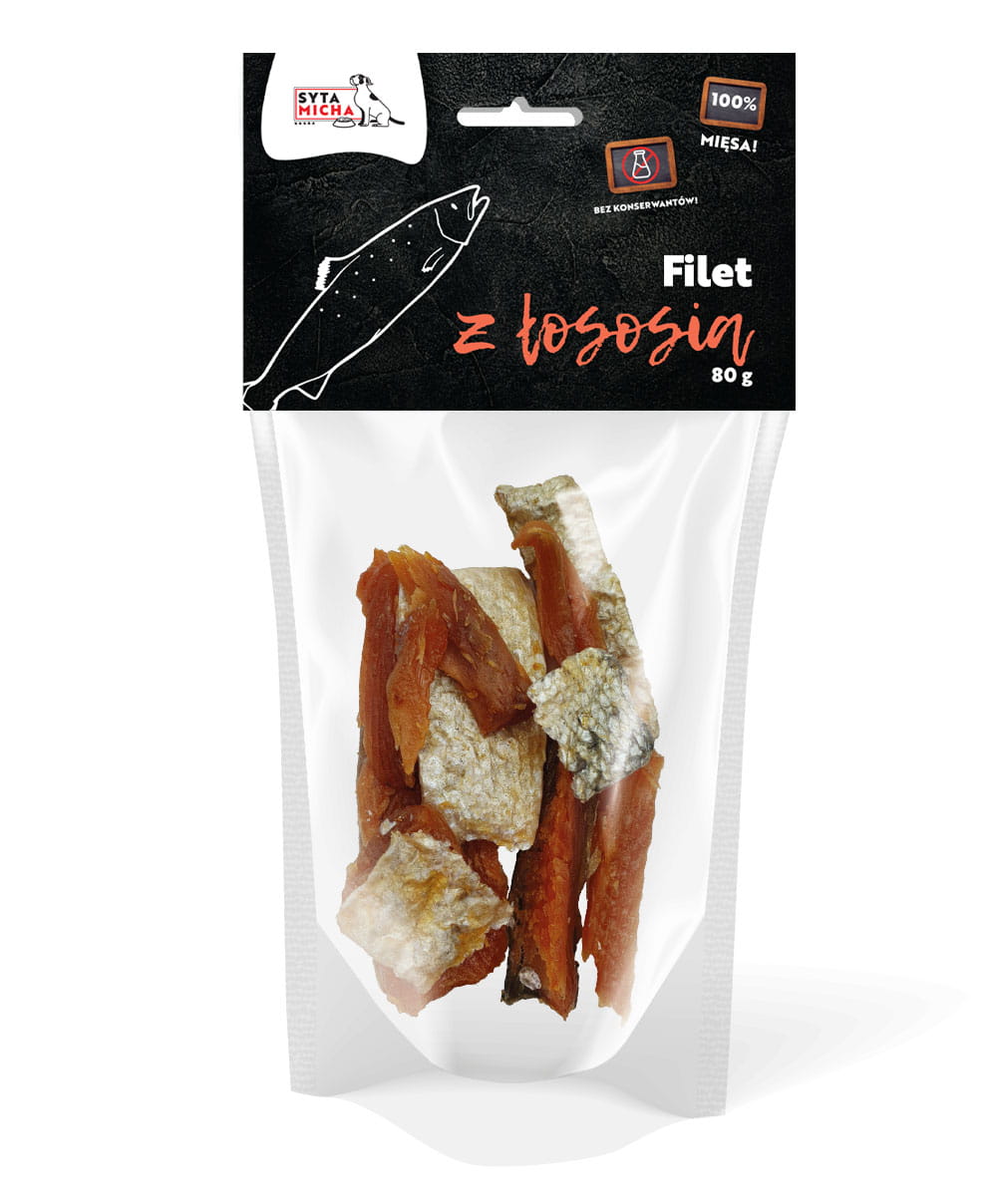
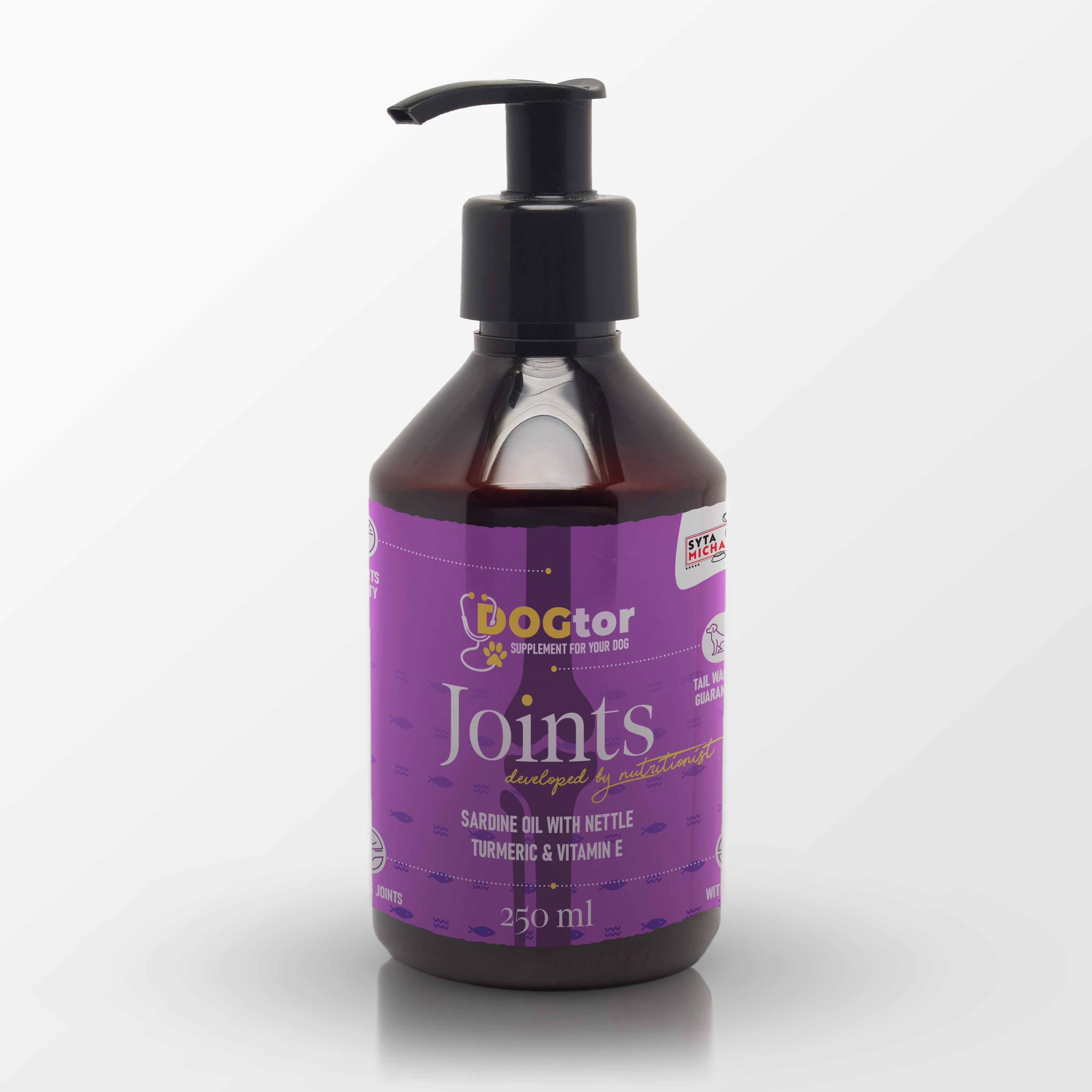
The simplest way is to give products rich in fish fat regularly. With active, working and recovering dogs in mind, in the DOGTOR line we use ingredients rich in these acids: our functional oils are mainly sardine oil. Joints oil contains EPA 16.06% and DHA 11.12%, Immunity oil EPA 13.72% and DHA 9.39%, and Skin & Coat oil combines sardine oil with linseed and hemp oil (37.71% omega-3 in total). Fish treats are also a good everyday addition.
 100% freeze-dried sprats for dogs 100g FREEZY Pure · 29,90 złDried salmon fillets for dogs 80g · 25,90 zł
Topping up omega-3 is long-term support. The first effects usually show after 4-6 weeks of regular feeding, so it is worth starting before problems appear.
Key takeaways
- EPA and DHA matter for the proper functioning of a dog’s brain and nervous system.
- DHA is the largest PUFA fraction in the brain, important for neuroplasticity and learning.
- Active, working and learning dogs have a greater need for omega-3.
- The best source of EPA and DHA is fish fat; plant oils do not provide them in ready-made form.
- A deficiency may show as poorer focus, a weaker coat and greater reactivity.
Products mentioned
 You collect HAU DOLCE points for your purchases
Frequently asked questions
Is linseed oil enough as a source of omega-3 for a dog?
Not really. Linseed provides ALA, which a dog converts into EPA and DHA with low efficiency. The best source of EPA and DHA is fish fat, e.g. from salmon, mackerel, sardines or herring.
Which dogs need the most omega-3?
Therapy, sporting and working dogs, puppies in a phase of intensive learning and seniors. The need grows with mental and physical load.
What can the signs of omega-3 deficiency be in a dog?
A dull, dry coat, tiring more quickly, difficulty focusing, greater reactivity to stimuli and more frequent inflammation of the skin, joints or digestive system.
How long does it take to see the effects of omega-3?
Usually after 4-6 weeks of regular feeding, so it is best treated as long-term support.