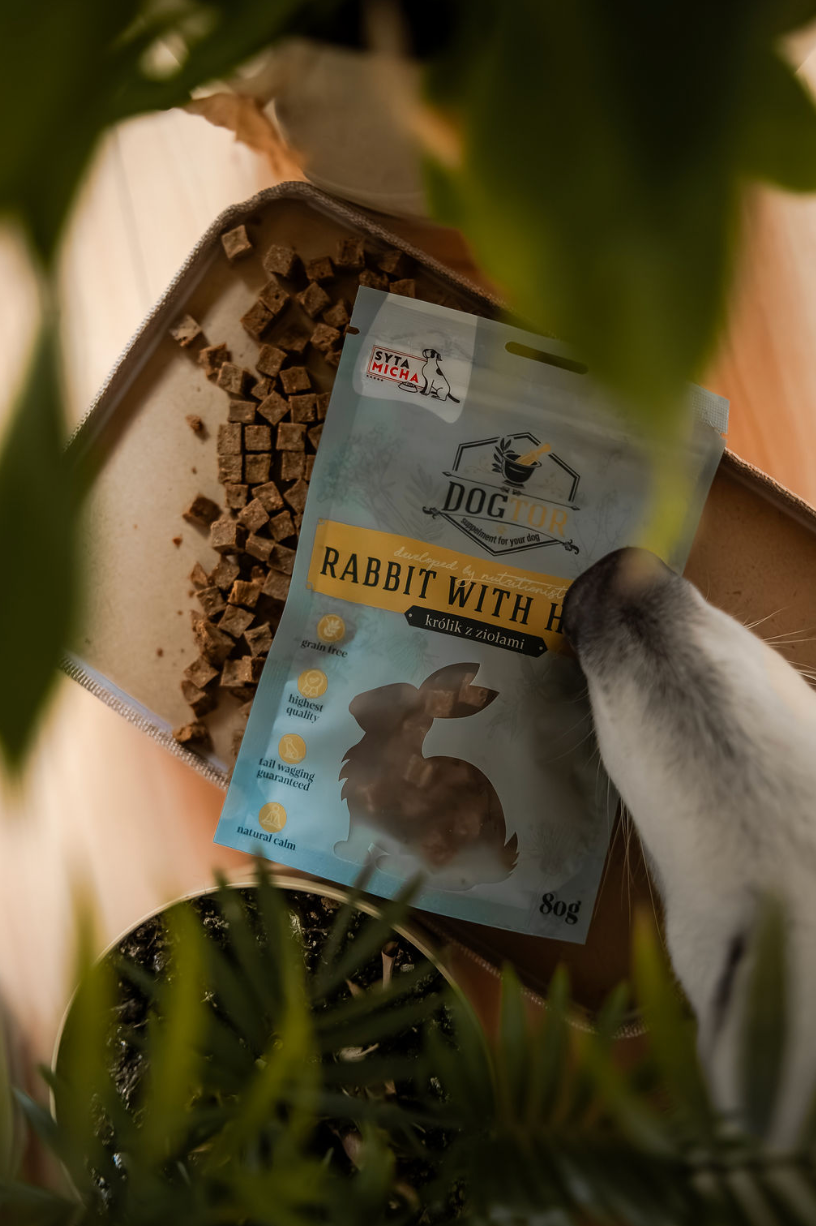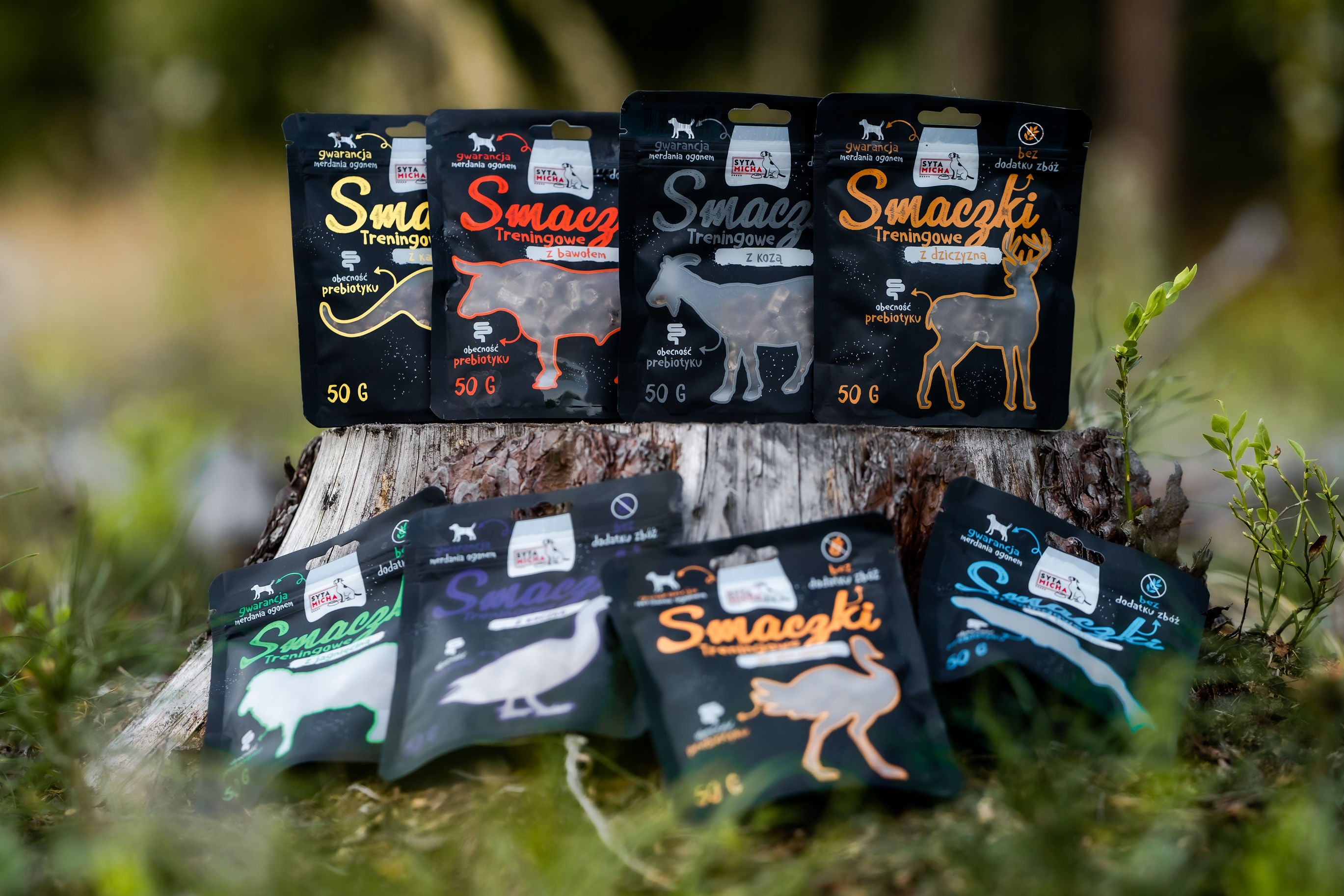
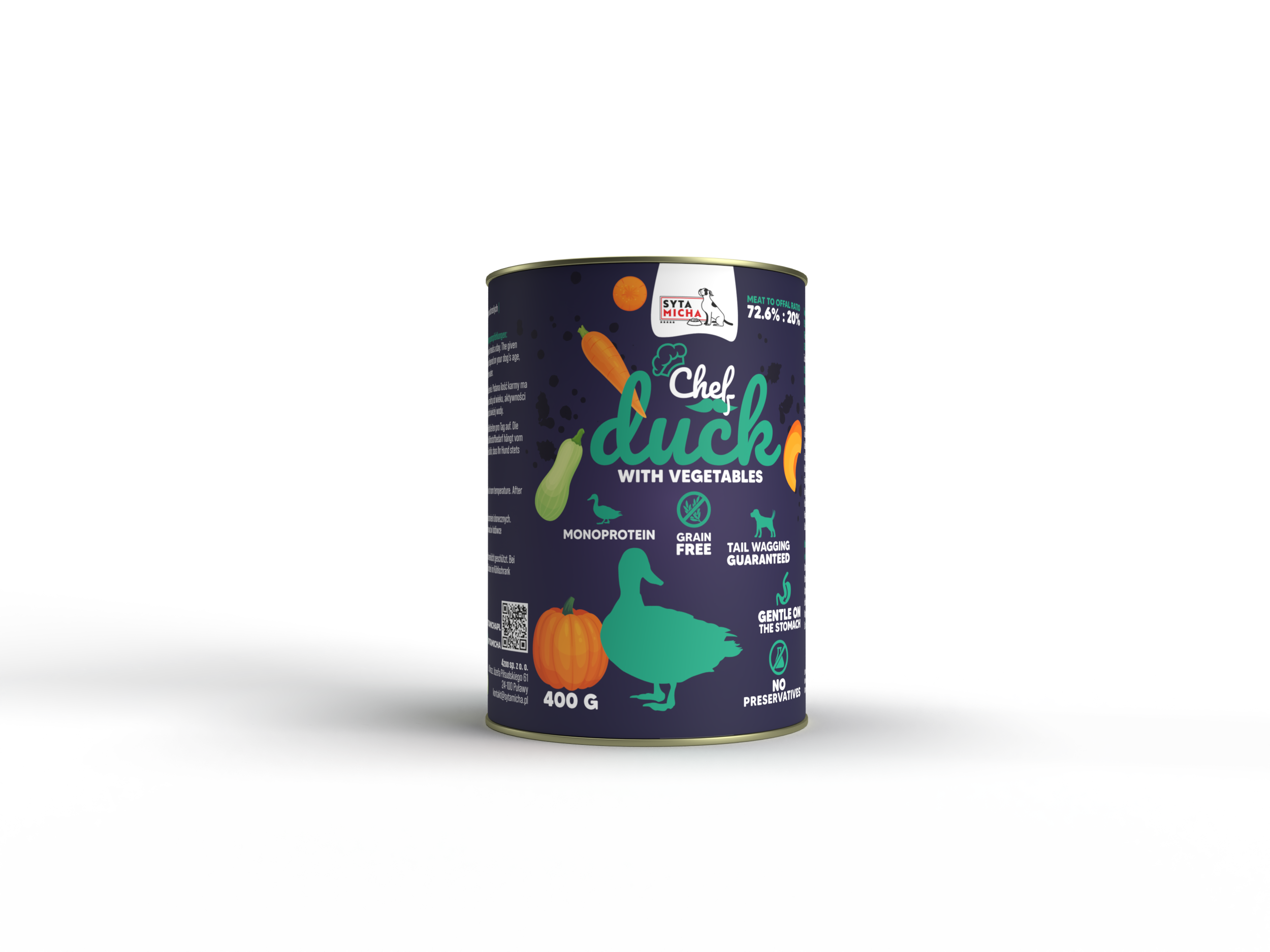
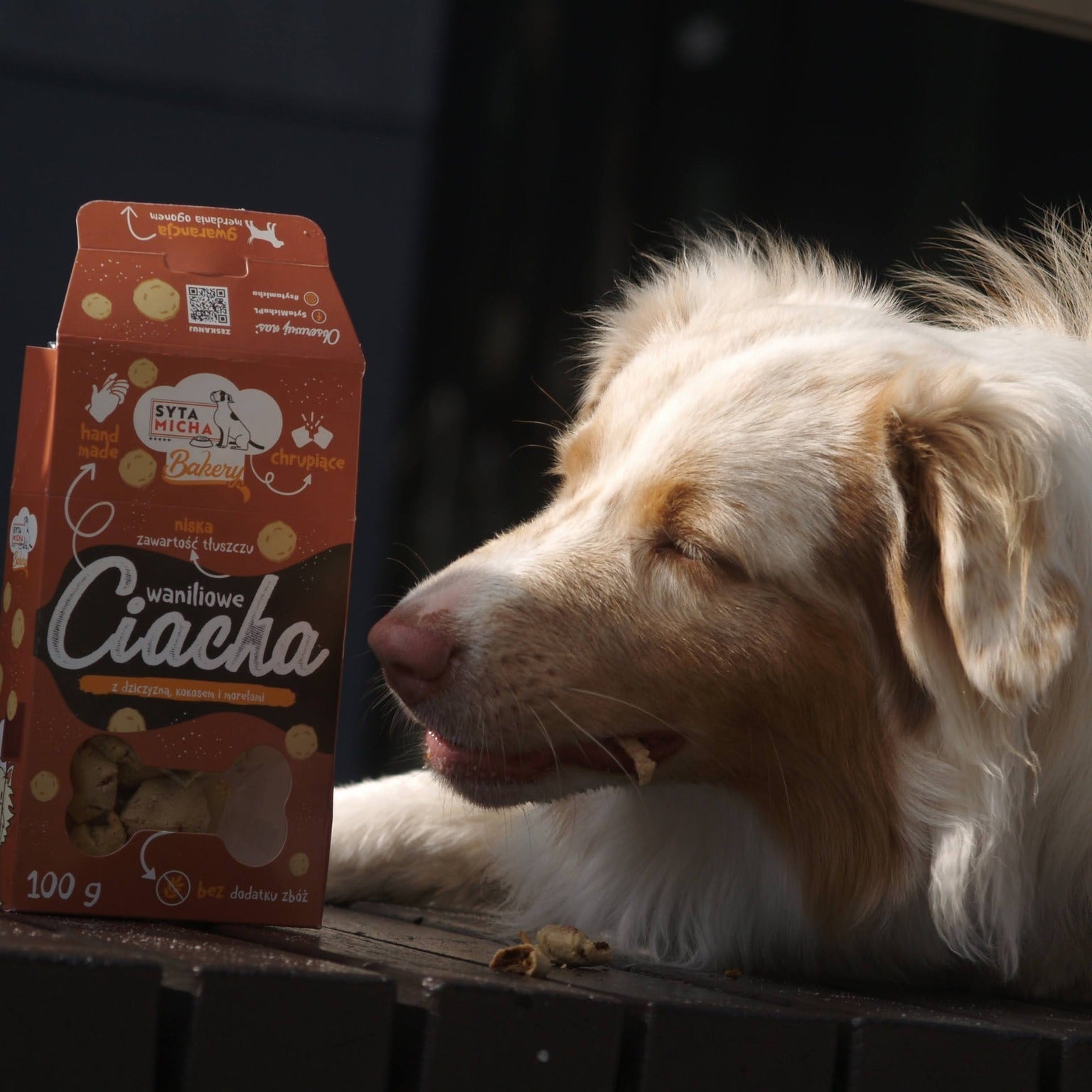
Treats given several times a day affect the calorie balance and the quality of the diet, so it is worth choosing treats with a short, familiar composition. Slow-baked Bakery biscuits are based on meat, fruit, vegetables and herbs, with no sugar, artificial colourings or glycerine. They work well as a special reward in training, and their hard, rough texture can support dental hygiene, although it does not replace brushing.
We read food labels ever more carefully: we check the meat content, the quality of fats, the presence of grains and the calories. With treats, however, many people let their guard down, yet it is precisely treats given several times a day that can noticeably affect the calorie balance and the quality of the whole diet. Even a very good food will not ‘make up for’ poor treats.
Below we explain how the baked biscuits from the Bakery line are made, what goes into them and how to use them in training and in everyday dental hygiene.
Baking instead of extrusion - how Bakery biscuits are made
Most treats are made by extrusion, that is, rapid, intensive heating under high pressure. It is a cheap and practical technique, but it involves deep heat treatment. We have opted for slow baking.
Any heat treatment involves some losses, so we do not promise that 100% of the nutritional value is kept. Baking does, however, have real advantages:
- a gentler process can help retain some of the natural aromas and nutrients,
- fats heated more gently are less prone to unfavourable changes,
- drying the biscuit thoroughly reduces the need for synthetic preservatives.
The result is a less processed product, closer to traditional baking.
A short composition - what is in the biscuits and what is not
Nutritionists have been saying it for years: a short composition and familiar raw materials mean a better chance of good tolerance. Bakery biscuits are based on simple recipes:
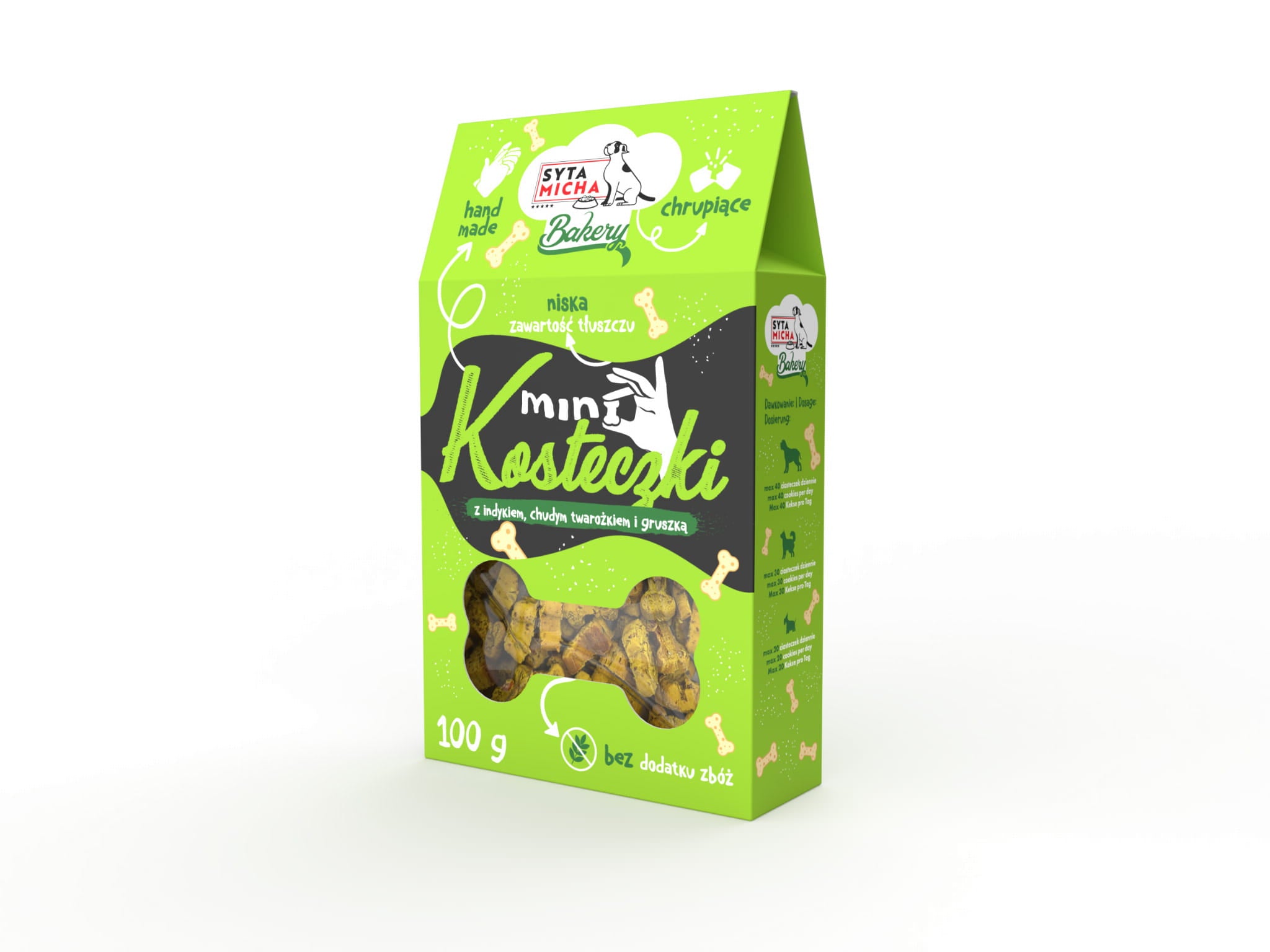
Our bakes are free from:
- sugar and sugar syrups,
- artificial colourings,
- glycerine and glycol, which in cheap treats often improve softness at the expense of the digestive tract.
Many Bakery variants are grain-free, which matters for dogs that do not tolerate gluten or maize. Introduce every new treat gradually and watch how your dog reacts.
Biscuits as a reward in training
Most dogs respond brilliantly to food motivation, but using rewards wisely is what counts. In training we distinguish between small treats for quick luring (so-called ‘lures’) and ‘jackpot’ rewards. Because of their size and crunch, Bakery biscuits work best as:
- The final reward - after 10 minutes of successful exercises, one larger biscuit is a signal: ‘work is over, now we rest’.
- A reward for big things - when your dog abandons a deer trail and comes running to an emergency recall, it deserves something better than dry food.
- Calming emotions - crunching and chewing are soothing. A hard biscuit on the bed helps a dog redirect its excitement, e.g. when guests arrive.
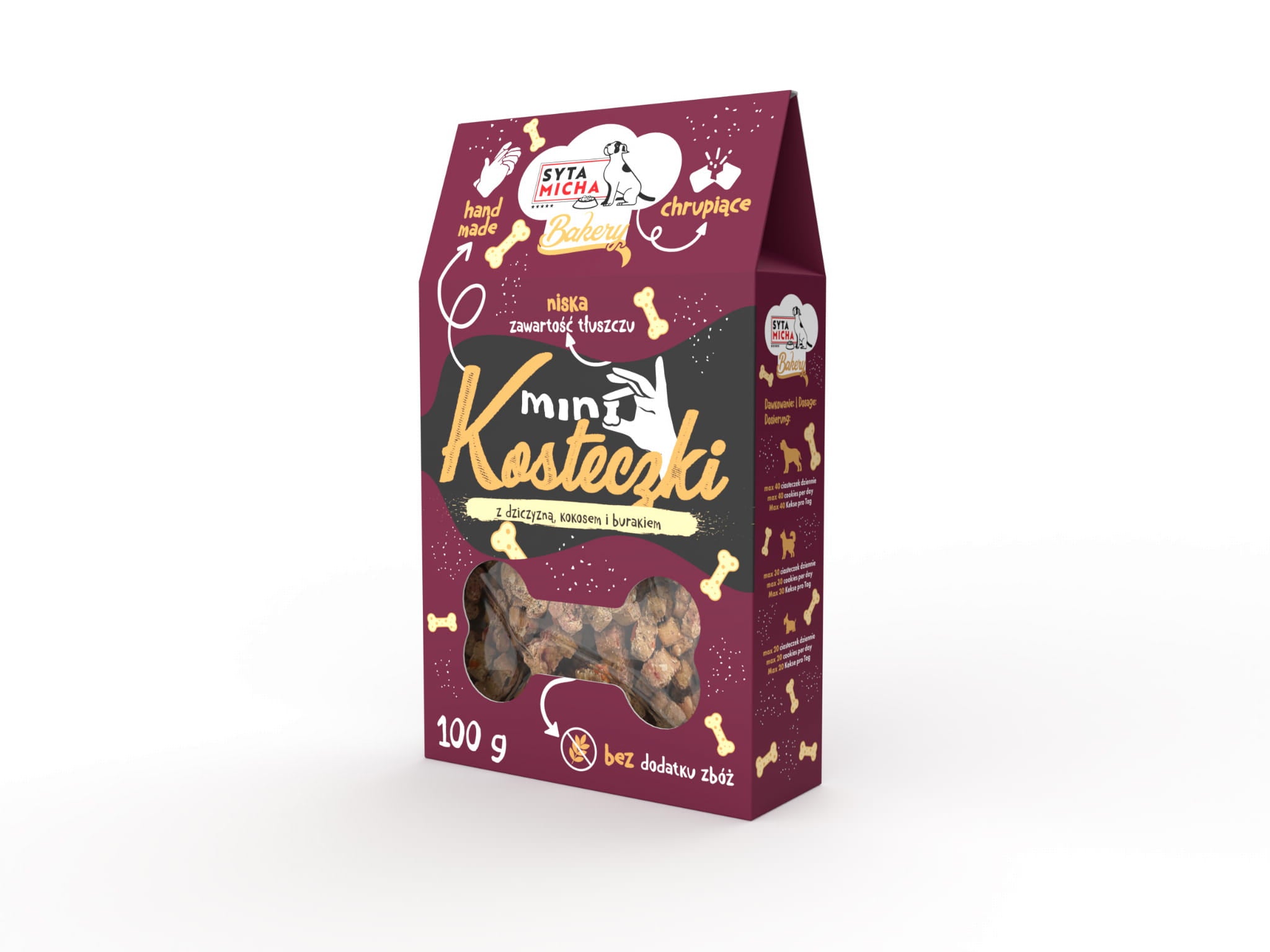
Convenience for the handler
Thanks to baking, the biscuits are dry and not greasy, so:
- they do not dirty your hands or pockets,
- they do not crumble excessively in the treat pouch,
- they keep well - forgotten in a jacket, they will not go mouldy after a few days, as moist meat treats sometimes do.
Different flavours keep motivation up
Dogs, like people, get bored with monotony. The Bakery line covers flavours from turkey through venison to rabbit, so you can rotate rewards and keep the element of surprise. A loud ‘crunch’ is an extra stimulus for a dog that adds to the satisfaction of eating.
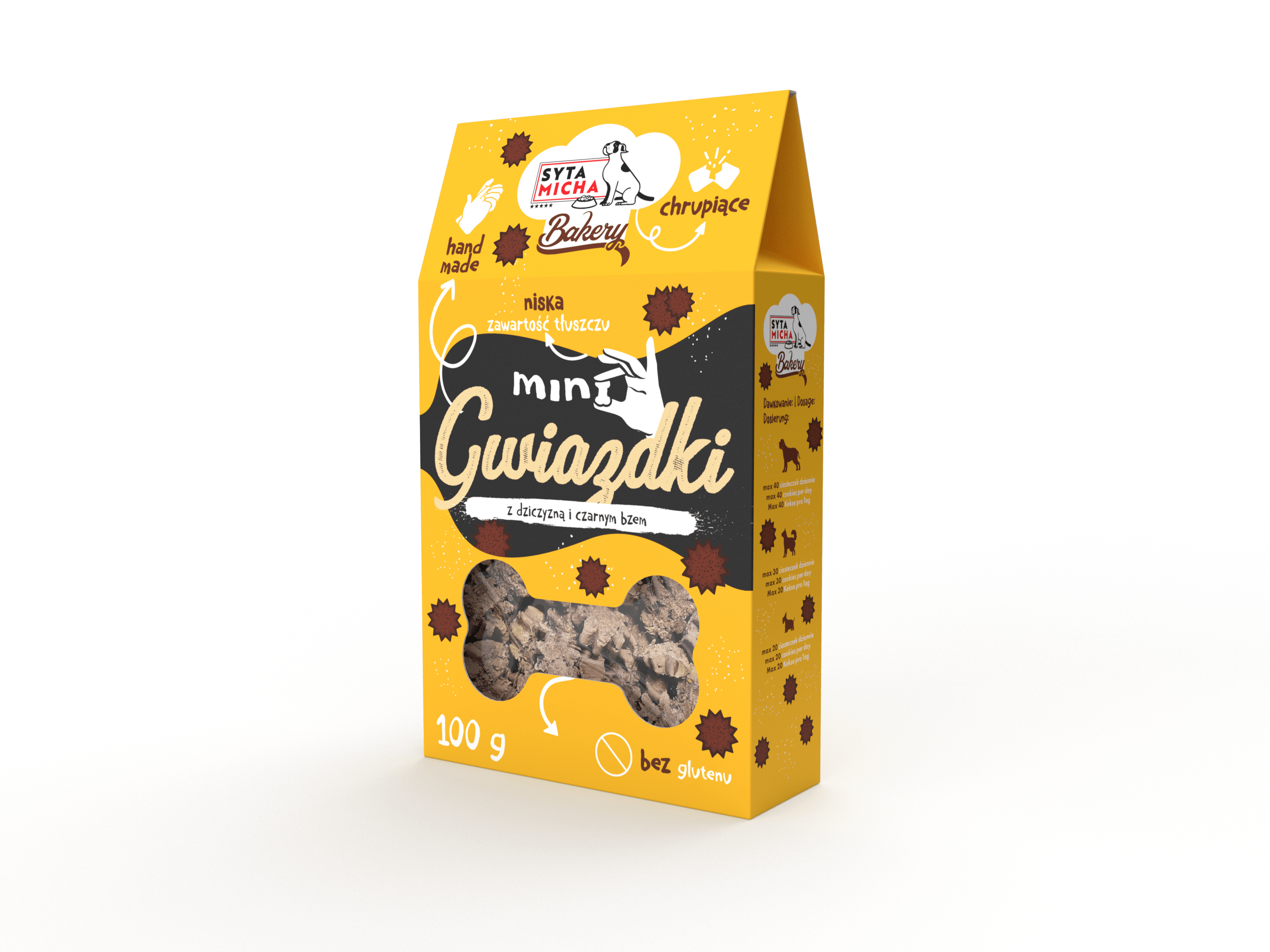 Dog biscuits Mini stars with game and elderberry 100g · 12,99 zł
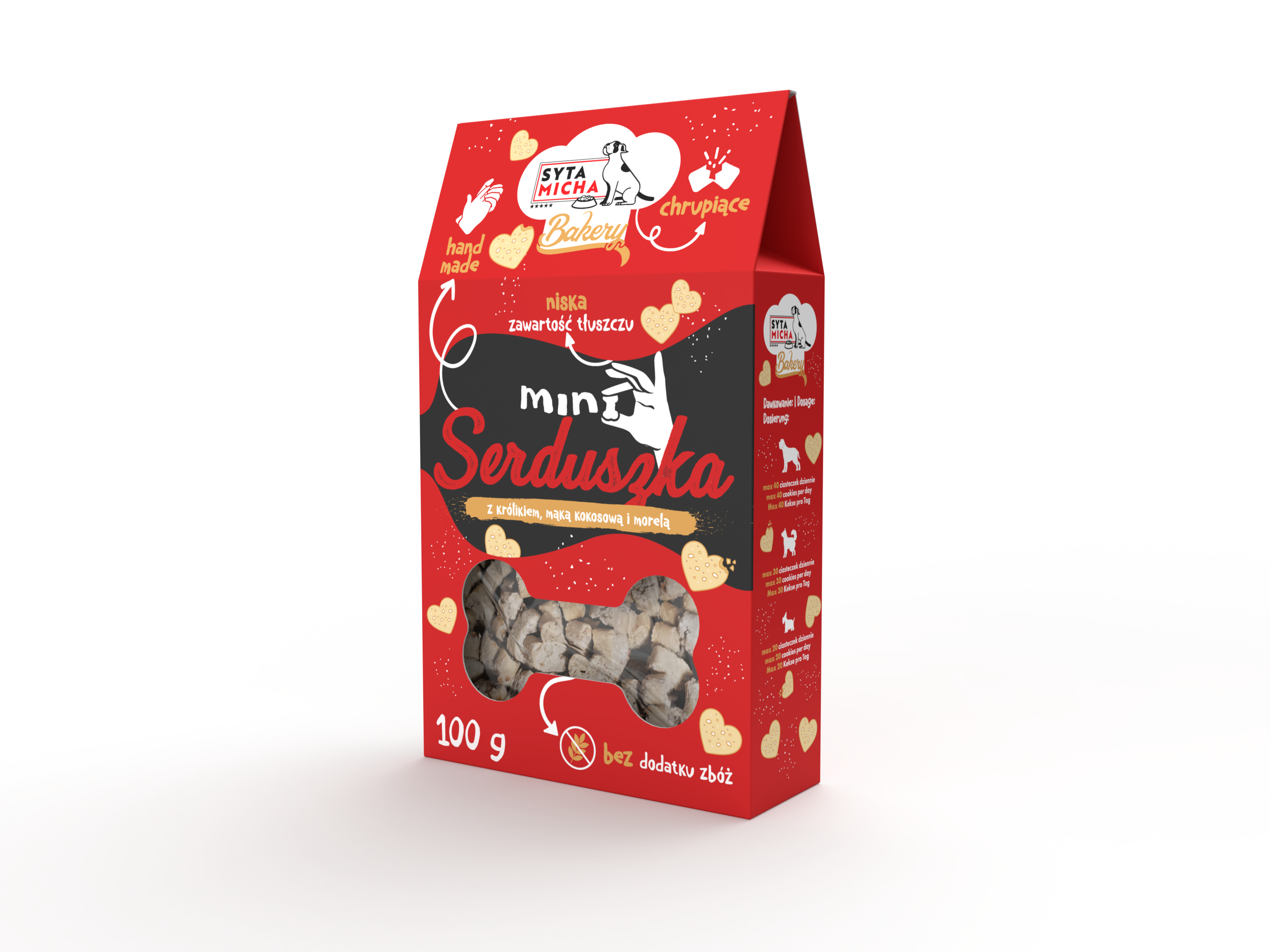 Dog biscuits Mini hearts with rabbit, coconut flour and apricot 100g · 12,99 zł
Hard biscuits and dental hygiene
According to veterinary statistics, as many as 80% of dogs over 3 years of age have periodontal problems. It starts with plaque, which over time mineralises into tartar. It is not just a matter of an unpleasant smell: diseased teeth mean pain and inflammation, and bacteria from the mouth can travel in the blood to the kidneys, liver or heart.
The foundation is regular brushing, but harder bakes can support everyday prevention:
- Mechanical abrasion - the rough surface helps remove fresh plaque before it turns into tartar.
- Gum stimulation - chewing improves blood flow to the periodontal tissues.
- More saliva - saliva naturally rinses the mouth and neutralises some bacteria.
Parsley, mint or seaweed, found in selected flavours, help neutralise bad breath.
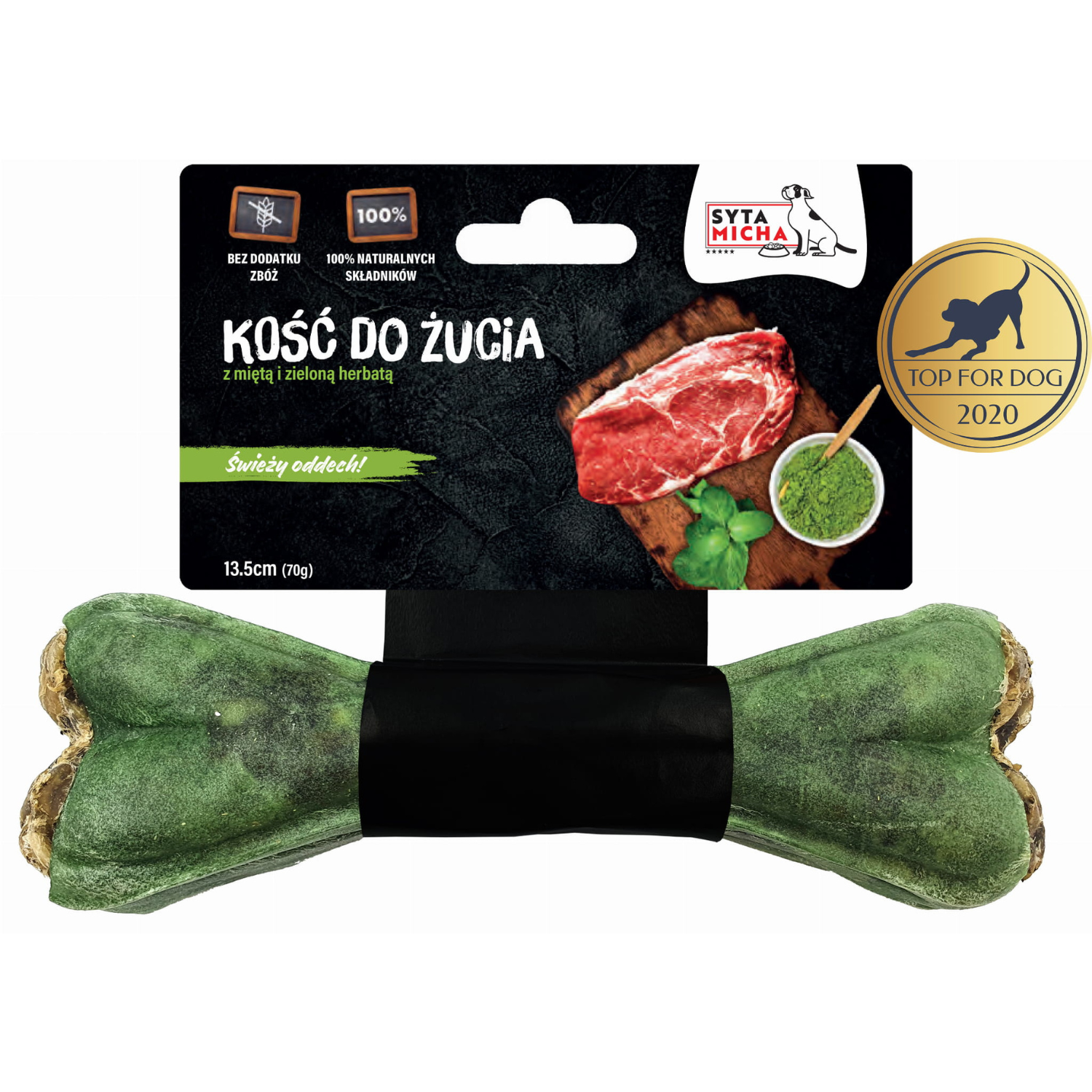
Watch out for ‘dental’ treats with sugar
Many products advertised as ‘dental sticks’ contain grains, artificial colourings and even sugar under various names. Sugar feeds the bacteria in the mouth, so such a treat may actually encourage tooth decay. That is why, when choosing chews, read the composition and choose sugar-free products.
Treat the biscuits as an addition to the routine: a reward after tooth brushing, or a way to clean the teeth mechanically on days when your dog will not tolerate brushing.
When to see the vet about your dog’s teeth
Home methods work preventively, but advanced problems need professional help. Book an appointment with a vet (dental specialist) if you notice:
- visible tartar,
- red gums or gingivitis,
- very bad breath.
Remember regular dental check-ups too, even when you see nothing worrying.
Products mentioned
 You collect HAU DOLCE points for your purchases
Frequently asked questions
How do Bakery biscuits differ from typical treats?
Most treats are made by extrusion, whereas Bakery biscuits are slow-baked. This process can help retain some of the natural aromas, treats fats more gently, and thorough drying reduces the need for synthetic preservatives.
How should I use biscuits in dog training?
Ideally as a special reward: at the end of a successful session, for a difficult task such as a recall away from a deer trail, or as a hard chew on the bed that helps your dog calm down. Small treats are better for quick luring.
Do dog biscuits help look after the teeth?
Harder bakes can support hygiene: the rough surface helps remove fresh plaque, chewing stimulates the gums and more saliva rinses the mouth. They do not, however, replace brushing or check-ups at the vet.
Are Bakery biscuits suitable for dogs with allergies?
Many Bakery variants are grain-free, which matters with gluten or maize intolerance. Every new treat is worth introducing gradually while watching how your dog reacts.
Why avoid ‘dental’ treats with sugar?
Sugar feeds the bacteria in the mouth, so a treat advertised as dental but containing sugar may actually encourage tooth decay. That is why it is worth reading the composition and choosing sugar-free products.