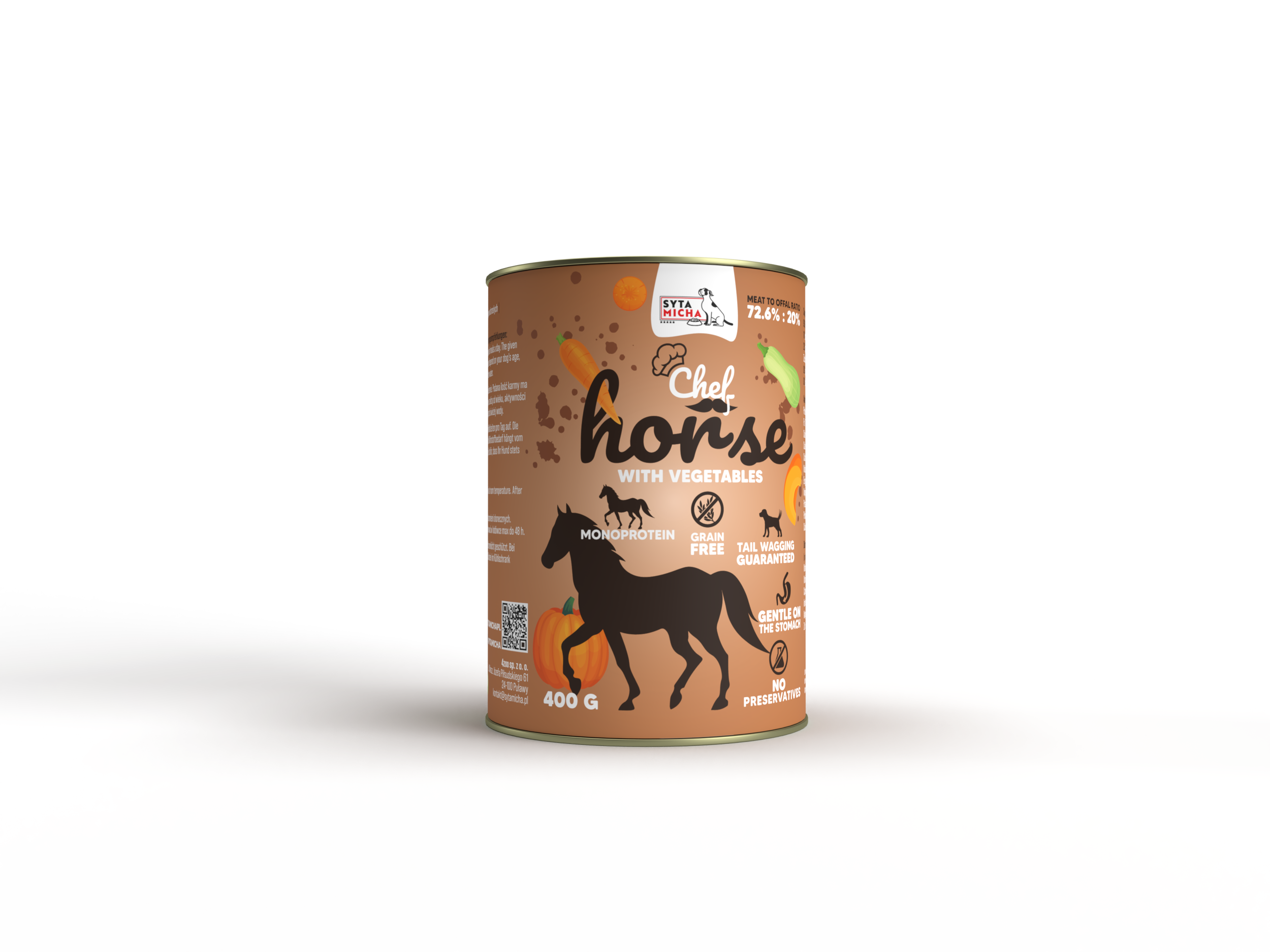
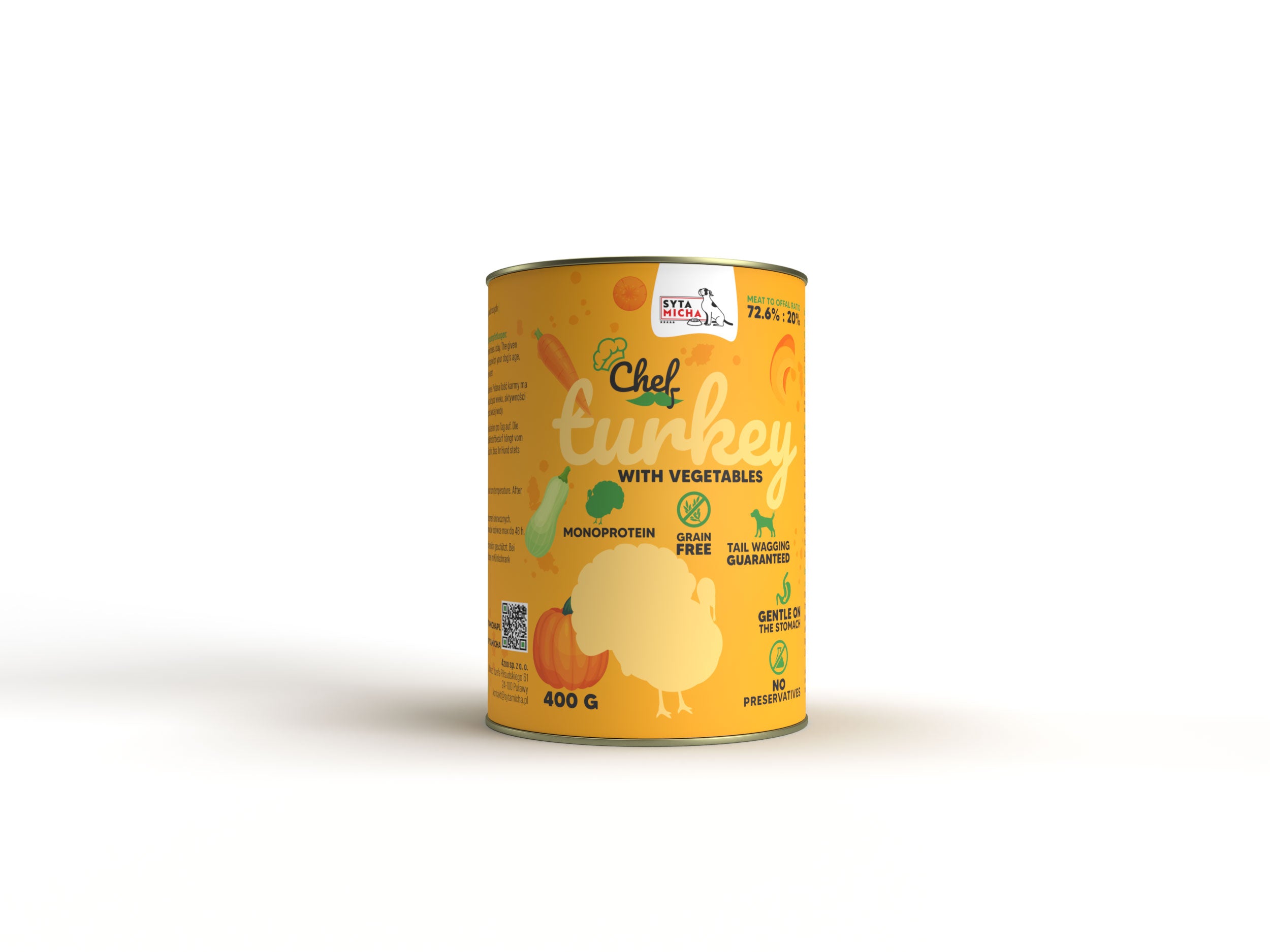
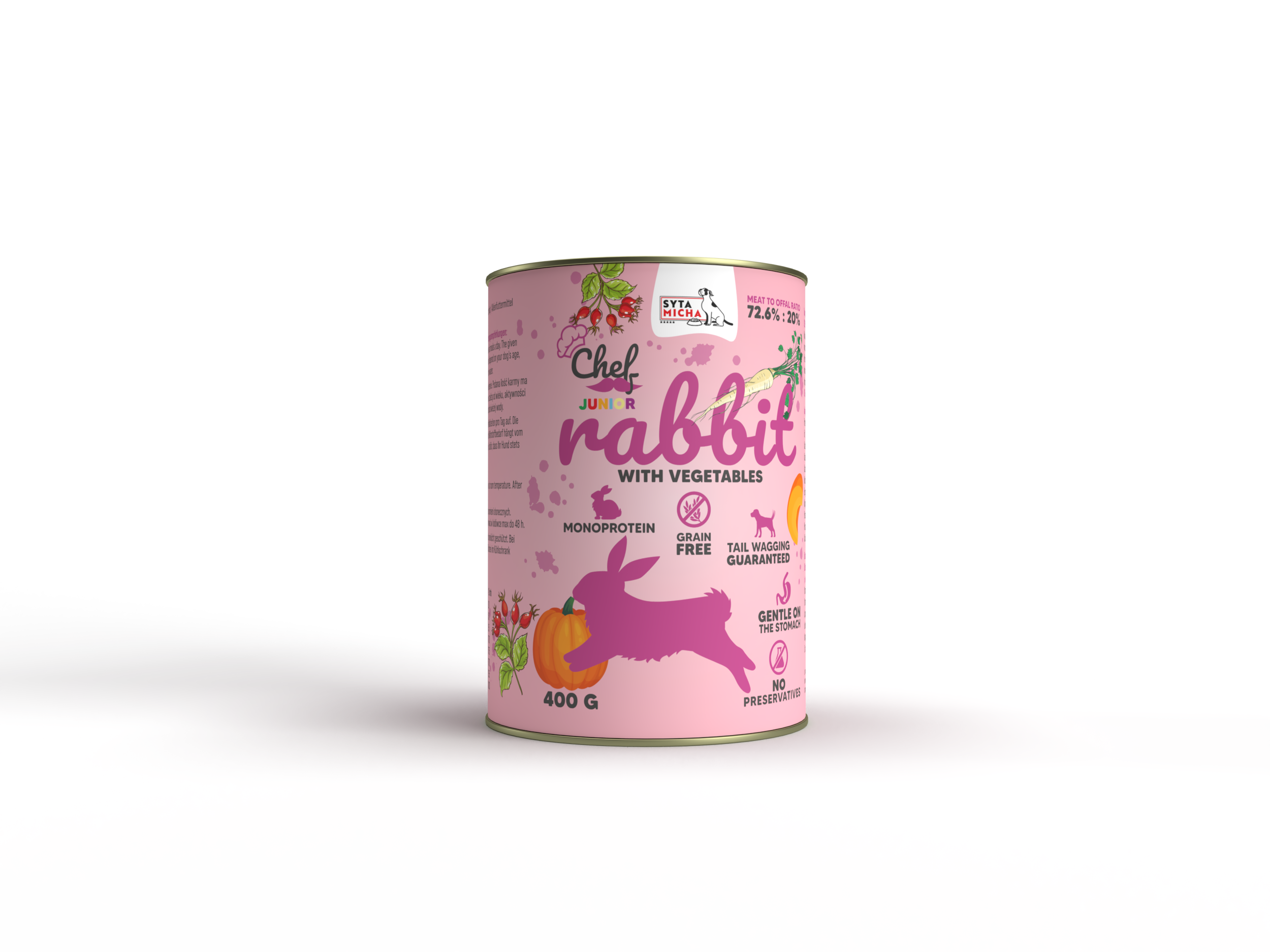
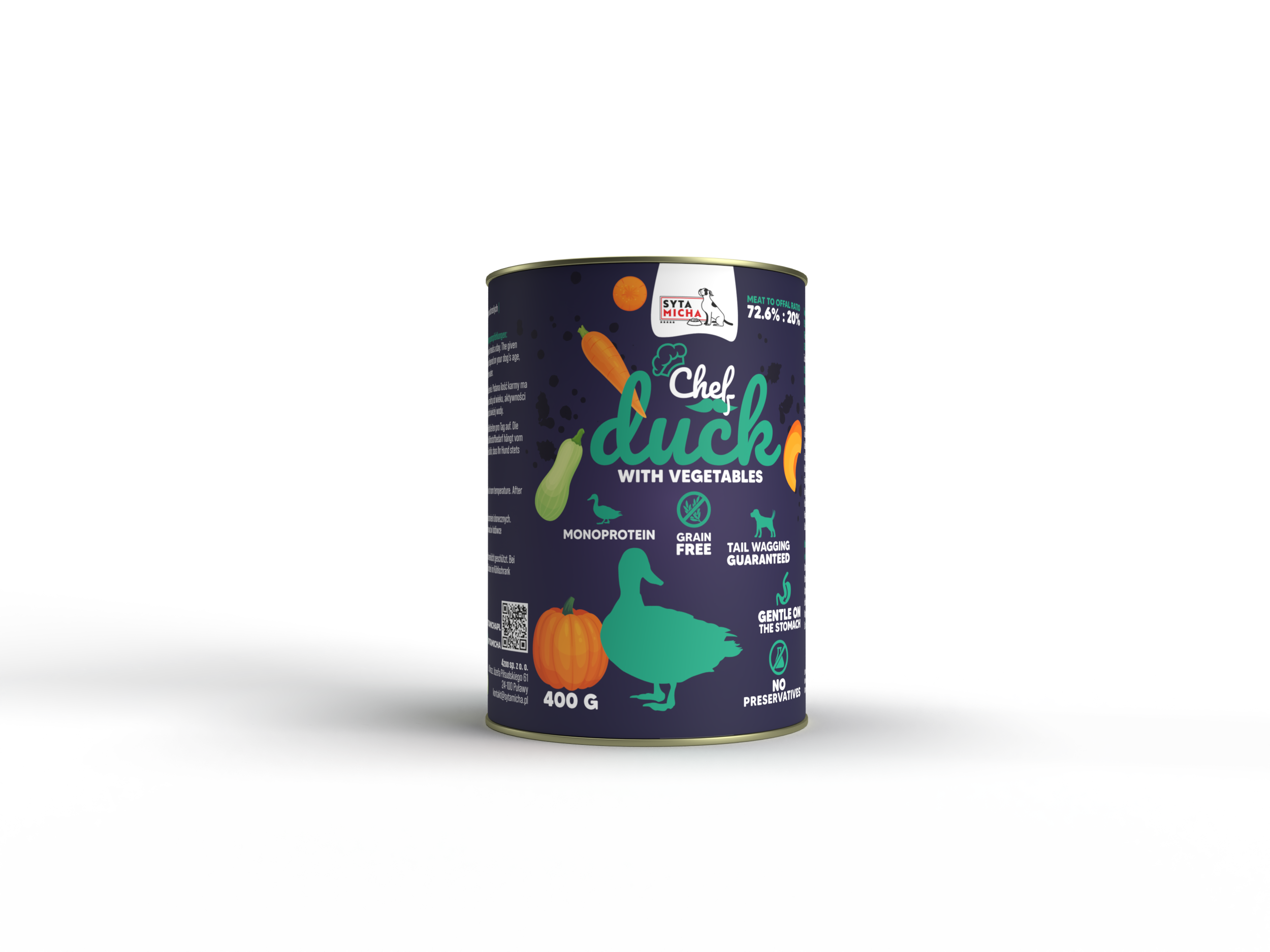

The fridge slows down the spoiling of wet food but does not stop it: fats and proteins oxidise, and psychrotrophic bacteria and fungi grow even in the cold. It is best to choose a tin size so that it is used up within 2 days of opening, and to wash the lid, your hands and the tin opener before opening. It is worth choosing BPA-free tins and throwing away all the food if mould appears.
Choosing a well-balanced food is only half the battle. We often forget about the other half: storage. It decides whether an opened tin stays fresh and safe for your dog or cat.
Below we explain what happens to wet food after opening, how long to keep it in the fridge, how to open a tin safely and what to watch out for when it comes to BPA.
The most common mistakes: warmth and too much time
The simplest way to spoil wet food is to leave an opened tin in a warm place for several days. Then we wonder why the animal has diarrhoea, and a trip to the vet is added to the cost of the food. It seems obvious, but vets’ experience shows that it is not.
On the other hand, opened food kept in the fridge for a week can also do harm. Most of us have at some point discovered a forgotten yoghurt or pasta with sauce at the back of the fridge that had started a life of its own. It is the same with pet food.
The fridge slows changes down but does not stop them
A popular myth says that nothing happens to food in the fridge (usually around 4°C). That is not true. Where the food meets the air, oxidative processes take place: fats and proteins oxidise. The compounds formed have no nutritional value, can pose a risk and change the taste of the food. And there is hardly anything worse than a good tin that your animal will not eat.

How long to store an opened tin
Even in the fridge, time is the deciding factor. Low temperature slows down the natural processes in the food, but it does not stop them. The shorter an opened tin stays in the fridge, the better. That is why it is worth choosing the tin size so that, at the set portion, the food is used up within 2 days of opening.

A metallic taste in the food
After a tin is opened, iron ions gradually pass into its contents and change the taste. We know this from, say, a cheesecake left too long in its tin. If a metallic taste bothers us, it will bother an animal too.
BPA in tins - what to look out for
There is another issue that does not depend on whether the tin is open: what the inside of the tin is coated with. This concerns coatings based on epoxy resins. Their production uses bisphenol A (BPA), which belongs to category 1 of endocrine-disrupting substances and is toxic to living organisms.
Studies in animal models link BPA exposure with obesity, thyroid disorders and cardiovascular disease. There are also reports of a link with type 2 diabetes and disturbed glucose and lipid metabolism. BPA raises concerns because it can migrate from the packaging into the product.
- The permitted limit for packaging in contact with food is 0.05 mg/kg. The value for pet food is the same.
- If a tin has a BPA coating, some of the compound will pass into the contents over time, whether or not the tin is open.
- Food from BPA-free tins does not need to be transferred to another container.
- Trace amounts can appear even in BPA-free tins, but the whole compound never passes into the contents.
- The production date counts: a tin from a week ago means less chance of migration than a tin that has been on the shelf for several months.
When choosing a food, check whether the manufacturer states that no BPA-containing compounds were used to make the packaging.
How to open a tin properly
An unopened tin does not need to be kept in the fridge, and in fact this is not recommended. An opened one does. Factory-sealed food has no contact with the outside world; after processing it is free of microflora and is sometimes filled with an inert gas, e.g. nitrogen. The outside of the tin, however, is covered with everything it has come into contact with during packing, transport and storage.
- Before opening, wash the lid with lukewarm soapy water.
- Wash your hands and the tin opener.
- Remember that from the moment of opening, the contents are no longer free of microbes. How many we introduce is entirely up to us.
Bacteria and fungi that grow in the fridge
After opening, the food comes into contact with air, and neither kitchen air nor fridge air is free of bacteria and spores. Wet food is a good medium for microbes. The fridge lets you control their growth, but not all of them: many bacteria and fungi are psychrotrophs, which thrive precisely at refrigerator temperatures. They grow slowly, but they grow.
So three things matter: how long the food stays in the fridge, what condition the fridge is in and what stands next to the opened tin. Every time the door is opened, non-sterile air comes in. Depending on the conditions, including water availability and acidity, spoilage may be dominated by fungi or by bacteria.
Moulds and yeasts
Psychrotrophic fungi are commonly isolated from chilled animal products, fruit, vegetables and ready meals. Among moulds, Alternaria, Aspergillus, Botrytis, Cladosporium, Fusarium, Geotrichum, Monascus, Mucor, Penicillium, Rhizopus and Trichothecium dominate, and among yeasts, Candida, Debaryomyces, Saccharomyces and Torulopsis.
Moulds produce enzymes that break down proteins and fats, so the food loses nutritional value, and often toxins as well. Their effects can include carcinogenic properties, reproductive disorders and liver damage. When something fluffy appears on the food, throw away the entire contents, not just the visible part. The fungus has already grown through the food and released enzymes and toxins.
Bacteria: E. coli, Listeria and Salmonella
- Escherichia coli - these are among the most widespread bacteria in the environment. Here the problem is the hygiene of the person handling the tin. Wash your hands before and after serving the food.
- Listeria - time is the danger. This bacterium grows very slowly in the fridge, so do not give food that has been open for a long time. Sometimes mould will overgrow it first.
- Salmonella - it should not be in the food itself, but it can get in through contact with other food in the fridge. Pay attention to what stands next to the opened tin.
Food quality depends on us too
The composition, form and the manufacturer’s quality systems are one thing. Whether the food keeps its nutritional value and safety also depends on how we handle it: on storage conditions and time and on hygiene, i.e. washing hands before and after serving the food.
Dominik Łagowski, DVM
Bibliography
- Adeyi AA, Babalola BA. Bisphenol-A (BPA) in Foods commonly consumed in Southwest Nigeria and its Human Health Risk. Sci Rep. 2019;9(1):17458. doi:10.1038/s41598-019-53790-2.
- Altunatmaz SS, Issa G, Aydin A. Detection of airborne psychrotrophic bacteria and fungi in food storage refrigerators. Braz J Microbiol. 2012;43(4):1436-1443. doi:10.1590/S1517-838220120004000027.
- Asefa D, Langsrud S, Gjerde R, et al. The performance of SAS-super-180 air sampler and settle plates for assessing viable fungal particles in the air of dry-cured meat production facility. Food Control. 2009;20:997-1001. doi:10.1016/j.foodcont.2008.11.011.
- Brown LG, Hoover ER, Faw B V, et al. Food Safety Practices Linked with Proper Refrigerator Temperatures in Retail Delis. Foodborne Pathog Dis. 2018;15(5):300-307. doi:10.1089/fpd.2017.2358.
- Buchanan RL, Baker RC, Charlton AJ, Riviere JE, Standaert R. Pet food safety: a shared concern. Br J Nutr. 2011;106 Suppl 1:S78-84. doi:10.1017/S0007114511005034.
- Collins JD, Wall PG. Food safety and animal production systems: controlling zoonoses at farm level. Rev Sci Tech. 2004;23(2):685-700. doi:10.20506/rst.23.2.1510.
- Cowie R. Quality Assurance for Microbiology in Feed Analysis Laboratories.; 2013.
- Endrikat S, Gallagher D, Pouillot R, et al. A comparative risk assessment for Listeria monocytogenes in prepackaged versus retail-sliced deli meat. J Food Prot. 2010;73(4):612-619. doi:10.4315/0362-028x-73.4.612.
- Hormann AM, Vom Saal FS, Nagel SC, et al. Holding thermal receipt paper and eating food after using hand sanitizer results in high serum bioactive and urine total levels of bisphenol A (BPA). PLoS One. 2014;9(10):e110509. doi:10.1371/journal.pone.0110509.
- Kennedy J, Nolan A, Gibney S, et al. Deteminants of cross-contamination during home food preparation. Br Food J. 2011;113:280-297. doi:10.1108/00070701111105349.
- Laflamme D. Introduction: Controversies in Small Animal Nutrition: Pet Food Safety. Top Companion Anim Med. 2008;23(3):116. doi:10.1053/j.tcam.2008.04.001.
- Lim DS, Kwack SJ, Kim K-B, Kim HS, Lee BM. Risk assessment of bisphenol A migrated from canned foods in Korea. J Toxicol Environ Health A. 2009;72(21-22):1327-1335. doi:10.1080/15287390903212444.
- Lorber M, Schecter A, Paepke O, Shropshire W, Christensen K, Birnbaum L. Exposure assessment of adult intake of bisphenol A (BPA) with emphasis on canned food dietary exposures. Environ Int. 2015;77:55-62. doi:10.1016/j.envint.2015.01.008.
- Noonan GO, Ackerman LK, Begley TH. Concentration of bisphenol A in highly consumed canned foods on the U.S. market. J Agric Food Chem. 2011;59(13):7178-7185. doi:10.1021/jf201076f.
- Salfinger Y, Tortorello M Lou, eds. Compendium of Methods for the Microbiological Examination of Foods. American Public Health Association; 2015. doi:10.2105/MBEF.0222.
- World Health Organization. Five Keys to Safer Food Manual. Available online: http://www.who.int/foodsafety/publications/consumer/manual_keys.pdf (accessed on 30 October 2013).
Products mentioned
 You collect HAU DOLCE points for your purchases
Frequently asked questions
How long can an opened tin of food be kept in the fridge?
The shorter, the better. It is worth choosing the tin size so that, at the set portion, the food is used up within 2 days of opening.
Does an unopened tin of food need to be kept in the fridge?
No, it is neither necessary nor recommended. Only an opened tin goes in the fridge.
Can I scrape mould off the top of the food and give the rest?
No. The fungus grows through the entire contents of the tin and releases enzymes and toxins, so all the food has to be thrown away.
Does food need to be transferred from the tin to another container?
Food from BPA-free tins does not need transferring. If a tin has a BPA coating, some of the compound passes into the contents over time, whether or not it is open.