 HAU DOLCE
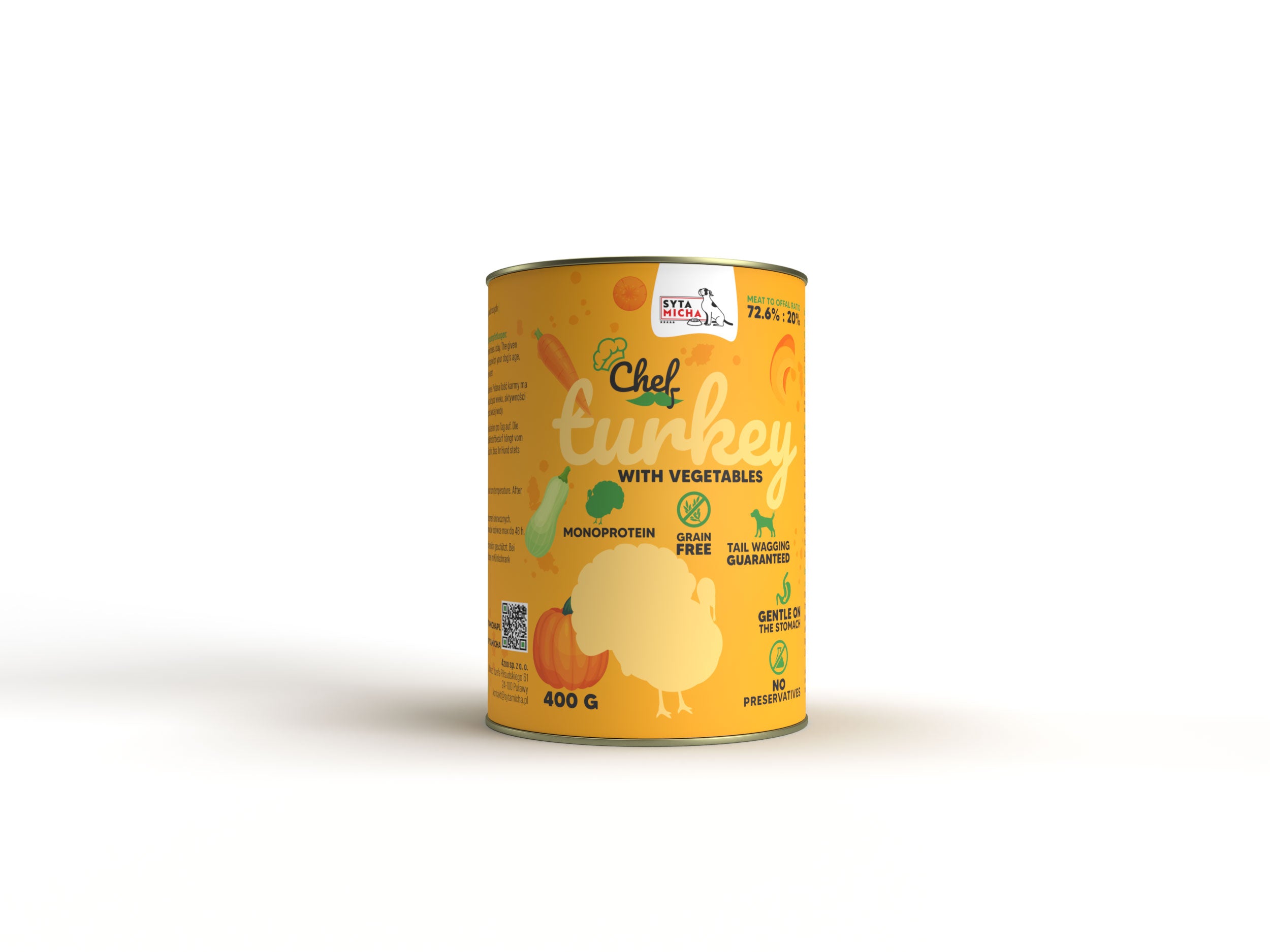
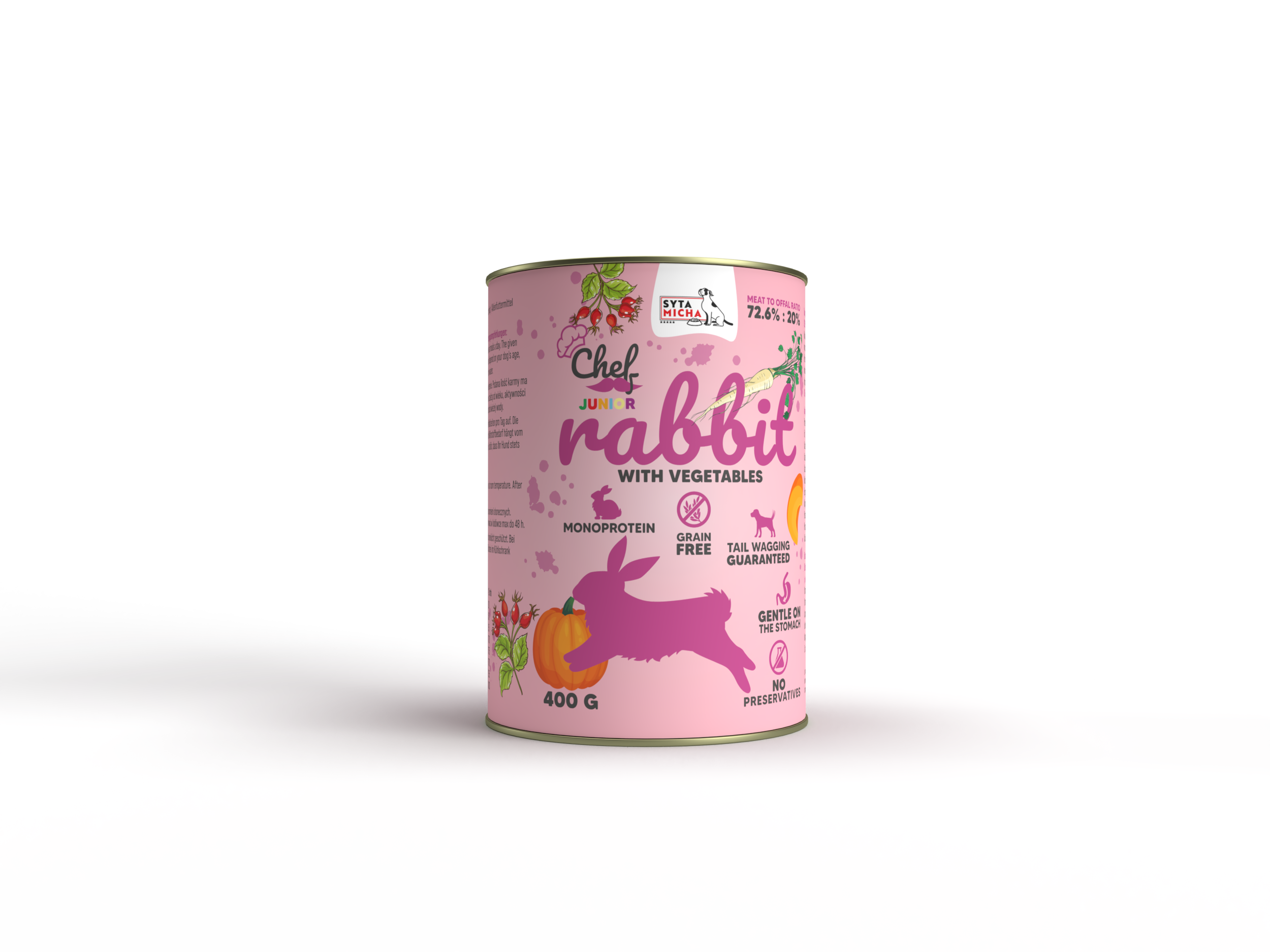
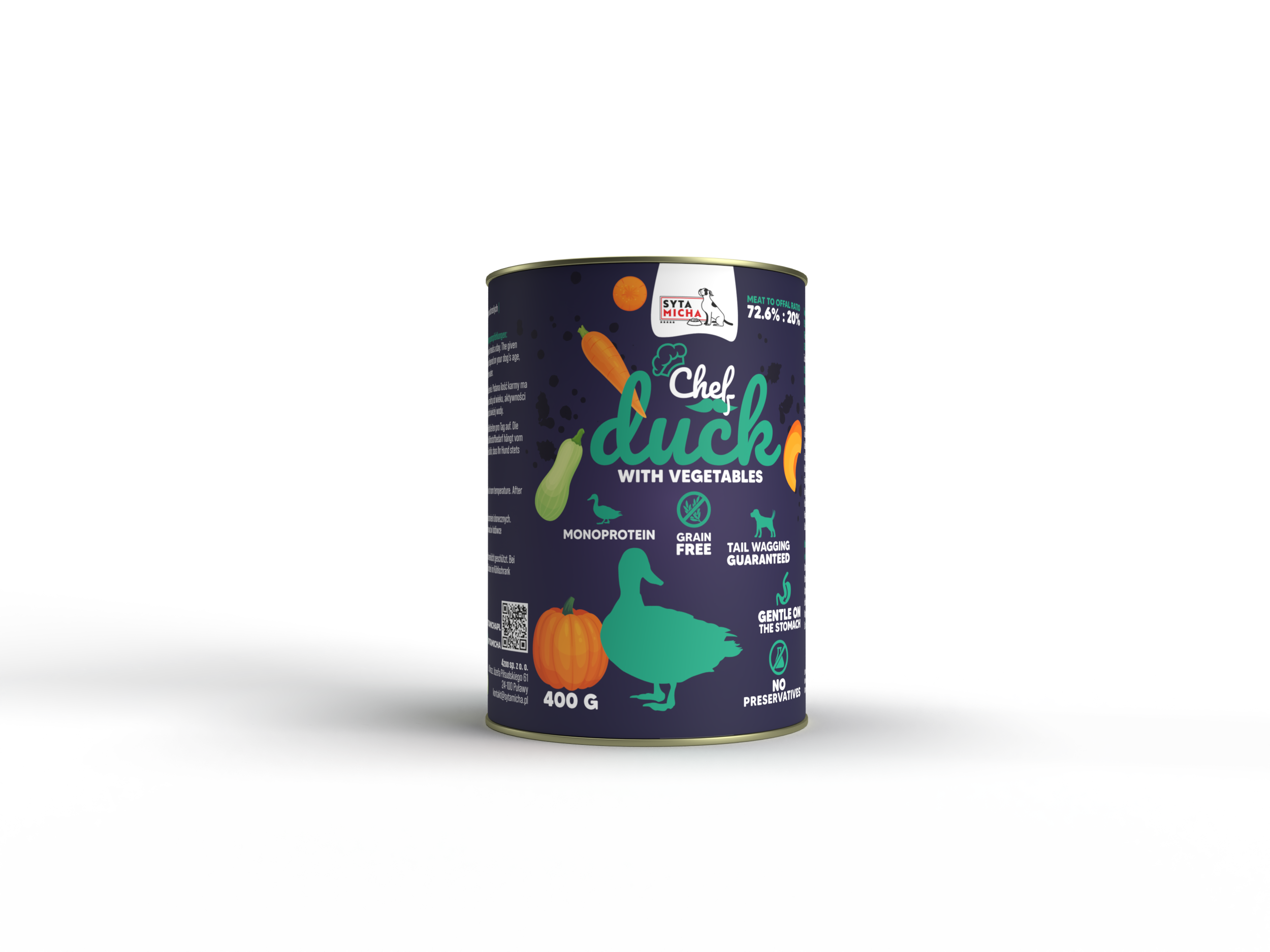
BARF diet for dogs
BARF means feeding a dog raw food: meat, raw meaty bones, offal and plant additions, put together by the owner.
The BARF diet for dogs means feeding raw food. The acronym stands for Bones And Raw Food, and it is also expanded as Biologically Appropriate Raw Food, i.e. raw feeding in line with the biology of the species.
What the BARF diet consists of
The basis is raw muscle meat. Alongside it come raw meaty bones, offal and, in many variants, also vegetables, fruit, oils and mineral additions. The owner works out the proportions or uses ready-made sets, which is why two BARF diets rarely look the same.
What to watch out for
A home-designed diet can easily end up unbalanced, because its value is decided by the proportions, not the ingredients alone. Most often the calcium to phosphorus ratio goes off, as does coverage of trace element and vitamin needs. For this reason a BARF menu is best worked out from calculations rather than by eye.
Treats on a BARF diet
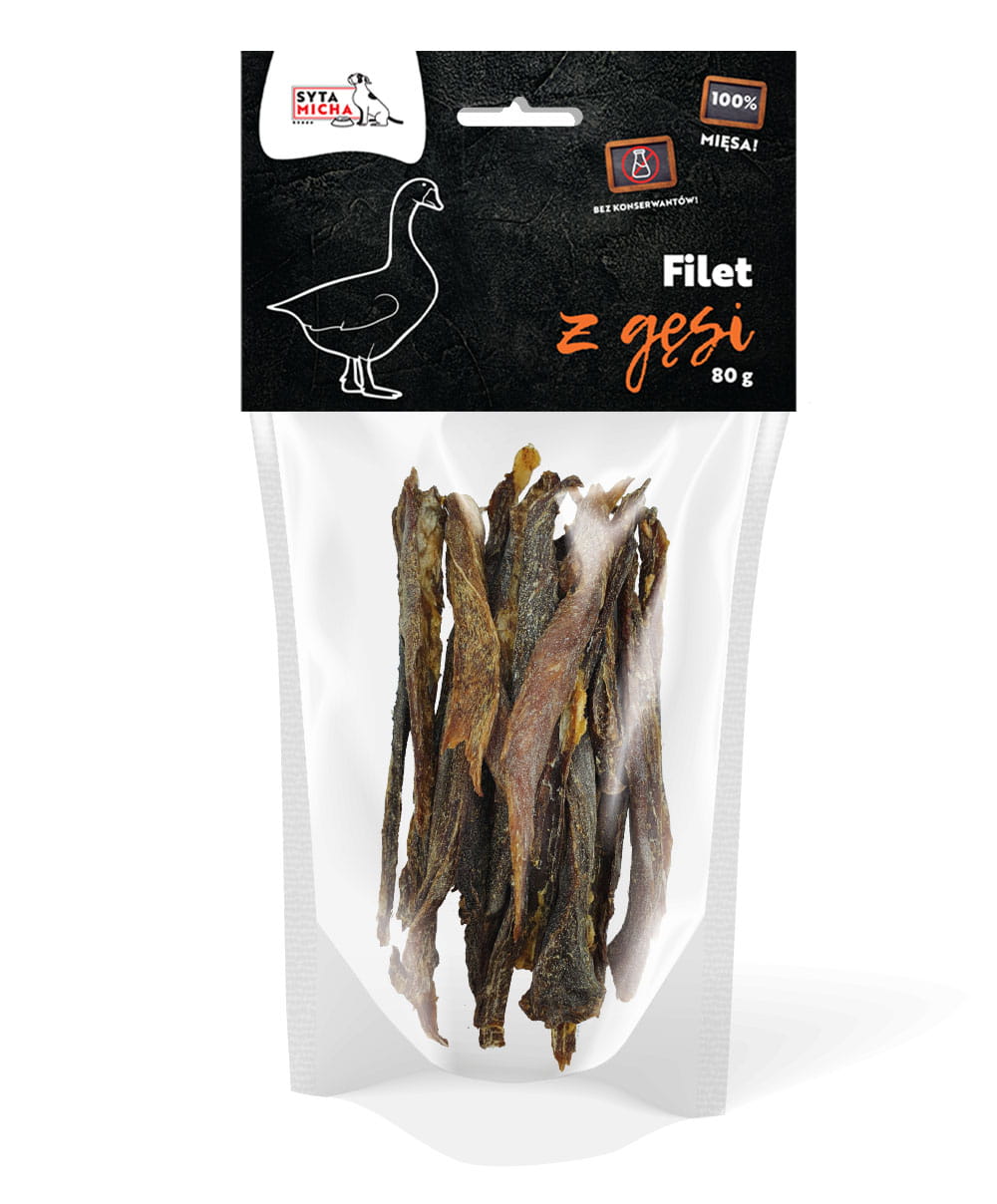
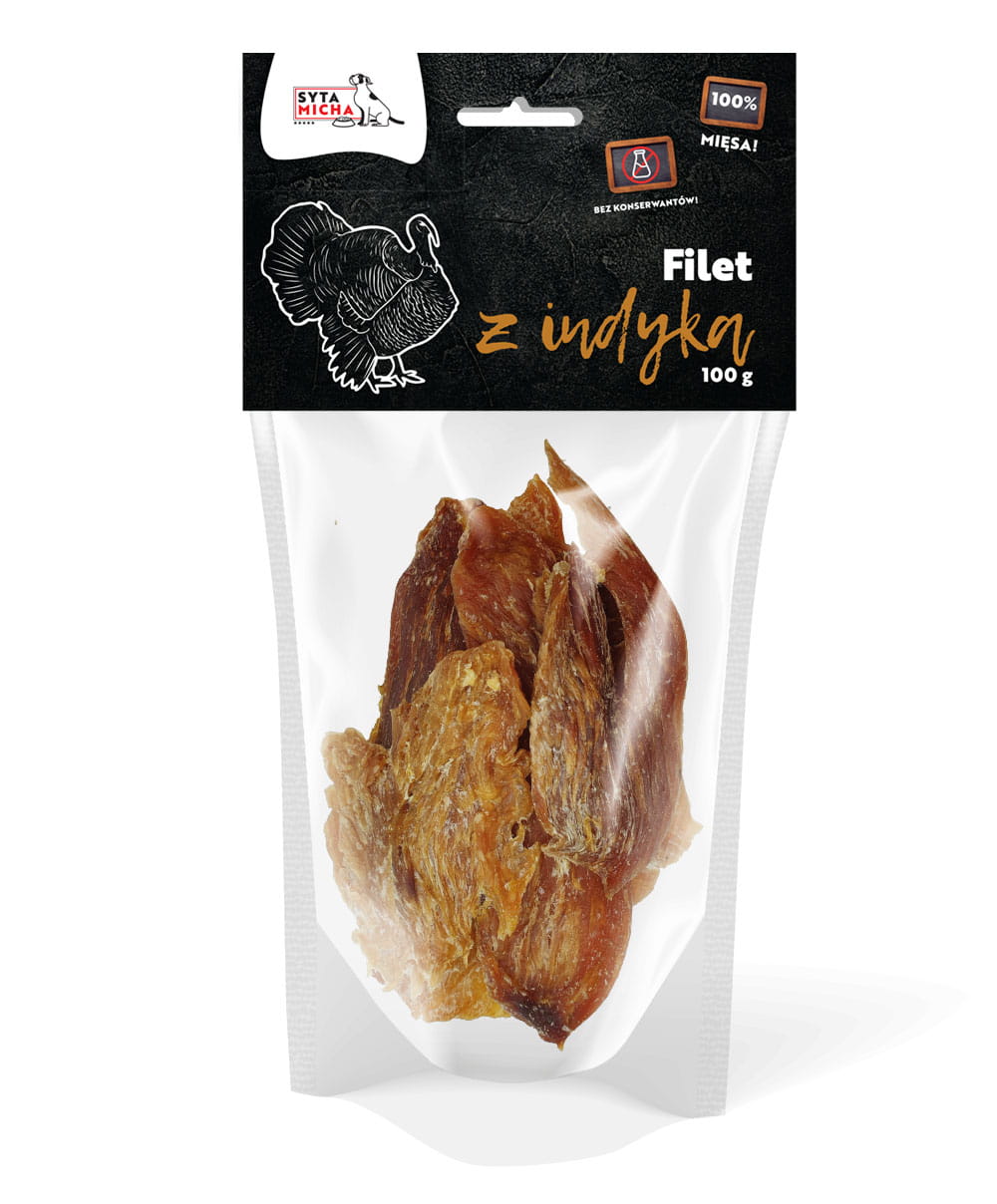
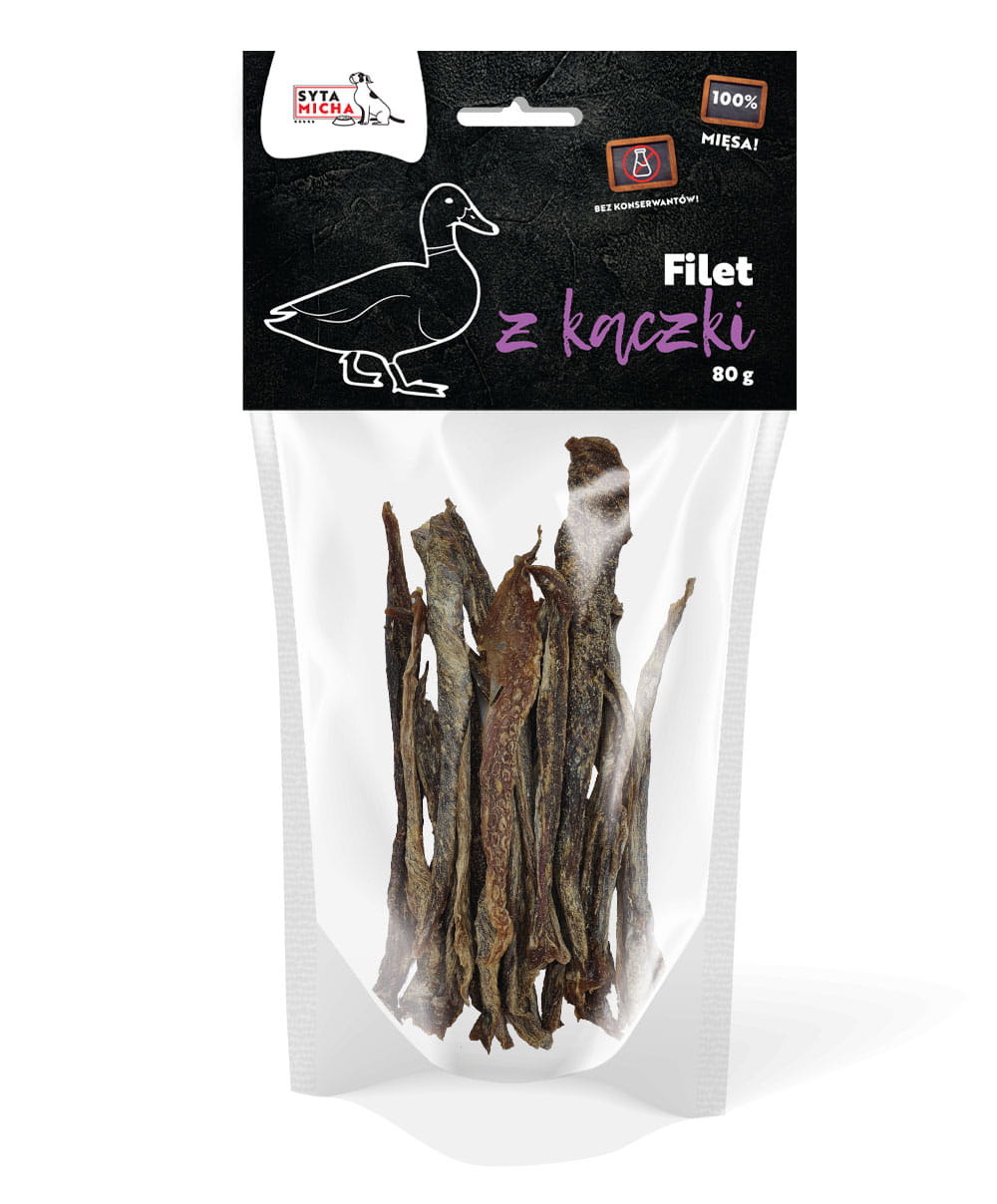
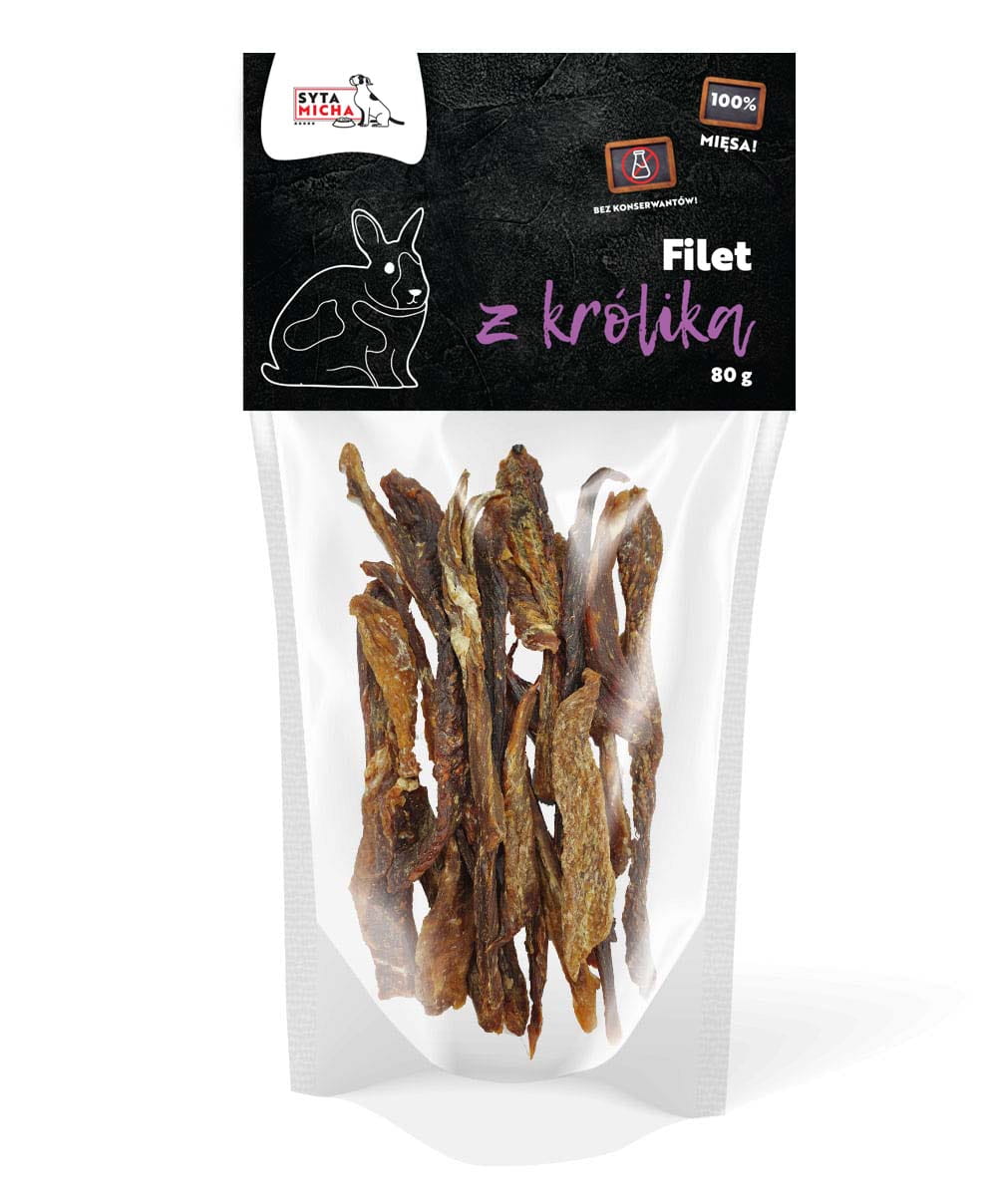
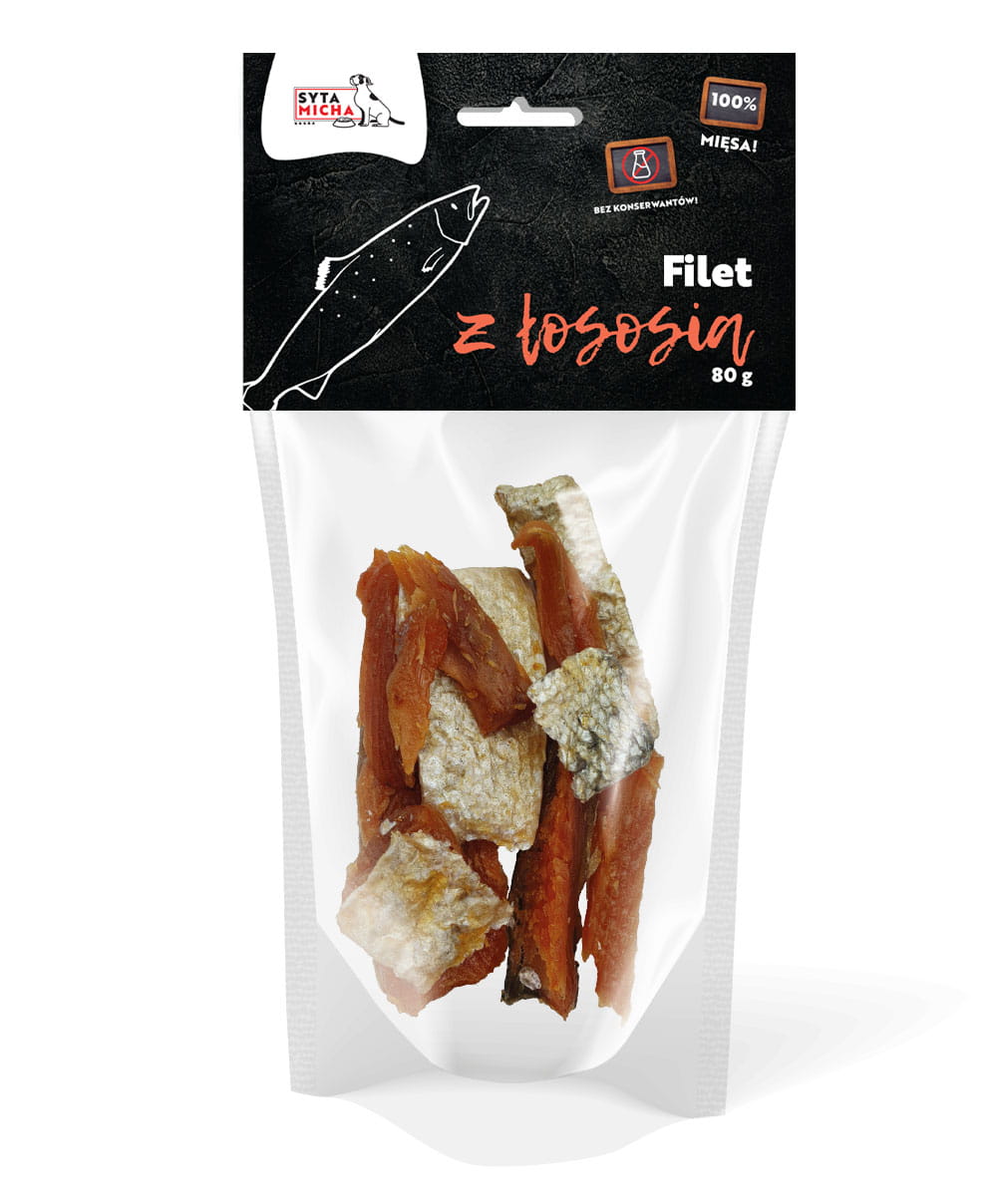
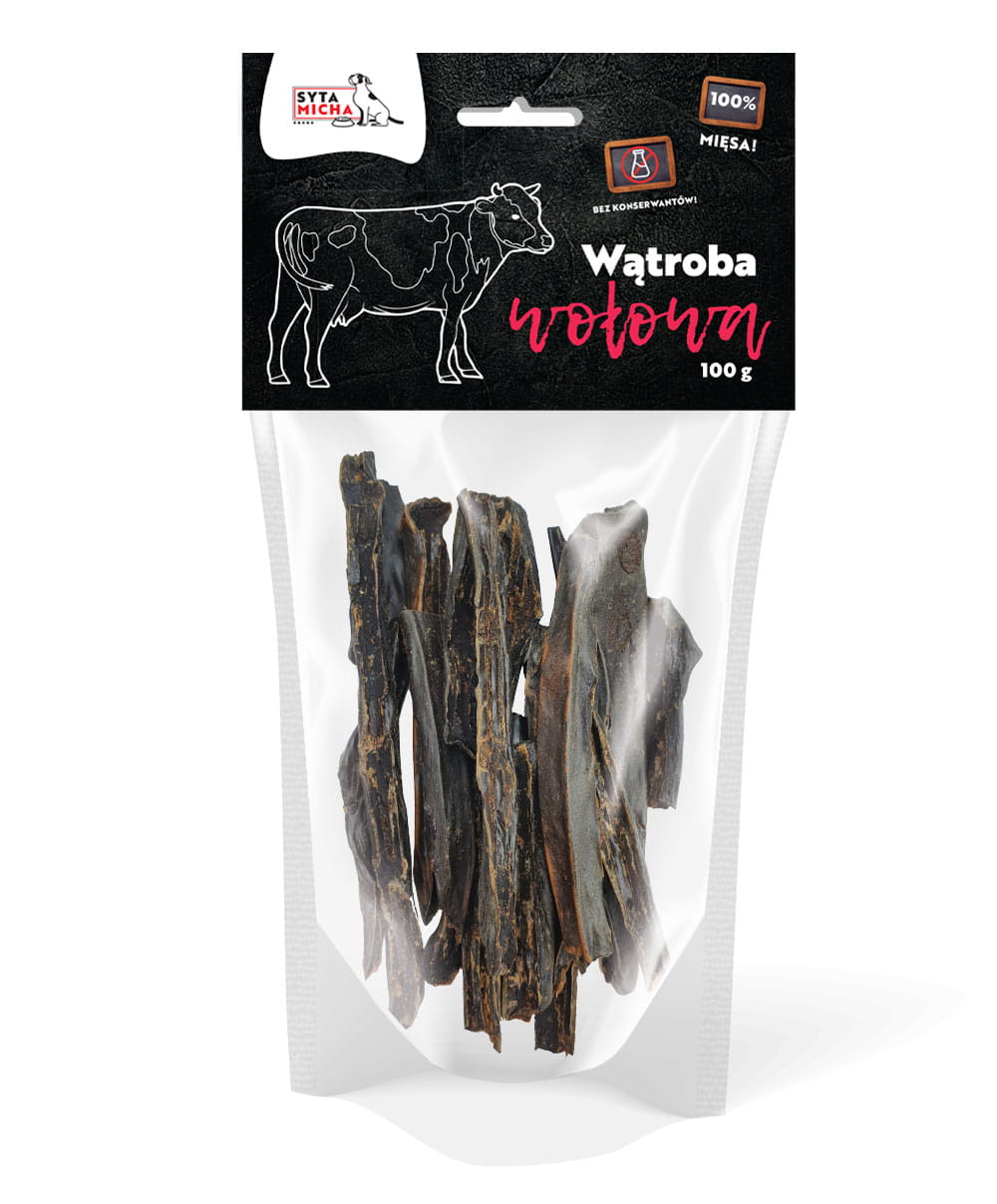
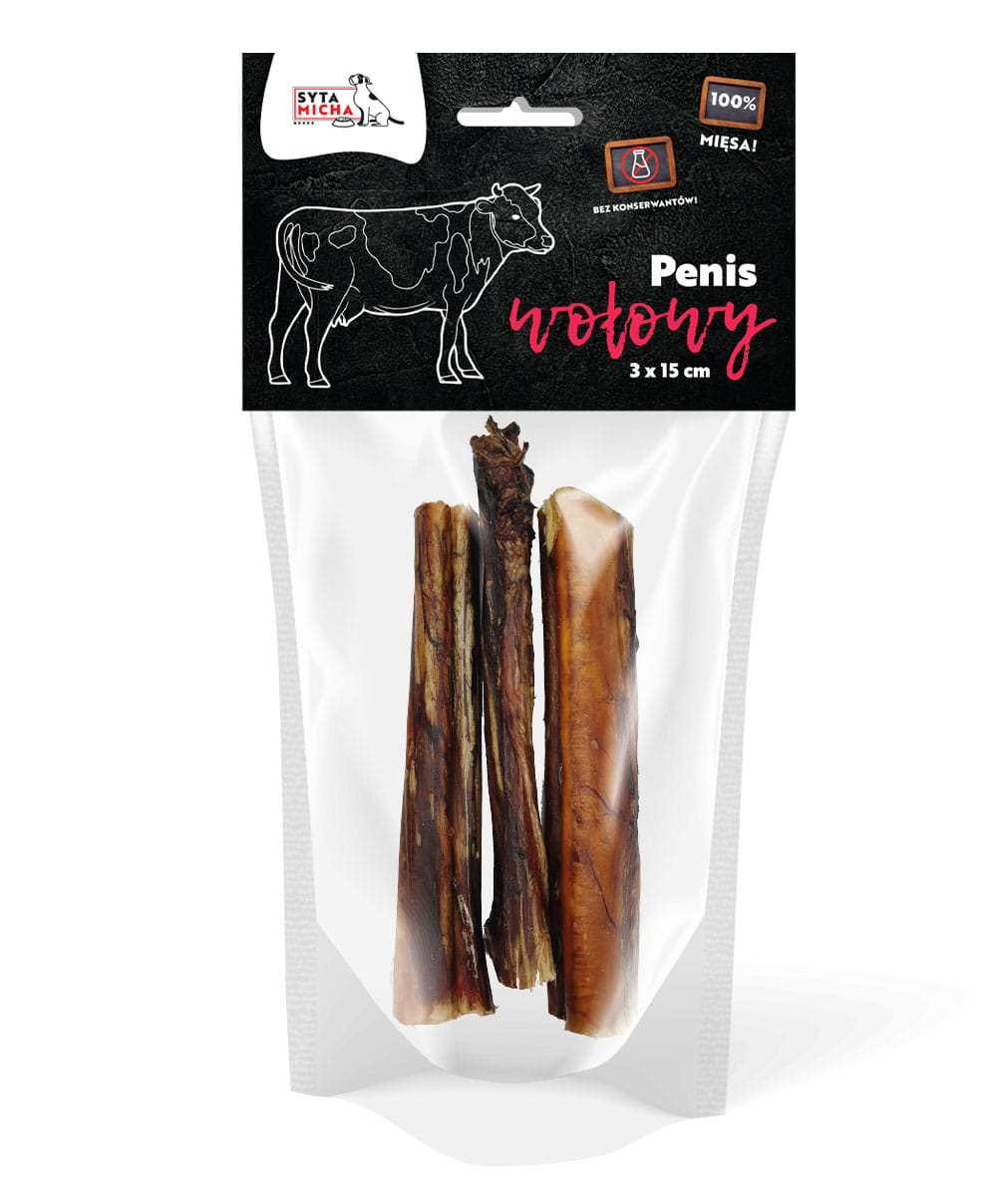
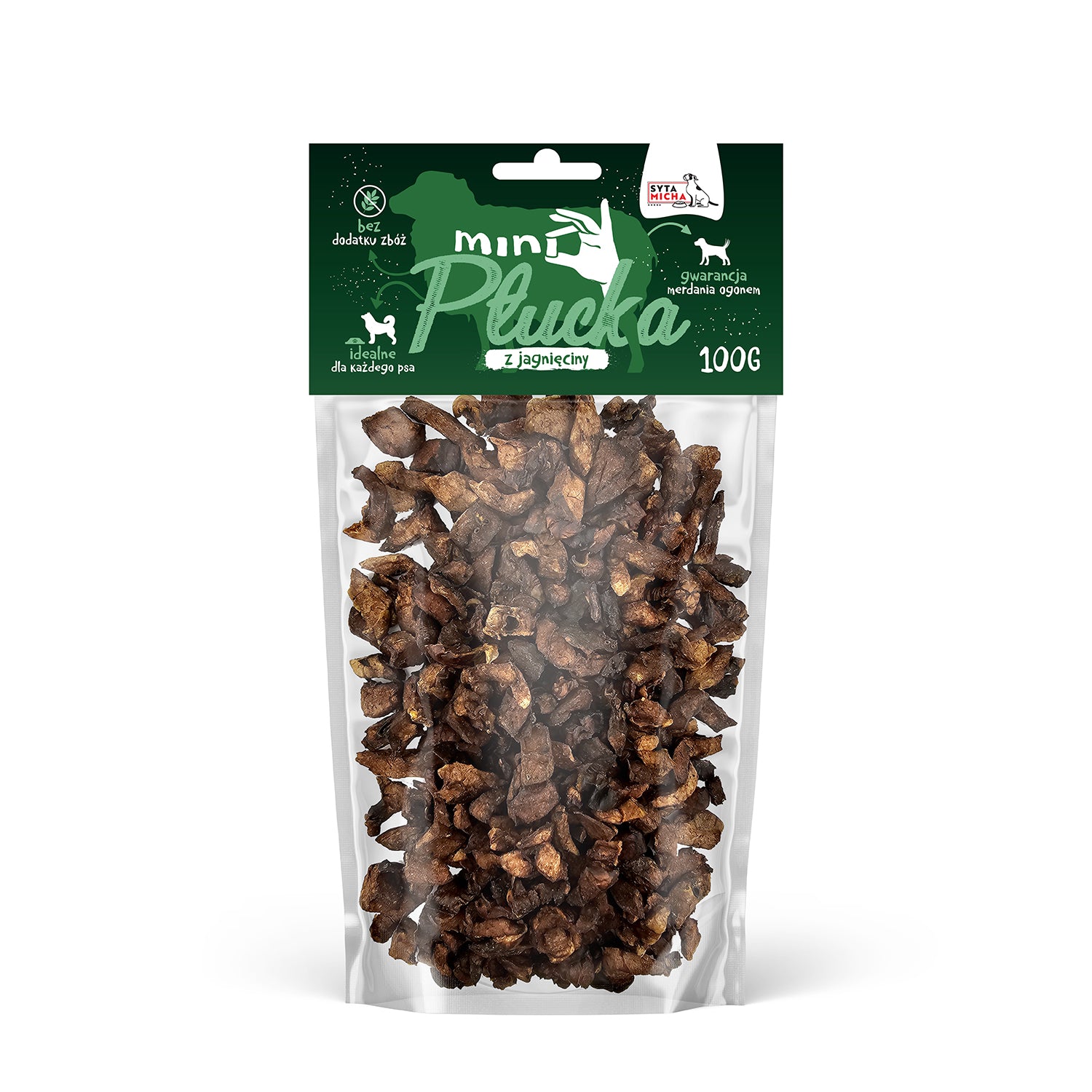
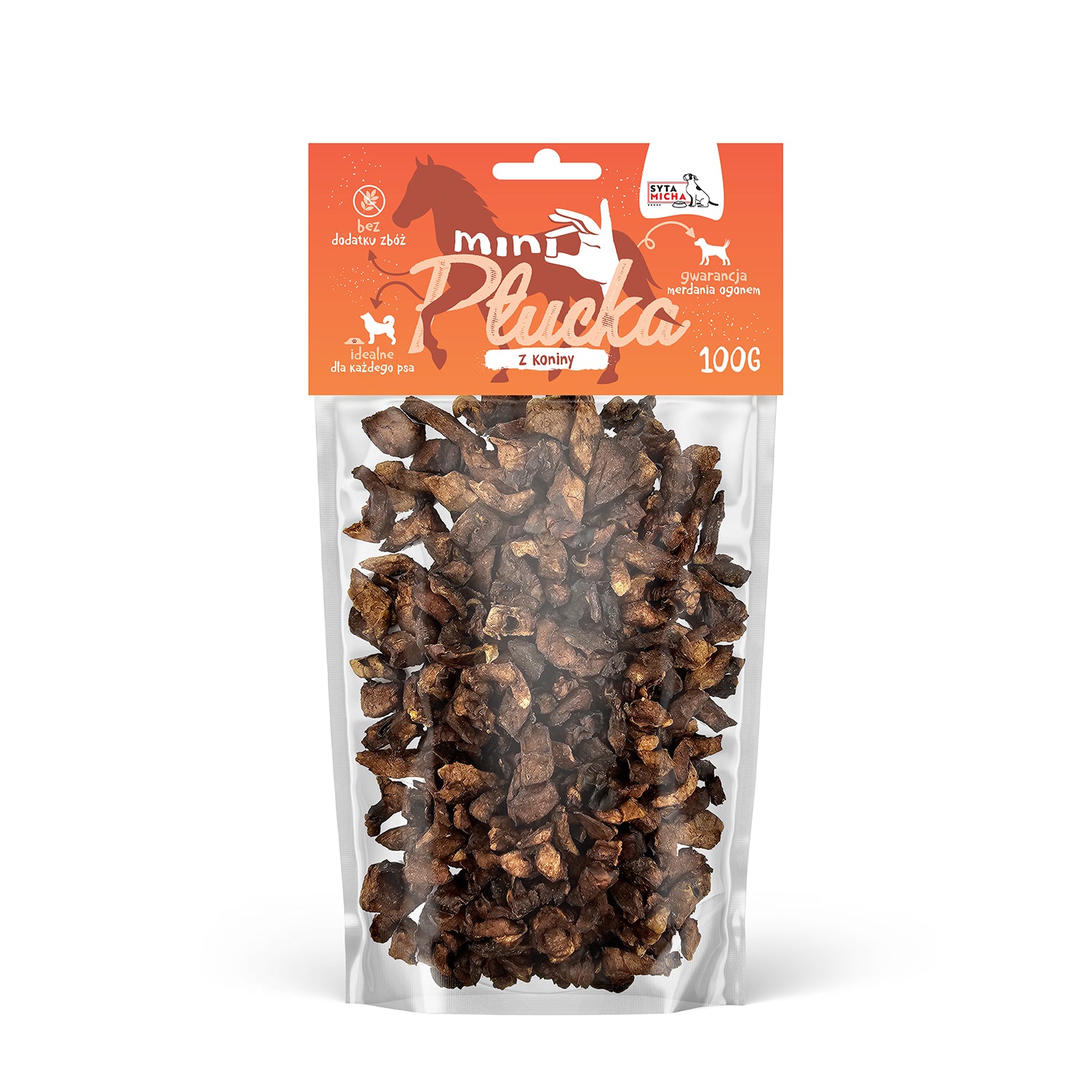
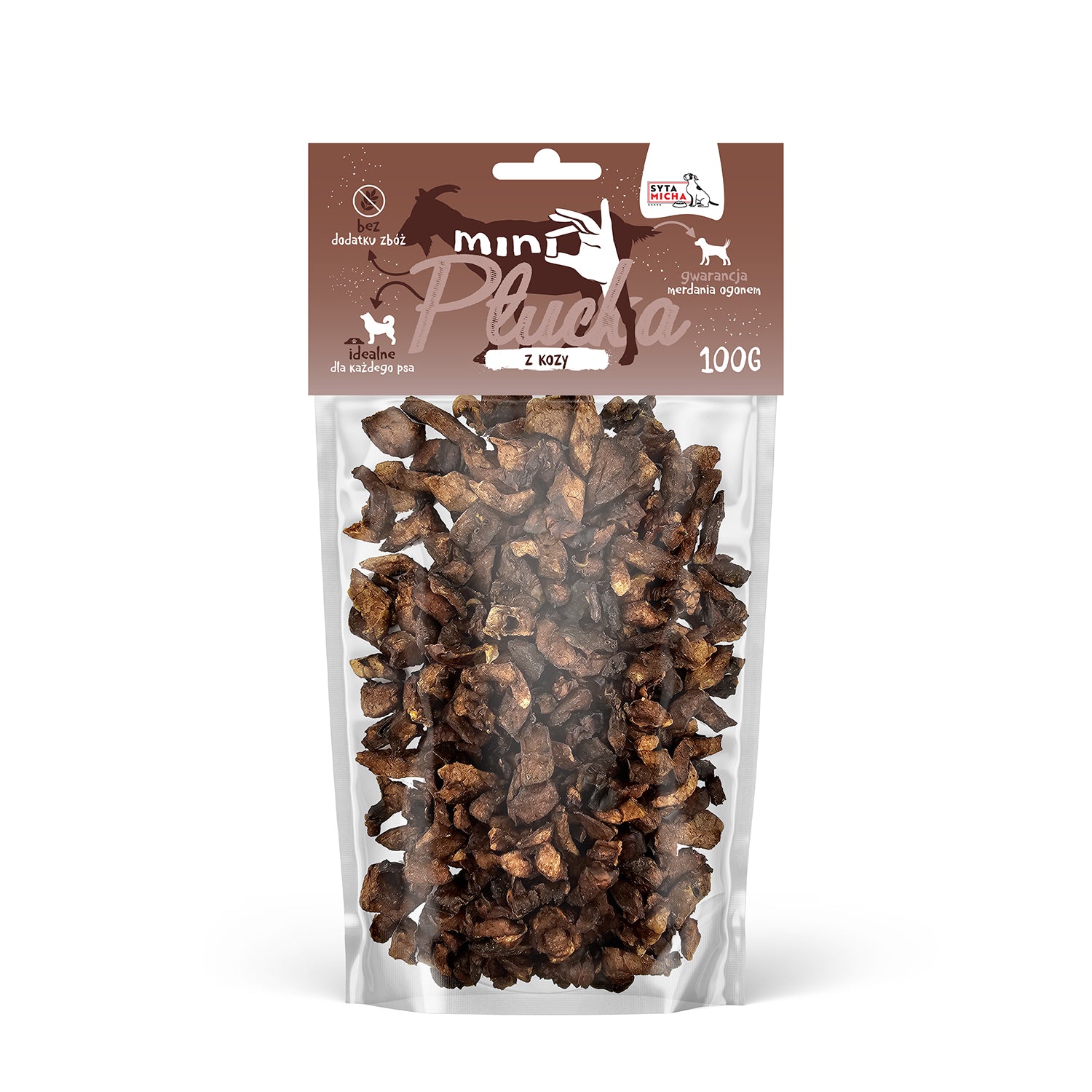
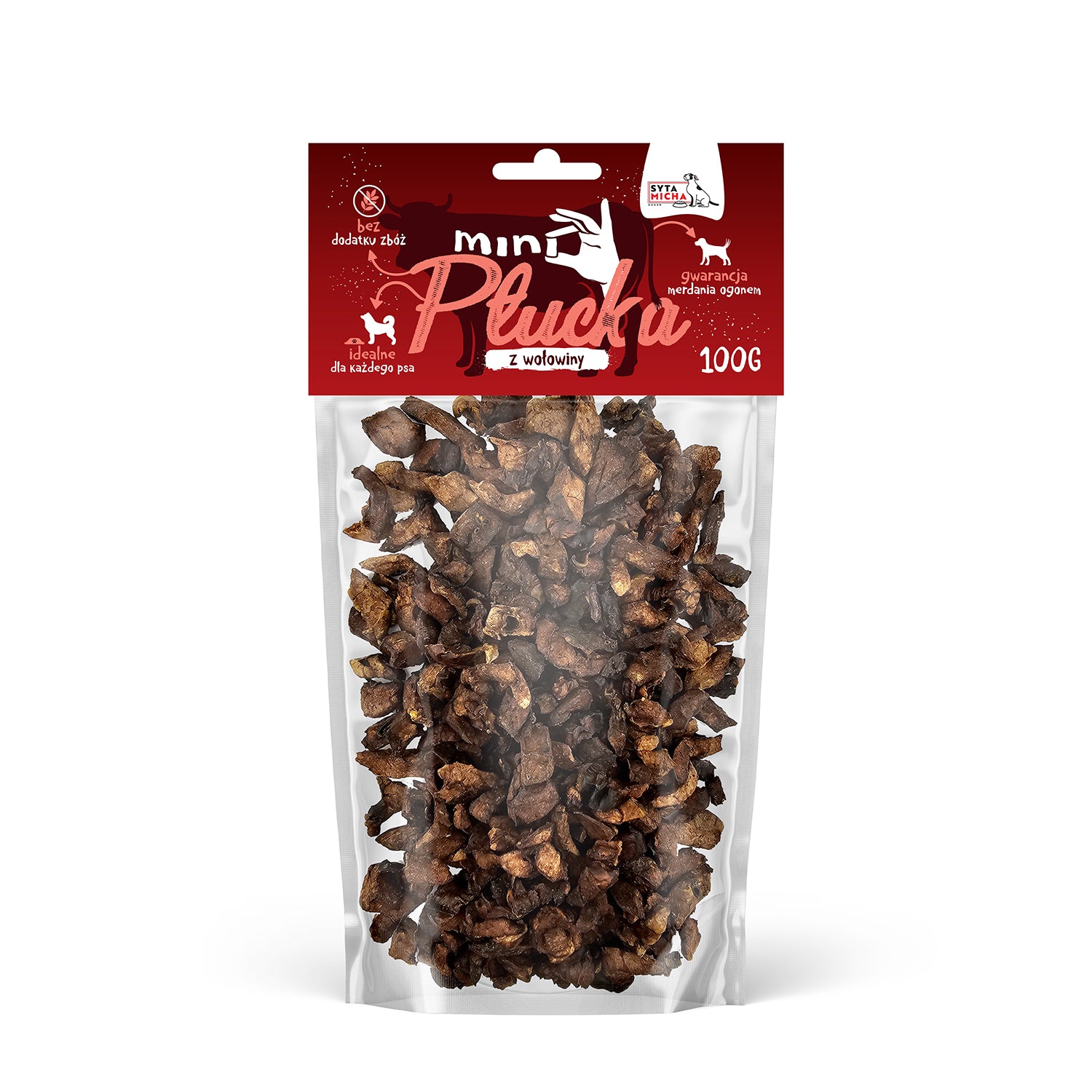
Owners who feed raw usually look for treats with the shortest possible ingredient list, so the reward does not bring anything into the menu that the diet avoids: grains, sugar, preservatives or artificial additives. Single-ingredient dried meat and offal meet this condition, because they contain nothing but the raw material.