


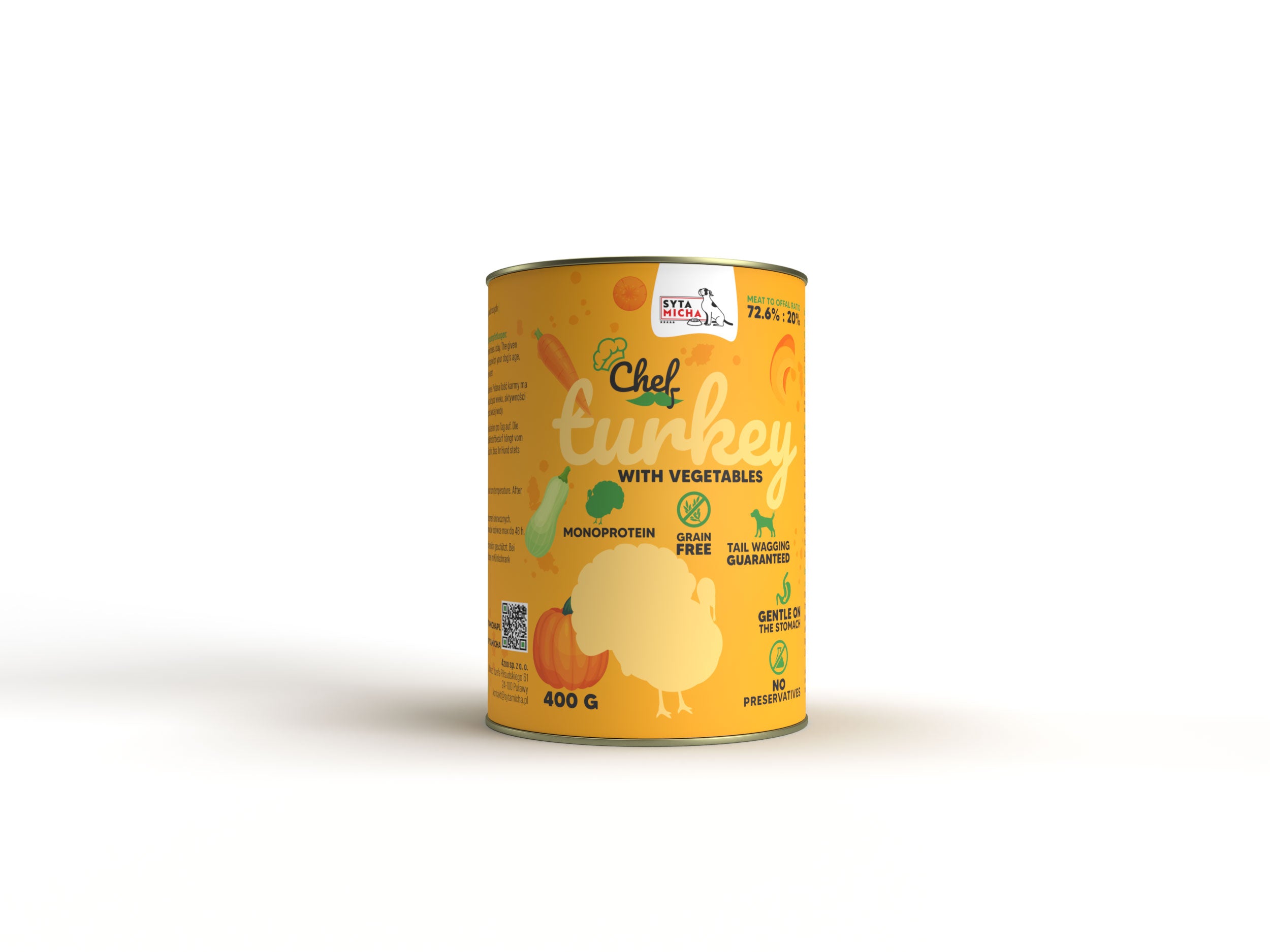
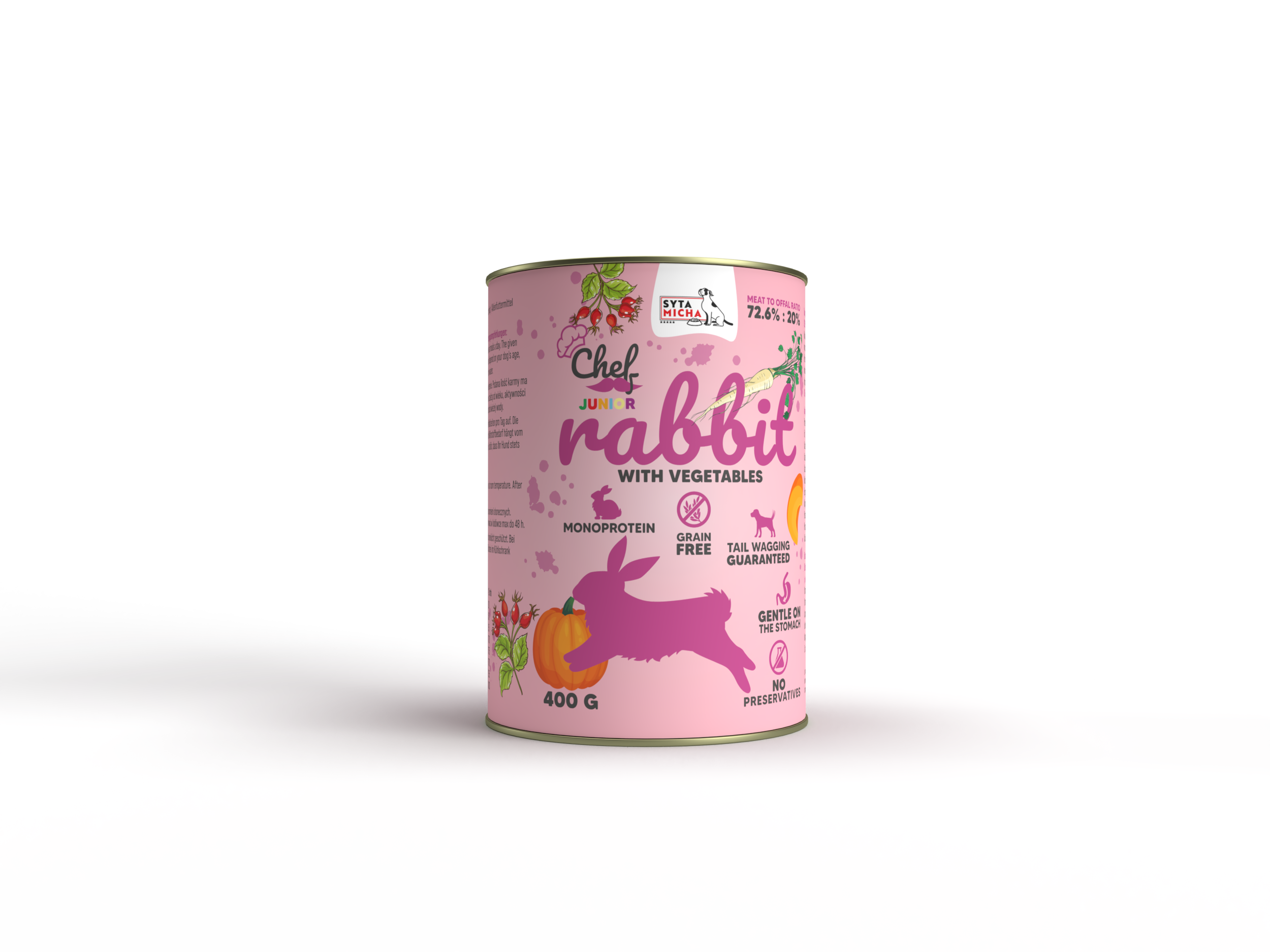
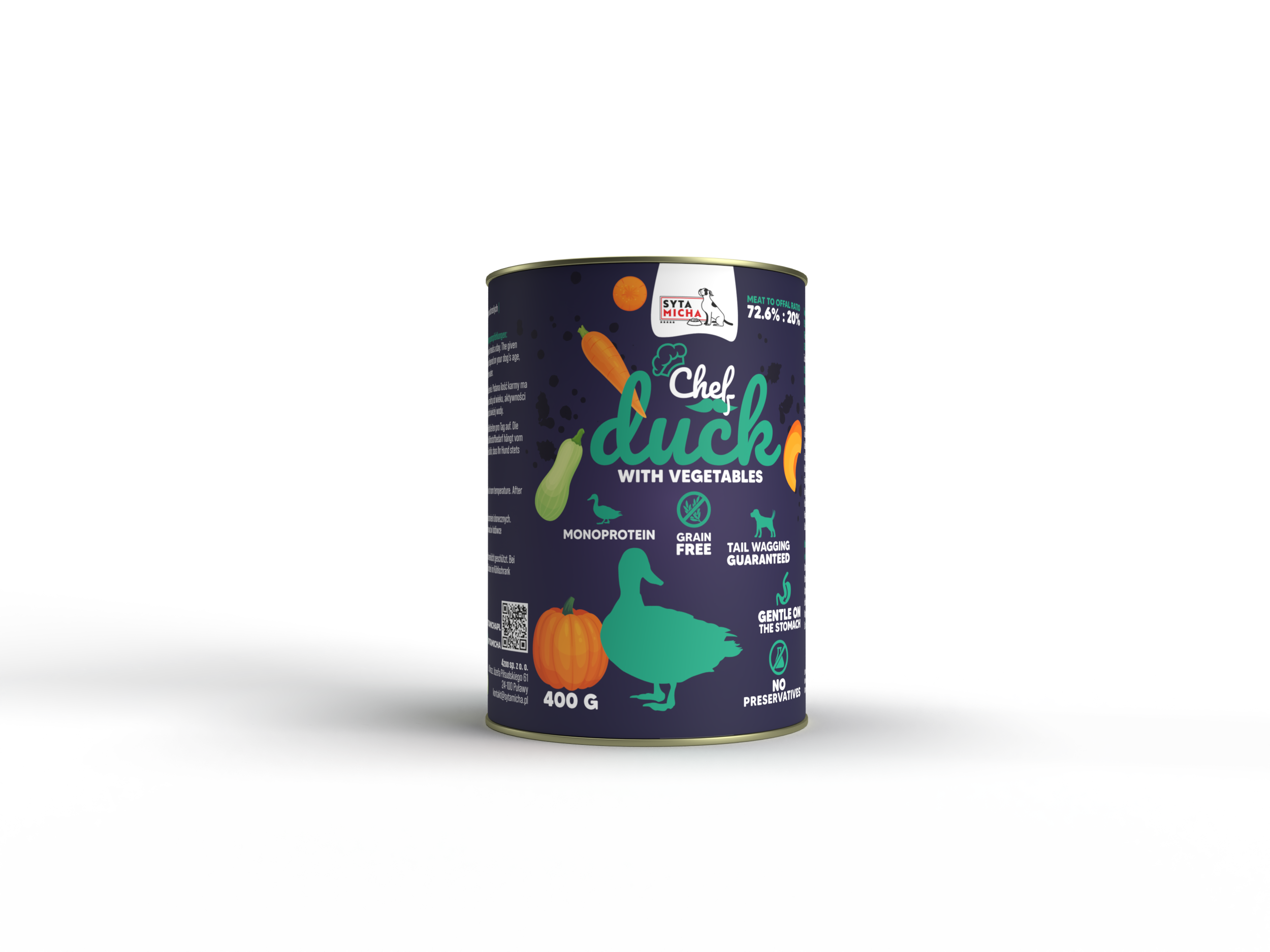
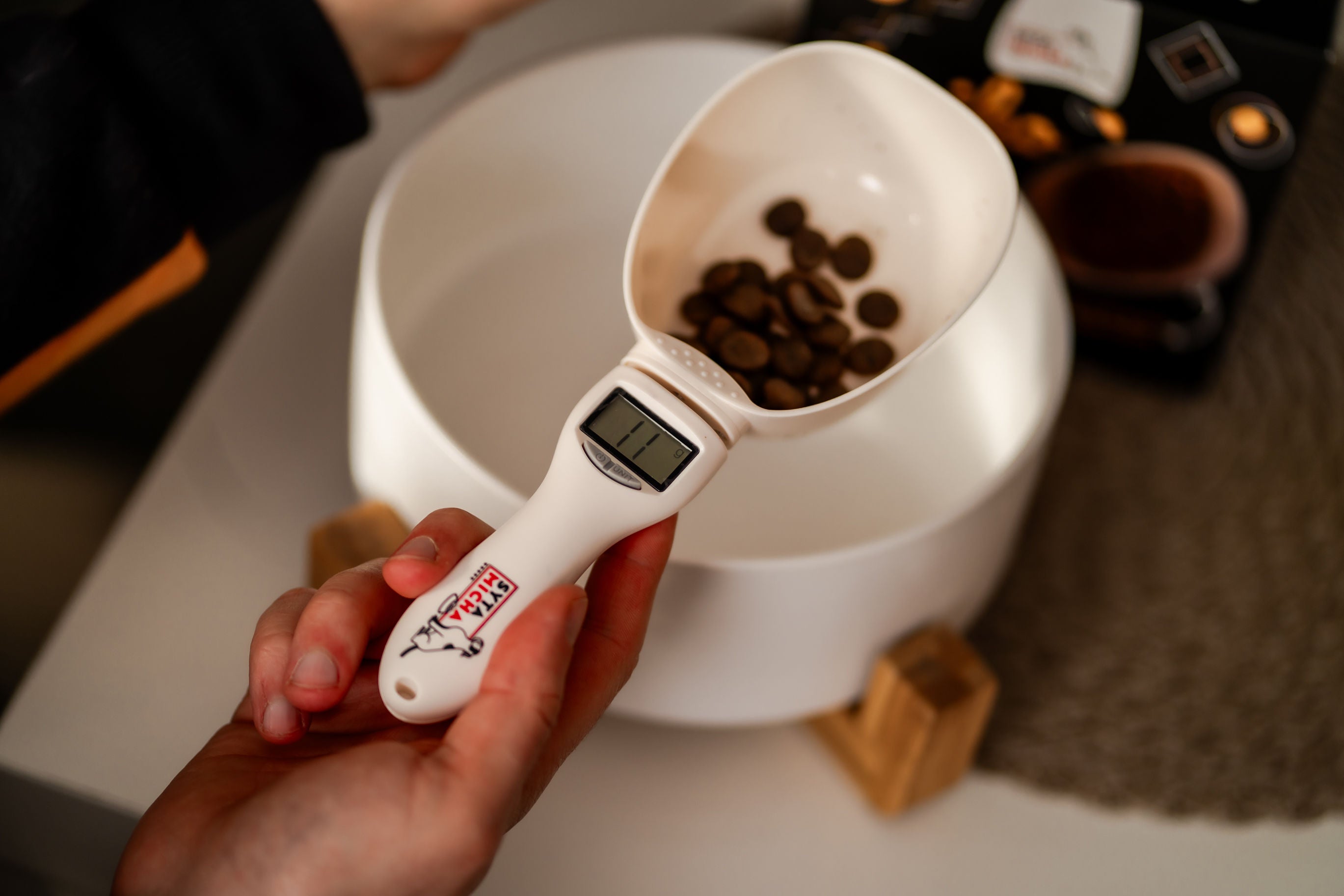
Nutritional deficiencies in dogs most often result from too little food, a poorly balanced diet or illnesses that make absorption harder. They show up as, among other things, a dull coat, dandruff, and a drop in body weight, appetite and energy. What helps is a good complete food, a diet tailored to the dog, supplementation as recommended by a specialist and regular tests.
A lack of nutrients, vitamins and minerals brings many negative effects, and failing to react quickly can leave a lasting mark on your dog’s health and wellbeing.
I will show you how to recognise the signs of nutritional deficiencies in a dog and how to adjust its diet so that it provides all the essential nutrients.
Where nutritional deficiencies in dogs come from
- Too little food. A dog may be getting too few calories over the day, which leads to weight loss and general weakness.
- Poorly balanced food. Inaccurately matching the composition of the diet to the dog’s needs can lead to a lack of important nutrients.
- Accompanying illnesses. Digestive diseases can make it harder to absorb nutrients.
Signs of nutritional deficiencies and what you can do
Below I have gathered the most common signals, their possible causes and what to do about them. Changes to the diet and supplementation are best agreed with a specialist.
| Sign | Possible cause | What to do |
|---|---|---|
| Dull or brittle coat | Deficiency of protein, omega-3 and omega-6 fatty acids, vitamins A and E | More protein in the diet, added fish or linseed oil |
| Dandruff | Deficiency of fatty acids, zinc, vitamins A and E | Oils rich in fatty acids, e.g. evening primrose oil or fish oil |
| Weight loss | Deficiency of calories, protein and B vitamins | A higher-calorie diet, good protein sources, B vitamins |
| Loss of appetite | Deficiency of zinc, B vitamins or a health problem | A visit to the vet, zinc and B vitamins |
| Bone and joint problems | Deficiency of calcium, phosphorus, vitamin D | Calcium, sources of vitamin D, e.g. cod liver oil |
| Digestive problems | Deficiency of fibre, digestive enzymes | Fibre in the diet (e.g. pumpkin), digestive enzymes |
| Drop in energy and activity | Deficiency of calories, B vitamins, iron | A higher-calorie diet, B vitamins and iron |
Loss of appetite can mean a health problem, so in this case start with a visit to the vet.
How to give your dog a well-balanced diet
- Read labels. Choose a good-quality complete food and avoid ingredients that can trigger allergies, such as maize, wheat, hen’s egg white, chicken or soya.
- Tailor the diet. The daily food ration should match your dog’s age, activity, weight and state of health.
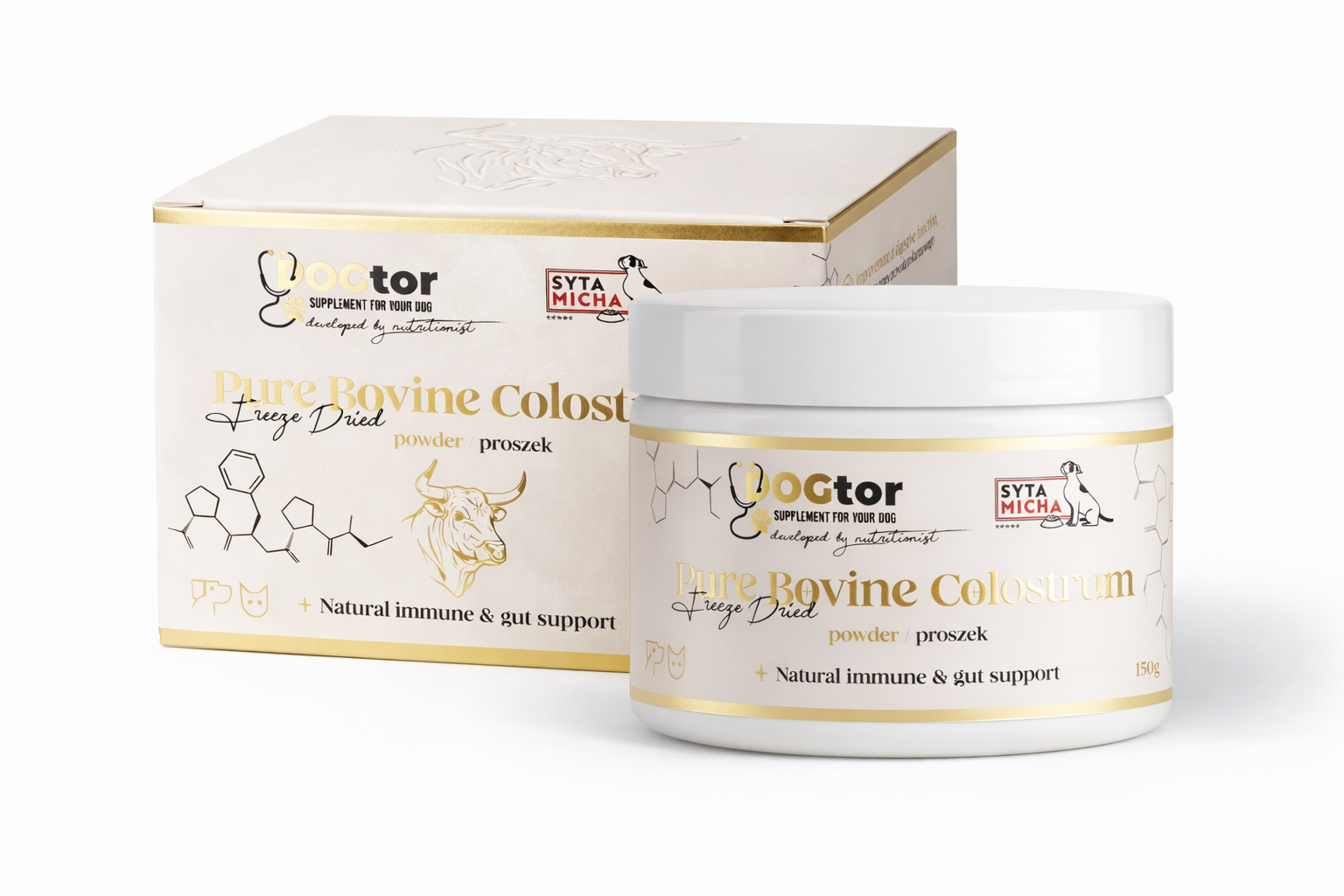
- Supplement wisely. If needed, consider supplementation based on the advice of an animal nutritionist or vet.
- Test regularly. Regular tests let you monitor your dog’s health and detect any deficiencies early.
Observation is the foundation
Knowing the signs of deficiencies lets you react quickly and adjust your dog’s diet. A healthy, balanced diet is the foundation of your dog’s health and a long life, and regular tests and attention to food quality help ensure its wellbeing for many years.

Products mentioned
 You collect HAU DOLCE points for your purchases

Frequently asked questions
What are the signs of nutritional deficiencies in a dog?
Most often a dull or brittle coat, dandruff, weight loss, loss of appetite, bone and joint problems, digestive problems and a drop in energy and activity.
Where do deficiencies in a dog’s diet come from?
From an insufficient amount of food, a diet composition poorly balanced against the dog’s needs, or digestive diseases that make it harder to absorb nutrients.
Can I supplement my dog myself if I suspect a deficiency?
Supplementation is worth considering based on the advice of an animal nutritionist or vet. With loss of appetite, the first step should be a visit to the vet.
How can I prevent nutritional deficiencies in my dog?
Choose a good complete food and read labels, match the ration to your dog’s age, activity, weight and health, and have regular tests done, which allow deficiencies to be detected early.