
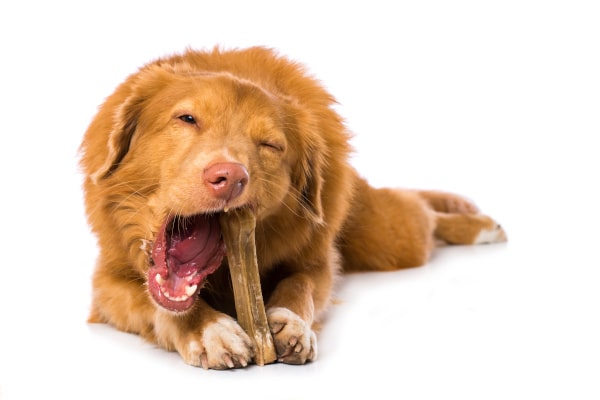
Chewing and gnawing are natural canine behaviours that help release tension and stress, and for puppies they are a way of exploring the world and a relief during teething. Destroying objects often comes from boredom, stress or a lack of chances to chew, while excessive gnawing or eating inedible things is worth discussing with a behaviourist or vet. Chews are a good addition to the day, but they do not replace walks and training.
Behaviourists often come across the problem of dogs chewing unsuitable objects. With a puppy we are ready for disappearing slippers and wrecked beds, but owners tend to play down the natural need to chew in adult dogs.
Dogs gnaw, mouth, suckle and chew. These activities are a permanent part of their behavioural repertoire; they give them joy and are a natural way to release tension.
Why a dog has to chew
In a behaviourist’s work, we pay a lot of attention to meeting a dog’s hierarchy of needs. The ethogram, the set of behaviours of a free-living dog, shows that the average adult dog spends around an hour a day gnawing and chewing.
Puppies use their teeth to explore their surroundings. A new object is not only sniffed but also tasted and tested for durability. In puppies the need to chew is much greater, because itchy gums and the pain of teething drive them to look for relief. It is up to us whether hands and furniture fall ‘victim to the little piranha’, or well-chosen toys and safe, natural chews.
Chewing helps dogs release tension and stress. It increases endorphins and serotonin, the so-called happiness hormones, which calm an aroused body and reduce anxiety. So mouthing and chewing give a dog pleasure and have a soothing effect on it.
Chewing out of boredom and for relaxation

Dogs often start chewing when nothing engaging is happening around them. It is a kind of activity for times of boredom. Gnawing:
- helps relax the muscles,
- helps remove food residue from the teeth and gums,
- is mental stimulation, just as important as physical activity.
Interestingly, for some dogs gnawing is a social behaviour, so they are keener to do it when their owners are around.
Gnawing through a behaviourist’s eyes
Chews work brilliantly when teaching calm behaviour during visits from guests, in crate training and when teaching a dog to stay home alone. Part of the therapy for problem dogs is often increasing the amount of chewing, gnawing and licking edible items. More calming behaviours combined with giving up arousing games (e.g. fetch) is one of the standard recommendations in therapy for reactive dogs.
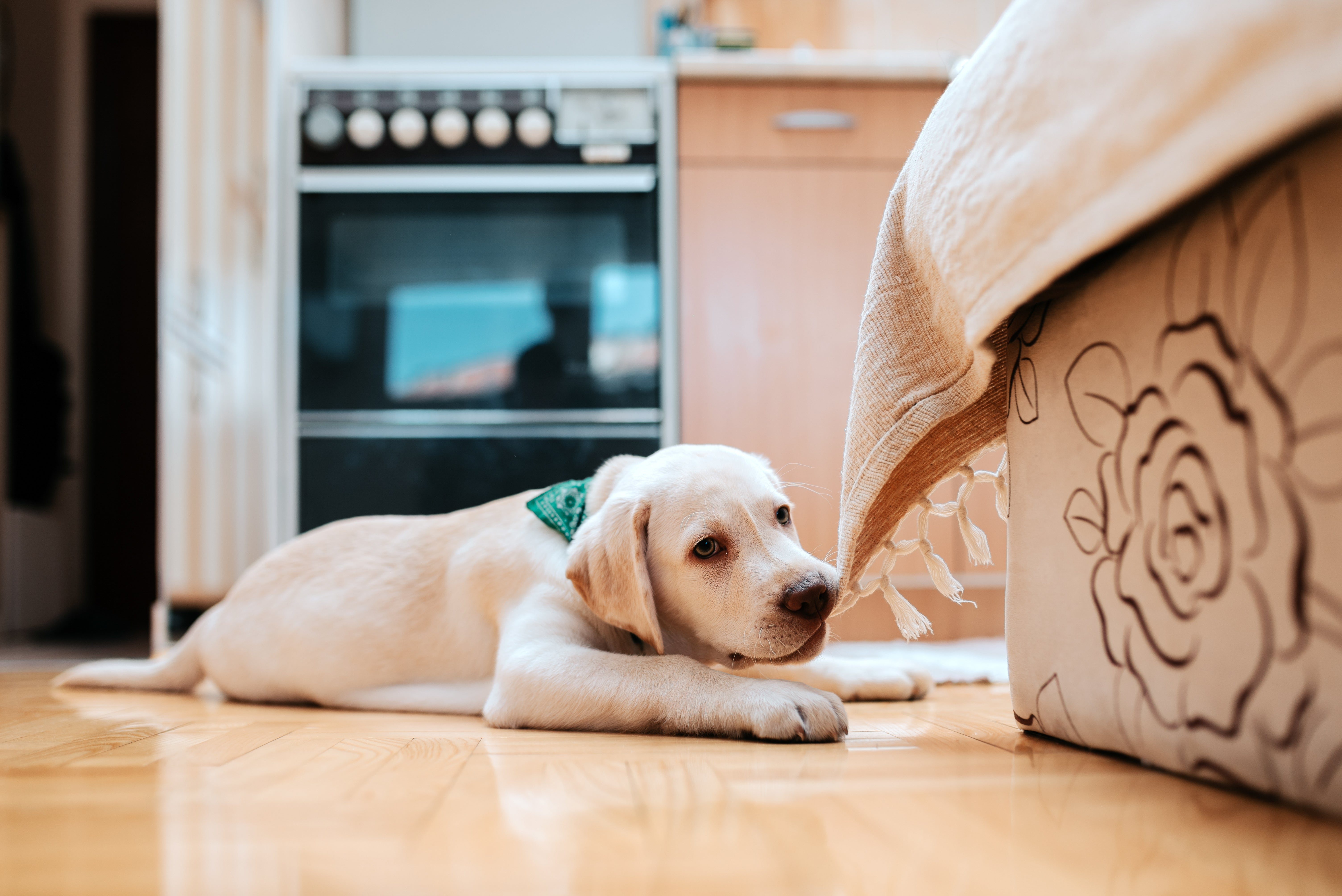
In my work I meet dogs that steal and chew objects not meant for it. The reasons are often:
- no opportunity to meet the need to chew,
- boredom,
- wanting to get attention.
For a dog, stealing and eating a valuable object is an almost sure way to get its owner’s full attention.
An excessive need to chew - where it comes from
Sometimes an increased need to chew results from changes in the surroundings. A house move, a visit to the vet or a journey can cause stress, which the dog then works off. A lack of activity, tension and prolonged stress are the most common causes of excessive chewing.
Some dogs destroy household items when they struggle with our absence. Treating separation problems is one of the hardest therapies, and nervously chewing random objects is dangerous: a dog can get an electric shock from chewing cables, choke on a small object or injure its mouth on metal parts.
Hungry dogs and dogs on a diet may destroy things while searching for food. Kitchen cupboards and bins are then frequent victims.
When to see a vet or behaviourist about chewing
When looking for the causes of destructive behaviour, we always consider the dog’s health. Many illnesses increase appetite, and some even lead dogs to eat inedible things (so-called pica). In such a case, the first port of call is the vet. It is worth consulting a behaviourist about:
- excessive chewing of objects,
- going after inedible things,
- destroying the surroundings while the household is out.
How to give your dog chews wisely
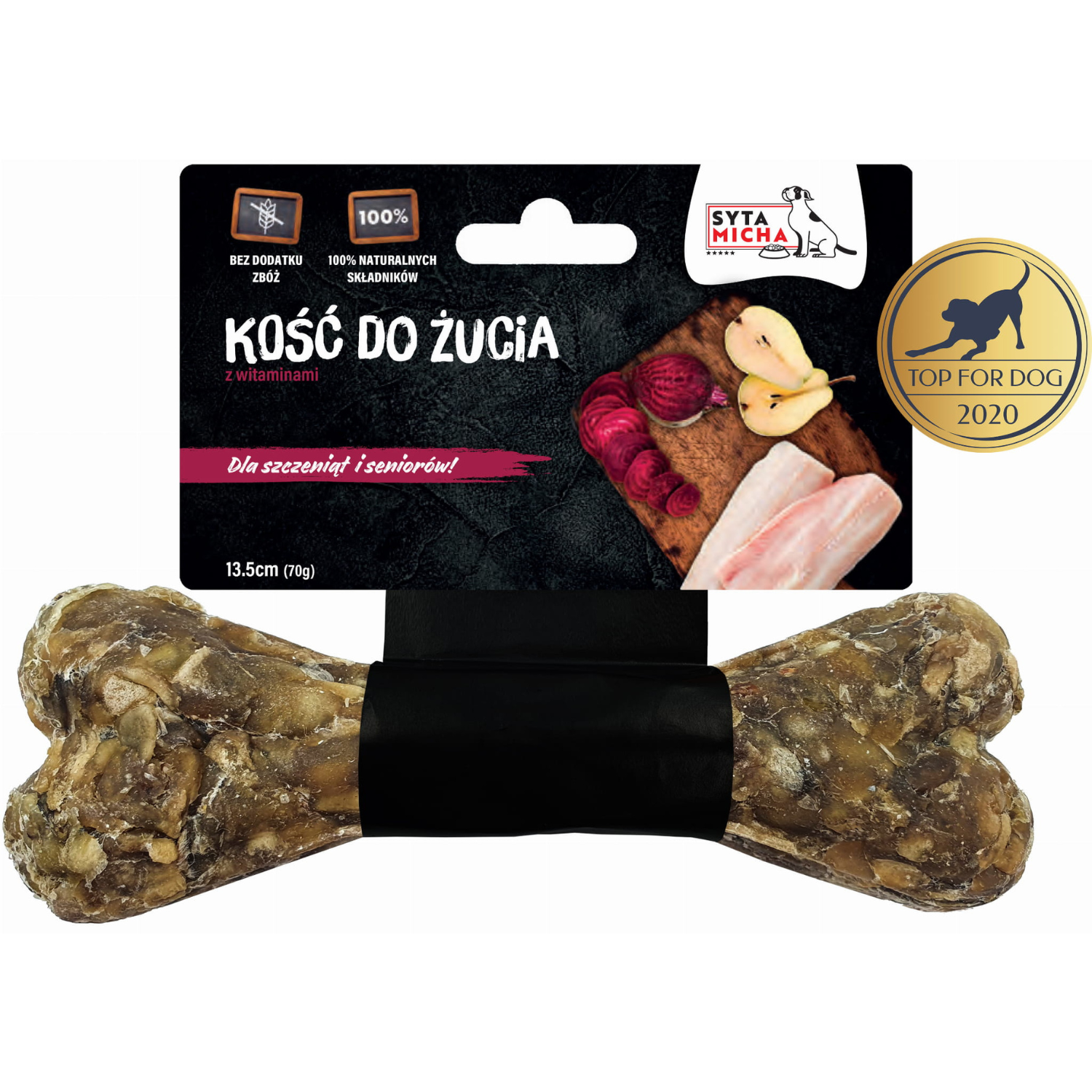
It is worth adding simple activities to the daily routine, such as chewing natural chews in the form of chew bones, crunching a carrot or mouthing a Kong. You will make your dog happy and meet its species-specific needs. Remember that overfeeding does a dog no good, so when you give chew bones as a snack, reduce the dinner portion accordingly.

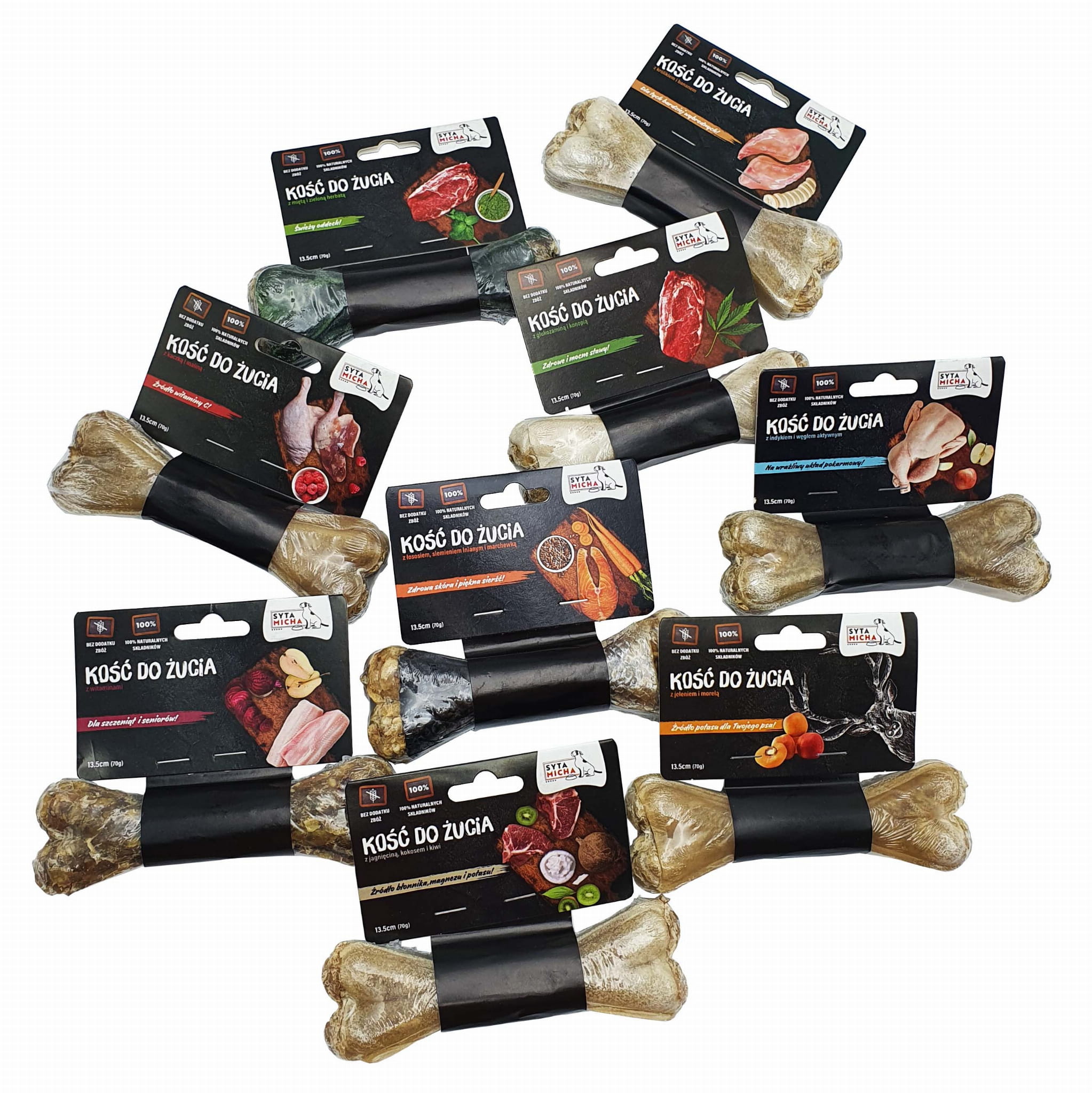
When choosing a chew, pay attention to:
- the composition,
- the size your dog prefers,
- a hardness that suits its preferences.
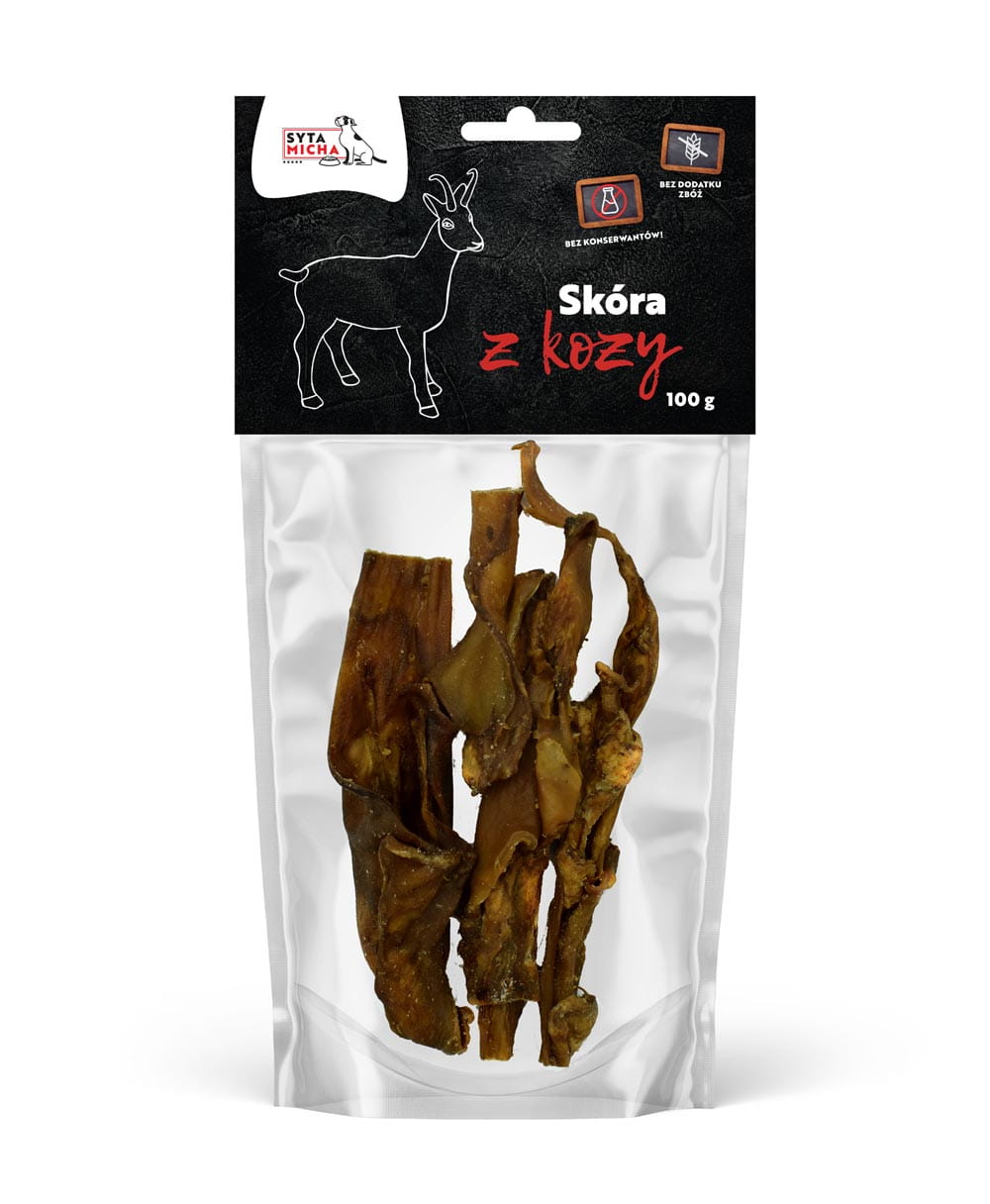 Dried goat skin for dogs 100g · 9,90 zł
 Chew Hot Dog for dogs - horse with blackberries in cod skin 2 pcs · 15,90 zł
P.S. Chews should not replace other activities, such as the right number of walks or learning new skills.
Our ambassador Miki with the functional chew bone for fussy dogs:

Dagmara Han-Luterek, ‘Pani od psów’ (The Dog Lady)
MSc Eng. in animal behaviour, behaviourist, trainer, co-founder of the Akademia Pana Psa school. She gained her knowledge through university studies, specialist courses, seminars and camps for difficult dogs. She likes dogs with character: she is not afraid of aggression and helps bring excitement under control. She takes an all-round approach to working with dogs, does not stick to a single method, avoids set patterns and is guided by scientific knowledge. She shows how to find balance in life with a problem dog and rediscover the joy of walks. She focuses on education and mutual understanding.
Products mentioned
 You collect HAU DOLCE points for your purchases
Frequently asked questions
How much time a day does a dog spend chewing?
According to the ethogram of free-living dogs, the average adult dog spends about an hour a day gnawing and chewing. Puppies need even more.
Why does my dog destroy things at home?
The most common reasons are not being able to satisfy the need to chew, boredom, wanting attention and stress, e.g. after a house move or when the owner is away. A dog on a diet may also go looking for food in cupboards and the bin.
Do chews help a dog calm down?
Yes, chewing helps release tension and stress. Chews work well when teaching calm behaviour while guests visit, crate training and staying home alone.
If I give chews, should I reduce the food portion?
Yes. Overfeeding does a dog no good, so after giving a chew bone it is worth reducing the evening meal accordingly.
What should I look for when choosing a chew?
The composition, and the size and hardness of chew your dog prefers.